Social media influencers have somehow convinced us that completely mental behaviour is normal, and we’ve all just gone along with it like sheep.
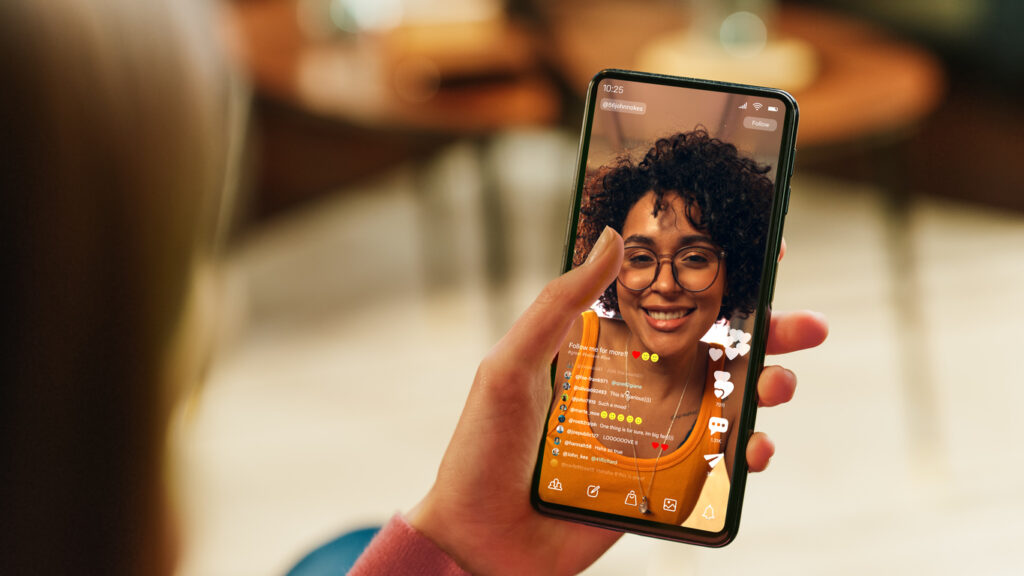
However, random people with a TikTok or Instagram account don’t have any special secrets to life, nor are they trendsetters or all-knowing gurus. However, it seems like much of the public has allowed themselves to become bamboozled by these people, and we’ve all developed terrible habits as a result. These are some of the worst that really need to go.
1. Photographing every meal before eating it
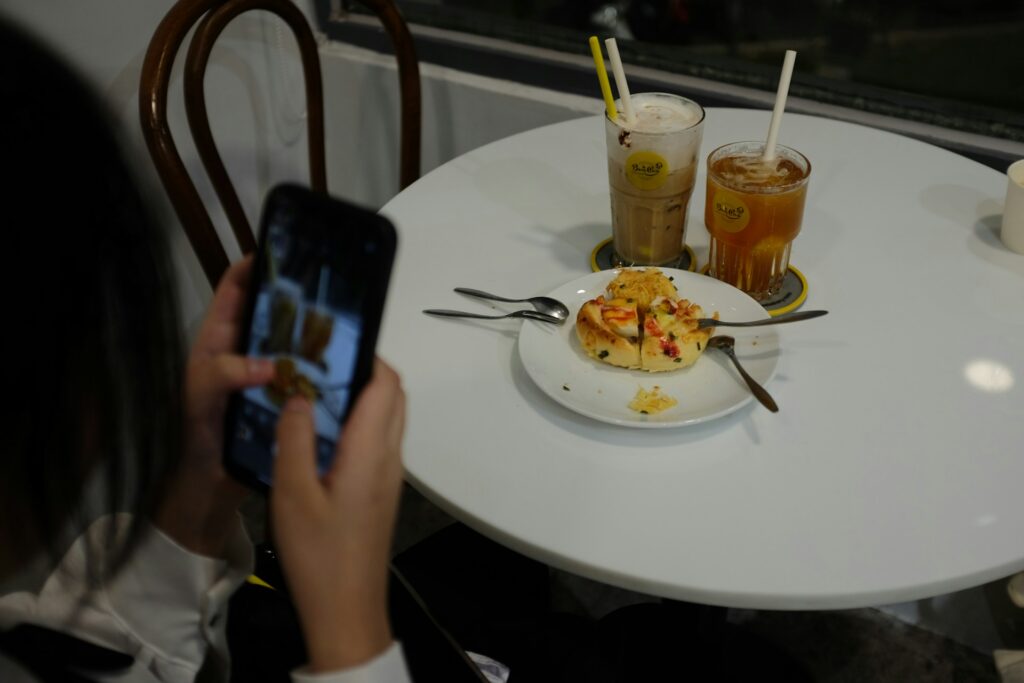
Taking pictures of your food used to be something only food critics did, but now people can’t put a fork in their mouth without first staging a photo shoot with their dinner. Everyone’s become their own personal food photographer, and meals go cold while people arrange their plates for the perfect shot.
Your scrambled eggs don’t need to be documented for posterity, and your mates don’t need to see every sandwich you’ve ever eaten. Food is meant to be eaten while it’s hot, not treated like a museum exhibit that requires perfect lighting and multiple angles.
2. Sharing every mundane detail of daily life
Influencers have normalised broadcasting the most boring aspects of existence, from morning coffee routines to grocery shopping trips, as if these ordinary activities are fascinating content that everyone needs to witness. People now think their daily minutiae deserves an audience.
Nobody cares that you went to the post office or that you’re having a bath, yet people document these mind-numbing activities like they’re creating important historical records. Life doesn’t need a running commentary, and most daily activities are too dull to warrant sharing with the world.
3. Treating every location as a photo opportunity
Whether it’s a hospital visit, funeral, or natural disaster, influencers have taught people that every location is a potential backdrop for content creation. People now pose for photos in inappropriate places and times because they’ve been conditioned to see everything through the lens of social media potential.
Some moments and places deserve respect and privacy rather than being turned into content for your followers. Not every experience needs to be shared, and some situations require human decency over social media engagement.
4. Making everything about personal branding
Influencers have convinced regular people that they need to have a “personal brand” and that every post should contribute to their carefully curated online identity. People now agonise over whether their content fits their aesthetic or sends the right message about who they are as a person.
Most people aren’t running businesses or trying to become famous, so treating your social media like a marketing campaign is exhausting and unnecessary. You’re allowed to post random stuff without it fitting into some grand narrative about your personal brand.
5. Performing happiness constantly
The pressure to always appear positive, grateful, and living your best life has created a generation of people who feel guilty about having normal human emotions. Influencers have made it seem like being anything other than perpetually cheerful is a personal failing that needs to be hidden.
Real life includes bad days, boredom, sadness, and frustration, and pretending otherwise is mentally exhausting. You don’t owe the internet constant positivity, and authentic human experience includes a full range of emotions that don’t need to be filtered for public consumption.
6. Oversharing personal information for sympathy
Influencers have normalised broadcasting intimate details about mental health struggles, relationship problems, and family drama to gain engagement and sympathy from strangers. People now think sharing deeply personal information publicly is healthy communication rather than boundary confusion.
Some things are meant to be processed privately with friends, family, or professionals rather than performed for an audience of acquaintances. Trauma and personal struggles aren’t content, and healing doesn’t require public documentation for validation.
7. Expecting free stuff in exchange for “exposure”
The influencer economy has created entitled attitudes where people expect free products, services, and experiences in exchange for posting about them online. Regular people now think having a few hundred followers entitles them to discounts or freebies from local businesses.
Exposure doesn’t pay rent or cover business expenses, and small businesses can’t survive on social media mentions alone. If you want something, be prepared to pay for it like everyone else, rather than expecting handouts for your amateur photography skills.
8. Making children into content creators
Family influencers have normalised exploiting children for content, sharing intimate moments of their lives without their consent, and building businesses around their personalities and experiences. Kids are now treated as content generators rather than human beings with rights to privacy.
Children can’t consent to having their entire lives documented and monetised for public consumption, and their childhood experiences shouldn’t be commodified for their parents’ social media success. Kids deserve privacy and normal childhoods without cameras constantly recording their every move.
9. Turning activism into performative content
Social justice causes have become content opportunities where people post about important issues not to create change, but to signal their values and gain social media credit. Activism has been reduced to hashtags and story posts rather than meaningful action or sustained commitment.
Real change requires more than posting infographics and virtue signalling online, and treating serious issues like content opportunities trivialises the actual work needed to address systemic problems. Posting about a cause doesn’t make you an activist.
10. Creating fake authenticity through vulnerability
Influencers have weaponised vulnerability by sharing carefully curated “authentic” moments that are actually calculated to increase engagement and relatability. People now think performing rawness and sharing strategic weaknesses is the same as being genuine.
True authenticity can’t be manufactured for social media consumption, and sharing personal struggles for likes and comments isn’t the same as genuine openness. Vulnerability becomes meaningless when it’s performed for an audience rather than shared in genuine relationships.
11. Normalising cosmetic procedures as casual lifestyle choices

Beauty influencers have made plastic surgery, fillers, and cosmetic procedures seem like routine self-care rather than serious medical interventions with real risks and consequences. People now casually discuss getting work done as if it’s equivalent to getting a haircut.
These procedures carry real medical risks and psychological implications that get glossed over in favour of promoting them as easy fixes for insecurity. The normalisation of cosmetic surgery has created unrealistic expectations about what bodies should look like naturally.
12. Making everything a teaching moment or life lesson
Influencers have trained people to extract profound meaning from ordinary experiences and turn every minor event into content about personal growth or life wisdom. People now feel pressure to find deep significance in mundane situations and share insights from basic human experiences.
Sometimes things just happen without containing universal truths or teaching moments worth broadcasting. Not every experience needs to be turned into inspirational content, and most daily occurrences don’t contain wisdom that strangers need to hear about.
13. Treating followers like personal friends
The parasocial relationships that influencers cultivate have blurred the lines between public figures and friends, creating expectations of constant accessibility and emotional labour from content creators. People now expect influencers to provide personal support and validation like they’re actual friends rather than entertainers.
Following someone online doesn’t create a real relationship, and content creators aren’t obligated to provide emotional support or personal attention to their audiences. The confusion between online presence and genuine friendship has created unhealthy expectations on both sides of the screen.