From biking to bilingualism, Brits often fall behind their European neighbours in everyday skills where those on the continent excel.
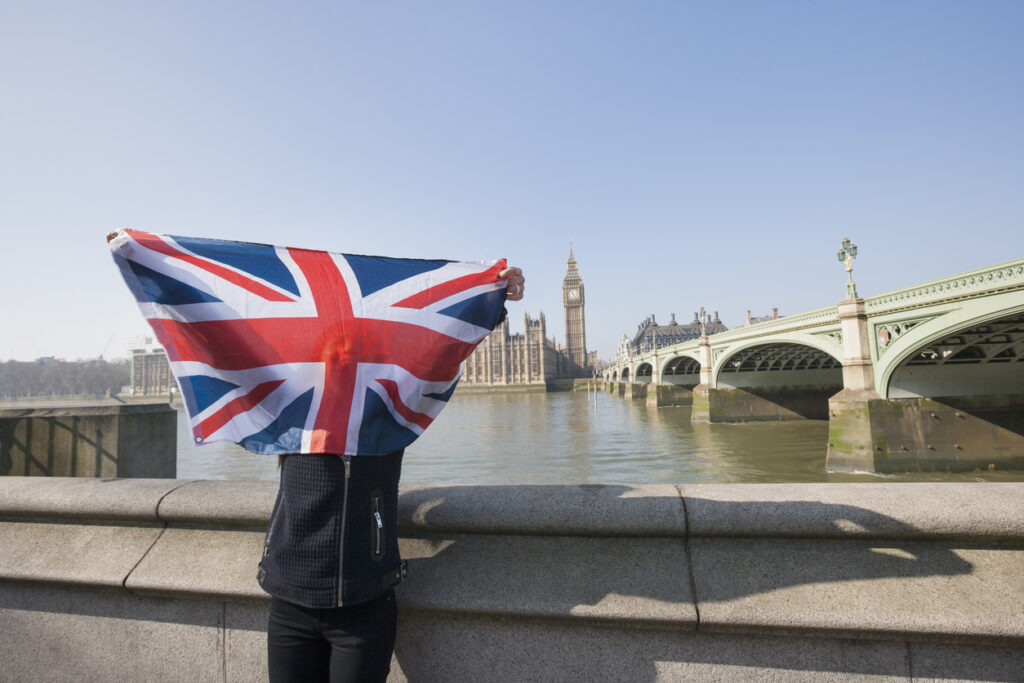
It doesn’t mean we’re idiots or inept—it’s just areas we haven’t prioritised or practised much. These are things many across Europe do effortlessly, but most of us here barely touch. With a bit of practice, we might be able to level up our skills so they’re on par with our mates in the EU.
1. Riding a bike confidently
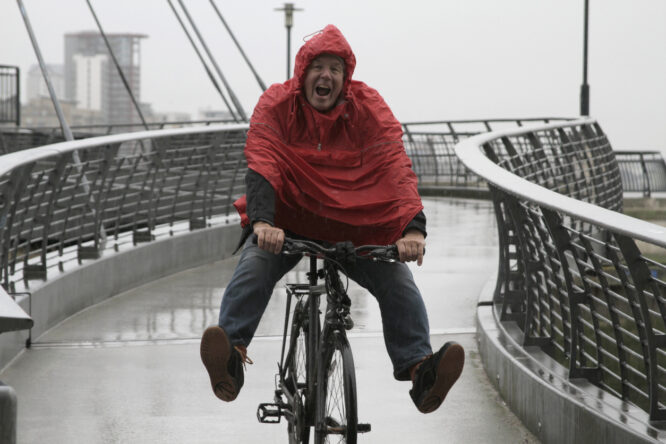
A growing number of Brits admit they can’t ride a bike, and for many the idea of learning as an adult feels embarrassing. Across Europe, though, cycling is stitched into daily life, with children starting young and carrying on into adulthood without hesitation.
In countries such as the Netherlands or Denmark, cycling is second nature, with infrastructure designed for safety and ease. In the UK, patchy training, weaker infrastructure, and the idea of cycling as a childhood skill leave many adults behind.
2. Mastering secondary languages

Language skills remain low in Britain compared to much of Europe. While many Europeans grow up fluent in two or three languages, most Brits rely on English alone, which leaves us hesitant when travelling or working abroad.
Continental Europeans switch easily between languages in everyday life, while we often stick to basics or avoid the challenge. It highlights how language learning here hasn’t been given the same cultural or educational weight as elsewhere.
3. Hosting supper clubs and crafting circles

Crafting hobbies and supper clubs are becoming trendy again in Britain, but they feel relatively new compared to Europe, where community craft groups and shared dining have long been part of everyday culture. These gatherings create easy connection and relaxation.
In many European countries, getting together to cook, sew, paint, or create has always been a normal way to bond. Here, it has often been sidelined or seen as niche, but younger generations are starting to reclaim it.
4. Being relaxed around alcohol

British drinking culture often swings between abstaining and excess. By contrast, in Mediterranean countries alcohol is woven calmly into daily life, with small amounts enjoyed with meals instead of saved for weekend binges.
This difference shapes habits. While Brits can feel uneasy about casual drinking or push it into extremes, Europeans often display a relaxed balance where wine or beer feels like part of the rhythm of life rather than an event in itself.
5. Embracing queue-jumping tolerance (not just lining up politely)
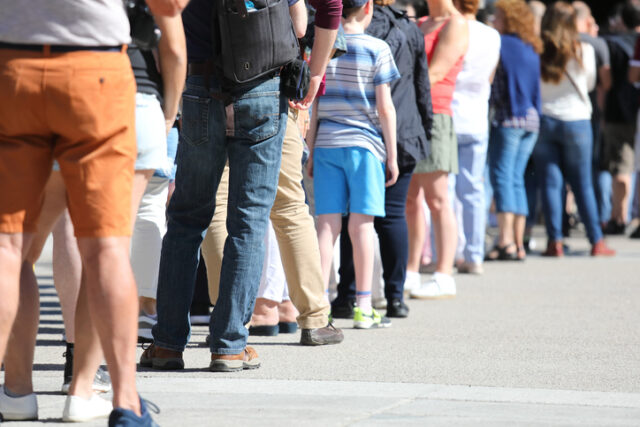
We Brits are proud of our queuing etiquette, but sometimes our devotion to orderly lines can feel rigid. In much of Europe, people manage public spaces with more fluidity, adapting as they go without as much stress about fairness.
Our strictness can create tension in situations where flexibility would actually keep things moving. Europeans often demonstrate a looser but still respectful approach, which avoids conflict while making public life run more smoothly.
6. Speaking up in public confidently

British culture is often associated with reserve and understatement, while many European neighbours value direct expression and lively debate. Public speaking, political discussion, or even everyday café conversation is often more candid and energetic outside the UK.
This difference can make Brits seem quieter or more hesitant in comparison. Where other cultures encourage boldness and unfiltered opinion, we often prioritise politeness and subtlety, even when the moment calls for stronger expression.
7. Learning musical instruments young

Music education is more embedded in many European school systems. Children there often grow up learning instruments as a standard part of life, while in the UK, cuts to music programmes have left many without that early start.
As a result, musical literacy is higher across much of Europe. While some British children do learn instruments, it’s seen as an optional extra rather than a normal skill, which makes early access far less widespread than abroad.
8. Navigating public bureaucracy easily
Brits have grown used to clunky forms, waiting lists, and paperwork when dealing with government services. In countries like Denmark or Estonia, digital systems make bureaucracy smoother and less time-consuming, so people expect efficiency as standard.
We often see delays and confusion as normal, but across Europe, frustration is lower because systems are better designed. It’s a reminder that public life can be organised differently, with less stress and more convenience.
9. Engaging in everyday sports
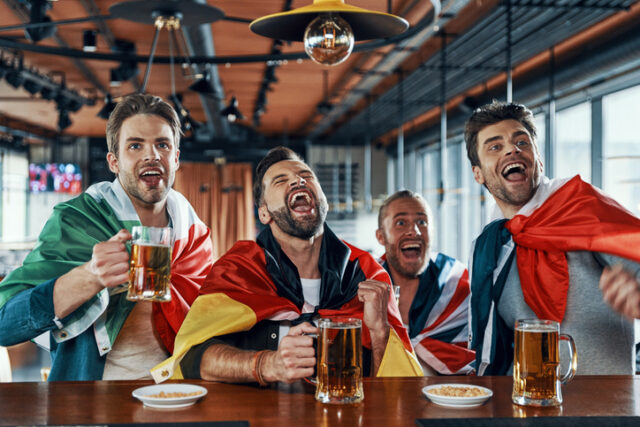
British sport is dominated by football, rugby, and cricket, but in much of Europe, children grow up with a wider mix of everyday sports. From handball to floorball, regional games add variety and make casual participation part of daily life.
Having that variety makes fitness less about competition and more about enjoyment. In the UK, sporting culture often revolves around watching rather than playing, so our habits lack the everyday participation common in other European countries.
10. Feeling Euro-centric from the start

Many Europeans grow up with a strong sense of continental identity. Cross-border travel, shared cultural references, and European languages make feeling connected to Europe natural. Brits, however, often grow up thinking of Europe as “elsewhere” rather than as part of daily identity.
This difference influences outlook. Where many Europeans instinctively think in continental terms, we tend to look globally or to older Commonwealth ties. It leaves Britain feeling more detached from European integration, even at the everyday cultural level.