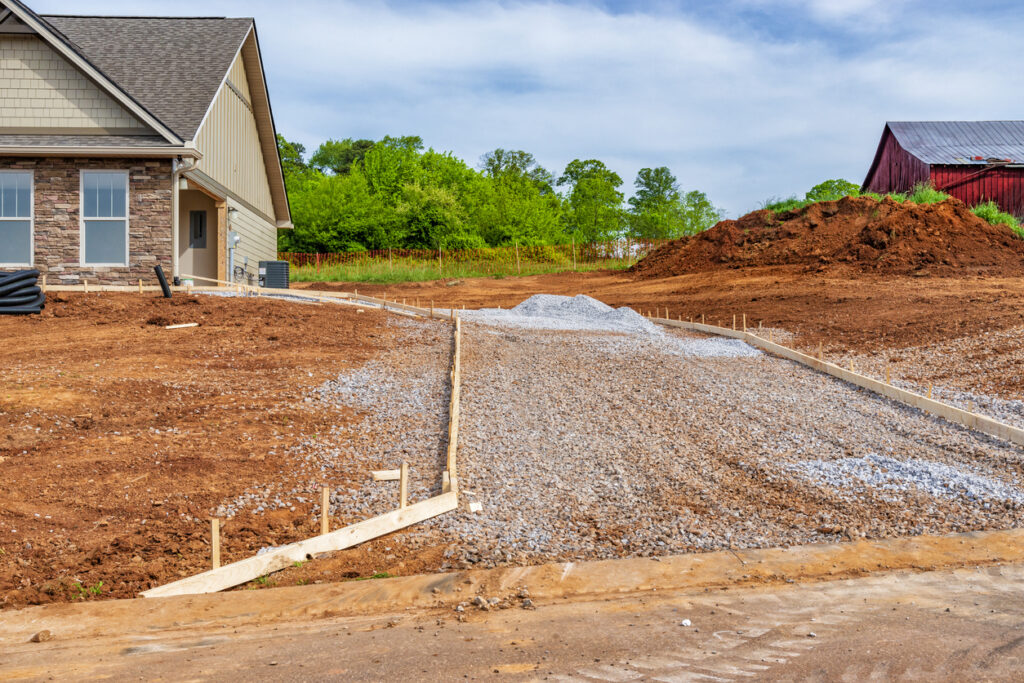
Planning a new driveway isn’t as simple as picking paving stones and getting stuck in. In the UK, there are rules about planning, drainage, and safety that can’t be ignored. Here’s what homeowners need to know before work begins. It may seem like if it’s your property, you can do whatever you’d like, but that’s sadly not the case at all.
1. Planning permission may be required.
In some cases, you cannot just dig up your garden and lay a driveway without approval. If your plans include significant alterations, or if your property is in a conservation area, planning permission might be necessary before you begin.
Checking with your local council is the first step. Applying after work has started can cause fines and delays. Getting clarity up front saves hassle and ensures your driveway project stays within the law.
2. Drainage rules are strict.
UK regulations require that new driveways use materials allowing water to drain naturally. If water would run off onto the road or into public drains, you may need a proper drainage system installed to avoid flooding issues.
Permeable paving, gravel, or drainage channels often meet requirements. Choosing the right solution early prevents costly retrofits later. These rules exist to reduce strain on local drainage systems and to protect surrounding properties.
3. Size and access must be considered.
A driveway isn’t just about space for your car, it’s also about safe access. Local councils have rules about visibility lines, especially if you’re near junctions. A badly positioned drive can create safety risks for both drivers and pedestrians.
Measuring carefully and consulting council guidelines avoids future problems. The width of the entrance also matters—too narrow, and it can be impractical; too wide, and it may breach planning limits. Getting it right from the start is crucial.
4. Crossing the pavement needs permission.
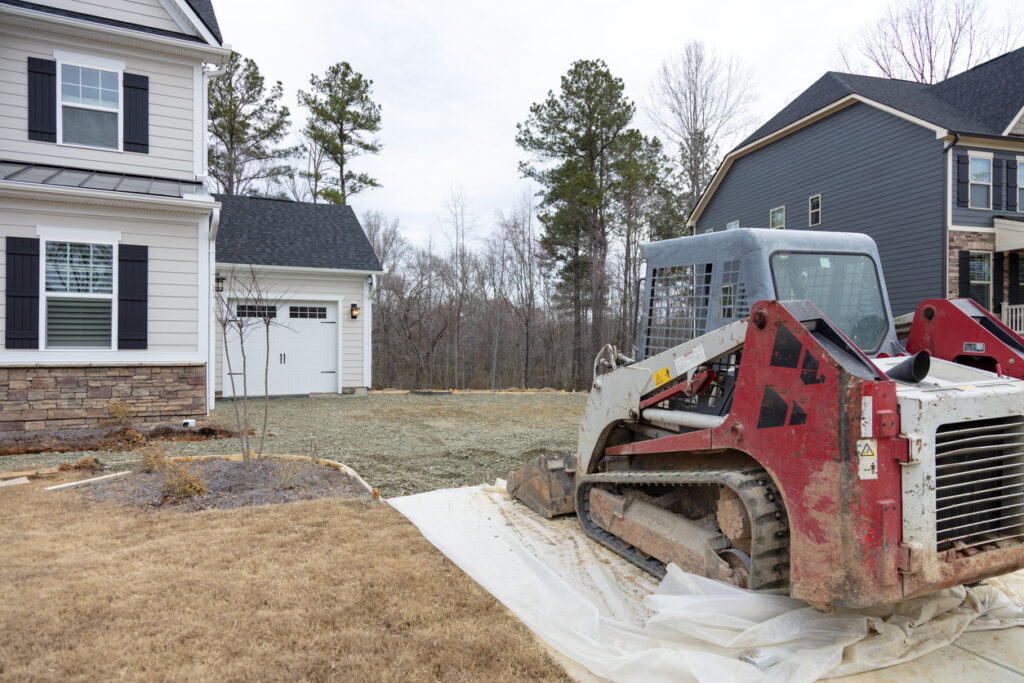
If your driveway requires a new drop kerb, you cannot simply hire a builder to do it. Local councils control pavement crossings, and you’ll need permission before making alterations to public highways or kerbs outside your property.
Only approved contractors are allowed to carry out this work. Applying through the council ensures it’s done safely and to the correct standard. Skipping this step risks enforcement action and an unusable driveway.
5. Neighbours’ rights must be respected.
Driveways can affect neighbouring properties, especially with shared boundaries or semi-detached homes. Encroaching even slightly onto someone else’s land creates disputes that can be costly and stressful to resolve once construction is complete.
Checking deeds, maps, and boundary lines before digging prevents problems. Talking openly with neighbours before work begins also avoids unnecessary friction. Respecting property lines ensures your driveway project doesn’t become a legal battle.
6. Materials affect permissions.
Not all paving is treated the same under UK rules. For example, impermeable surfaces such as tarmac may require planning permission unless drainage is addressed. Meanwhile, gravel or permeable block paving often falls within permitted development rights.
Choosing materials wisely can save you paperwork and cost. Local councils often publish guidance on approved surfaces. Thinking about this early ensures your design matches both your budget and regulations.
7. Heritage and conservation rules apply.
If your home is listed or within a conservation area, stricter rules apply. Changes to the front of your property, including new driveways, may be restricted to preserve the character of the street and surrounding area.
Approval is often needed even for small changes. Consulting the local planning authority avoids expensive mistakes. In heritage settings, design and material choices are often as important as practicality, so extra care is essential.
8. Safety standards must be met.
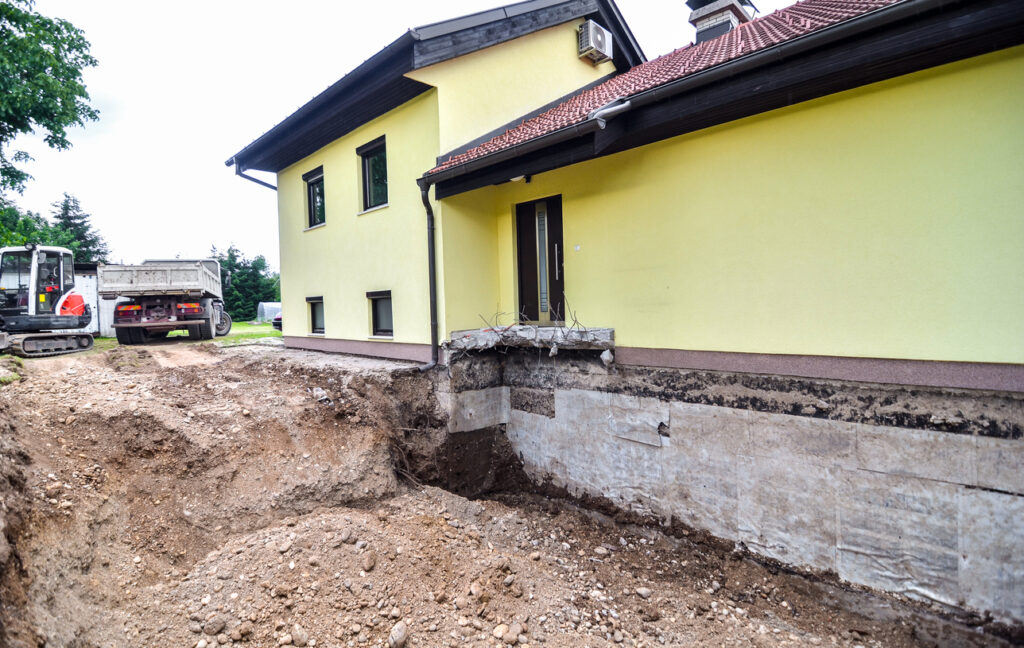
Driveways aren’t just about appearance—they must also meet safety standards. Slopes that are too steep, uneven surfaces, or poor lighting can create hazards. Councils also expect sight lines for drivers leaving the property to be safe and clear.
Taking safety seriously protects both your family and the public. Checking specifications before work begins ensures your new driveway is safe, legal, and practical, not just stylish. Safety compliance is a non-negotiable part of planning.
9. Professional contractors are often required.
While some people attempt DIY driveways, councils often require approved contractors for aspects like kerb work or drainage. Using professionals ensures compliance with regulations and reduces the risk of costly mistakes or enforcement notices later.
Requesting quotes from licensed contractors also helps you budget realistically. Professional work may cost more upfront, but it ensures the finished result meets both council standards and long-term durability expectations.
10. Maintenance responsibilities remain yours.
Once installed, the upkeep of a driveway rests entirely on the homeowner. Cracks, poor drainage, or surface issues must be maintained to prevent hazards. Councils won’t take responsibility for problems on private property once work is complete.
Regular checks and minor repairs keep the surface safe and functional. Budgeting for ongoing care ensures your investment lasts and avoids more expensive repairs in the future. A driveway isn’t a one-time cost, it’s an ongoing responsibility.