Cats have mastered the art of making humans think we’re the ones in charge while they quietly run our entire lives. If you’ve ever wondered who’s really training whom in your household, these subtle feline tactics will reveal just how expertly your cat has been managing you all along.
1. They train you to wake up at specific times by sitting on your face.
Your cat doesn’t randomly decide to become your furry alarm clock. They’ve carefully observed your schedule and determined the optimal wake-up time that serves their needs. The face-sitting, purring, or gentle paw taps aren’t affection; they’re conditioning techniques.
Most cat owners eventually wake up automatically at feeding time, even without their cat’s intervention. Your feline has successfully programmed your internal clock to match their preferred schedule, and you probably think it’s cute rather than recognizing the sophisticated behavioural training you’ve undergone.
2. They’ve conditioned you to open doors on command.
Cats rarely actually want to go through doors. Instead, they want to confirm that you’ll open them whenever requested. The moment you start responding to their meowing, pawing, or sitting by doors, you’ve entered into a training program where you’re the student.
You’ll notice your cat often changes their mind about going outside the second you open the door, or they’ll immediately want back in. This isn’t indecision; it’s testing your responsiveness and ensuring you remain properly trained to serve their needs.
3. They’ve established feeding schedules that revolve entirely around their preferences.

Most people think they’re feeding their cats on a reasonable schedule, but cats have gradually shaped these routines to match exactly what they want. The timing, location, and even the specific food bowls have all been subtly influenced by feline preferences.
Your cat has trained you to recognize their “hungry” signals and respond immediately, even when they’re not actually hungry. They’ve learned that certain meows, behaviours, or locations reliably produce food, and they use this knowledge to manage your behaviour throughout the day.
4. They’ve trained you to provide entertainment on demand.
When your cat brings you toys, sits expectantly with a ball, or meows at their favourite play spots, they’re not asking for entertainment. Really, they’re giving you commands. You’ve been conditioned to respond to these signals by providing the specific type of interaction they want.
Most cat owners drop whatever they’re doing when their cat initiates play time, proving that the training has been successful. Your cat has learned exactly which behaviours reliably make you stop your activities and focus entirely on them.
5. They control your seating arrangements and sleeping positions.
If you find yourself adjusting your position because your cat is comfortable, or choosing different seats because your cat has claimed your usual spot, you’re being managed. Cats strategically position themselves to control human movement and comfort levels.
You probably tell people you don’t want to disturb your sleeping cat, when really you’ve been trained not to move when they’re comfortable. They’ve successfully convinced you that their comfort is more important than your own, which is impressive manipulation disguised as cuteness.
6. They’ve programmed you to respond to different types of meows.
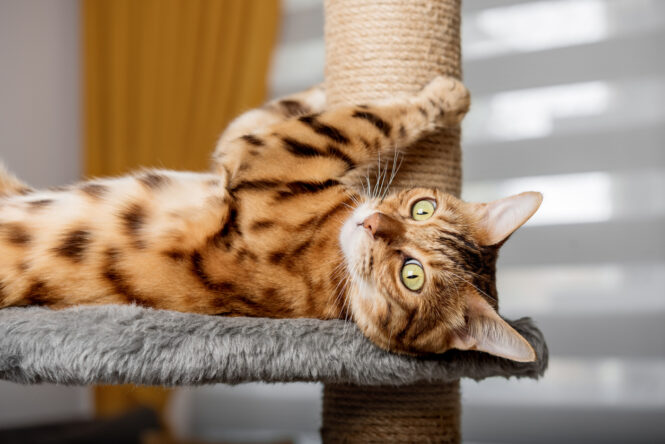
Cats develop specific meows that reliably produce desired responses from their humans, and you’ve learned to interpret and respond to these vocal commands without realizing you’re being trained. Each meow type triggers a different human behaviour.
You probably have different responses to your cat’s “food meow” versus their “attention meow” versus their “let me out” meow. Your cat has essentially taught you their language whilst making you think you’re the one understanding them rather than being programmed by them.
7. They control the temperature and lighting in your home.
Cats position themselves strategically to influence your decisions about opening windows, adjusting thermostats, or turning on lights. They’ve learned that certain locations and behaviours will prompt you to make environmental changes that suit their preferences.
You might find yourself opening blinds when your cat sits by windows, adjusting heating when they look for warm spots, or leaving lights on because your cat seems to prefer it. These aren’t coincidences; they’re the result of systematic training over time.
8. They’ve established rules about which furniture belongs to whom.
If certain chairs, beds, or spots in your home are effectively off-limits when your cat is using them, you’ve been successfully trained to respect their territorial claims. Cats gradually establish ownership over prime real estate in your home through persistent occupation.
Most people accommodate their cat’s furniture preferences without question, proving that the boundary-setting has worked. You’ve learned to work around your cat’s chosen spots, rather than asserting your own rights to furniture you actually purchased.
9. They dictate your cleaning schedule through strategic mess-making.

Cats time their messiest behaviours, such as knocking things off counters or tracking litter, to coincide with when they want attention or environmental changes. They’ve learned that creating certain types of messes reliably produces specific human responses.
You probably clean up after your cat immediately because you’ve been conditioned to view their messes as urgent priorities. They’ve trained you to drop other activities and focus on them whenever they decide to create chaos in your living space.
10. They control your social interactions and guest behaviour.
Cats often appear when you’re on phone calls, having important conversations, or entertaining guests because they’ve learned these are prime opportunities to assert control. They know you’re less likely to ignore them when you’re trying to appear responsible to other humans.
Your guests probably accommodate your cat’s demands for attention, and you likely explain or apologise for your cat’s behaviour, giving them even more control over social situations. They’ve successfully made themselves the centre of attention in your home.
11. They’ve trained you to provide multiple sleeping options throughout the house.
If you have cat beds, blankets, or designated cat spots in various rooms, your cat has successfully convinced you that they need multiple luxury sleeping arrangements. They rotate between these spots to ensure you maintain all of them properly.
You probably replace or wash cat bedding more frequently than your own, and you’ve arranged furniture to accommodate their sleeping preferences. They’ve trained you to prioritize their comfort infrastructure throughout your entire living space.
12. They manage your emotional responses through selective affection.
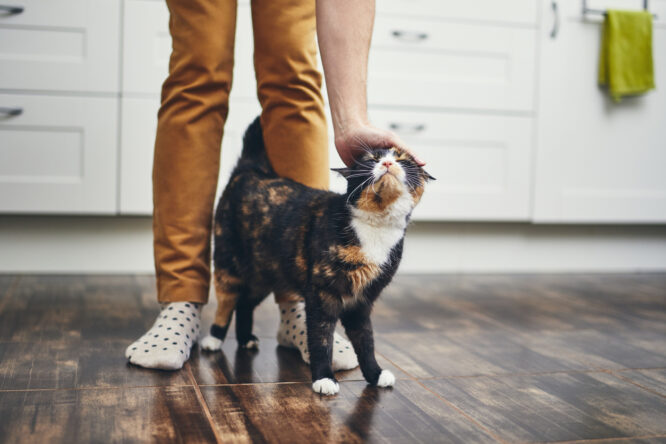
Cats time their cuddly, affectionate behaviour strategically to reinforce your good behaviour and make you more likely to comply with their future demands. They’ve learned exactly when a purr or head bump will be most effective at getting what they want.
You probably feel specially chosen when your cat shows affection, not realizing they’re rewarding you for proper human behaviour. They’ve conditioned you to seek their approval and feel grateful for attention that they dispense according to their own agenda.
13. They’ve established themselves as the household’s scheduling coordinator.
Your daily routines probably revolve around your cat’s needs: meal times, play times, cleaning times, and even your sleep schedule have all been subtly influenced by feline preferences. They’ve become the unofficial timekeeper for your entire household.
You likely structure your day around your cat’s activities and feel guilty when you disrupt their established routines. They’ve successfully convinced you that maintaining their schedule is more important than your own convenience, making them the real head of household operations.