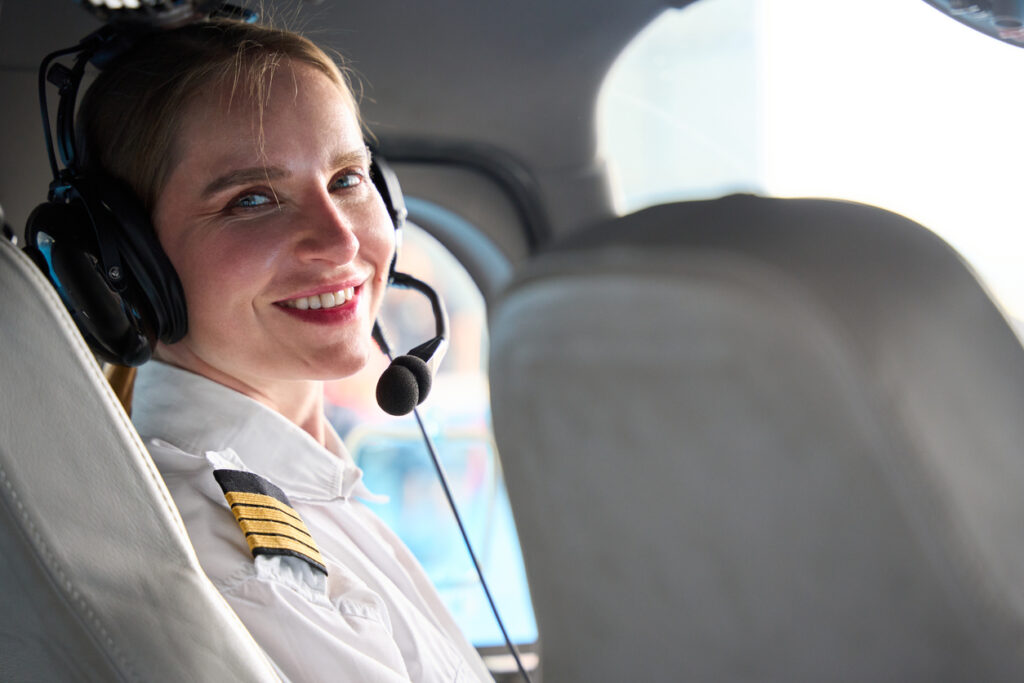
In high-pressure cockpit moments, female pilots are showing surprising consistency and clarity under stress. It’s time to cut through aviation stereotypes and look at what science, history and real-life experience reveal about how well women perform when the situation gets serious.
1. Women keep steadier control in emergencies.
A University of Waterloo study found that women pilots, with the same level of experience as men, made fewer control errors in simulated emergencies. Their flying stayed steadier under pressure, which is exactly what’s needed when the stakes rise. What’s telling is that both men and women paid attention to the same instruments and alerts. The difference wasn’t in where they looked. It was in remembering the right steps when the pace quickened.
2. Their emergency responses are faster and more precise.
In high-stress simulations, women carried out emergency procedures more quickly without missing vital steps. That mix of speed and accuracy makes a huge difference when safety is on the line. Their responses weren’t just quick, they were measured. That balance between urgency and calmness is what turns chaos into control.
3. Situational awareness remains consistently high.
Although both men and women showed similar visual focus, women reported higher situational awareness in flight tests. They were more tuned in to how everything fit together in the moment, not just the immediate task in front of them. That wider perspective lets decisions flow more easily, which is invaluable when time is short.
4. History shows women have always been capable pilots.

Women Airforce Service Pilots (WASPs) in WWII proved decades ago that, with equal training, women could fly just as capably as men. Today’s findings aren’t new—they echo what history has already shown. When women are given equal opportunities, performance differences shrink. The latest research is a reminder, not a revelation.
5. Training culture should change
Much of aviation training is based on how men typically perform under pressure. But if women show steadier results when stress rises, it’s worth rethinking that model. Training that values different strengths—not just one template—could make flying safer for everyone.
6. Women make fewer mistakes under pressure.
Stress often magnifies errors, yet the study found women kept accuracy intact even as pressure built. That reliability matters because one small slip in a crisis can spiral into something worse. Accuracy under stress isn’t luck. It comes from discipline, training, and staying calm when things go off script.
7. Communication tends to stay clearer in tense moments.
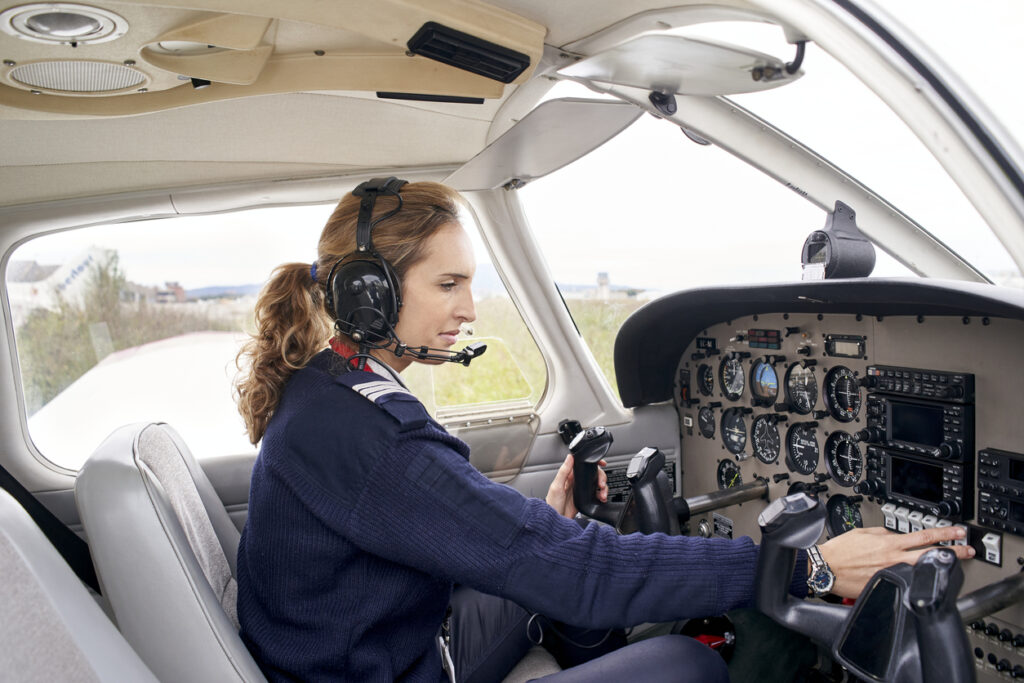
While not directly studied, other aviation research notes that pilots who communicate clearly in emergencies build better team performance. Women generally bring that clarity: expecting responses, confirming understanding, staying intentional with words, even when stress builds. That matters. Clear radio chatter, precise updates and direct coordination help avoid confusion, and that kind of clarity often comes through when focus stays sharp.
8. Stress doesn’t trigger distraction.
When pressure mounts, men are more likely to have their attention scattered across too many signals. Women in the study stayed locked on what mattered most. That focus keeps small problems from snowballing, and it shows how composure can hold everything on track.
9. Memory recall holds up even in crisis.
In emergency situations, stress can fog memory. However, the participants who flew with steadier control held onto their training and checklists better. That clarity means fewer steps skipped when the response needs to be methodical. Remembering procedure under pressure comes from habit, but it also comes from mental steadiness—the kind that allows proper recall even when the cockpit light blinks alarms at you.
10. They set a positive tone for the crew.

The mood in a cockpit matters. If the lead pilot shows strain, everyone feels it. The steadiness women displayed in simulations likely carried into crew dynamics, keeping the overall tone calmer. A composed atmosphere makes decisions clearer and stops tension from spreading.
11. They’re attuned to cues in subtle ways.
While the study measured gaze, it didn’t capture subtler senses: body language, ambient tone, small changes in warnings or flight rhythms. Women’s scores in awareness suggest they pick up more than visuals alone. That intuitive responsiveness speeds up connection to what’s happening next, which matters when every beat sharpens new possibilities or risks.
12. They divert less into reactive thinking.
When alarms go off, men often tip into pure reaction—fast but not always thought through. Women in the study leaned toward planning even under stress, staying thoughtful rather than reactive. That steadiness avoids rash moves and buys the time needed for the right decisions.