Your face is basically a billboard advertising your health status to the world, whether you realise it or not.

While you might think you’re hiding problems well, subtle changes in your complexion, features, and expressions reveal more about what’s happening inside your body than any medical questionnaire ever could. Here are some of the insights you can gain just by looking in the mirror.
Note that while noticing potential warning signs can be helpful, this is not meant to be an official diagnosis. If you have concerns, schedule an appointment with your GP as soon as possible.
1. Yellow skin and eyes signal serious liver problems.

When your skin and the whites of your eyes turn yellow, it’s called jaundice, and it happens when your liver can’t properly process bilirubin, a waste product from breaking down old red blood cells. This isn’t just a cosmetic issue. It indicates your liver may be struggling with conditions like hepatitis, cirrhosis, or blocked bile ducts.
If you develop jaundice suddenly along with fever, confusion, or intense abdominal pain, you need emergency medical attention immediately. Even mild yellowing requires prompt medical evaluation because liver problems can escalate quickly without proper treatment.
2. Dark circles under your eyes reveal more than just tiredness.

While fatigue is commonly blamed for dark circles, they can actually signal iron deficiency anaemia, with studies showing 50% of people with persistent dark circles had anaemia that improved once treated. Other underlying causes include poor circulation, hormonal shifts, kidney or liver disease, and certain medications.
If you have dark circles or swelling under just one eye rather than both, contact a healthcare provider immediately, as this could indicate an underlying health condition requiring urgent attention. Symmetrical dark circles are usually benign, but asymmetrical changes warrant investigation.
3. Sudden facial paralysis distinguishes strokes from other conditions.
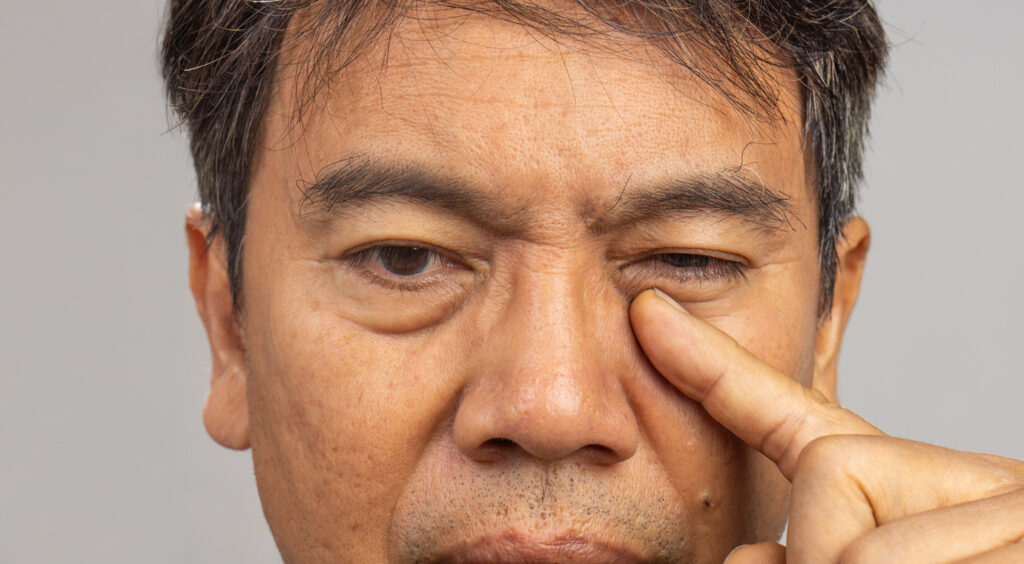
If you can’t move part of your face suddenly, and it’s accompanied by numbness in arms or legs, slurred speech, double vision, or trouble swallowing, you’re likely having a stroke and need emergency care immediately. Bell’s palsy causes similar facial weakness, but typically affects all branches of the facial nerve equally and doesn’t preserve forehead movement.
Bell’s palsy usually develops over hours or days rather than seconds, often includes ear pain, and generally resolves within 3 to 6 months with proper treatment. The key difference is timing and additional neurological symptoms that accompany strokes.
4. Butterfly-shaped rashes across your cheeks suggest autoimmune disease.
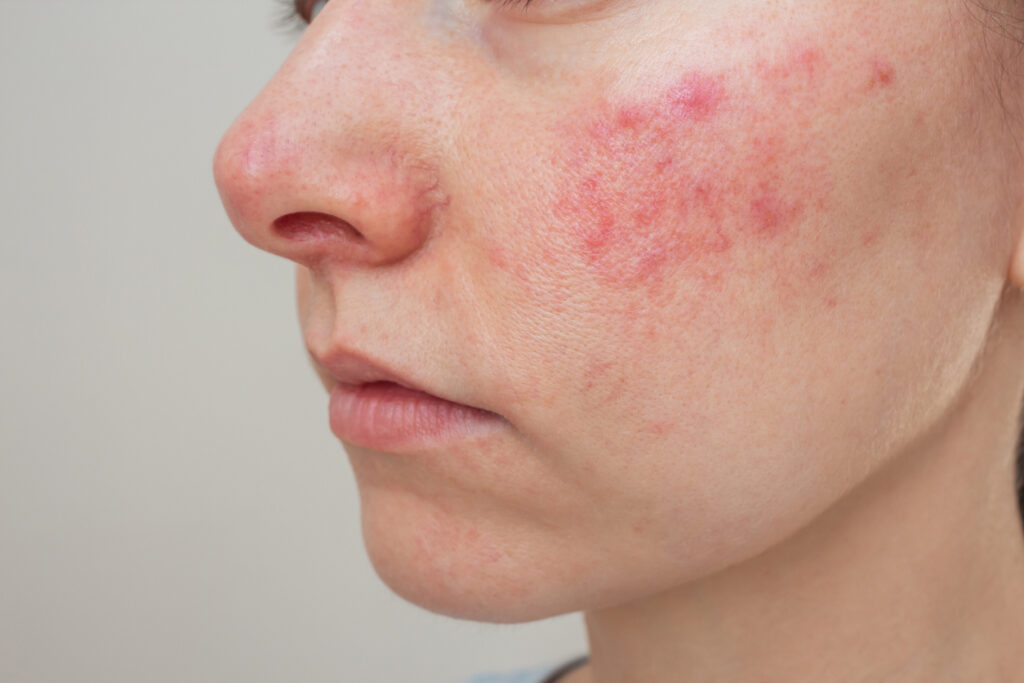
A distinctive rash that spreads across both cheeks and over the bridge of your nose in a butterfly pattern is a common sign of lupus, an autoimmune disease where your immune system attacks your own tissues and organs. This rash is unusual because of its specific shape and symmetrical presentation.
Along with the characteristic rash, you might experience fever, aching joints, and fingers that turn blue in cold weather. Any unexplained facial rash, especially with these accompanying symptoms, requires medical evaluation for proper diagnosis and treatment.
5. Excessive facial hair in women indicates hormonal imbalances.

Unusual facial hair growth in women, called hirsutism, occurs when there’s a hormonal imbalance, particularly with polycystic ovary syndrome (PCOS) where the body produces too much testosterone. In younger women especially, sudden facial hair growth can signal PCOS, which can make it harder to get pregnant.
Other signs of PCOS include adult acne, body hair growth, and thinning hair on your head, often accompanied by weight gain and insulin resistance. Early diagnosis and treatment with lifestyle changes and medication can successfully manage this condition.
6. Drooping eyelids may signal serious neurological problems.
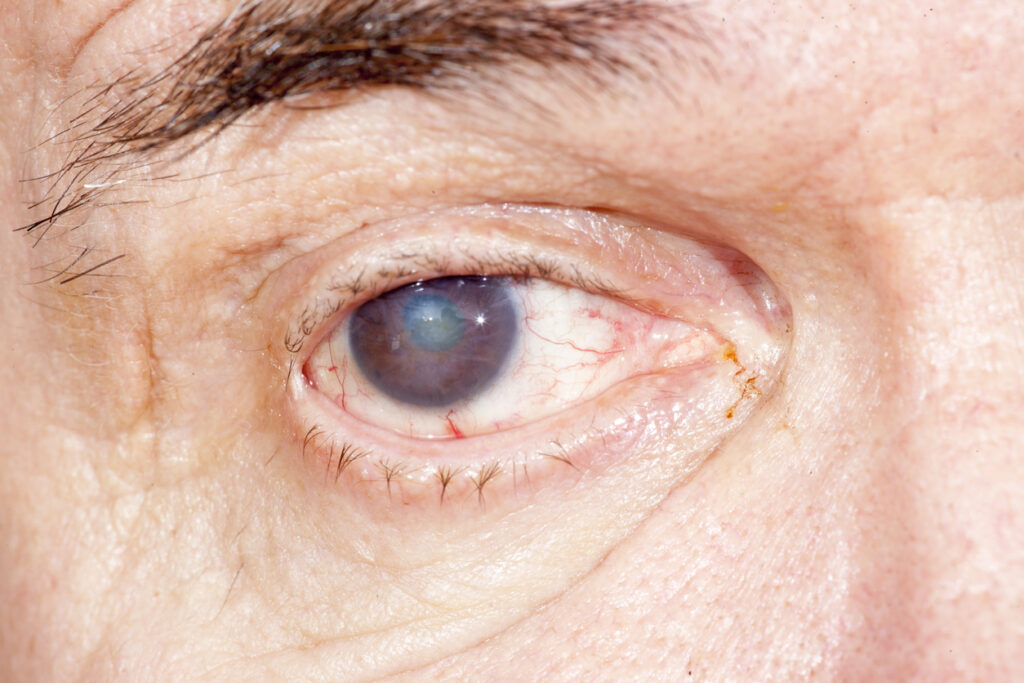
Drooping eyelids, called ptosis or blepharoptosis, can happen in one or both eyes, and in severe cases may block your vision completely. While sometimes related to ageing, sudden onset drooping can indicate neurological conditions requiring immediate attention.
In rare instances, facial changes like drooping eyelids combined with difficulties talking, walking, or controlling bowel and bladder function can signal conditions like multiple sclerosis. Any sudden changes in eyelid position warrant medical evaluation, especially with other neurological symptoms.
7. Losing eyelashes and eyebrows points to autoimmune attacks.
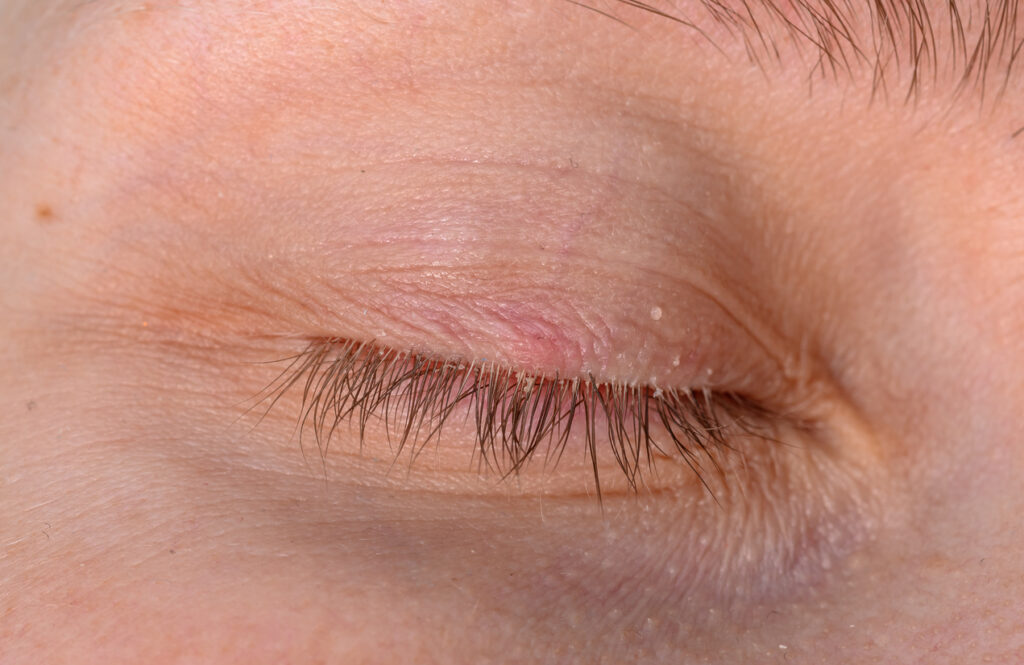
If you’re losing eyelashes or eyebrows along with patches of hair elsewhere, it can indicate alopecia areata, an autoimmune condition where your immune system mistakenly attacks hair follicles. The disease can be limited to certain body parts or involve the entire body, and unfortunately no cure exists though treatments are available.
Hair loss in these specific areas is particularly noticeable because eyebrows and eyelashes frame your face so prominently. While treatments can help hair regrow, the autoimmune nature means new patches may appear unpredictably.
8. Yellow bumps around your eyes warn of heart disease risk.
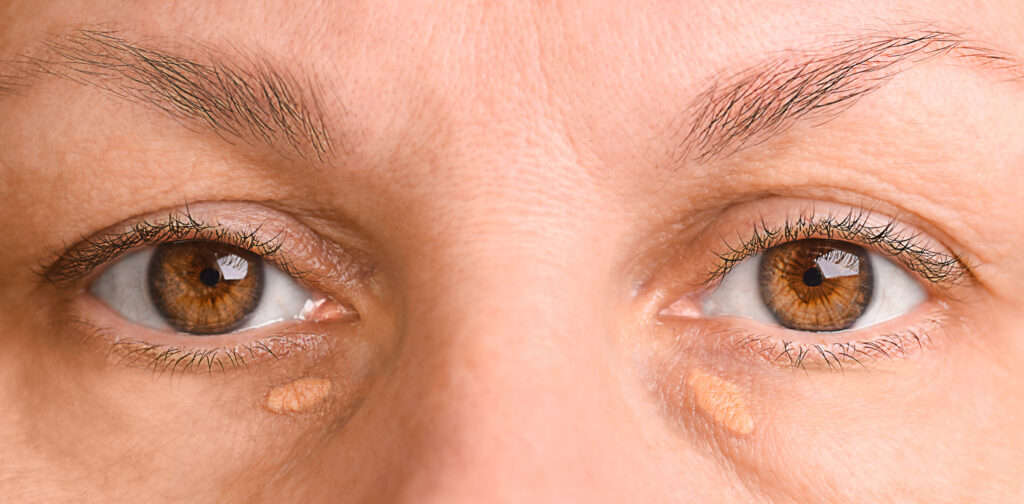
Raised yellow bumps on and around your upper and lower eyelids, called xanthelasmata, are actually cholesterol deposits underneath the skin. These yellowish deposits near the eyelids or nose are a sign you should have your cholesterol checked immediately.
While these bumps might seem like a minor cosmetic issue, they’re actually your body’s way of signalling that you have dangerously high cholesterol levels that could lead to heart attacks or strokes if left untreated.
9. Persistent mouth sores reveal nutritional deficiencies.

Mouth or facial sores usually indicate infection, stress, hormonal changes, or vitamin deficiency, with people deficient in folic acid, zinc, or vitamin B12 being more likely to experience recurring mouth sores. Eyelid spasms can also occur when you don’t eat enough magnesium-rich foods, as this nutrient helps regulate muscle and nerve function.
Recurring sores aren’t just annoying. They’re your body’s way of telling you it’s missing essential nutrients needed for proper healing and immune function. Addressing these deficiencies usually resolves the problem quickly.
10. Facial flushing and bumps indicate chronic skin conditions.
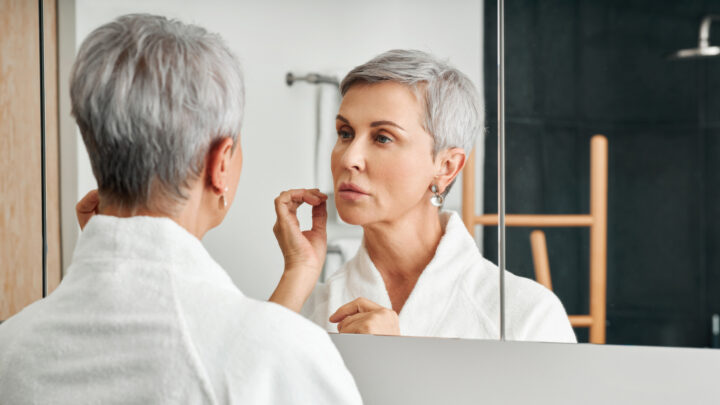
Bumpy, spotty, or flushing redness typically indicates rosacea, an inflammatory skin condition causing redness and bumps on the nose, cheeks, and forehead. This chronic condition can be triggered by environmental factors like weather, spicy foods, exercise, and stress.
Sudden flushing can also result from hormonal changes during pregnancy or menopause, while blotchy red welts might indicate hives from allergic reactions or contact dermatitis from skincare products. Understanding your triggers helps manage these conditions effectively.
11. Pale skin reveals hidden circulation and breathing problems.

When people are acutely sick, observers consistently rate them as having paler lips and skin, more swollen faces, droopier mouth corners, redder eyes, and less glossy, patchy skin while appearing more tired overall. These changes happen because illness affects circulation and oxygen delivery to facial tissues.
If you’re consistently pale along with symptoms like dry mouth, extreme thirst, frequent urination, and blurry vision, you might have developed diabetes. Persistent pallor combined with fatigue could also indicate anaemia or thyroid problems requiring medical attention.
12. Acne patterns reveal hormonal and digestive problems.
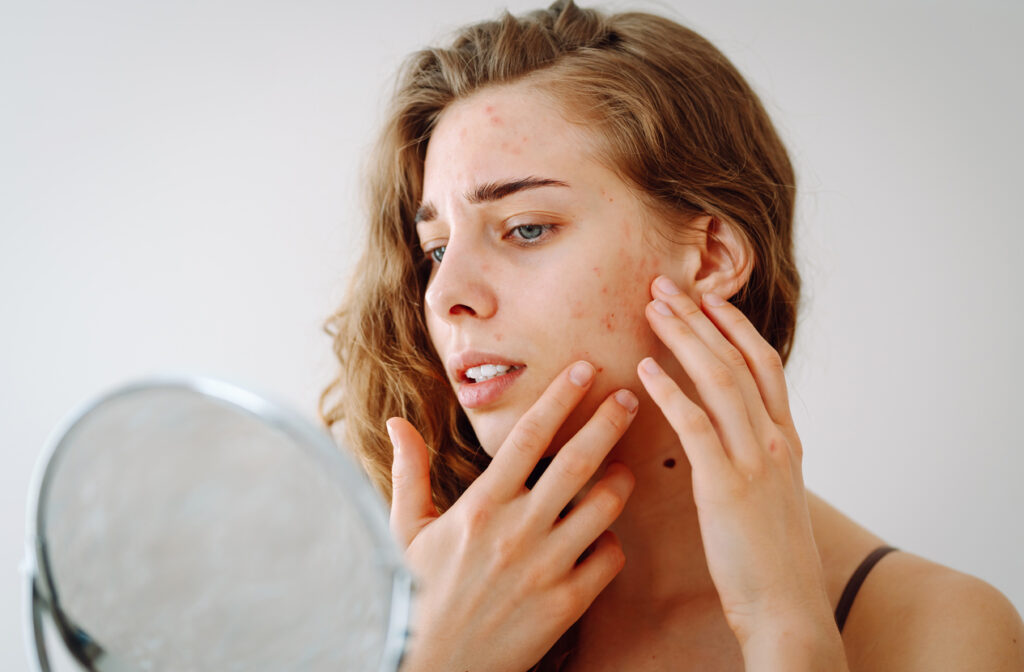
The “T-zone” of your face—forehead, nose, and chin—has more oil-producing glands and is more prone to acne triggered by stress, lack of sleep, and gut imbalances. When women experience breakouts specifically along the jawline, it often indicates shifting hormone levels, hormonal imbalances, or polycystic ovarian syndrome.
The location of your acne isn’t random. It provides clues about what’s happening internally. Addressing the root cause rather than just treating the surface symptoms leads to more effective long-term results.
13. Dry, cracked lips signal dehydration and thyroid problems.
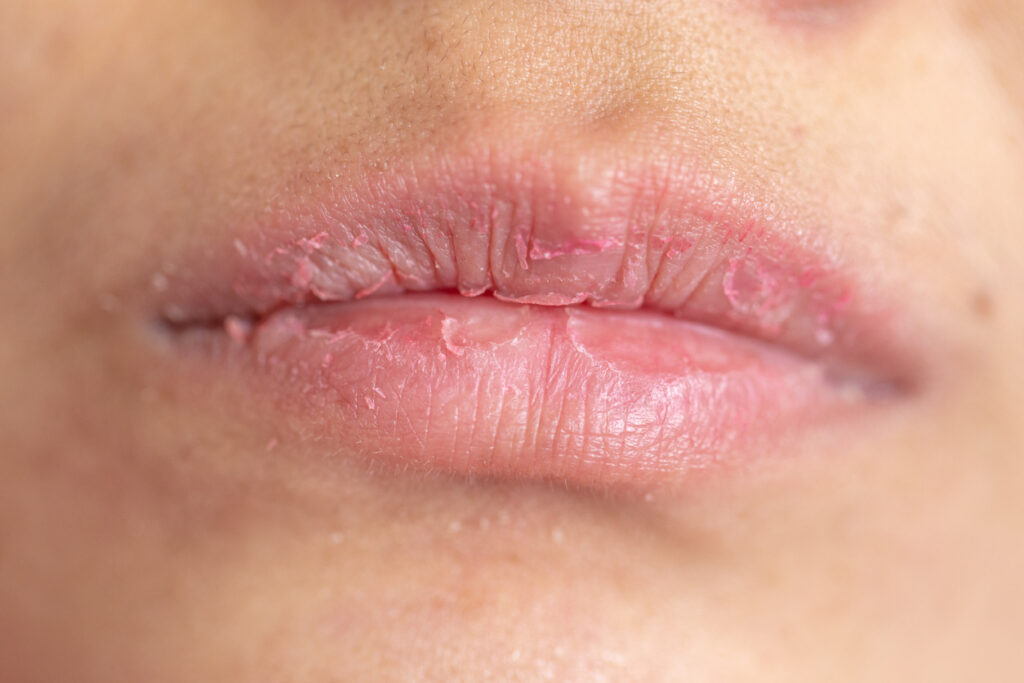
Dry lips often indicate internal dryness rather than environmental changes, with dehydration being a common culprit that causes lips to dry out and crack. Chronic dry, chapped lips can also indicate hypothyroidism, where insufficient thyroid hormone production causes symptoms including weight gain, fatigue, and consistently feeling cold.
If dryness is accompanied by frequent urination, extreme thirst, and blurry vision, you may have developed diabetes. Your lips are often the first place your body shows signs of systemic dehydration or metabolic problems.
14. Facial skin changes reveal serious autoimmune conditions.

Scleroderma affects facial skin by causing tightening and hardening that creates a waxy, mask-like appearance, along with visible small blood vessels and circulation problems that make the nose and lips turn pale or blue when cold. The condition can also cause difficulty opening or moving the mouth and painful, tight skin that affects sensitive areas around the eyes and mouth.
These dramatic facial changes reflect an autoimmune condition where your body attacks its own connective tissues, causing overproduction of collagen that makes skin thick and hard. Early recognition and treatment can help manage symptoms and prevent progression.