Britain has long been proud of certain values that seemed to define national character, but many of them have pretty much disappeared lately.

Social changes, political turbulence, and everyday pressures have eaten away at traditions that once felt unshakeable in the UK, and we’re seeing the negative effects of it on a daily basis. Things aren’t what they used to be, largely because these things we used to take for granted are suddenly gone.
1. The idea of fair play

Fair play was once seen as central to British identity, from sportsmanship to everyday life. However, scandals in politics, business, and even sport have destroyed the sense that fairness is taken seriously at every level.
People increasingly feel that rules bend for some and not for others. When fairness is compromised, trust weakens, and the principle that everyone should get a fair shot starts to feel more like nostalgia than reality.
2. Respecting personal space

Brits were once famous for queuing politely and keeping a respectful distance. Since the pandemic, queues have often become rushed, and crowded commutes or shops reveal how fragile the culture of personal space has become.
Respecting boundaries still matters, but it feels more strained now. With pressure, busyness, and frustration on the rise, the quiet courtesy of waiting your turn is no longer guaranteed in daily life.
3. Belief in public service

There used to be stronger respect for public roles like teachers, nurses, and postal workers. Years of underfunding and political debate have eaten away at the sense that public service is a valued calling rather than a struggling sector.
When people working in these fields feel demoralised, society loses something bigger. The decline of respect for public service reflects how the UK’s priorities have changed from collective good to individual gain.
4. Pride in community spirit
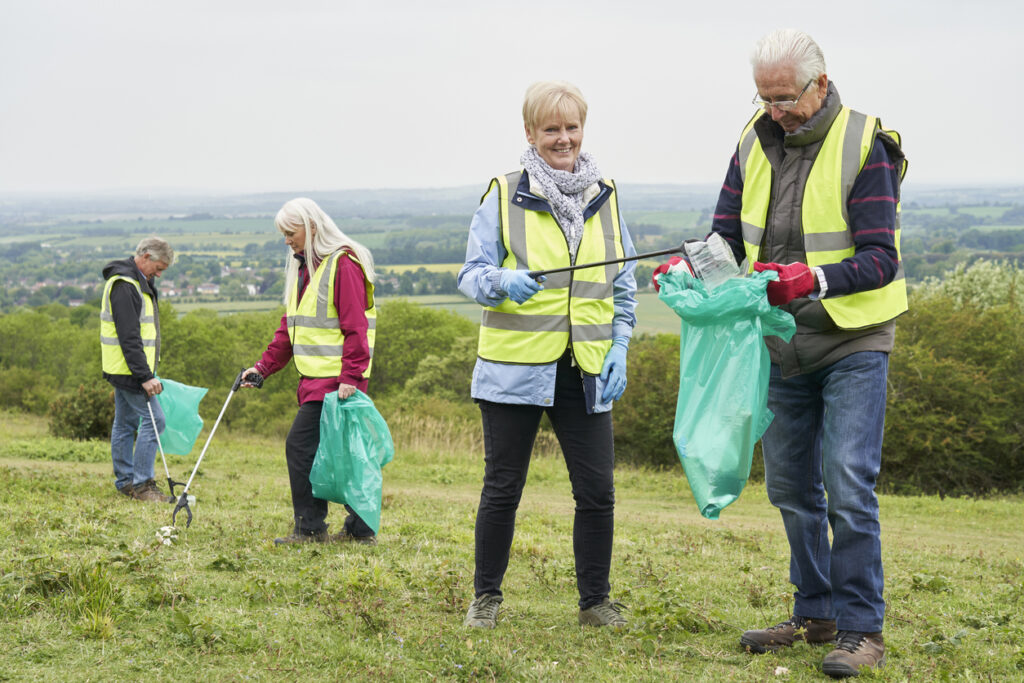
Neighbourhood support once felt like a hallmark of British life. Today, fast-paced lifestyles and transient housing mean fewer people know their neighbours or get involved in local community efforts.
Community spirit isn’t gone entirely, but it takes more deliberate effort. Without the casual everyday support that once tied people together, isolation grows, and the old sense of “looking out for one another” feels harder to find.
5. Respect for institutions

British institutions, from Parliament to the BBC, once carried an aura of trustworthiness. Repeated scandals, accusations of bias, and constant political upheaval have damaged that respect, leaving people far more sceptical of traditional authority.
This scepticism makes it hard for institutions to hold the same influence they once did. When trust is lost, it isn’t easily rebuilt, and the old deference to authority is largely gone.
6. Courtesy in public life

Politeness was often considered a defining national trait, yet public life has become louder and more combative. Online culture has amplified bluntness, while everyday manners sometimes feel like an afterthought in rushed, crowded spaces.
Courtesy hasn’t vanished completely, but it no longer defines interactions the way it once did. Where kindness and civility used to be expected, people now brace for rudeness as often as they anticipate respect.
7. Respecting privacy

There was a time when privacy was seen as sacred. In an age of constant online sharing and surveillance, the idea that personal lives remain personal has weakened dramatically.
That change means people feel more exposed. With social media documenting nearly everything, and with institutions tracking data constantly, the value of privacy feels more fragile than ever before.
8. The stiff upper lip

The old idea of maintaining composure through hardship has softened. While openness about mental health is positive, the once-cherished value of stoicism is no longer seen as the same point of pride it once was.
People now lean toward honesty about struggles rather than silence. It reflects progress in some ways, but it also signals the fading of a cultural identity that once defined Britain’s approach to adversity.
9. Value placed on craftsmanship

British goods once carried a reputation for quality and longevity. Mass production, outsourcing, and the pressure of cheap pricing have made traditional craftsmanship less central to everyday life and culture.
While pockets of it remain, especially in niche trades, the broader national pride in craft has slipped. Quality often gives way to speed and cost, and with it, a piece of cultural identity fades.
10. Pride in public spaces

Parks, town centres, and shared spaces once symbolised local pride. Years of funding cuts and neglect have left many in disrepair, with littering and antisocial behaviour destroying the sense of shared responsibility.
Without investment and respect, public spaces lose their role as gathering points. The decline reflects more than budget issues, it signals how communal pride has slipped away from everyday values.
11. The value of modesty

Modesty in behaviour and lifestyle was once seen as a national trait. Today, the rise of influencer culture and social media has placed self-promotion above humility, skewing the balance toward visibility over quiet achievement.
Ambition isn’t the problem, but flaunting it changes the cultural tone. Where modesty once held respect, attention-seeking now dominates, leaving the older value looking out of step with modern life.
12. Deference to expertise

Once, professional expertise carried unquestioned weight. Today, experts are often challenged, doubted, or disregarded, whether in science, medicine, or politics. The cultural respect for “those who know best” has weakened significantly.
This change reflects both healthy questioning and dangerous scepticism. While debate is valuable, the erosion of trust in expertise makes it harder to unite around facts, leaving the value itself diminished.
13. Belief in steady progress

The British outlook once emphasised gradual improvement and stability. In recent years, uncertainty, rapid political upheaval, and economic pressures have undermined the belief that steady progress is reliable or even possible.
Without that sense of gradual forward motion, people feel more unstable. The fading of this value reflects broader social unease, where long-term optimism has been replaced with short-term doubt.
14. Valuing quiet resilience

Resilience was once admired as the ability to carry on without fuss. Today, the cultural shift towards visibility and constant commentary has changed how resilience looks, making quiet perseverance feel less recognised.
Resilience hasn’t vanished, but the way it’s expressed has. The quieter, understated approach has been overshadowed by louder displays, leaving the traditional British version of it less celebrated than before.