
Wedding toasts have the power to make people cry happy tears or just make them cringe into their champagne, and the line between heartfelt and horrifying is thinner than most people realise. You might think you’re being funny or touching, but wedding audiences are particularly unforgiving when it comes to speeches that go off the rails.
1. Telling embarrassing stories about past relationships
Mentioning the bride’s ex-boyfriends or the groom’s dating disasters might seem like harmless fun to you, but it makes everyone uncomfortable and can genuinely upset the couple. Wedding guests don’t want to hear about previous relationships, and neither do the grandparents.
Stick to stories that celebrate the couple’s relationship with each other. You really don’t need to (and shouldn’t) rehash their romantic history with other people. If you can’t think of good stories that don’t involve exes, you probably shouldn’t be giving a toast.
2. Making it all about yourself and your friendship
Spending most of your speech talking about your own memories and experiences with the bride or groom turns their special moment into your personal spotlight time. Nobody cares about that time you and the groom got drunk in college unless it directly relates to why he’s perfect for his new wife.
Keep the focus on the couple and their relationship, instead of using their wedding as an opportunity to reminisce about your glory days. Your friendship stories should support your point about why they’re great together, not just be random memory sharing.
3. Going on way too long because you didn’t prepare
Rambling speeches that meander through endless stories without any clear point lose the audience and make people start checking their phones. Wedding toasts should be 2-3 minutes maximum, which means you need to plan what you’re going to say rather than just winging it.
Write down your main points and practise timing yourself because speeches always feel shorter when you’re giving them than when you’re listening to them. Have a clear beginning, middle, and end instead of just talking until you run out of things to say.
4. Trying to be a stand-up comedian when you’re not funny
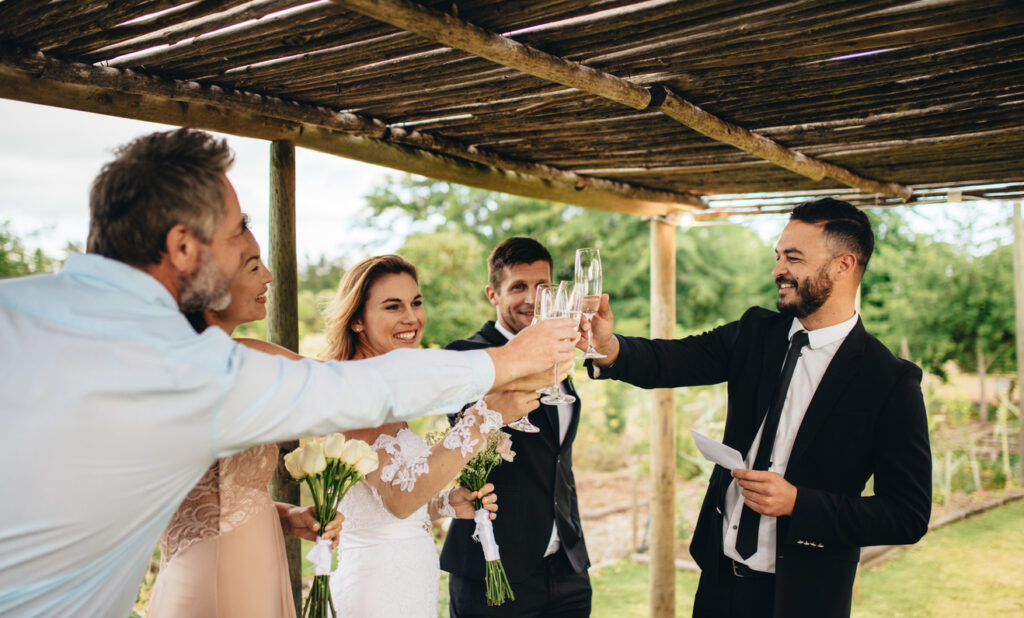
Attempting jokes that fall flat creates awkward silence that’s painful for everyone, especially when you keep trying to get laughs that aren’t coming. Wedding humour needs to be gentle and inclusive, not edgy or controversial.
If you’re not naturally funny, focus on being sincere instead of trying to get big laughs. A heartfelt, genuine toast always works better than bad comedy attempts that make people uncomfortable.
5. Drinking too much before you speak
Liquid courage often turns into liquid disaster when you’re slurring words, losing your train of thought, or saying inappropriate things you’ll regret later. Drunk toasts are memorable for all the wrong reasons and can damage relationships permanently.
Have one drink maximum before speaking, and save the celebration drinking for after you’ve successfully delivered your toast. Your speech should be coherent and respectful, not a showcase of how much champagne you can handle.
6. Bringing up sensitive family drama or past conflicts
Mentioning family feuds, financial problems, health issues, or other sensitive topics turns a celebration into an awkward therapy session. Weddings are meant to be happy occasions where people forget about problems for a few hours.
If you know about family drama or difficult situations, pretend you don’t know about them during your toast. Focus on positive aspects of the couple’s relationship and future. Acknowledging any elephants in the room is totally unnecessary.
7. Making inside jokes that nobody else understands

References that only you and the couple get might seem clever, but they alienate everyone else at the wedding and make your toast feel exclusive and kind of annoying. Wedding speeches should work for the entire audience, not just your inner circle.
Choose stories and references that most of the guests can understand and appreciate. If you have to explain the joke or story, it’s probably not right for a wedding toast.
8. Being negative about marriage in general
Jokes about “ball and chain” marriage stereotypes or warnings about how hard marriage is might seem harmless, but they’re tired clichés that don’t land well at celebrations of new marriages. Nobody wants to hear pessimistic marriage advice at a wedding.
Keep your toast positive and supportive, instead of making jokes about marriage being a trap or burden. If you’re cynical about marriage, keep those thoughts to yourself during someone else’s wedding celebration.
9. Forgetting to actually toast the couple at the end
Some people get so caught up in their stories that they forget to finish with an actual toast asking everyone to raise their glasses. It leaves the audience hanging and wondering if they should be drinking or waiting for more speech.
End clearly by asking everyone to raise their glasses and toasting the couple’s happiness, future, or specific qualities you admire about their relationship. Give people a clear cue that it’s time to drink and applaud.
10. Reading directly from your phone the entire time
Staring down at your phone screen and reading word-for-word makes your toast feel impersonal and disconnected from the moment. Eye contact with the couple and guests makes your speech feel genuine rather than like you’re reading someone else’s words.
Write notes on paper if you need them, and practise enough that you can look up frequently and speak naturally. Your toast should feel conversational, not like a formal presentation you’re reading to strangers.
11. Mentioning how much you hate weddings or public speaking

Starting your toast by complaining about having to give a speech or saying how much you hate these events sets a negative tone and makes everyone feel awkward. Your personal discomfort with public speaking isn’t the couple’s problem to solve.
Begin with something positive about the couple or the celebration, not your own anxiety about speaking. If you’re nervous, practise beforehand so you don’t end up making your nerves part of the performance.
12. Ending abruptly without any conclusion
Stopping mid-thought or trailing off without a proper ending leaves everyone confused about whether you’re finished and creates awkward silence while people figure out if they should clap. Strong endings make toasts memorable for good reasons.
Plan your conclusion in advance, and practise ending confidently with a clear statement about the couple’s future happiness. Your last sentence should feel final and give the audience permission to celebrate.