Keeping a spare key nearby feels like common sense. Everyone has locked themselves out at some point, and the thought of being stranded on your own doorstep isn’t pleasant. A hidden key seems like a clever solution, but the problem is, most hiding spots people use are exactly the same ones burglars know to check. What feels convenient to you looks like an open invitation to anyone trying their luck.
That doesn’t mean you should avoid keeping a backup altogether. It just means you need to think carefully about where that spare lives. Security experts often stress that burglars don’t waste time. They’ll look in the obvious places first, and if your key is there, you’ve made their job a lot easier. Here are the worst hiding spots for a spare key, along with safer alternatives that give you peace of mind without leaving your home vulnerable.
1. Under the doormat
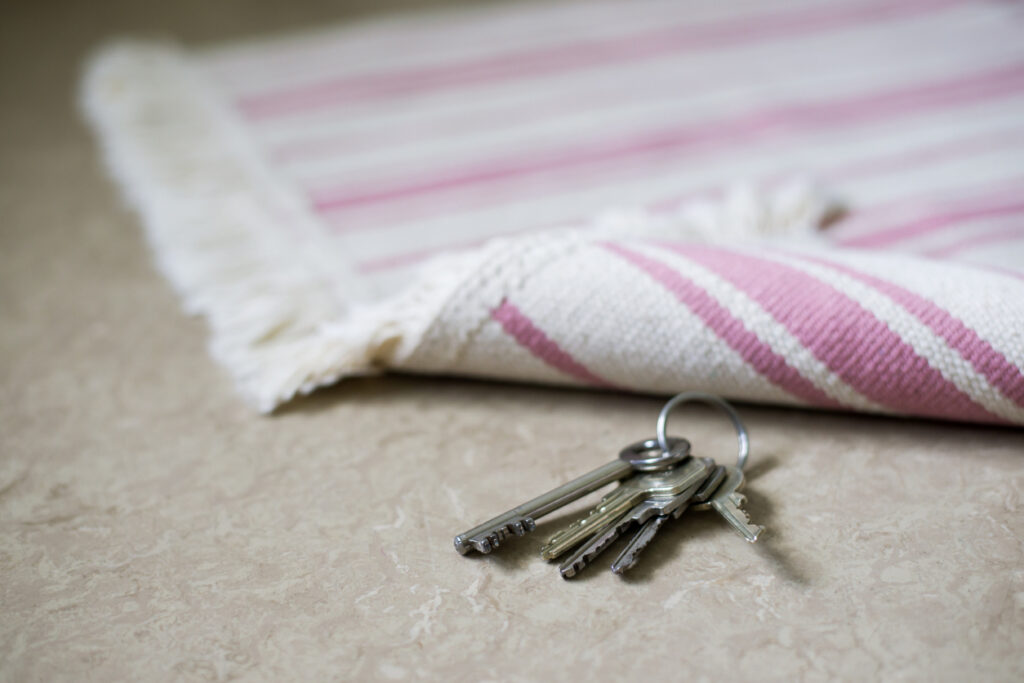
This is the oldest trick in the book, and that’s exactly the problem. Doormats have been used as hiding places for decades, which means it’s the first place anyone will check, whether that’s a neighbour looking to help you out or someone with less innocent intentions. A mat lifts up in seconds, so a thief could be inside your house before you’ve even realised the key is missing.
The better approach is to remove the temptation entirely. Instead of relying on a mat, hand a spare key to a trusted neighbour or friend who lives nearby. That way, you still have an easy solution if you get locked out, but it’s not one that leaves your home open to anyone passing by your front door.
2. Inside a plant pot
It might feel a bit more inventive, but a plant pot by the door is nearly as predictable as a doormat. Burglars know to tip over pots, scrape at the soil, or check beneath saucers. And since pots are usually lightweight and close to the entryway, it only takes a moment to inspect them.
A safer choice is to invest in a proper key lockbox. These are small, secure containers designed specifically for storing keys, often with a code or combination lock. When fitted in a discreet spot, they keep your spare key accessible without leaving it unprotected in plain sight.
3. On top of the door frame
Placing a key on top of the door frame might feel clever. After all, it’s out of sight unless you reach up. However, it’s also within easy reach for anyone tall enough or motivated enough to check. Burglars know this trick, and the few extra seconds it takes to feel along the top is worth it to them.
A stronger alternative is to keep a spare key somewhere not directly connected to the house itself. Many people choose their car’s glove compartment, for example. While not foolproof, it does add a layer of separation and makes it much harder for a burglar to stumble across your spare while trying to enter your home.
4. Beneath a fake rock
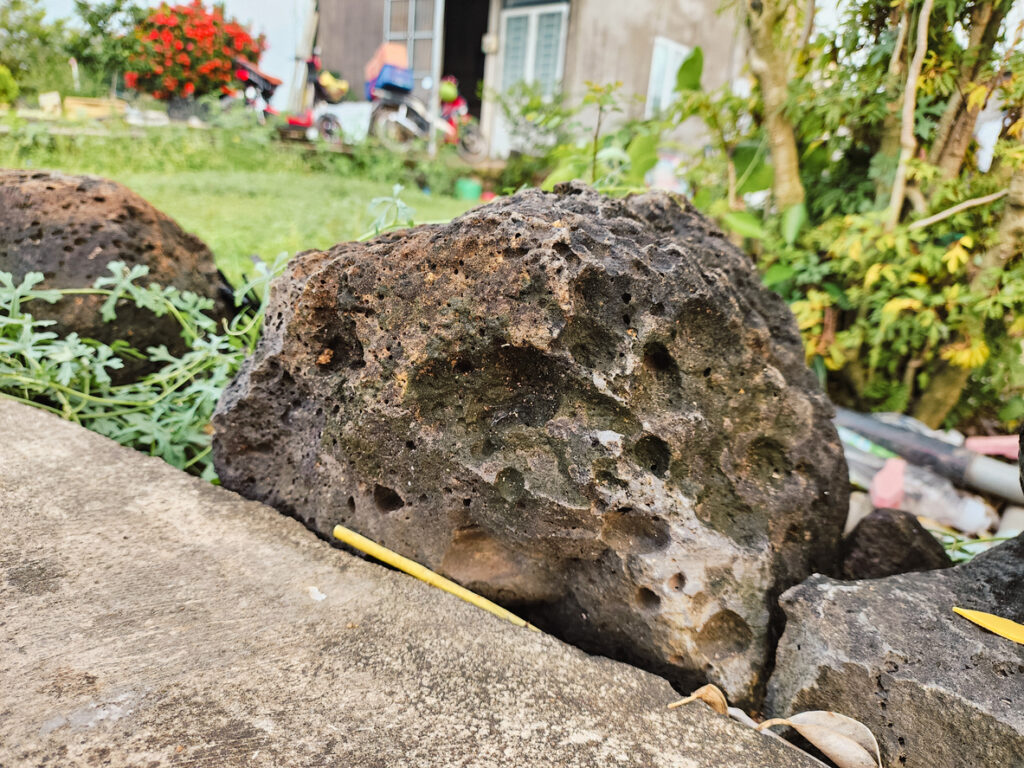
Novelty “key rocks” might seem like a smart idea when you first see them in the shop, but in practice, they’re one of the worst solutions. They rarely blend in naturally, especially in a British garden, where genuine rocks don’t usually look like moulded plastic with a hidden compartment. Anyone snooping around will spot it quickly.
If you like the idea of something disguised, opt for a more professional lockbox designed to blend in. Some models are made to look like outdoor junction boxes or mounted fixtures, and when fixed securely in place, they’re much harder to tamper with than a hollow rock sitting loosely by the path.
5. Under outdoor furniture
Chairs, benches, or tables might feel like safe places to tuck away a key, but they’re easily moved. Burglars know to check under them, and in many gardens, there are only a handful of spots furniture could realistically hide something. With a quick lift or glance, your key could be found.
A smarter move is to think off-site. For instance, leaving a spare key at your workplace means you have a backup without putting your property at direct risk. It might take a little longer to retrieve, but it avoids the risk of an intruder using your own garden furniture against you.
6. In the letterbox
Popping a key through the letterbox might seem discreet since it’s out of sight, tucked away. Sadly, it’s actually one of the least secure places to leave it. Many burglars use simple tools to reach inside letterboxes, and a loose key would be an easy prize. Worse still, it could fall to the floor inside, where anyone peering through could spot it.
The safer option here is a mounted key safe. These are weatherproof, tamper-resistant, and lock with a code only you or trusted people know. Placed in a discreet location, they allow access when needed without creating unnecessary risk.
7. Beneath a welcome mat or rug indoors
Some people think that if they hide a spare just inside the door, under a mat or rug, it’s less obvious. Of course, once someone has broken into a porch or even forced the outer door, they’ll immediately find the key to the inner one. It’s essentially handing them entry to the rest of the house.
Instead of doubling down on hidden spares indoors, consider upgrading your entry system entirely. Smart locks are becoming increasingly affordable and allow you to manage access digitally. No keys left lying around, no need to remember hiding spots, just a code or app-based entry that you can control securely.
8. In the garage
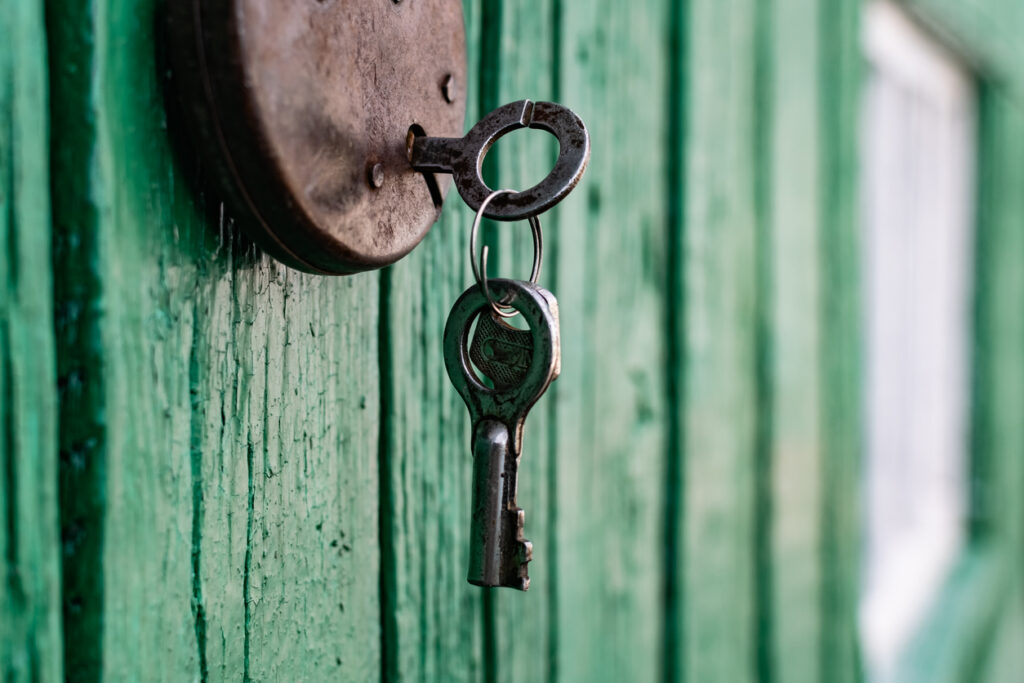
Garages often feel safer than they really are. In many homes, the garage door or window is less secure than the main property, making it easier to access. If a burglar gets inside and finds a spare key waiting, they’ve now got the easiest possible entry into your house.
A much better solution is to keep your spare with a relative nearby. It adds a step, but it also means your backup is stored somewhere an opportunistic burglar can’t stumble across while scanning your property.
9. Taped under the bin
At first glance, taping a key under a wheelie bin might sound like genius. Who would think to check there, right? The reality is, burglars do. Bins are one of the first places they’ll look, especially because they’re easy to move and often out of sight of the house. Plus, keys can easily come loose when bins are dragged to the kerb, potentially leaving them exposed for anyone to find.
Instead, if you like the idea of outdoor storage, stick with a professional outdoor lockbox. Choose one that’s fixed in place in a location not visible from the street. That way, you maintain the convenience of on-site access without the risk of losing the key altogether.
10. In the shed
Sheds are one of the weakest links in home security. They’re often locked with flimsy padlocks or, in some cases, left unlocked entirely. For burglars, sheds are easy targets, and if yours contains a spare house key, you’ve given them instant access to your property.
This is another scenario where rethinking the need for a physical spare entirely can be the safest route. A digital smart lock removes the problem at its root. You don’t need to worry about where the spare lives because there isn’t one. It’s a simple upgrade that brings lasting peace of mind.