Fireworks season turns many pets into trembling wrecks who hide under beds, destroy furniture, or try to escape through windows, and the usual advice to “just ignore it” doesn’t help when your dog is having a full meltdown. The good news is that you can actually do quite a lot to help your pet cope better, but it requires planning ahead rather than scrambling for solutions when the bangs start.
Start desensitisation training well before fireworks season.
Play firework sounds at very low volume while your pet is relaxed and doing something enjoyable like eating or playing. Gradually increase the volume over weeks or months, always keeping your pet comfortable and rewarding calm behaviour with treats and praise.
Don’t rush this process or skip straight to loud volumes because that can make the fear worse rather than better. If your pet shows any stress signs, reduce the volume and go slower with the training.
Create a safe hiding spot before you need it.
Set up a quiet, enclosed space where your pet can retreat when they feel scared – under stairs, in a bathroom, or even a large cardboard box with blankets. Make this space comfortable with their favourite bedding and leave it accessible at all times so they know where to go.
Don’t force your pet into this space or try to coax them out once they’re hiding. Let them use it as their safe zone without interference, and never punish them for hiding when they’re scared.
Exercise your pet thoroughly earlier in the day.
A tired pet is generally a calmer pet, so give them extra exercise and mental stimulation before fireworks are likely to start. A long walk, training session, or puzzle feeding can help burn off nervous energy and make them more likely to rest quietly later.
Time this exercise for afternoon rather than evening because you want your pet settled and relaxed before the noise starts. Exercising them when they’re already anxious doesn’t help and might make things worse.
Close curtains and play background noise.
Muffle the sound and block the light flashes by closing all curtains and blinds, then put on the TV, radio, or music at normal volume. The goal is to make the fireworks less noticeable rather than trying to drown them out completely with loud competing noise.
Choose calming background sounds like classical music or nature documentaries rather than action films or loud music that might add to the stress. White noise machines or apps can also help mask sudden bangs.
Stay calm and act normally yourself.
Your pet picks up on your anxiety and stress, so acting worried or overly sympathetic can actually reinforce their fear. Keep your own behaviour relaxed and normal, speaking in your usual tone rather than using baby talk or excessive comfort.
Don’t ignore your pet completely, but don’t make a huge fuss over them either. Calm, quiet acknowledgment that they’re scared without drama usually works better than either extreme reaction.
Never punish scared behaviour or try to force them to “face their fears.”
Scolding a terrified pet or dragging them outside to “show them it’s just noise” will make their fear much worse and damage their trust in you. Fear isn’t something pets can logic their way out of, and punishment during scary times creates additional negative associations.
Let your pet cope in whatever way works for them, whether that’s hiding, panting, or pacing. Their coping mechanisms might look dramatic to you, but fighting them usually makes everything worse.
Consider anxiety wraps or compression garments.
Thunder shirts and similar snug-fitting garments can help some pets feel more secure during stressful events, similar to how weighted blankets help anxious humans. The gentle pressure can have a calming effect, though it doesn’t work for every animal.
Introduce these garments during calm times first so your pet gets used to wearing them. Don’t wait until fireworks start to try putting unfamiliar clothing on an already stressed animal.
Talk to your vet about anti-anxiety medication.
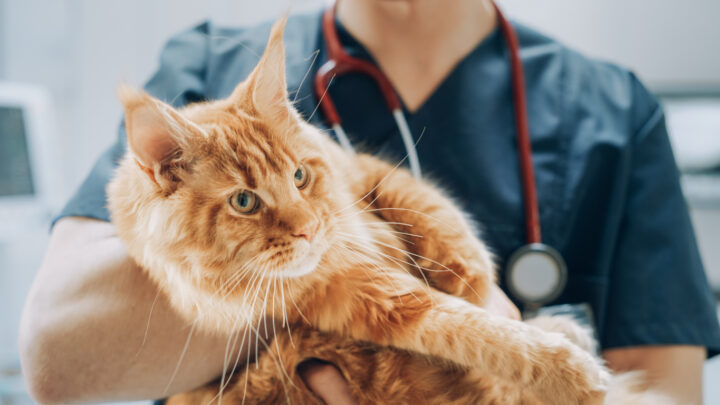
For pets with severe firework phobia, prescription medication can make the difference between manageable stress and traumatic terror. Many vets can prescribe short-term anxiety medication for firework season, or longer-term options for pets with multiple noise fears.
Plan this conversation well in advance because some medications need to be started days or weeks before the stressful event. Emergency vets on firework night aren’t usually able to provide anxiety medication for the immediate situation.
Bring outdoor pets inside during firework displays.
Cats, rabbits, and other pets who usually live outside should come inside during firework displays because the noise is louder and more frightening outdoors, and scared animals often try to escape and get lost. Even pets who prefer outdoor life usually cope better with fireworks from inside the house.
Set up temporary indoor spaces with litter trays, food, and hiding spots for pets who aren’t used to being inside. It’s better to deal with temporary indoor accidents than to lose a pet who bolted in fear.
Don’t leave pets alone during major firework displays.
Pets can injure themselves trying to escape when they’re terrified and alone, and having someone present often helps them feel more secure, even if you’re not actively comforting them. If you must go out, consider arranging for someone else to stay with your pet.
That doesn’t mean hovering over them constantly, but having a calm human presence in the house can make a significant difference to how well pets cope with scary noises.
Keep identification updated and secure your property.

More pets go missing during firework season than any other time because fear makes them bolt when they get the chance. Make sure your pet’s microchip details are current, tags are secure, and your garden fencing doesn’t have escape routes.
Check that gates latch properly and there aren’t gaps in fences that a panicked pet could squeeze through. Even indoor pets can escape through doors if they’re desperate enough to run from scary noises.
Plan ahead for the entire firework season.
Fireworks aren’t just a one-night problem in the UK, unfortunately. They often happen sporadically for weeks around events like Bonfire Night, New Year, and Diwali—in some areas of the UK, they’re a nightly occurrence from September until about February, which is a nightmare. Having a consistent plan for the entire season works better than scrambling each time your neighbour decides to set off fireworks randomly.
Check local event listings so you know when organised displays are planned, and talk to neighbours about their plans if you’re comfortable doing so. Being prepared is much more effective than being surprised.