Cleaning products pile up fast, and so do the costs.

You need separate products for kitchen surfaces, bathrooms, floors, etc., and before you know it, your cupboards are overflowing with expensive sprays and scrubs aimed at keeping your living space tidy and germ-free. However, many everyday kitchen items can actually outshine shop-bought sprays and scrubs. Here are 10 simple things already in your cupboards that clean just as well, and sometimes better.
1. White vinegar

People often spend money on limescale removers or all-purpose sprays when white vinegar does the job brilliantly. Its natural acidity breaks down grime, soap scum, and mineral deposits, leaving surfaces clear without harsh chemicals or big price tags.
Mix it with water in a spray bottle for windows, taps, or shower glass. The shine matches most branded cleaners, and the cost is pennies. Adding a few drops of essential oil helps soften the sharp smell.
2. Bicarbonate of soda
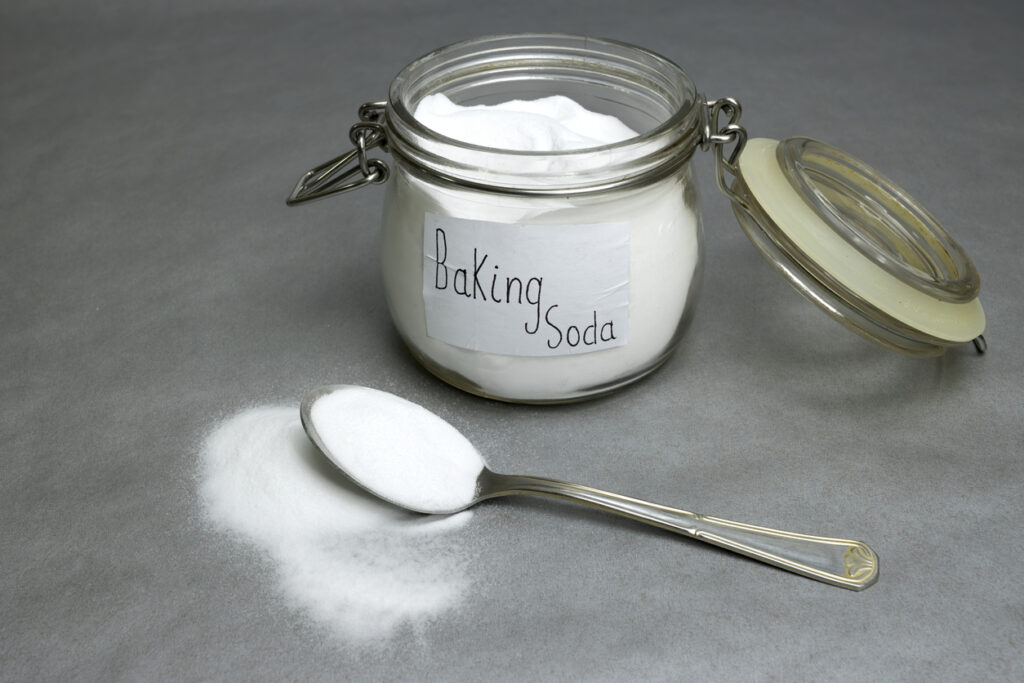
Harsh powders and scrubbing creams can scratch or cost more than they’re worth. Bicarb is gentle yet powerful, cutting through odours and stains without leaving damage behind. It’s often overlooked but works across countless surfaces.
Sprinkle it on stubborn pans, sinks, or inside fridges and let it sit before wiping. It absorbs smells and loosens grime. Combined with vinegar, it foams into a natural scrub that rivals expensive products.
3. Lemon juice
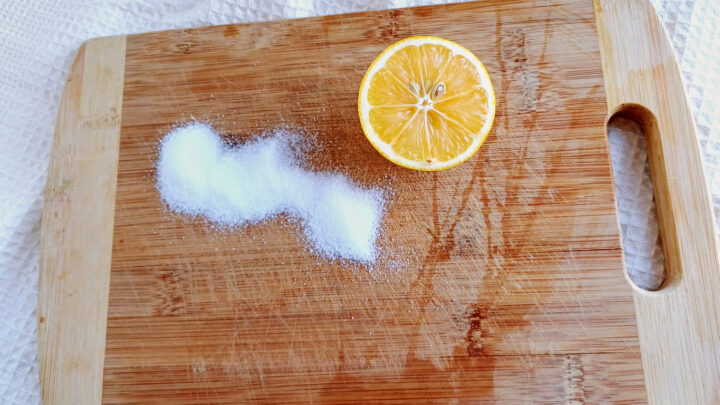
Many buy special degreasers, but lemons cut through grease naturally. The citric acid dissolves oils, kills bacteria, and leaves a fresh scent. It’s cheap, effective, and much less harsh than chemical sprays that linger in the air.
Rub half a lemon directly on chopping boards or greasy hobs. For microwaves, heat lemon slices in water, then wipe clean. The steam softens dirt and leaves a citrus scent that no shop spray can match.
4. Olive oil

People spend on polishes for wooden furniture and stainless steel, yet olive oil works just as well. A small amount buffs out smudges, restores shine, and protects wood naturally without the artificial gloss of commercial polish.
Dab it onto a cloth and wipe surfaces lightly. For wood, pair it with vinegar for a homemade polish that’s safe and effective. It leaves a natural finish that feels clean rather than coated.
5. Salt
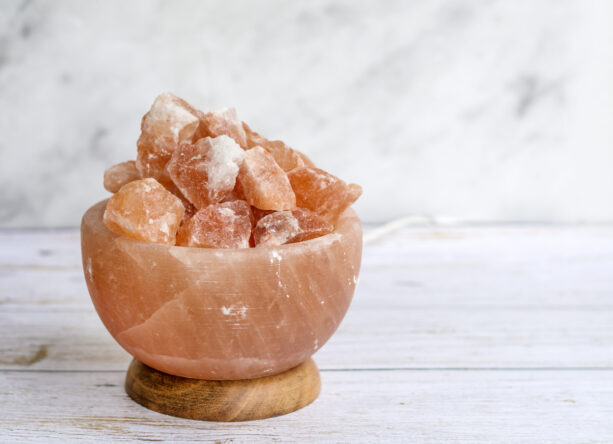
When scrubbing pans or tough stains, people often turn to harsh cleaners that corrode over time. Salt is a simple abrasive that tackles grime without damaging surfaces. It’s coarse enough to clean, but gentle compared to chemical scouring agents.
Sprinkle it directly on cutting boards or into stained mugs and scrub with a damp cloth. It lifts residue and restores surfaces. On cast iron pans, salt clears grease without stripping the seasoning layer.
6. Coffee grounds
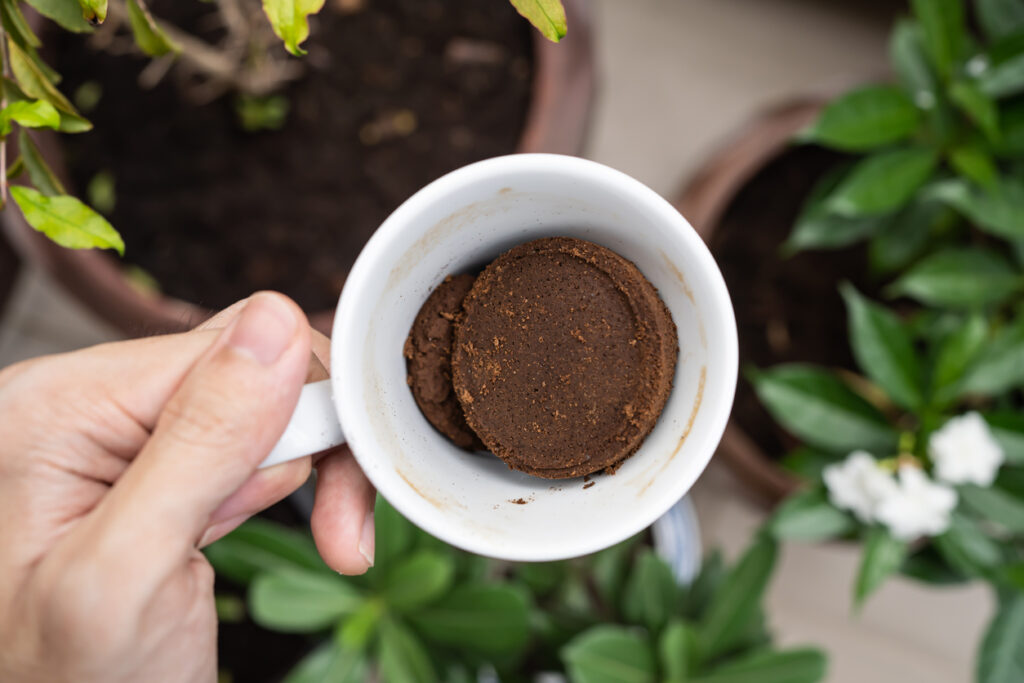
Deodorisers and scrub products can be pricey, but leftover coffee grounds do both jobs. Their rough texture helps scrub dirt, while the grounds naturally absorb odours, giving them a second use before heading to the bin.
Rub them on hands after chopping onions or garlic to remove smells. Use them on pans or sinks for a gentle scrub. Even leaving a bowl in the fridge helps absorb unwanted odours without chemicals.
7. Cornstarch
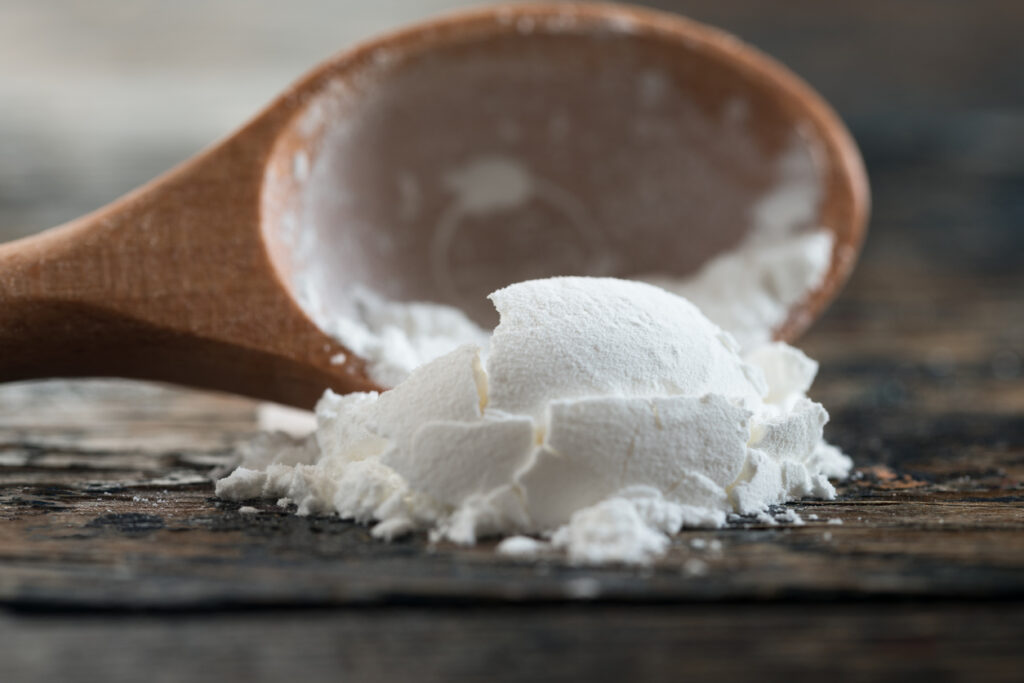
People buy sprays to polish glass, mirrors, and even carpets, but cornstarch handles those tasks surprisingly well. Its fine powder absorbs grease, lifts stains, and buffs surfaces to a streak-free finish.
Sprinkle it onto rugs, let sit, then vacuum to refresh fibres. Mixed with water, it creates a paste for polishing glass or stainless steel. It’s cheap, simple, and multipurpose — far beyond its use in cooking.
8. Rice
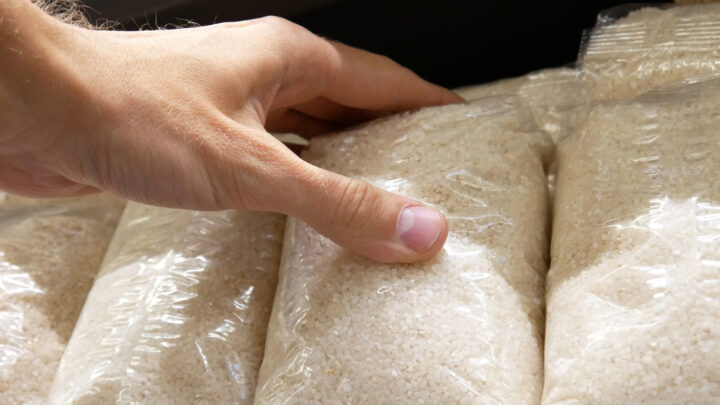
Bottle brushes and cleaning tools can add up, especially for items with awkward shapes. Dry rice grains offer a clever solution, acting as a natural scrub when shaken inside containers that are difficult to reach.
Pour some into vases, flasks, or bottles with warm soapy water and swirl. The grains scrub the interior without scratching, cleaning spots sponges can’t reach. It’s a zero-waste trick that avoids buying extra tools.
9. Toothpaste
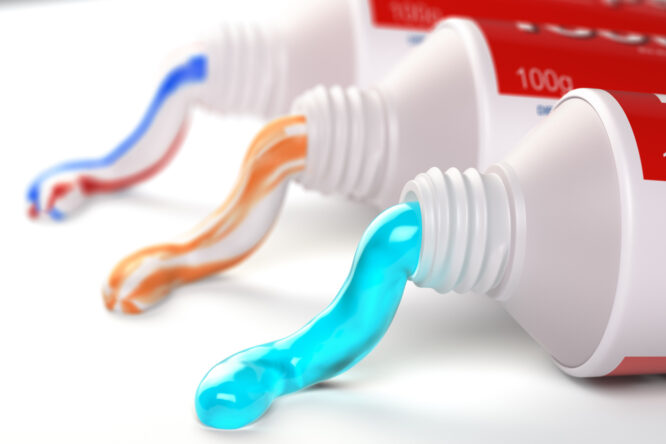
Specialised silver polishes and stain removers are expensive, but regular white toothpaste works well. Its mild abrasives lift tarnish, whiten surfaces, and polish without the harshness of stronger cleaning products.
Apply a small amount to silver jewellery, sneakers, or bathroom taps with a cloth, then rinse. It restores shine and removes marks easily. Avoid gel or whitening pastes — plain is best for cleaning jobs.
10. Club soda

Stain removers for fabric and upholstery often cost a fortune, yet club soda has long been a reliable stand-in. Its fizz lifts stains gently without damaging materials, making it useful for everyday spills.
Blot it onto carpet or fabric stains as soon as they happen. It loosens residue and prevents marks from setting in. Keeping a bottle on hand saves both money and panic when accidents strike.