Senior dogs deserve a home that supports their changing needs.

After all, much like humans, ageing often brings stiffness, slower movement, and less energy. Simple adjustments make a big difference, helping them stay happy, safe, and comfortable as they move into their later years. Here are some easy ways to keep them cosy and comfy in their twilight years.
1. Provide supportive bedding.
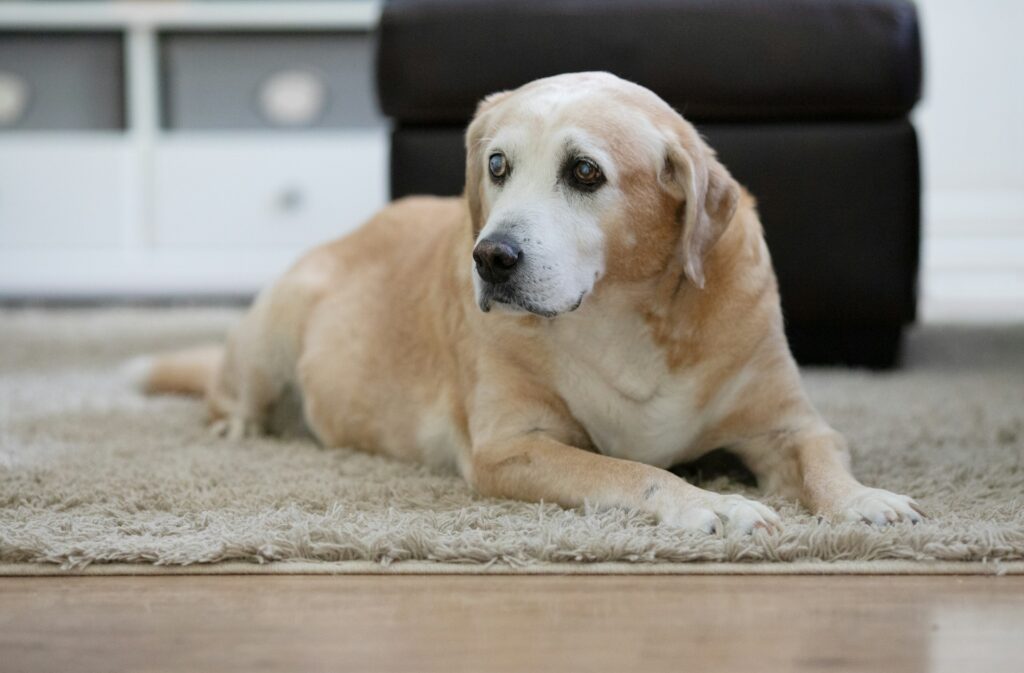
Older dogs often struggle with stiff joints and achy muscles, especially after long naps. Sleeping on thin mats or cold, hard floors makes this worse, leaving them sore and sluggish when they get up. Without decent support, their bodies never quite get the rest they need, which can affect their mood and mobility.
A good orthopaedic or memory foam bed makes all the difference. These beds cushion their bodies and ease pressure on sensitive joints. Putting the bed somewhere warm and quiet gives your dog a reliable retreat, where they can properly relax and recharge without being disturbed.
2. Keep food and water accessible at all times.
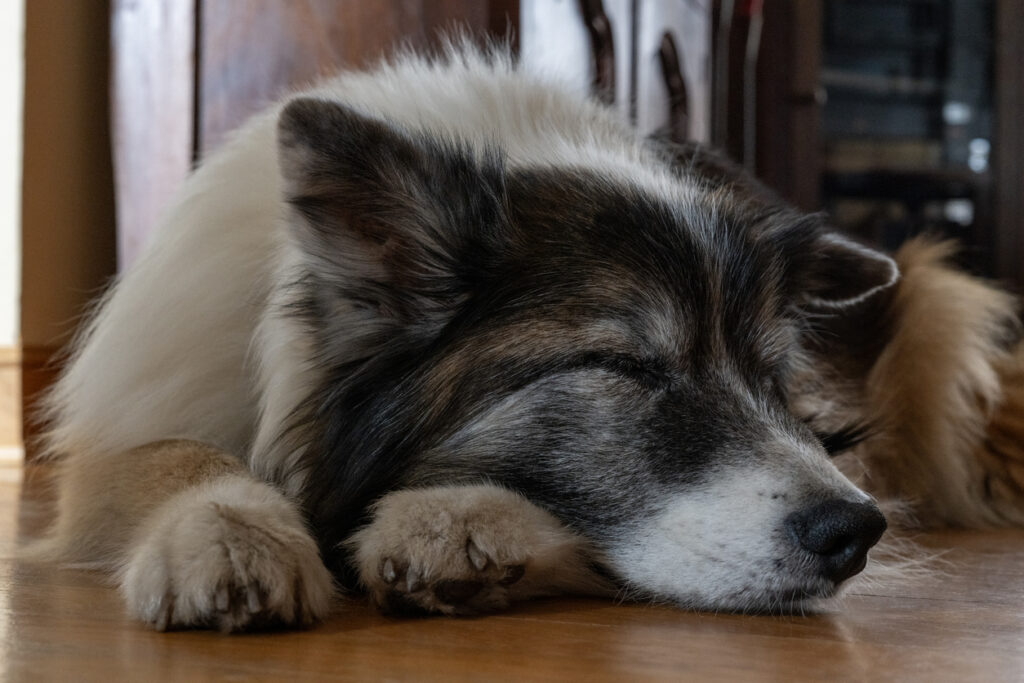
Something as simple as the placement of food and water bowls can be a struggle for senior dogs. If bowls are too low or tucked away in awkward spots, it can be uncomfortable for them to bend or stretch. In the long run, that discomfort can lead to eating less and drinking too little.
Raised bowls or sturdy mats can make mealtimes much easier. Keeping their essentials in spots they can easily reach encourages steady eating and drinking, which supports their health and energy. It’s a small adjustment that helps keep daily routines smooth and stress-free.
3. Add non-slip rugs and mats.
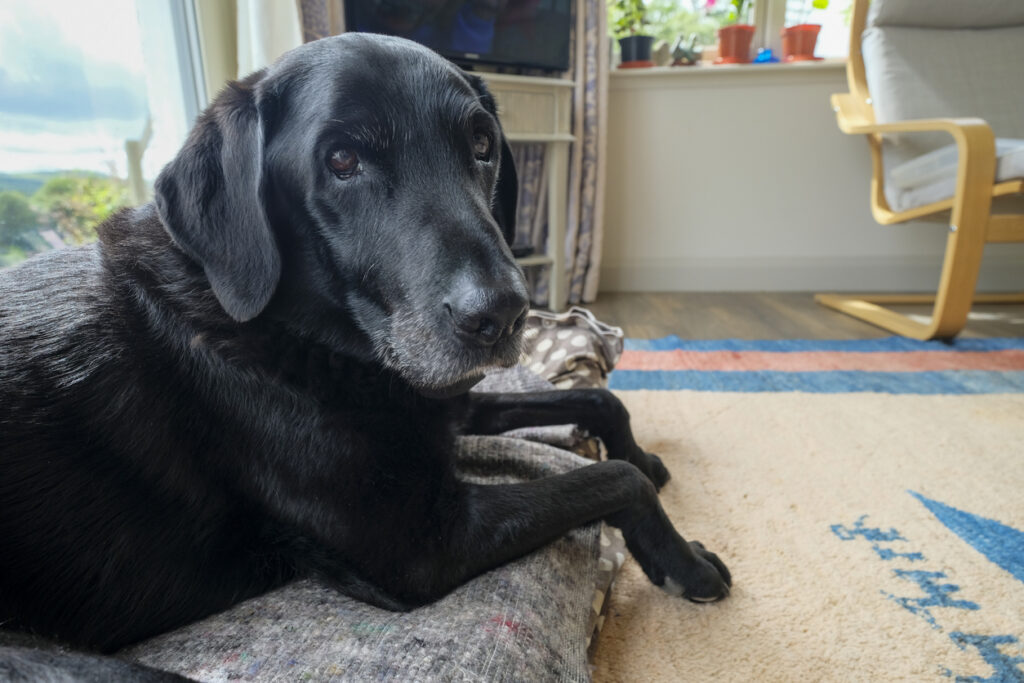
Slippery floors are a real hazard for older dogs, especially those dealing with arthritis or muscle weakness. One slip can leave them frightened and reluctant to move around as freely as they used to. Watching your dog shuffle nervously across tiles or wooden floors is a clear sign they need extra help.
Placing non-slip rugs or mats in busy areas of the house gives them safe pathways. These additions help them stay steady on their feet and reduce the risk of falls. It’s a simple way to give them back their confidence when moving from room to room.
4. Use ramps for stairs and furniture.
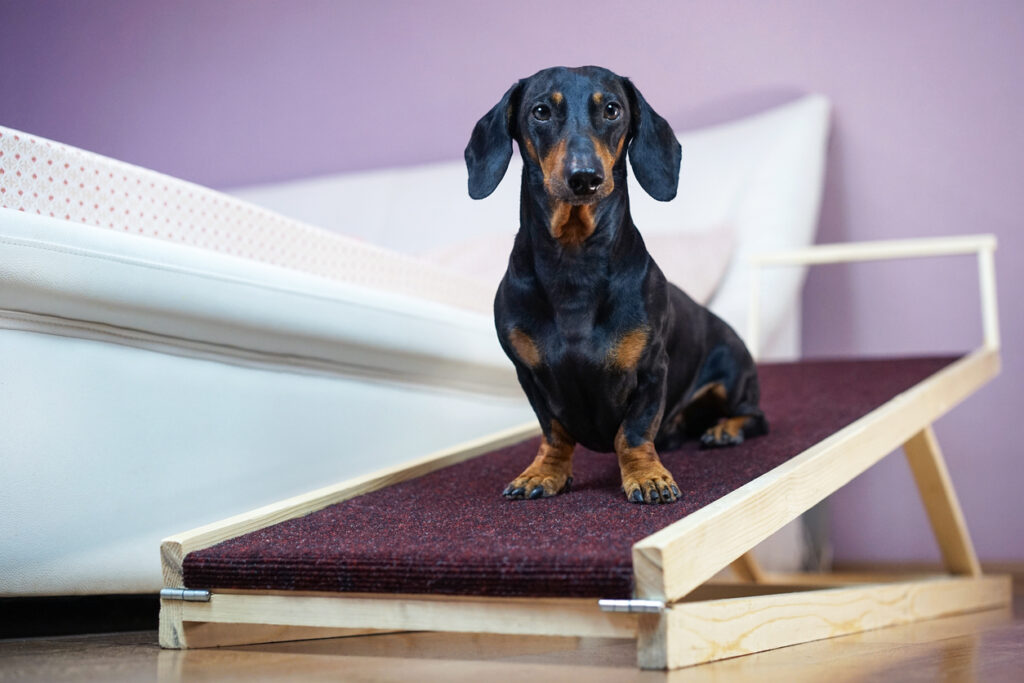
Climbing stairs or leaping onto furniture gets harder as dogs age. What once came naturally can become painful, risky, or even impossible. Forcing them to keep trying risks injury and makes daily life more frustrating for them.
Adding ramps or pet steps takes away the struggle. Whether it’s access to the sofa, bed, or back garden steps, ramps let your dog move around safely. It helps them stick to their usual routines without putting extra strain on their body.
5. Maintain a comfortable temperature.
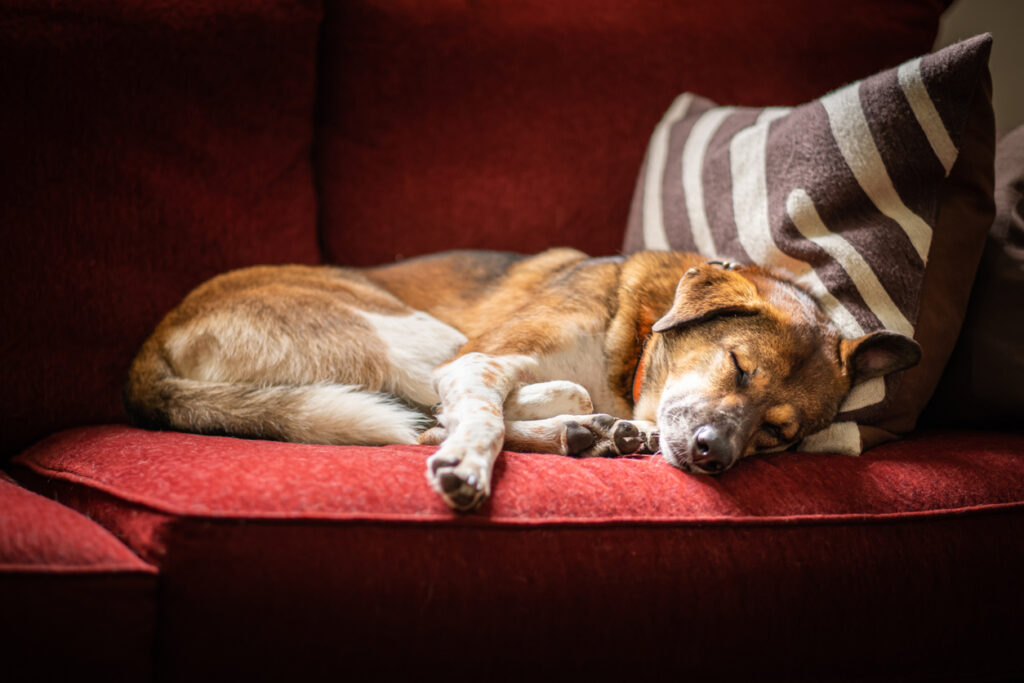
Ageing dogs are more sensitive to temperature changes than younger ones. In winter, they may feel the cold more, while in summer, they can overheat quickly. Being too hot or too cold can leave them unsettled and, in extreme cases, unwell.
Keeping your home at a steady, comfortable temperature makes a big difference. Cosy blankets and draught-free spots help in colder months, while fans or shaded areas provide relief in summer. These little adjustments help keep your dog content all year round.
6. Offer easy access to the garden or other outdoor space for when they need it.
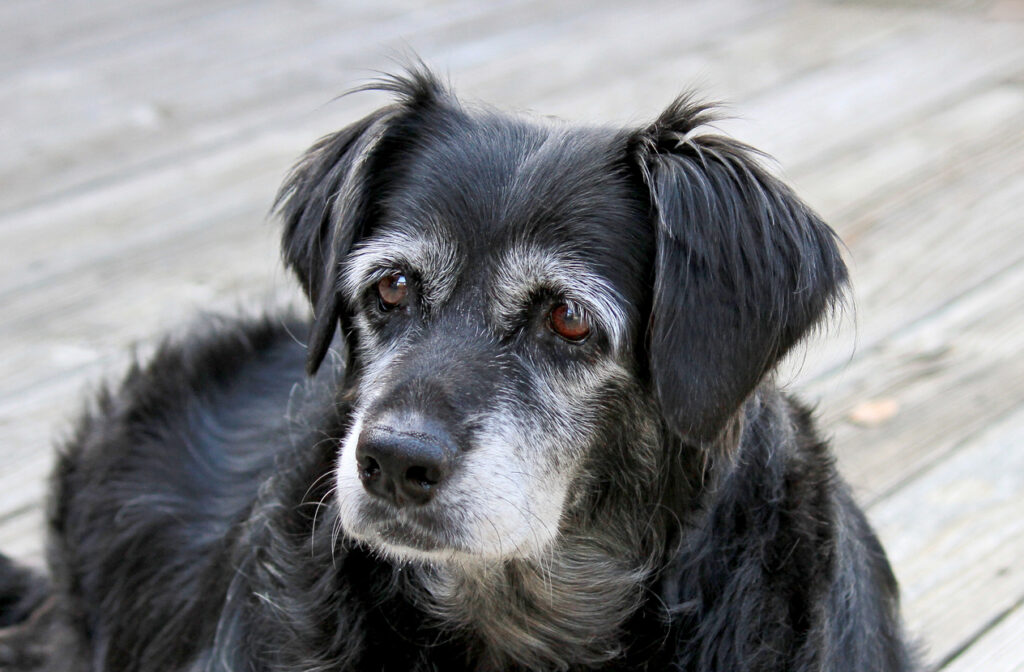
Senior dogs often need more frequent toilet breaks, and getting outside can become a challenge if the garden isn’t easy to access. Struggling to get there in time can cause accidents, which are stressful for both dogs and their owners.
Creating a straightforward route outside takes away that pressure. Whether it’s a dog flap, a ramp, or just keeping doors clear, the easier it is for them to get out, the more comfortable and relaxed they’ll feel.
7. Keep essentials on one floor.
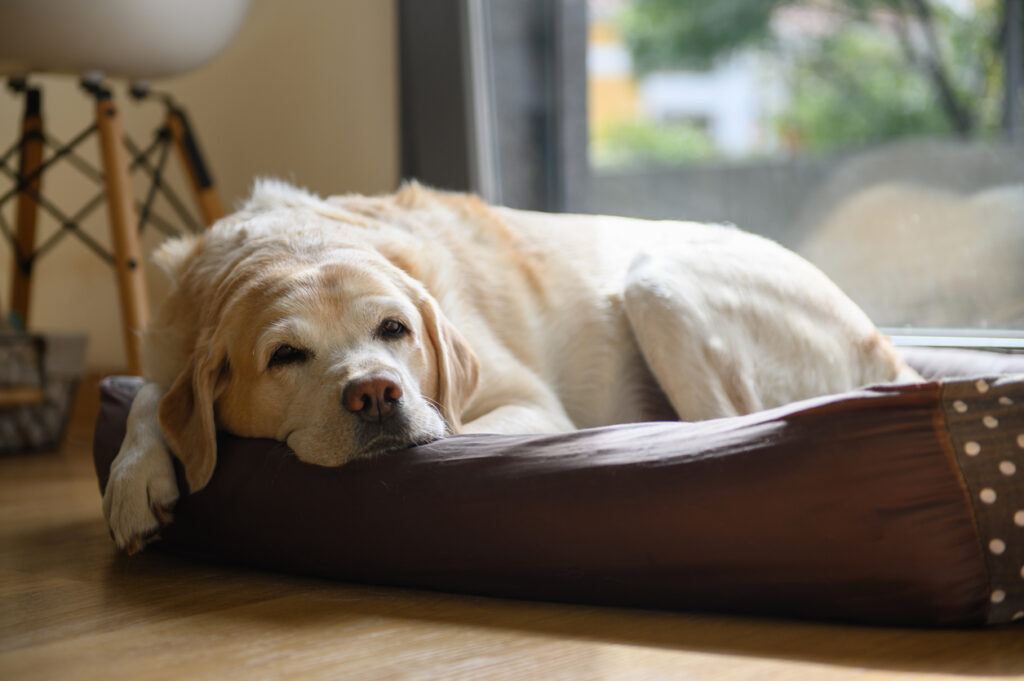
For older dogs, stairs can feel like mountains. Climbing up and down to reach their bed, toys, or food bowls quickly becomes exhausting and sometimes painful. Making them go through that every day isn’t fair on their ageing bodies.
By keeping everything they need on one floor, you make life easier for them. Having food, water, and bedding within reach avoids unnecessary strain and helps them feel safe and settled in their own space.
8. Provide gentle lighting at night.
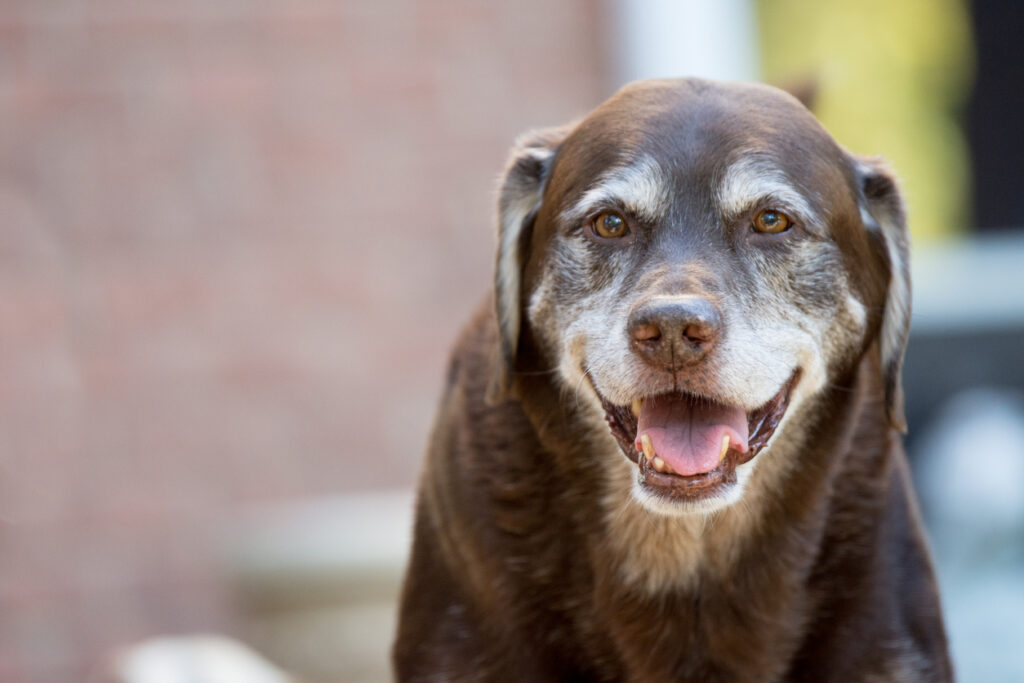
Poor eyesight is common in senior dogs, and moving around in the dark can leave them anxious. Shadows and dark corners may confuse them, making them hesitate or stumble when they try to walk at night.
Placing night lights in key areas like hallways, feeding spots, or near stairs makes navigation safer. Soft lighting prevents accidents and reassures your dog, helping them feel secure even when the house is quiet and dark.
9. Keep noise levels calm.

Hearing often changes as dogs age, and they can become more sensitive to sudden or loud sounds. Busy, noisy environments can make them anxious, leaving them unsettled and disrupting their rest.
Creating calmer spaces gives them a sense of peace. Turning down the volume, providing quiet corners, or avoiding sudden bursts of noise helps your dog feel relaxed. It makes the home a more comfortable place for them to spend their later years.
10. Adjust playtime to their pace.
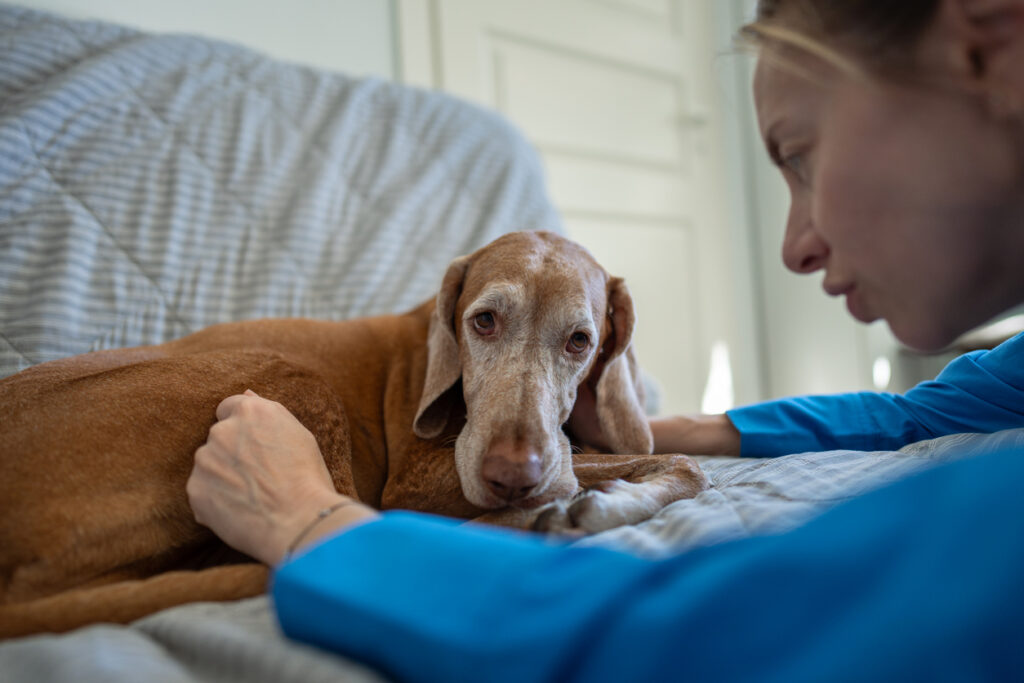
Older dogs may not be able to chase balls or run for hours like they used to. Pushing them to keep up with their younger selves risks overexertion and sore joints, which takes the fun out of playtime.
Adapting games to suit their energy levels keeps them engaged without straining their bodies. Slower games, puzzle toys, or gentle tug-of-war sessions give them the enjoyment of play while matching their pace.
11. Keep grooming routines gentle.
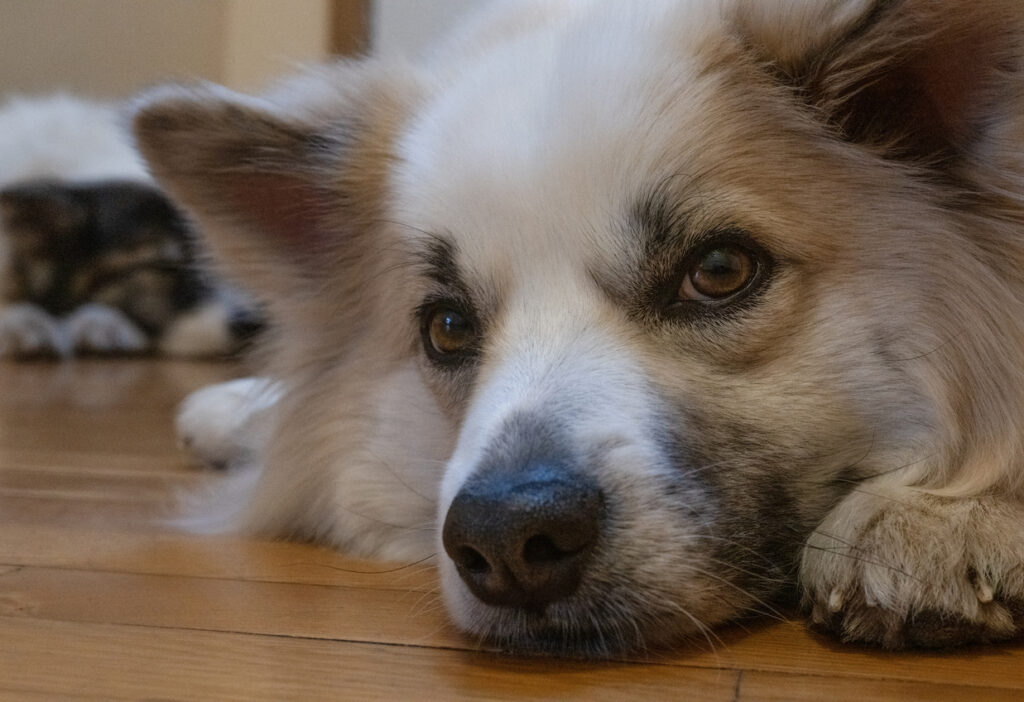
As dogs get older, grooming can become more of a challenge. Stiff joints make certain positions uncomfortable, and sensitive skin means rough brushes can cause pain. What should be soothing can quickly become stressful if handled carelessly.
Using softer tools and taking your time makes a huge difference. Supporting their body while you brush and moving slowly helps them relax. Grooming then becomes a pleasant routine again, rather than something they dread.
12. Offer safe resting spaces.
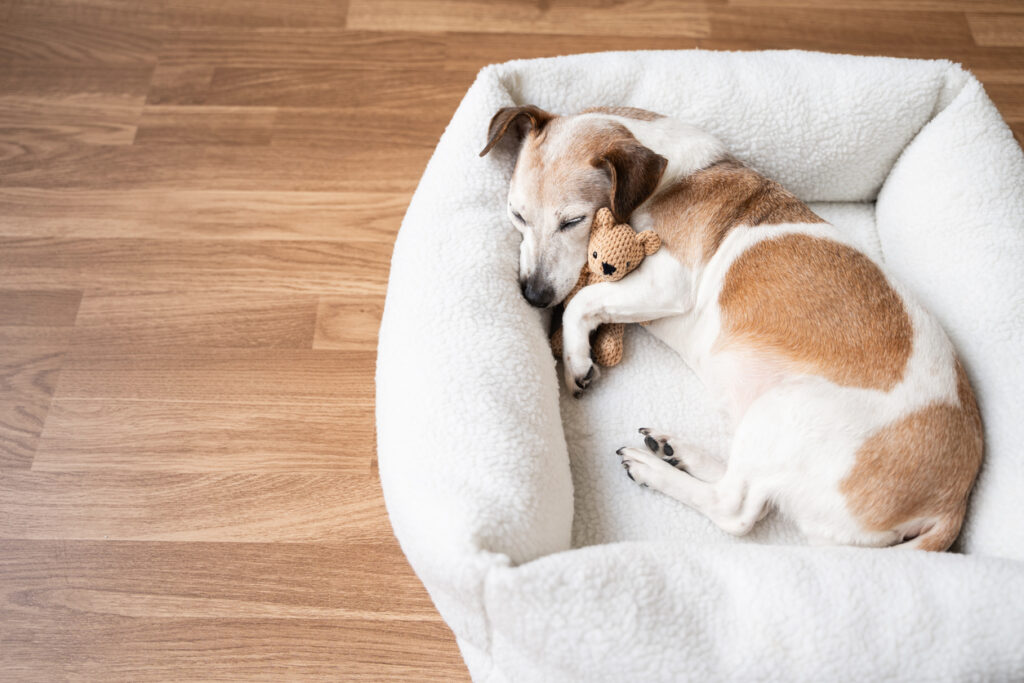
Busy areas full of noise and clutter can make rest difficult for older dogs. If they can’t find a quiet place, they may struggle to properly recharge, which affects both their energy and mood.
Setting up a calm corner just for them gives them security. A soft bed away from household traffic lets them retreat whenever they need peace, balancing family life with the downtime they now need more often.
13. Keep routines consistent.
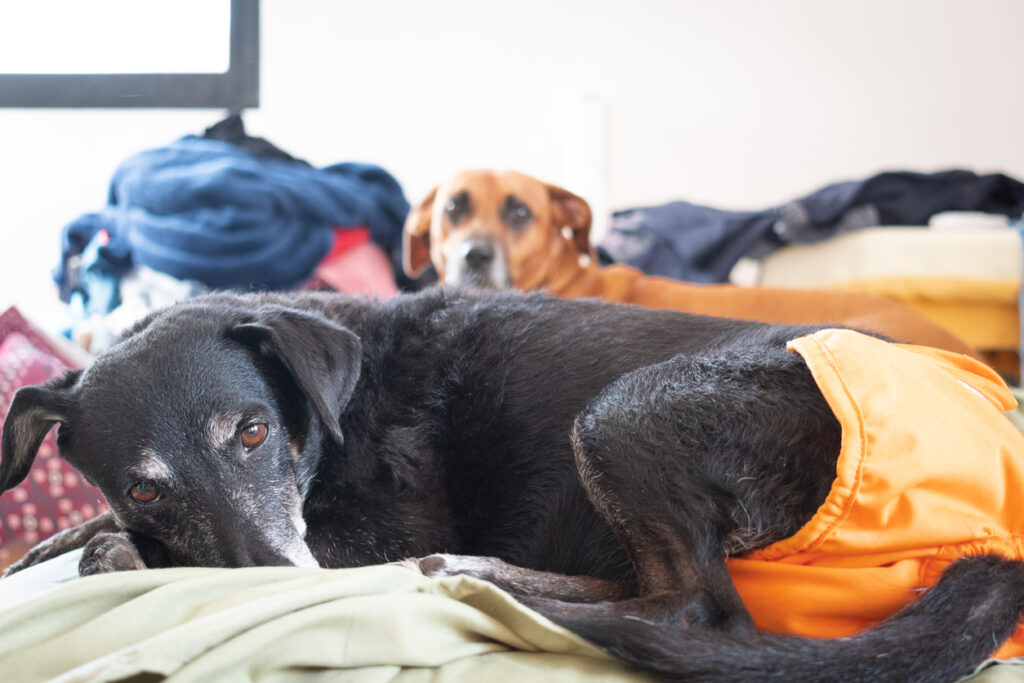
Ageing dogs rely more on routine than ever. If mealtimes, walks, or bedtime keep changing, they may become unsettled or anxious. Predictability gives them comfort, while disruption makes life harder.
Sticking to a steady daily pattern helps them feel secure. Regular feeding times, consistent walks, and a set bedtime make the world feel safe and familiar, which is exactly what older dogs need most.