Your car sits there most of the time doing absolutely nothing except costing you money.

With everything getting more expensive by the day, it makes perfect sense to find ways to make that four-wheeled money drain actually pay for itself. The good news is there are loads of legitimate ways to turn your motor into a proper earner, but there are also some serious legal requirements and potential pitfalls that could land you in trouble with the authorities, your insurance company, or HMRC.
Understanding what’s actually allowed and what could get you prosecuted helps you make smart decisions about monetising your vehicle without accidentally breaking laws you didn’t even know existed.
1. Private hire driving needs proper licensing and costs serious money upfront

You can’t just start picking up pre-booked passengers through apps like Uber or Bolt without jumping through massive legal hoops first, because you can be prosecuted if you work as a taxi or PHV driver without a driver licence. Getting licensed involves background checks, medical examinations, and often English language tests that can drag on for months.
You usually need to have held a full British or Northern Ireland driving licence (or a full EU driving licence) for at least 12 months, and the whole licensing process can cost around £700 including all the tests and checks. Then you need specialist hire and reward insurance on top that can cost from £170 per month upwards, which makes this option expensive before you even start earning.
2. Food delivery driving is simpler, but still needs commercial insurance.

Delivering for companies like Deliveroo, Just Eat, or UberEats is much easier to get into than passenger transport, but you absolutely must get hire and reward insurance because standard car insurance doesn’t cover commercial activities. You may need a private hire licence, courier or hire & reward insurance, and an MOT certificate to get started legally.
You will also have to pay additional insurance while driving for profit, as your standard car insurance won’t cover you for ‘hire and reward’ services. The insurance typically costs around £1 per hour and gets monitored through apps that track when you’re working, but it’s absolutely necessary because driving without proper coverage could void your entire policy.
3. Car sharing platforms handle the legal complications for you.

Renting your car out through peer-to-peer platforms like Hiyacar when you’re not using it’s perfectly legal and can be quite profitable. You can earn £35-£50 per day for renting out your car, after any commission or fees, with some car owners in London earning up to £550 a month, and car owners outside London, earning up to £300 a month.
The platforms handle most of the insurance complications for you, though apps take a commission of 30-40%. You’ll need to declare this income to HMRC for tax purposes, but the platforms usually provide the documentation you need, and the whole setup is designed to keep you on the right side of the law without loads of paperwork.
4. Car advertising has restrictions but decent earning potential.

Companies will pay you to display their branding on your vehicle, and this is legal as long as the advertisements don’t obstruct your view or breach local advertising regulations. Estimated income ranges from £100 – £200 per month, though earnings typically range from £50 to £150 per month, depending on location and exposure.
You’ll need to inform your insurance company about the advertising because it’s considered a vehicle modification, and you may also need to declare advertising income to HMRC if it’s not part of your regular employment. The income is taxable, and you can’t have advertisements with flashing lights or moving parts that might distract other drivers.
5. Parking space rental is surprisingly profitable in the right locations.

If you have a driveway or parking space you’re not always using, platforms like JustPark and YourParkingSpace let you rent it out to people who need somewhere to park. Depending on where you live and the demand, you could earn anything from £6-£40 per day, with a typical residential drive near a train station could earn around £6 per day, whereas a Central London address could net an average of £40 per day.
This is particularly lucrative if you live near transport hubs, stadiums, or entertainment venues where parking is scarce and expensive. The platforms handle payments and bookings for a small commission, and while the income counts as taxable earnings, it’s generally hassle-free money if you’re in the right location.
6. Courier work offers decent money but comes with business responsibilities.

Working as a courier delivering parcels for companies or through platforms like Amazon Flex is legal but requires proper commercial insurance coverage. The average salary for a UK courier is £25,000, though this varies significantly based on how much time you invest and what type of deliveries you handle.
You’ll need goods-in-transit insurance and hire and reward coverage because you’re transporting other people’s property commercially. Remember, if you do become a courier, don’t forget to notify the Inland Revenue so you’re paying the right amount of tax and won’t get a nasty fine later. The work offers flexibility but comes with proper business obligations.
7. Driving instruction requires extensive qualification but offers great earning potential.

Teaching people to drive can be extremely lucrative, but in the UK, you must become an approved driving instructor (ADI) if you want to charge people for driving lessons. You can’t legally take payment for driving instruction without being properly qualified and registered with the DVSA.
Benefits include flexible working hours, the chance to be your own boss, and potential earnings of £20-£30,000. The qualification process involves passing theory and practical tests plus ongoing professional development, but the investment can be worthwhile if you enjoy teaching and have the patience for new drivers.
8. Moving services need comprehensive commercial insurance.

Using your car to help people move house or transport furniture for payment makes you a commercial goods carrier, which requires goods-in-transit insurance and public liability coverage. Even if you’re just using a regular car rather than a van, you need commercial insurance because you’re responsible for other people’s belongings.
Many people don’t realise that helping someone move for payment completely changes your legal status and insurance requirements. Standard car insurance definitely won’t cover damage to items you’re transporting commercially, and the liability can be enormous if you’re moving expensive household items or causing damage during loading.
9. Carpooling stays legal if you stick to genuine cost-sharing.

Genuine carpooling where you share travel costs with passengers is legal as long as you’re not making a profit from it. Just check your insurance policy to ensure ride-sharing is covered, and always stick to cost-sharing rather than profit-making to stay within legal limits.
The key distinction is that you must be making a journey you would have made anyway, and you can only charge passengers a contribution towards your actual costs like fuel. If you start making regular profits or treating it like a business, you cross into commercial territory that requires proper licensing and insurance.
10. Wedding car hire is profitable, but requires full commercial setup.

Offering your classic or luxury car for weddings and special events counts as commercial vehicle hire, which requires proper business insurance and potentially commercial vehicle licensing, depending on your local authority’s requirements. This isn’t passenger transport, but you’re still running a commercial rental business with all the associated responsibilities.
Wedding car hire can be extremely profitable if you have something special like a vintage Rolls-Royce or classic sports car, but the insurance costs are significant. You’ll also need public liability insurance because weddings are high-stress events where things can go wrong, and couples won’t hesitate to sue if their special day gets ruined.
11. Car boot sales are fine until they become a proper business.

Taking part in a car boot sale is a great way to make money with your car when you’re clearing out your own possessions, and this is perfectly legal as personal sales. However, if you start regularly buying items specifically to resell at car boots or online, HMRC might consider it a business that requires tax registration.
The line between personal sales and commercial trading can be blurry, but generally if you’re making regular income from buying and selling rather than just clearing your own belongings, it becomes taxable business activity. Keeping records of what you’re selling and why helps demonstrate you’re not running an undeclared business.
12. Mobile mechanic services need full business registration.

If you have automotive repair skills, transforming your car into a mobile mechanic service can be a lucrative way to earn money, but you’ll need to register as a business and get comprehensive commercial insurance. You’ll need public liability insurance to cover potential damage to customers’ vehicles or property, plus professional indemnity insurance.
You’ll also need to register with HMRC as self-employed and potentially for VAT if your earnings exceed the threshold. The advantage is lower overhead costs than a traditional garage, but you’ll need a major investment in tools and equipment, plus all the legal responsibilities of running a service business.
13. Camper van rental requires commercial vehicle licensing.

If you own a motorhome or caravan, you can rent it out through platforms like Goboony, but this counts as commercial vehicle rental that requires proper business insurance and licensing. They charge you £15 a day for each day your vehicle has been hired and is in use, which includes all insurance, and the rest of the daily charge is yours to keep.
This type of rental can help offset the costs of owning recreational vehicles that otherwise sit unused most of the year. However, you’re running a rental business with all the associated legal responsibilities, including declaring the income to HMRC and ensuring your vehicle meets safety standards for commercial use.
14. Licensed taxi drivers face extra advertising restrictions.

While general car advertising is allowed, if you’re a licensed taxi or private hire vehicle, you need specific approval from your local licensing authority before displaying any advertising. Signs that are of an advertising nature must not be displayed upon any private hire vehicles unless approved by the TFL, and all advertising material must comply with licensing requirements.
This is because licensed vehicles are subject to stricter regulations about their appearance and branding. What might be perfectly legal on a private car could violate your taxi licence conditions, so always check with your licensing authority before accepting any advertising deals if you hold any kind of taxi licence.
15. Number plate trading follows strict DVLA procedures.
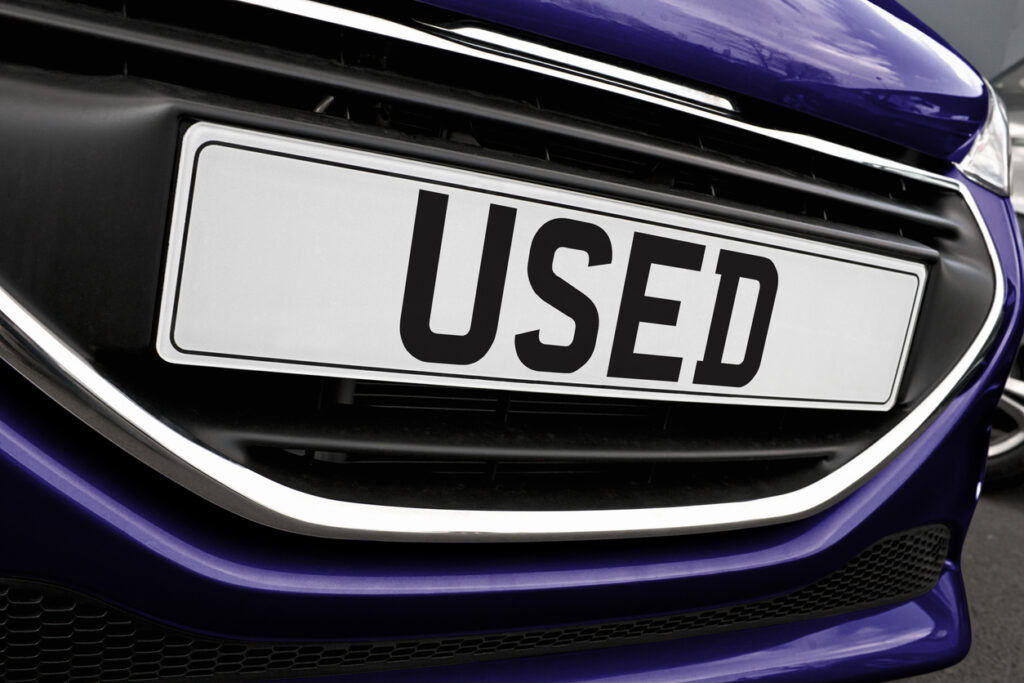
Buying and selling personal number plates can be profitable, but there are specific legal procedures you must follow through the DVLA. If you think your number plate might be worth something, you can get a free evaluation from sites such as carreg.co.uk, and investing in plates can make good money if you know what to look for.
All transfers must go through official DVLA processes with associated fees, and you can’t simply hand over plates directly to buyers. The income from buying and selling plates is taxable and should be declared to HMRC, but it’s a legitimate way to make money if you understand the market.
16. What you absolutely can’t do without risking prosecution.

You can’t pick up passengers who hail you from the street unless you have a hackney carriage (black cab) licence. That’s illegal even if you have a private hire licence and could result in prosecution and licence revocation. You can’t operate any paying passenger service without proper licensing and insurance, regardless of how informal the arrangement might seem.
You also can’t use your personal car insurance for any commercial activities whatsoever, whether that’s carrying passengers, delivering goods, or providing services. Using your car commercially without proper insurance could result in prosecution, penalty points, vehicle seizure, and personal liability for any damages or injuries that occur during commercial use.