Ask most men who cuts their hair, and you’ll get the same answer they’ve given for years.
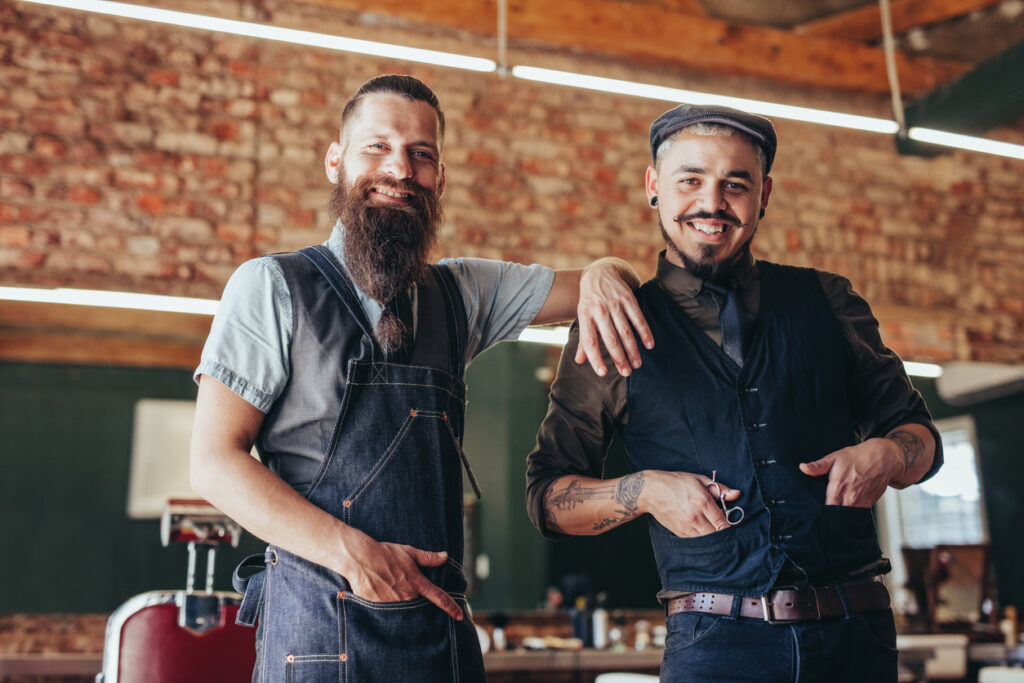
Turns out, that loyalty isn’t just in their heads, either—it’s backed by research. A study by Capital Hair & Beauty found that men are more likely to stay with their barber than with their romantic partners, proving that when a man finds someone who understands his hair, he’s not letting them go easily.
It sounds funny, but it actually says a lot about trust, comfort, and routine. Barbers become part of a man’s life in a way that goes beyond the haircut, and once that bond’s there, it’s hard to replace.
Loyalty to a barber feels simpler.
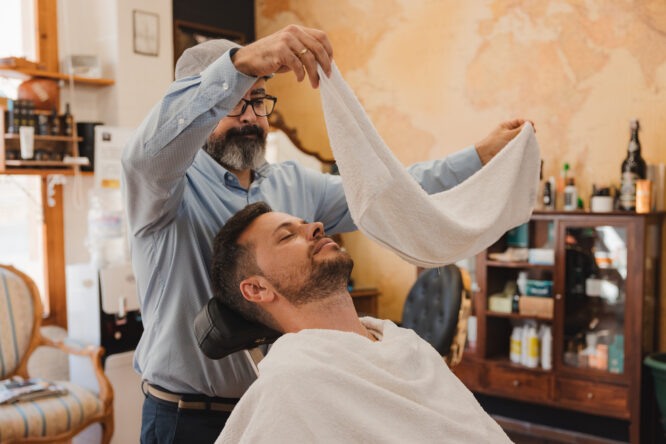
Sticking with a barber is low effort. The haircut’s reliable, the chat’s easy, and there’s no emotional drama. Compared with relationships, that kind of straightforward loyalty feels simple and stress-free for many men.
That doesn’t mean men value barbers more than partners. It shows how consistency in a low-stakes space feels comforting, while relationships naturally come with more ups and downs to navigate.
Habit builds attachment.
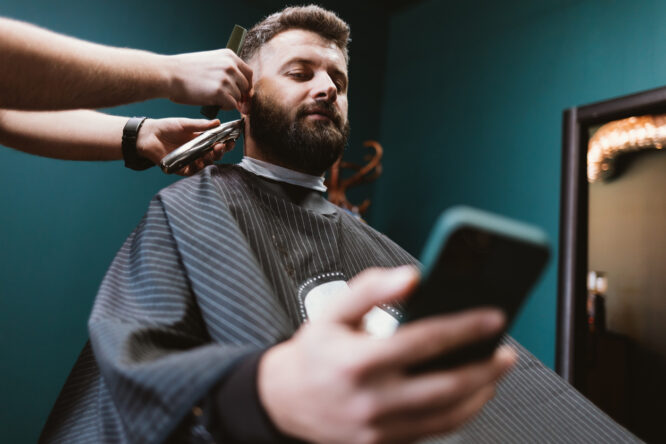
For a lot of men, the barber is part of the routine. Monthly or even weekly visits build a habit, and that habit quickly turns into loyalty. Changing feels unnecessary when the pattern already works.
It’s a reminder of how routine shapes our choices. Once something feels comfortable and familiar, people stick with it, even if there might be better options elsewhere.
Trust comes into play too.
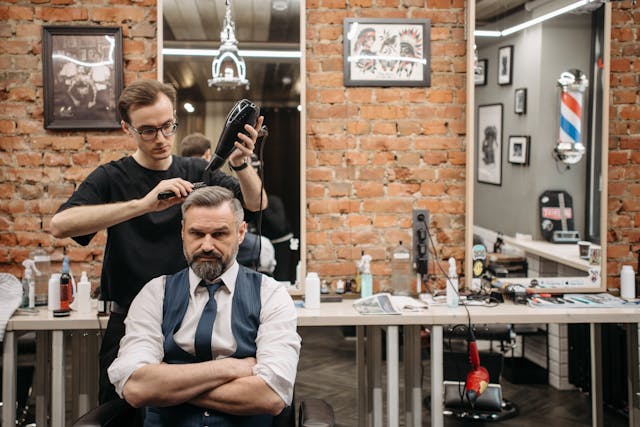
Hair is personal, and once someone gets it right, men are reluctant to risk a switch. The fear of walking out with a bad cut is enough to keep them loyal for years.
That trust shows how consistency builds security. In relationships, trust is more complex, but in the barber’s chair, it’s straightforward and easier to maintain over time.
It feels less risky to stick with a barber than a partner.
Leaving a partner involves emotions, conversations, and big changes. Leaving a barber feels like a gamble on appearance and identity. The emotional cost of ending a relationship is higher, but the day-to-day risk of switching barbers feels sharper.
It’s not really about value; it’s about comfort. Men stick where they feel safest, and a barber who knows their hair feels like a safe bet compared to starting over.
Comparisons are unfair, obviously, but funny.

Saying men are more loyal to barbers than partners makes for a great headline, but it’s not a like-for-like comparison. One involves habit and service, the other involves emotions, love, and personal growth.
That said, it hits home because many men do stay in the same barber’s chair for years, while relationships naturally shift more often. It’s the simplicity that makes the claim believable.
Stability is appealing.
When other parts of life feel unpredictable, a reliable barber provides consistency. Knowing exactly what you’ll get every few weeks feels grounding, especially when relationships or work can feel anything but stable.
That stability is what keeps people coming back. It’s not about choosing haircuts over love, it’s about enjoying a corner of life that rarely changes or disappoints.
Identity plays a role.
A haircut shapes how someone feels about themselves. A good barber understands the look and keeps it steady, which makes switching feel like a risk to identity, not just style.
That kind of investment keeps loyalty high. Men might joke about trusting their barber more than their partner, but really it’s about protecting how they see themselves day to day.
Relationships demand more effort.
Being loyal in love requires work, compromise, and emotional openness. Staying loyal to a barber just means turning up for an appointment. The balance of effort is why men laugh about barber loyalty being easier.
It’s not that they value one over the other, it’s that one feels less complicated. The barber doesn’t argue, set boundaries, or need compromise. They just deliver what’s asked for.
The humour makes it stick.
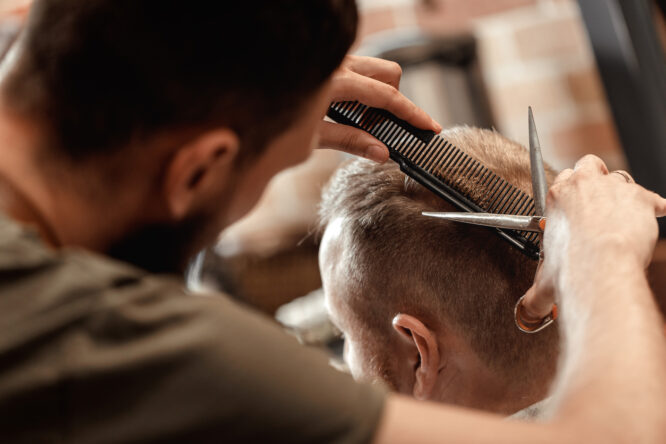
Headlines like this spread because they’re funny, not because they’re deeply scientific. The idea of men ranking their barber above their partner makes for good conversation, even if it’s exaggerated.
The humour works because there’s a grain of truth. Many men do stay with the same barber for years, but that doesn’t actually mean the relationships in their life matter less.
It highlights how people cling to the familiar.
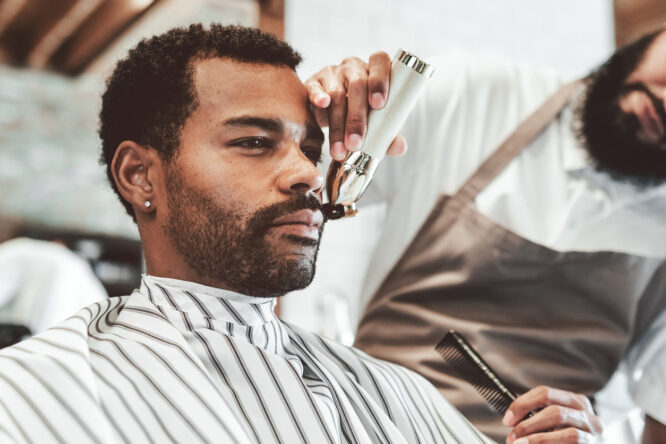
At its core, this story says more about human nature than romance. People like sticking with what feels safe and familiar, whether that’s a barber, a job, or a favourite brand.
It’s a funny comparison, but the real point is about comfort zones. Loyalty in one area doesn’t mean disloyalty elsewhere. It just shows how people value stability when they find it.
Self-image drives commitment.
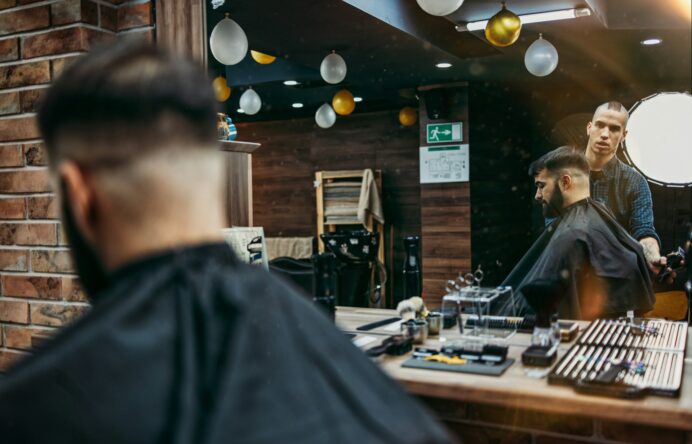
For many men, their haircut is tied to confidence. Losing a trusted barber feels like risking that confidence, so the loyalty is more about self-image than about the barber themselves.
That explains why some stick for years. It’s not always love for the barber, it’s fear of what might happen to their appearance without them.
Barbershops bring community.
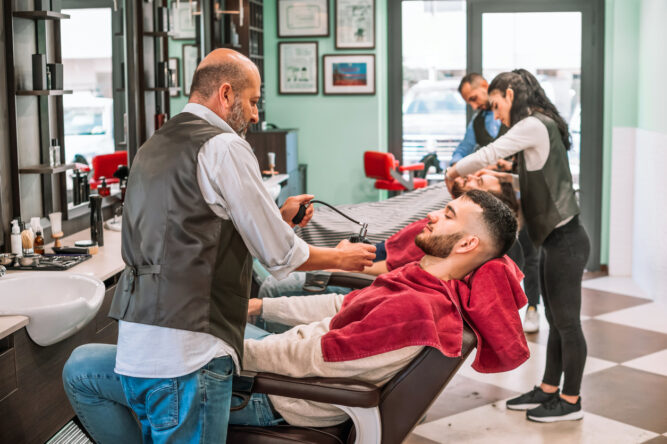
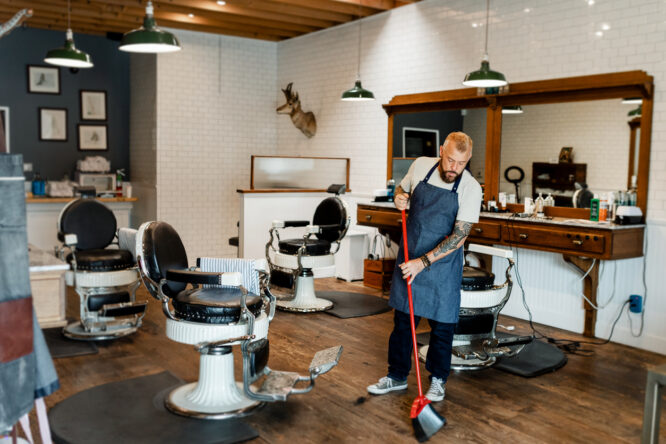
It’s not just the haircut—the environment matters. Many men see barbershops as a safe social space where conversations flow and regulars feel at home. That atmosphere strengthens loyalty further.
Leaving a barber sometimes feels like leaving a community. The comfort of familiar chat and surroundings keeps the bond stronger than people expect.
Relationships change, haircuts don’t.
Romantic relationships evolve, sometimes ending, sometimes growing. Haircuts, however, stay fairly consistent. That makes barber loyalty look stronger, but really it’s just easier to maintain consistency with something simple than with someone you share your life with.
It’s a playful comparison that shouldn’t be taken too seriously. But it does reveal how much people value reliability in everyday life, especially when other areas feel far less predictable.