Politicians are great at promising you the world when they want your vote, but they seem to develop selective amnesia once they’re in power.
It’s as if everything they swore they stood for suddenly flies out the window, and you’re just expected to accept it and get on with it (and sadly, for the most part, we do). British politics has been absolutely littered with promises that went spectacularly unfulfilled, leaving voters feeling like mugs and politicians scrambling for excuses. Chances are, this is going to continue long into the future, as well…
1. “We have no plans to introduce tuition fees.”

Tony Blair said this with a straight face just weeks before the 1997 election, with Labour politicians insisting that tuition costs must be met by the state. Students and parents breathed a sigh of relief, thinking higher education would remain free.
Two months later, Blair introduced £1,000 tuition fees anyway. The justification was that circumstances had changed, and tough decisions were needed, but students felt completely betrayed. It was the first domino in a long line of tuition fee disasters that would haunt British politics for decades.
2. “We will scrap tuition fees altogether.”

Nick Clegg made this the centrepiece of the Liberal Democrats’ 2010 campaign, repeatedly promising to “abolish tuition fees” and even signing a pledge card on camera. Students flocked to the party, believing they’d finally found politicians who understood their struggles.
Within months of forming a coalition with the Conservatives, Clegg not only abandoned this promise, but actively supported raising fees to £9,000 a year. His sheepish apology video became an internet sensation, but the damage was done. The Lib Dems went from 57 seats to just 8 in 2015, largely because students never forgave them.
3. “There are weapons of mass destruction beyond doubt.”
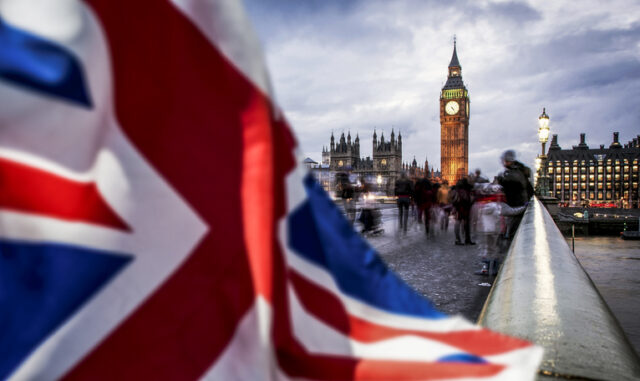
Tony Blair repeatedly assured Parliament and the public that Saddam Hussein possessed WMDs that posed an immediate threat, making military action in Iraq necessary. The famous dossier claimed weapons could be deployed within 45 minutes.
No weapons of mass destruction were ever found in Iraq. The Chilcot Report later criticised Blair’s decision-making process and found that the case for war was overstated. While Blair maintains he acted in good faith based on available intelligence, millions felt deceived about the reasons for a war that cost thousands of lives.
4. “If we leave the EU, the NHS will get £350 million a week.”
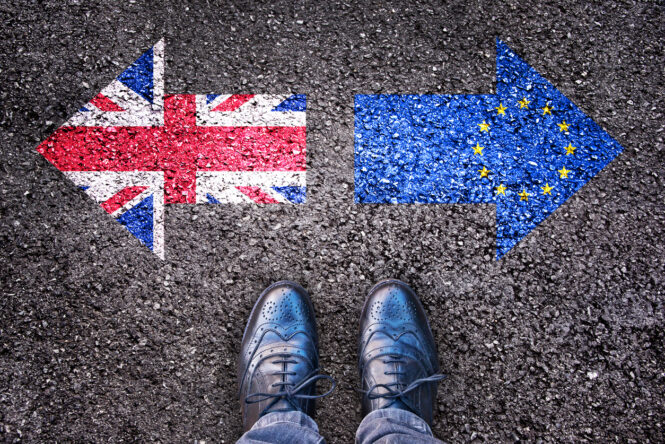
This claim plastered across the side of Boris Johnson’s Brexit campaign bus became one of the most contentious statements in British political history. The message claimed that we gave the EU £350 million per week, and that the money could go to the NHS instead, with the slogan “Let’s fund our NHS instead.”
The £350m figure was misleading because it didn’t account for the UK’s rebate or money that flowed back from the EU, of course. Even Brexit supporters later admitted the figure was problematic, but by then it had already influenced the referendum result and shaped public opinion about EU membership. Oh, and the NHS is even worse off than before.
5. “I did not attend any parties.”

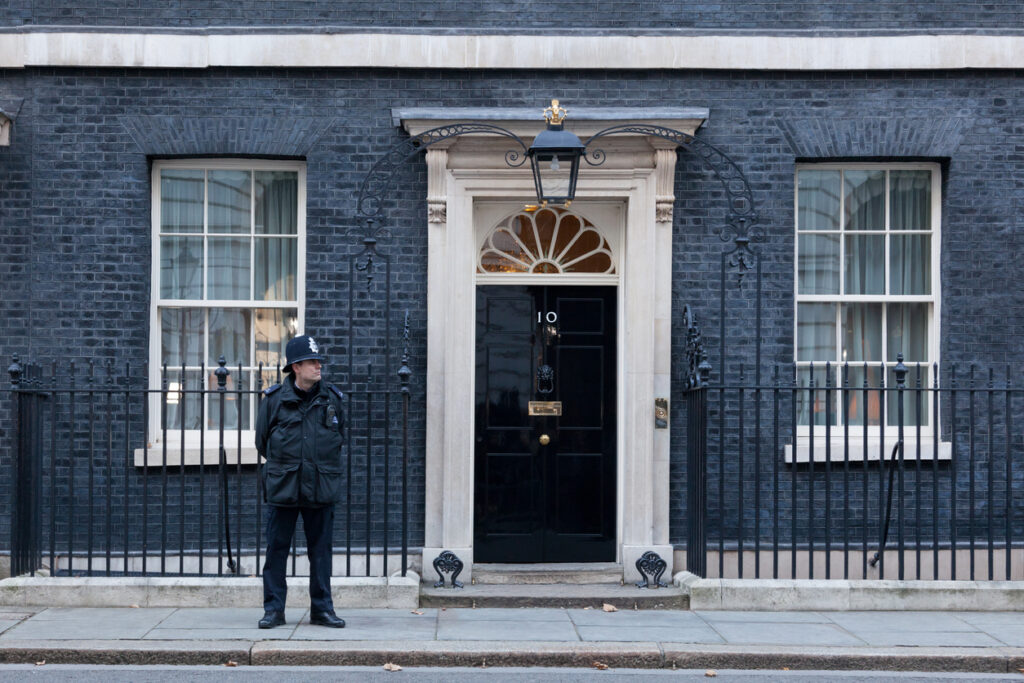
During the height of lockdown restrictions, Boris Johnson repeatedly denied that any parties had taken place at Downing Street, telling Parliament that guidance was followed at all times. He insisted that work events were within the rules and that social distancing was maintained.
The Sue Gray report and police investigation revealed multiple gatherings had indeed taken place, with Johnson receiving a fine for attending his own birthday party. Parliament’s Privileges Committee later found he had deliberately misled MPs, contributing to his eventual resignation as both PM and an MP.
6. “Brexit means Brexit, and we’ll make a success of it.”
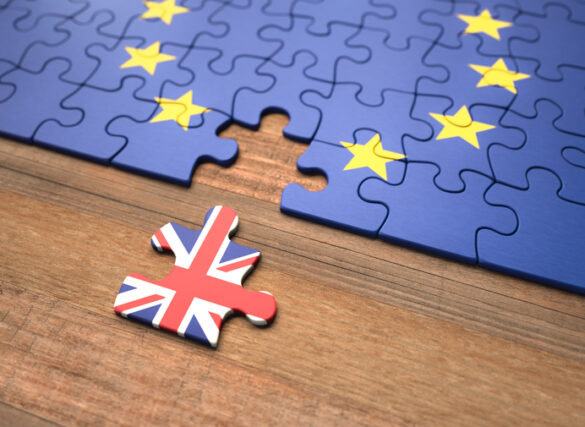
Theresa May repeated this phrase endlessly after becoming Prime Minister, promising to deliver a smooth departure from the EU that would work for everyone. She assured voters that her government had a clear plan and would negotiate the best possible deal.
Her Brexit negotiations descended into chaos, with her deal rejected by Parliament three times and her own MPs staging multiple resignations. She was forced to resign after failing to deliver Brexit, leaving the country more divided than ever about what leaving the EU actually meant.
7. “We will end the moral disgrace of poverty.”

David Cameron made this bold promise when becoming Prime Minister, vowing to tackle child poverty and create a fairer society. The Conservatives painted themselves as the party of social justice and opportunity for all.
Under 14 years of Conservative rule, child poverty actually increased, with over 4 million children living in poverty by 2021. The gap between rich and poor widened, and many families faced unprecedented hardship, making Cameron’s promise look like empty rhetoric.
8. “We will build 300,000 homes a year.”

This became a flagship Conservative promise to solve the housing crisis, with ministers repeatedly committing to hit this target and claiming they had a plan to make homeownership accessible to young people.
The government consistently fell short, building only around 235,000 homes a year and missing their target by roughly 40%. The housing crisis deepened, with homeownership becoming even more unattainable for young people and rental costs soaring across the country.
9. “Austerity is over.”

Theresa May dramatically announced the end of austerity in 2018, suggesting that years of spending cuts and belt-tightening were finally behind us. Public services were promised increased funding and investment.
Spending cuts continued in many areas, with local councils still facing budget crises and public services remaining under severe pressure. The announcement felt more like a political slogan than a genuine policy change, leaving many communities still dealing with the effects of reduced funding.
10. “We will stop the boats.”
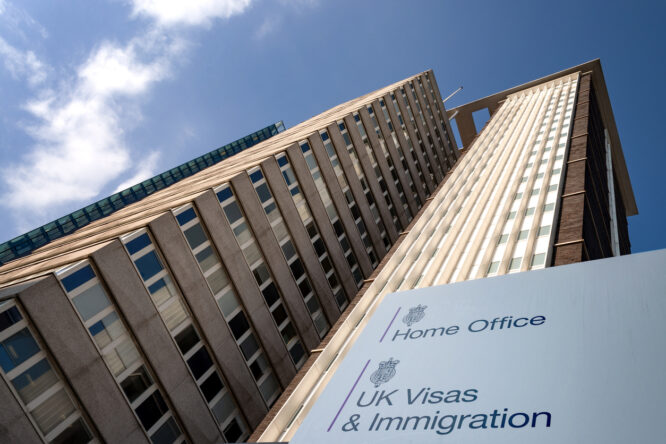
This became a central Conservative pledge under multiple Prime Ministers, with Rishi Sunak making it one of his five key priorities. The Rwanda deportation scheme was presented as the solution that would finally deter Channel crossings.
Boat crossings actually increased, with 2024 seeing some of the highest numbers on record. The Rwanda scheme never took off, with legal challenges and practical difficulties preventing any flights. The policy became emblematic of promises that sounded tough but proved impossible to deliver.
11. “We will level up the country.”
Boris Johnson made “levelling up” his signature policy, promising to reduce inequality between different regions and bring investment to left-behind areas. It was meant to justify Brexit by showing how leaving the EU would benefit forgotten communities.
Most of the promised levelling up funding remained unspent, with only 10% distributed by the time Labour took power. Regional inequalities actually widened in many cases, and communities that voted for Brexit based on these promises saw little tangible improvement in their circumstances.
12. “We won’t raise taxes on working people.”

Keir Starmer repeatedly promised during the 2024 election campaign that Labour wouldn’t increase taxes on working people, defining this as income tax, VAT, and National Insurance. It was a key pledge designed to reassure voters worried about Labour’s economic policies.
Within months, Labour’s budget included significant increases to employer National Insurance contributions, affecting businesses and potentially impacting workers indirectly. While technically not breaking the letter of the promise, many felt it violated the spirit of what voters had been told.
13. “There will be no dementia tax.”

During the 2017 election campaign, Theresa May’s social care proposals were quickly dubbed the “dementia tax” by critics. May initially defended the policy, but then dramatically reversed course, announcing there would be an absolute cap on care costs.
The U-turn happened within days and became emblematic of May’s troubled campaign. The promise to scrap what had been branded a dementia tax couldn’t undo the damage already done to Conservative polling, contributing to May losing her parliamentary majority despite entering the campaign with a huge lead.
14. “We will cut energy bills for good.”

Labour promised during the 2024 campaign that they would reduce household energy bills permanently through their Great British Energy company, with claims that bills could be cut by up to £300 a year.
Energy bills actually rose twice in Labour’s first months in office, with the promised savings nowhere to be seen. The £300 figure quietly disappeared from government communications, leaving households facing higher costs despite the explicit promise of permanent reductions.
15. “We will protect the winter fuel allowance.”

While not explicitly promising to protect the winter fuel allowance during the campaign, Labour MPs including Chancellor Rachel Reeves had previously criticised Conservative cuts to pensioner support and suggested they would take a different approach.
One of Labour’s first major decisions was to means-test the winter fuel allowance, removing it from millions of pensioners. The move saved money but left many elderly people facing difficult choices between heating and eating, contradicting the impression given during the campaign that pensioner benefits would be protected.