Cats are adorable and can be great companions, but they’re not always the easiest pets to have.
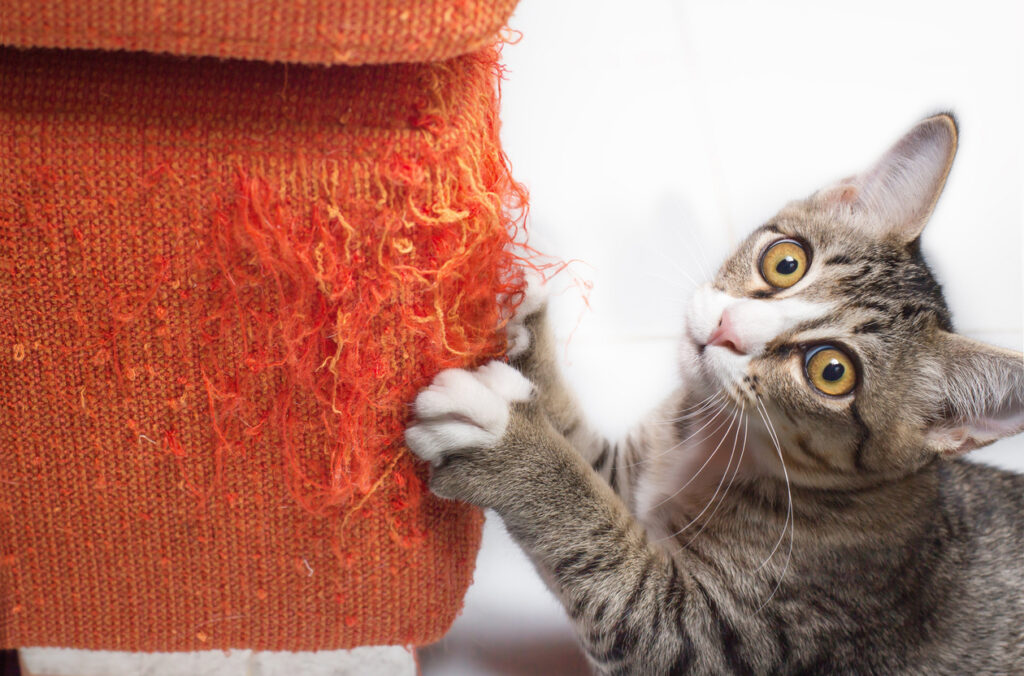
From scratching furniture to ignoring the litter tray, some of their most common behaviour problems can leave you frustrated and unsure what to do, especially when there seems to be no rhyme or reason to them. However, understanding a bit of how cats think can help you figure out a way to deal with their more frustrating or destructive habits calmly, not to mention effectively.
1. Scratching the furniture

Scratching is natural for cats, but it’s not fun when your sofa takes the hit. They do it to stretch, sharpen claws, and mark territory, but without alternatives, they’ll turn to the furniture every time.
Place scratching posts where your cat already scratches and reward them for using it. Cardboard scratchers or sisal posts often work well. With consistency, they’ll switch from the sofa to the post, and your furniture survives intact.
2. Not using the litter tray

Few things are more stressful than a cat avoiding the litter tray. It could be medical, territorial, or simply disliking how clean the tray is. Whatever the reason, it leaves your house feeling tense and messy (and probably pretty smelly).
First, rule out health issues with a vet visit. If all’s clear, try different litter types, clean more often, and add extra trays if you’ve got more than one cat. Cats are picky, but once conditions suit them, accidents usually stop.
3. Biting and aggressive play
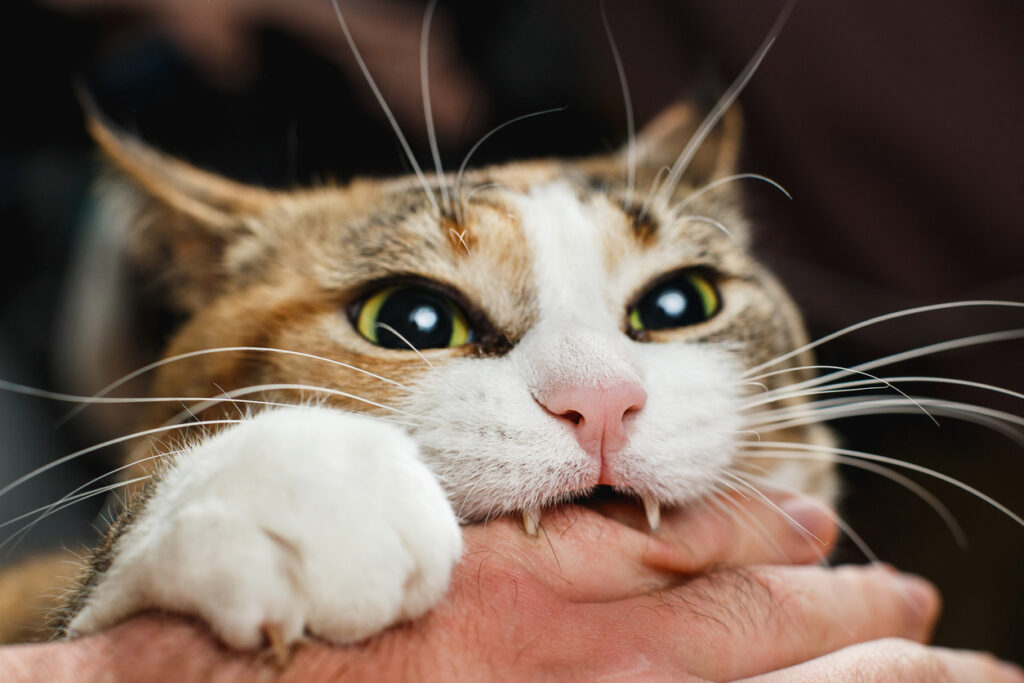
Kittens often bite during play, but when it continues into adulthood it becomes a problem. Biting or pouncing can feel scary and painful, especially if it happens unexpectedly when you’re trying to relax with your pet.
Redirect energy into toys instead of your hands. Wand toys or balls give them an outlet while keeping you safe. When they bite, stop play immediately so they learn it doesn’t get them what they want.
4. Constant meowing

Some cats meow endlessly, demanding food, attention, or just making noise for the sake of it. It can feel exhausting, especially late at night when all you want is peace. Excessive vocalising is a common frustration for owners.
Check they’re not meowing from hunger or health issues, then avoid rewarding constant noise. Give attention when they’re calm instead. Eventually, they’ll learn that meowing isn’t the ticket to endless rewards, and the noise usually eases.
5. Spraying indoors
Spraying is often mistaken for litter issues, but it’s actually about marking territory. Cats may spray to claim space or cope with stress. The smell is strong and unpleasant, and cleaning constantly gets tiring quickly.
Neutering often reduces spraying, and keeping stress low by limiting rival cat encounters helps. Using enzyme cleaners removes scent markers so they don’t return to the same spot. Consistency and calmness usually solve it in the long run.
6. Knocking things off shelves

It might look funny online, but when your cat knocks glasses or ornaments to the floor, it’s frustrating and sometimes costly. Cats often do this for attention or out of curiosity when they’re bored.
Keep fragile items out of reach and provide stimulating toys or climbing posts. Playing with them daily also reduces boredom-driven behaviour. When they’ve got better outlets for energy, shelves stay a little safer.
7. Overgrooming

If your cat constantly licks or chews at their fur, you’ll start noticing bald patches. Overgrooming usually stems from stress, allergies, or boredom, and left untreated it can cause painful skin problems and ongoing discomfort.
Check with a vet to rule out medical causes, then reduce stress by keeping routines consistent and offering more stimulation. Puzzle feeders and play can distract them, while calming sprays may also help ease anxiety-driven grooming.
8. Fearful behaviour

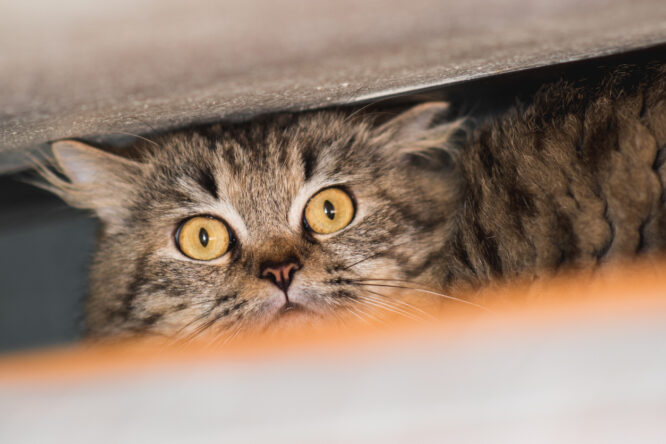
Cats that hide constantly or startle at every sound can leave owners worried. Fearful behaviour often comes from past experiences, lack of socialisation, or simply a nervous temperament that needs gentle handling.
Create safe spaces with hiding spots and avoid forcing interaction. Gradually build trust with calm play and soft voices. As time goes on, patience and reassurance help nervous cats grow more confident without pushing them too quickly.
9. Climbing where they shouldn’t
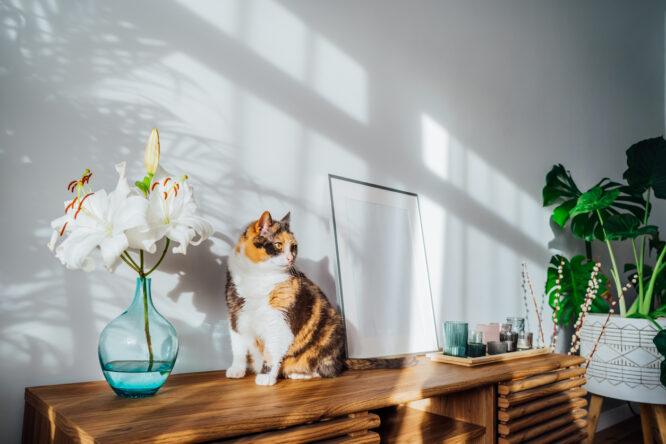
From kitchen counters to wardrobes, cats love exploring high spots. While climbing is natural, it can become a problem when they’re in unsafe places or constantly jumping onto food-prep areas, which quickly becomes unhygienic.
Provide climbing trees or shelves designed for cats, giving them safe alternatives. Reward them for using those spaces, and keep counters clear so they’re less tempted. Meeting their need for height keeps them happy while saving your surfaces.
10. Chewing things around the house

Some cats chew wires, plants, or fabric, leaving you worried about their safety and your belongings. This usually comes from boredom, teething in kittens, or curiosity that gets out of hand quickly.
Cover wires with protectors, keep toxic plants out of reach, and provide chew toys. Playing daily also burns off restless energy. Meeting the need to chew safely prevents damage and protects them from harm.
11. Food obsession

Cats that constantly beg or raid cupboards can be exhausting to manage. This food fixation often leads to overeating and weight gain, which creates health problems and makes the household feel like a battle around mealtimes.
Feed smaller, more frequent meals, or use puzzle feeders to slow them down. Keeping food out of reach and sticking to a routine helps reduce fixation. Redirecting focus turns mealtimes back into something manageable and calm.
12. Attacking other pets

Introducing cats to other animals doesn’t always go smoothly, and aggression can flare. Fights with other cats or hostility towards dogs creates stress for everyone in the home, leaving you tense about their next clash.
Reintroduce them slowly, keeping initial meetings short and calm. Use treats to build positive associations and give each pet their own safe zone. With patience, most cats adjust, though it often takes time and consistency.
13. Waking you during the night

Cats are naturally active at dawn and dusk, which is why many owners get woken by paws on their face or meows at 3am. Interrupted sleep quickly makes living with a cat feel exhausting and stressful.
Play with your cat before bed to burn off energy and feed them their main meal in the evening. Keeping them stimulated during the day helps too. A tired, well-fed cat is far more likely to let you rest.
14. Refusing to be handled

Some cats resist being picked up or groomed, which makes routine care difficult. While their independent nature plays a part, fear or past experiences often add to the resistance, leaving you struggling to bond physically with them.
Respect their boundaries and introduce handling slowly. Use treats, soft touch, and short sessions to build trust. After a while, most cats become more comfortable, and handling transitions from a battle into a calmer part of your routine.