Heart attacks rarely happen out of nowhere.
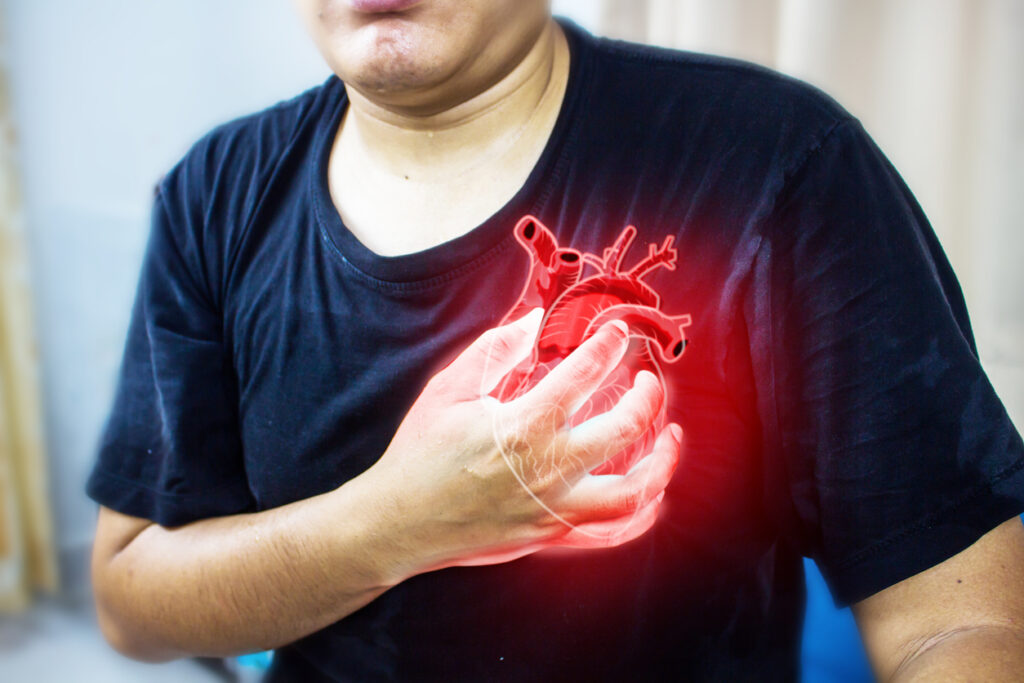
In many cases, your body gives small warnings in the days or even weeks beforehand. You just have to know what to look for. These signs can be easy to dismiss or mistake for something harmless, especially when life’s busy and you’re not paying close attention.
Learning to recognise them can make all the difference. Some symptoms are subtle, while others feel more urgent, but together they paint a clear picture that something isn’t right. Knowing what your body is trying to tell you could be what helps you act in time.
1. Unusual fatigue that doesn’t make sense

This isn’t the normal tiredness you feel after a long day or a poor night’s sleep. We’re talking about profound exhaustion that makes simple tasks feel overwhelming, where climbing a flight of stairs leaves you needing to sit down, or having a shower feels like you’ve run a marathon. Women especially report this symptom in the weeks leading up to a heart attack, often dismissing it as stress or getting older.
The reason this happens is that your heart is struggling to pump blood efficiently, so your body is diverting energy away from non-essential functions to keep vital organs working. If you’re suddenly exhausted for no good reason, particularly if it’s accompanied by any other symptoms on this list, that’s your body telling you something is seriously wrong with your cardiovascular system.
2. Chest discomfort that comes and goes

Forget the Hollywood heart attack where someone dramatically grabs their chest. Real warning signs often present as uncomfortable pressure, squeezing, or pain in the centre of your chest that lasts a few minutes, goes away, then comes back. It might feel like someone’s sitting on your chest or like indigestion that won’t go.
Many people ignore this because it’s not constant or agonising, and it often eases when you rest, which makes you think it can’t be serious. But this intermittent nature is actually characteristic of angina, which is your heart muscle not getting enough oxygen-rich blood. If you’re experiencing this pattern, especially during physical activity or emotional stress, you need to get it checked immediately.
3. Discomfort in other upper body areas

Pain or discomfort can radiate to your arms, back, neck, jaw, or stomach, and often people don’t connect these sensations to their heart because they’re nowhere near the chest. The pain might start in your chest and spread, or it might only appear in these other areas without any obvious chest symptoms at all.
Pain signals from your heart travel along the same nerve pathways as signals from other parts of your upper body, so your brain misinterprets where the pain is coming from. Jaw pain that feels like toothache, upper back pain between your shoulder blades, or unexplained stomach discomfort can all be your heart letting you know it’s in trouble.
4. Shortness of breath without obvious cause
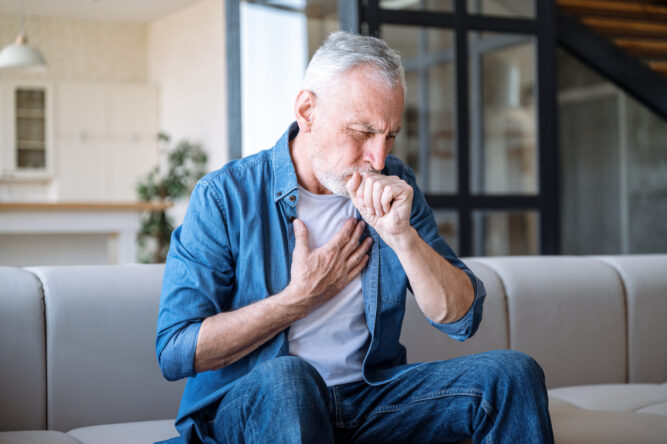
Finding yourself breathless when you’re doing activities that never used to bother you is a significant warning sign. This might be feeling winded after walking to the car, or finding you can’t talk while walking at your normal pace, or waking up in the night feeling like you can’t get enough air.
When your heart isn’t pumping effectively, fluid can back up into your lungs, making it harder to breathe. This symptom can appear on its own or alongside chest discomfort, and it often worsens when you lie flat because fluid accumulates more easily in that position. Women are particularly likely to experience breathlessness as their primary warning sign rather than chest pain.
5. Breaking out in a cold sweat

This isn’t normal perspiration from being warm or exercising. It’s a sudden cold, clammy sweat that can happen even when you’re sitting still in a cool room. People often describe it as breaking out in a cold sweat for no reason, or feeling like they’ve got the flu, with that characteristic clammy skin that comes with it.
Your body produces this stress response when it’s in distress, as your nervous system reacts to your heart struggling. If you’re experiencing sudden cold sweats along with any other symptoms on this list, particularly chest discomfort or shortness of breath, that’s a medical emergency. Don’t sit around waiting to see if it passes.
6. Nausea or feeling like you might vomit

Feeling sick to your stomach, actual vomiting, or that horrible sensation of indigestion that won’t go away can all be warning signs. Many people, particularly women, mistake this for food poisoning, a stomach bug, or acid reflux, especially when it’s accompanied by that cold, clammy feeling.
The vagus nerve, which helps control your heart rate, also affects your digestive tract, which is why cardiovascular distress can manifest as gastrointestinal symptoms. If you’ve got unexplained nausea along with fatigue, sweating, or upper body discomfort, don’t assume it’s just a dodgy meal.
7. Lightheadedness or sudden dizziness

Feeling dizzy, lightheaded, or like you might faint, particularly when combined with chest discomfort or shortness of breath, can indicate your heart isn’t pumping enough blood to your brain. This might feel like the room is spinning, or like you need to sit down immediately before you fall over.
When your heart’s struggling, your blood pressure can drop, which means less blood reaching your brain. Many people dismiss this as just standing up too quickly or not eating enough, but if it’s happening repeatedly or alongside other symptoms, it’s your cardiovascular system telling you it can’t maintain proper circulation. This is particularly concerning if you’ve never had issues with dizziness before.
8. Persistent cough or wheezing

A cough that won’t go away, particularly producing white or pink-tinged mucus, can indicate fluid building up in your lungs due to heart failure. People often think they’ve got a chest infection or asthma, especially if they’re wheezing or struggling to catch their breath.
When your heart can’t pump blood efficiently, fluid backs up into your lungs, causing congestion that triggers a cough. If you’ve been coughing for weeks, and it’s not responding to usual treatments, or if you’re coughing up frothy mucus, that’s not a normal respiratory infection. Combined with other cardiovascular symptoms, this is your body’s way of showing you that your heart isn’t managing fluid properly.
9. Unusual anxiety or sense of doom

Many heart attack survivors report experiencing an overwhelming sense that something was terribly wrong in the hours or days before the event. This isn’t just normal worry or stress; it’s an intense, unexplained feeling of anxiety or impending doom that feels completely out of proportion to what’s happening in your life.
Your body’s stress response recognises that your cardiovascular system is in crisis, even if you’re not consciously aware of the physical symptoms yet. This primitive survival mechanism kicks in to alert you to danger. If you’re experiencing sudden, intense anxiety along with any physical symptoms like sweating, breathlessness, or chest discomfort, trust that feeling and get medical help.
10. Heart palpitations or irregular heartbeat
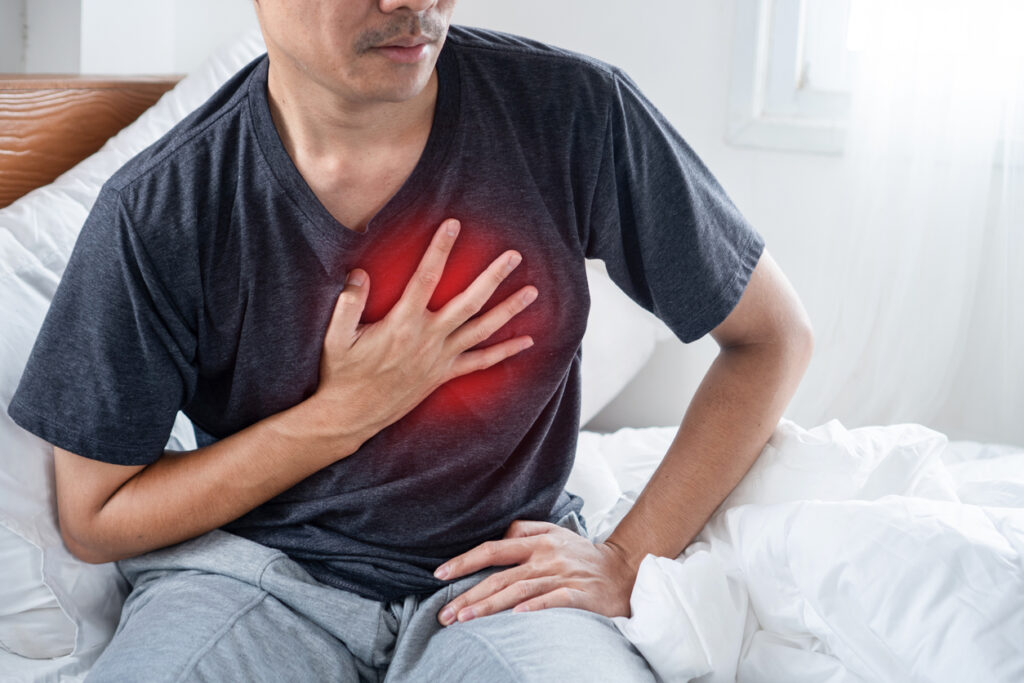
Feeling like your heart is racing, pounding, fluttering, or skipping beats can indicate underlying cardiac issues. While occasional palpitations are normal, persistent or frequent irregular heartbeats, especially when accompanied by other symptoms, warrant immediate attention.
Your heart’s electrical system might be misfiring due to inadequate blood flow. If you’re noticing irregular heartbeats more often, particularly during rest, that’s not something to monitor at home. Combined with chest discomfort, breathlessness, or dizziness, this can indicate an imminent cardiac event.
11. Swelling in your legs, ankles, or feet
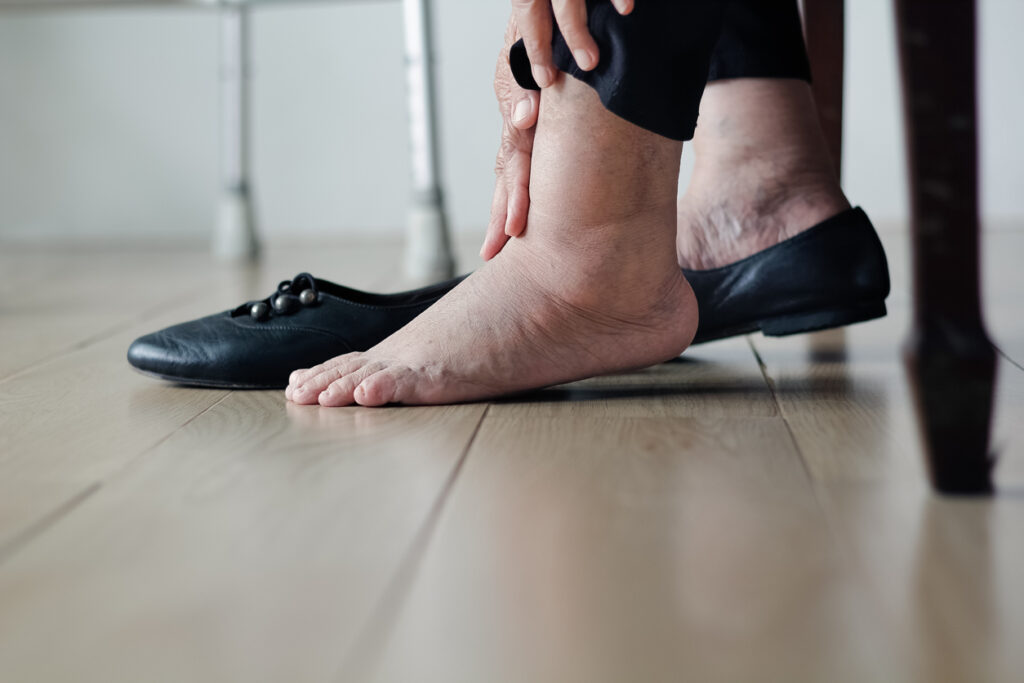
Fluid retention that causes swelling in your lower extremities, particularly if it’s getting progressively worse, can indicate your heart isn’t pumping blood effectively. You might notice your shoes feeling tight by the end of the day, or indentations remaining in your skin when you press on your ankle.
When your heart struggles to pump blood throughout your body, fluid accumulates in your tissues due to gravity. This oedema is often accompanied by weight gain from extra fluid and might be more noticeable on one side. If you’re retaining fluid and experiencing breathlessness or fatigue, your cardiovascular system can’t keep up with demand.
12. Sleep disturbances you can’t explain

Waking up frequently during the night feeling breathless, needing to prop yourself up with extra pillows to breathe comfortably, or experiencing unusual insomnia can all be warning signs. You might find yourself waking up gasping for air, or unable to sleep flat because it makes breathing harder.
These sleep problems occur because when you lie down, fluid accumulates in your lungs if your heart isn’t pumping efficiently. Your body wakes you up to get upright so you can breathe better. If you’re suddenly needing three pillows when one used to be fine, or waking up breathless, that’s a cardiovascular warning sign.