If you grew up in the 1970s, there’s a good chance a few old jingles are still tucked away in your mind.

You might not have heard them in decades, but the moment someone hums the first few notes, the words come flooding back. They were catchy, a bit daft at times, and somehow managed to stick around long after the adverts disappeared.
These forgotten tunes are like little time capsules of a very specific era when television had only a few channels, and everyone knew the same songs from the same adverts. If you still remember them, you’re in rare company because most people haven’t heard these jingles in years.
Um Bongo

This one’s a memory test in itself because Um Bongo didn’t actually launch until 1983, but people swear they remember it from earlier. The tropical juice drink had that unmistakable rhythm about drinking it in the Congo, and if you can hum it right now without looking it up, you’ve got a genuinely excellent memory for commercial ephemera.
What made it stick was the Caribbean-influenced melody and the repetitive brand name worked into the tune. It played constantly during children’s telly ad breaks, embedding itself into young minds through sheer repetition. The drink itself was impossibly sweet and probably contained about as much real fruit as a packet of crisps, but that jingle made it feel exotic and adventurous.
Shake n’ Vac

The dancing housewife sprinkling carpet freshener whilst doing a little jig became iconic 1980s advertising, but the product and similar campaigns were already around in the late ’70s. If you remember any variation of a carpet freshener jingle from that era, you’re tapping into a very specific slice of British domestic life when shag pile carpets reigned supreme.
These jingles worked because they made mundane household chores feel almost celebratory. The upbeat tune suggested that cleaning your carpets wasn’t a boring necessity but something that could bring you joy. Looking back, it’s fascinating how much emotional manipulation went into selling what was essentially perfumed talcum powder for your floor.
R. Whites Lemonade
The Secret Lemonade Drinker advert launched in 1973, featuring Elvis Costello’s dad Ross MacManus sneaking downstairs for a midnight refreshment. That distinctive tune about creeping down at the dead of night became embedded in British pop culture, even though most people couldn’t tell you what year they first heard it or even remember the complete melody anymore.
What’s clever about this one surviving in memory is that it told a story rather than just hammering the product name. The idea of this bloke sneaking a drink in his pyjamas made the lemonade seem somehow illicit and desirable, like something worth getting out of bed for. It personalised the brand in a way that straightforward product promotion never could.
Cadbury’s Flake
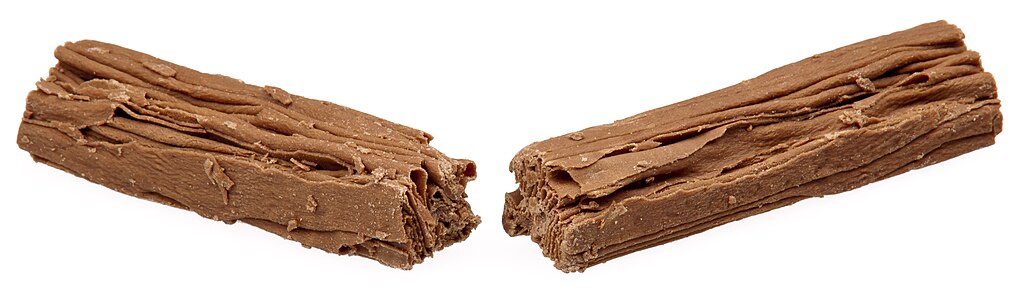
The Flake adverts from the ’70s weren’t really jingles in the traditional sense, but they had that haunting classical music accompaniment that’s instantly recognisable if you heard it during that era. The whole aesthetic of a woman in a romantic setting, crumbling chocolate seductively whilst dreamy music played, created an audio-visual memory that’s stronger than many actual jingles.
This shows how our brains don’t distinguish between sung jingles and instrumental scores when it comes to advertising recall. If you can hear that music in your head right now, it demonstrates how effectively repetitive advertising imagery and sound can fuse together in long-term memory, even without words.
Curly Wurly
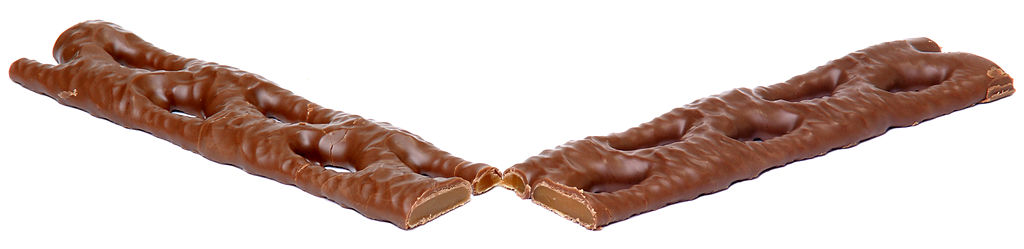
Cadbury changed their Curly Wurly advertising several times during the ’70s, making the exact jingle hard to pin down. What people remember is something about the chocolate being “chewy” and the emphasis on how long it lasted compared to more expensive bars.
The tricky bit is that your brain might have constructed a jingle from fragments of different adverts over the years. That’s not a memory failure; it’s your brain creating coherent narratives from incomplete information, which is exactly what it evolved to do.
Milk’s Gotta Lotta Bottle
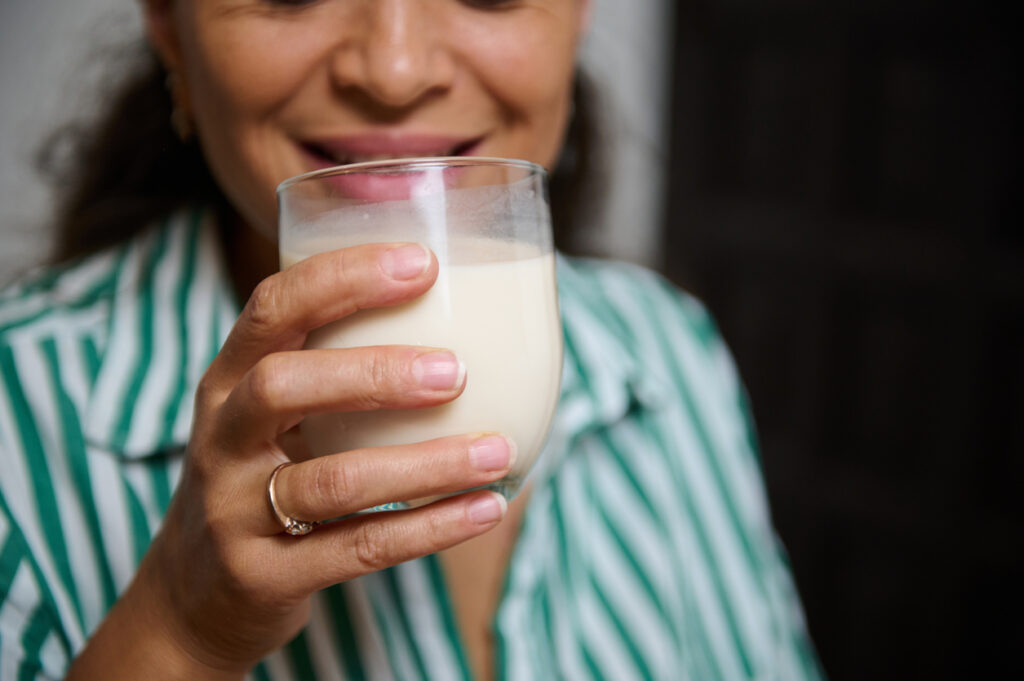
The National Dairy Council’s campaign to make milk seem exciting and modern gave us this genuinely catchy jingle in the late ’70s. If you can remember the tune, you’re recalling a very specific moment when milk was being repositioned as a cool, energetic drink rather than something your mum made you drink before bed.
This campaign is particularly interesting because it was trying to combat declining milk consumption by appealing to young people. The jingle was upbeat and contemporary, using slang that felt current at the time. If you remember it now, you’re probably remembering both the tune and the slight cringe of adults trying to sound hip whilst selling dairy products.
Trio
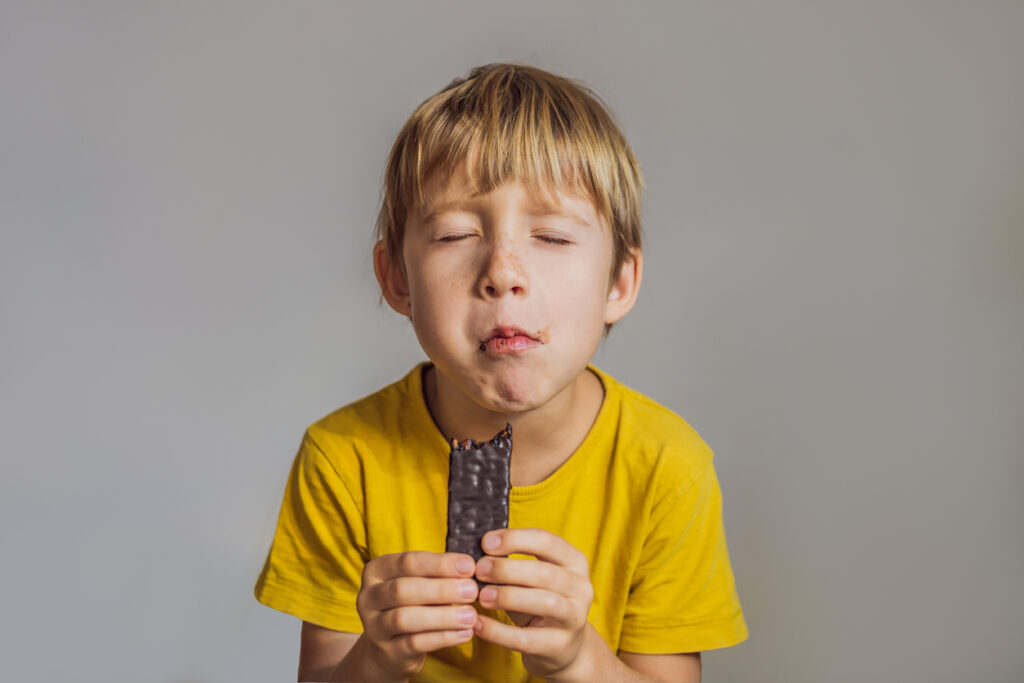
The biscuit bar had multiple jingles over the years, but the ’70s version was distinctly different from the “I want a Trio and I want one now” that came later. Earlier versions focused on the three layers and had a more straightforward, almost nursery rhyme quality to them.
The ’70s approach was more informative and literal, actually telling you what the product contained. Later versions became more about creating emotional associations and memorable catchphrases. Your memory of which version came first is actually a pretty good indicator of how closely you were paying attention to telly adverts as a child.
Bird’s Angel Delight

The instant dessert mix had various jingles emphasising how quickly you could make it and how much children loved it. If you remember phrases about whisking it up or specific flavours being mentioned in song, you’re recalling a product that defined 1970s convenience food culture.
What’s interesting is how these jingles sold both to children watching and mothers making purchasing decisions. The music was catchy enough for kids to pester their parents, whilst the messaging about ease of preparation appealed to busy mums. If you can remember the emotional feeling of wanting Angel Delight after seeing the advert, that’s the jingle doing exactly what it was designed to do, even decades later.
Smash Instant Mashed Potato
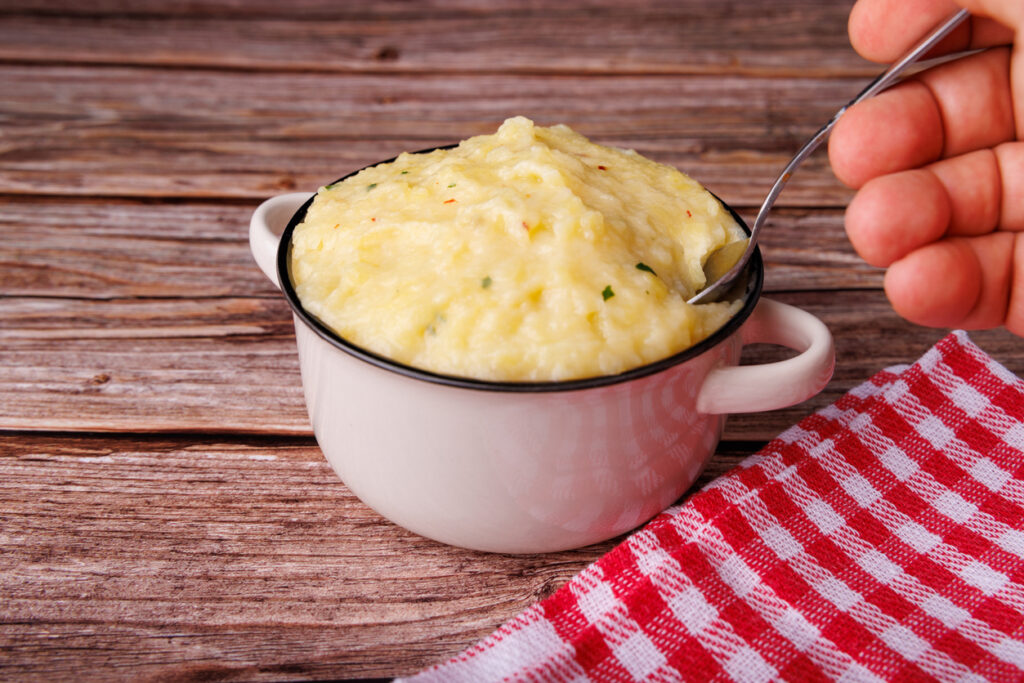
The Martians laughing at earthlings peeling potatoes became iconic British advertising. Whilst the focus was always on the visual comedy, there was definitely musical accompaniment and catchphrases that embedded themselves in memory. The robotic laughter and the emphasis on how much easier instant mash was created an audio memory that’s distinct from the visuals.
This is a good example of how jingles don’t have to be traditional songs to stick in memory. The rhythmic quality of the Martians’ speech patterns and laughter functioned like a jingle, creating an audio signature for the brand. If you can hear that distinctive robotic chuckle in your head right now, it shows how sound design in advertising can be just as effective as a proper musical jingle.
Heinz Baked Beans
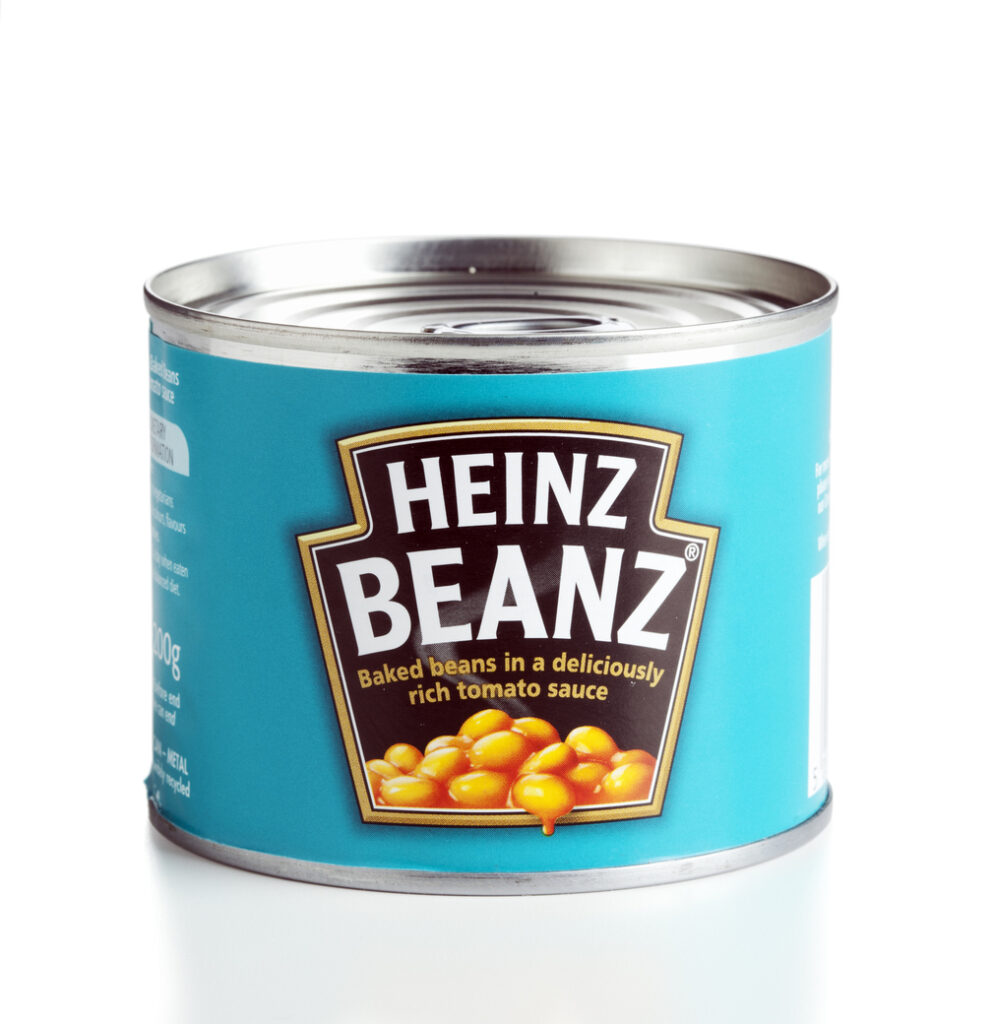
Beanz Meanz Heinz wasn’t a jingle in the traditional sense, but it had a rhythmic quality and was often set to music in various ’70s campaigns. If you remember it being sung or chanted rather than just spoken, you’re recalling how the slogan evolved across different media over the years.
This slogan demonstrates how the boundary between jingles and catchphrases isn’t always clear. Your brain might have added a melody to it even if one wasn’t always present in the adverts because the phrase itself has such a strong rhythm. If you’ve been singing it in your head whilst reading this, that’s not a false memory; that’s your brain recognising the musical potential in the language itself.