There’s a special kind of warfare that plays out over garden fences and through semi-detached walls: the silent, passive-aggressive kind.

It’s the battle of the subtly slammed gate, the mysteriously returned bin, or the faint whiff of burnt toast wafting your way at 6am. Nobody ever says anything outright, of course. That would be far too forward.
Your neighbours aren’t shouting or throwing parties at full volume. They’re doing something far more British: seething quietly while keeping a perfect mask of politeness. It’s a performance of civility with just enough bite to let you know you’re in the wrong, at least in their eyes. The result? A tense, unspoken stand-off where everyone pretends nothing’s wrong while clearly knowing everything is.
The bin placement game
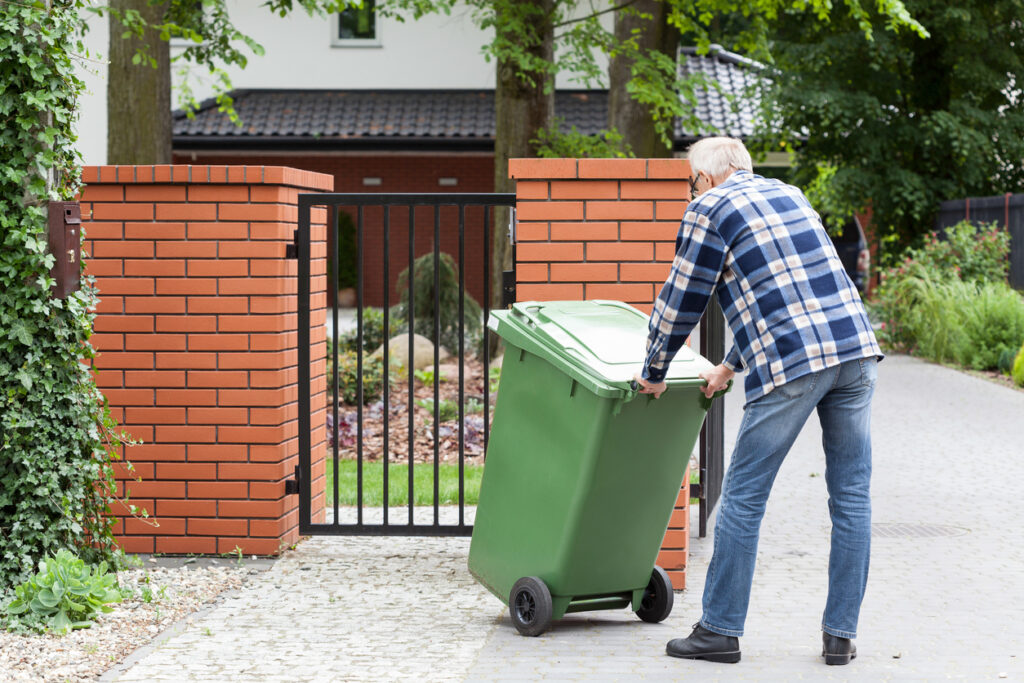
Your bin gets moved ever so slightly into your space after collection day, or they’ve started putting their bins exactly on the boundary line so you can’t quite fit yours properly. They’re not blocking you completely, that would be too obvious. They’re just making your life three percent more irritating every week, and there’s absolutely nothing you can do about it without looking mental.
The overly enthusiastic morning routine

They’ve suddenly started doing DIY at 7 a.m. on Saturday, which is technically within their rights but also absolutely not what neighbours do to each other. Or they’re mowing the lawn at the earliest legally acceptable moment, making sure you know they’re up and productive while you’re trying to sleep off your week. The message is clear: we’re not friends anymore.
The parking spot theft
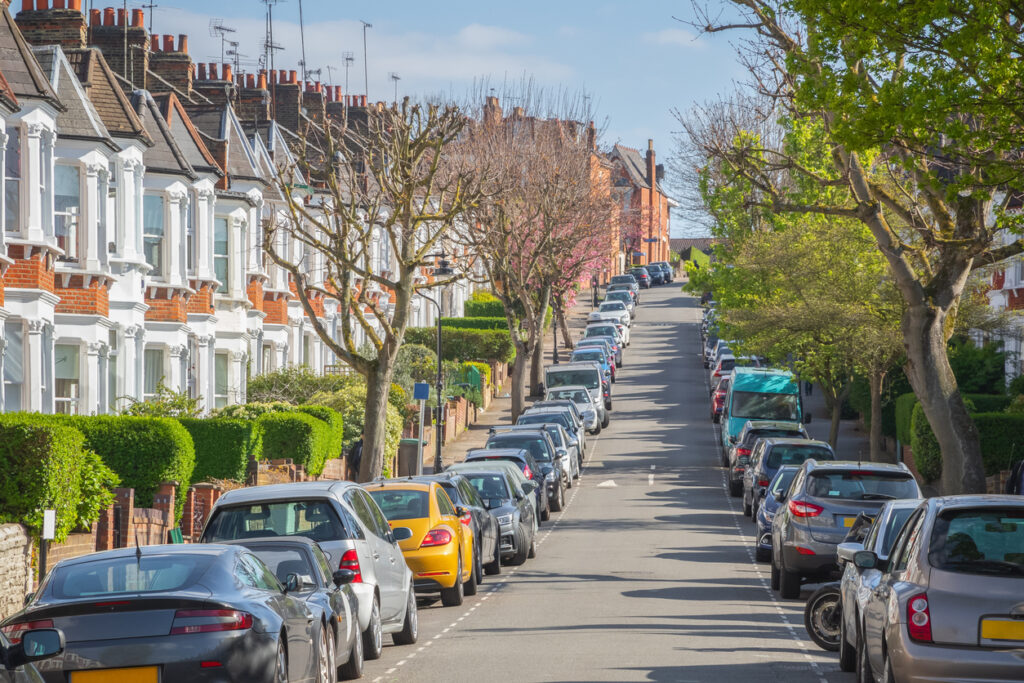
There’s no assigned parking on your street, but there’s an unspoken understanding about who parks where. They’ve started taking your usual spot, not every time, just often enough that it’s definitely deliberate. When you see them, they smile sweetly and say nothing. You can’t prove intent, but you absolutely know it’s intentional.
The hedge that’s technically legal but completely unreasonable
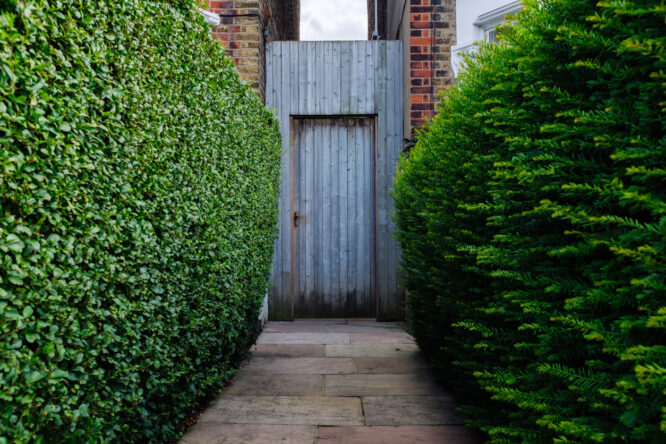
They’ve let their hedge grow just tall enough to block your light or view, but it’s just under the height that would allow you to complain officially. They know exactly what they’re doing. Every time you look at that hedge, you’re meant to know they’ve won this round, and there’s no recourse available to you.
The selective deafness about their noise

You’ve mentioned their thumping music or their dog barking at 6 a.m., and they’ve gone all wide-eyed innocent about it. “Oh, I had no idea! I’ll keep it down!” Then nothing changes. They heard you perfectly well, they’ve just decided your comfort isn’t their problem. The pretence of caring is worse than openly not caring.
The aggressive note instead of a conversation

They’ve left a typed, laminated note about your bins or your parking or your garden, written in the passive voice like “it has been noticed that…” They’re ten feet away behind their front door, but they’ve chosen bureaucratic hostility over just knocking and having a chat. It’s a power move disguised as polite communication.
The perfectly timed outdoor activities

Every time you’re in your garden trying to relax, they suddenly need to be out there too, making noise, having loud phone conversations, doing something that ensures you can’t have a peaceful moment. It’s not always, just often enough that you’ve started to wonder if they’re watching for when you go outside.
The enthusiastic rule enforcement

They’ve become the street’s unofficial parking warden or bin police, but only for you. Everyone else gets away with minor infractions, but yours get passive-aggressive notes or complaints to the council. They’re weaponising bureaucracy because they can’t actually tell you they’re annoyed with you like an adult.
The boundary line obsession

They’ve become weirdly fixated on exactly where your property ends and theirs begins. Suddenly, there are concerns about your fence being two inches over, or your plant pots encroaching, or whether that tree’s roots might be crossing the line underground. It’s not about the boundary, it’s about establishing dominance through petty territorial nonsense.
The strategic friendliness with other neighbours

They’ve started being conspicuously chatty and friendly with everyone else on the street, but they blank you entirely. You’ll watch them having lovely conversations with the people on the other side, laughing and being neighbourly, then they’ll see you and their face goes completely neutral. You’re meant to feel excluded, and it’s working.
The complaint about your completely normal noise

You’re living normally in your own home, but suddenly, they’re mentioning they can hear your footsteps, your telly, your washing machine. Not in a “the walls are thin, isn’t it annoying” way, but in a “you’re being unreasonably loud” way. They’re making you self-conscious about existing in your own space, which is exactly what they want.
The security light aimed at your bedroom window
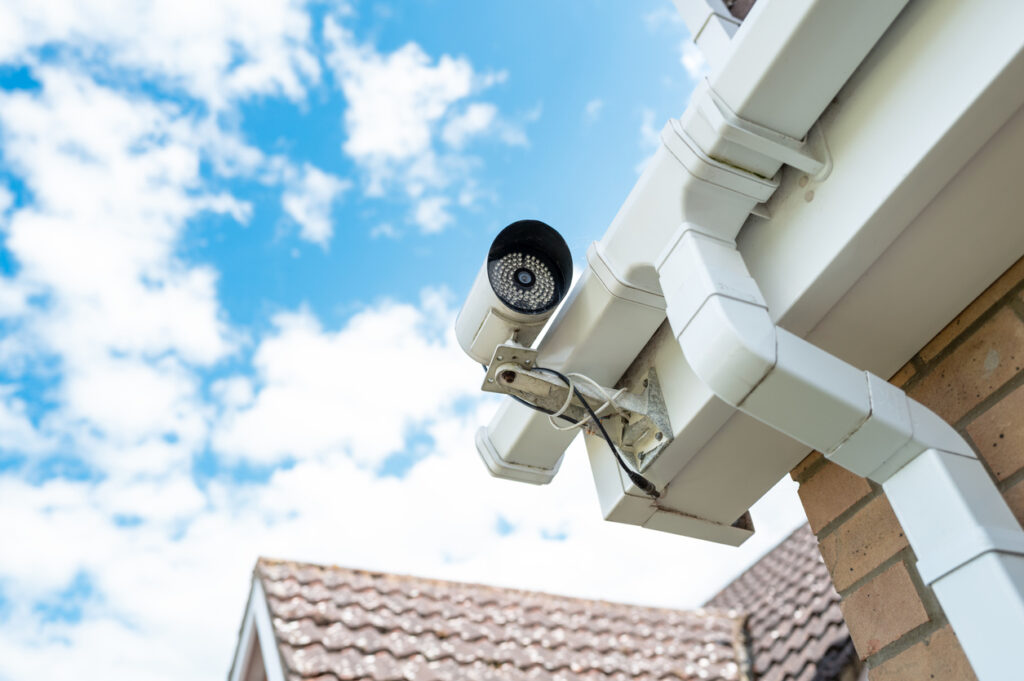
Their new security light is angled in such a way that it floods your bedroom every time anything moves in their garden. Technically, it’s for their security. Practically, it’s ruining your sleep and they know it. When you mention it, they act baffled about what you expect them to do, as if adjusting an angle is impossible.
The garden parties that happen to coincide with your important events

You’ve mentioned you’ve got an important work call or your elderly parent’s visiting, and suddenly, they’re having the loudest garden gathering they’ve had all year. It’s not every time, which is how they maintain deniability, but it’s happened enough that you know they’re keeping track of when it’ll cause you maximum inconvenience.
The excessively polite version of telling you off

They start conversations with “I’m sure you don’t realise, but…” or “I hate to mention this, but…” before launching into a complaint about something utterly trivial. The politeness is a weapon, making you look unreasonable if you get defensive. They’re couching their hostility in social niceties, which makes it impossible to address directly.
The blocking of shared access

If you share a driveway or pathway, they’ve started leaving things in the way. Not blocking it completely, that would be too obvious. Just making it slightly awkward to get past with your bins or your car. When you mention it, items get moved with exaggerated apologies, then reappear in the same spot two days later.
The mysterious complaints to your landlord or management company

You’ve started getting messages from your landlord about noise complaints or property maintenance issues, but the complaints are vague and don’t quite match reality. Your neighbours are reporting you for things that are either completely made up or massively exaggerated, but doing it through official channels so they don’t have to face you directly.
The cold shoulder after you’ve done nothing wrong

They’ve gone from friendly or neutral to completely ignoring you, and you genuinely have no idea what you’ve done. No conversation, no note, no indication of what’s caused the shift. You’re left analysing every interaction, trying to work out your crime, and they get to enjoy watching you squirm. The confusion is the point.
The tragedy of neighbourhood passive aggression is that it’s specifically designed to be undiscussable. Everything’s just subtle enough that confronting it makes you look paranoid or oversensitive. Your neighbours have mastered the art of making you miserable while maintaining complete deniability, and there’s absolutely nothing you can do about it without looking like the unreasonable one. Welcome to suburban psychological warfare.