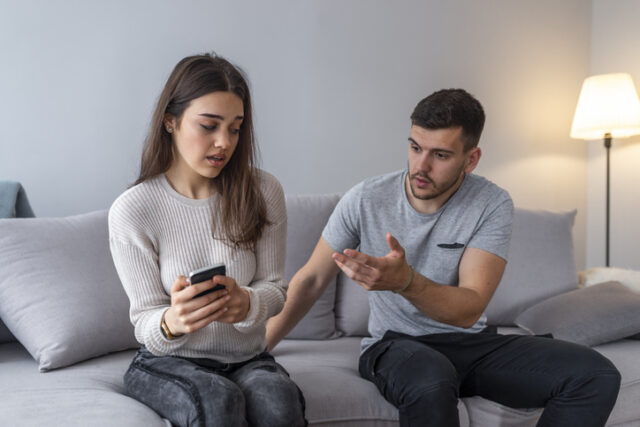
Sometimes the results of a study come along and are so obvious, you can’t even pretend to be surprised.

That’s certainly the case here: new research has found that women without children or partners often report being happier and less stressed than those who are married or raising families. While that might sound surprising to some, the studies suggest that independence, control over time, and fewer daily pressures play a big role. These are just some of the reasons researchers believe women are thriving without kids and men in the picture.
They have more control over their lives.

Women without partners or children make choices based entirely on what they want, not what’s expected of them. They can plan careers, travel, or downtime without compromise. That sense of freedom is deeply linked to happiness in studies of life satisfaction. When your time and money are your own, you can live life at your own pace. It’s not selfish; it’s self-directed, and research shows that autonomy is one of the strongest predictors of well-being.
They experience less daily stress.

Parenting and maintaining relationships both bring emotional demands, and the constant juggling can wear people down. Single, child-free women report lower daily stress levels and fewer health complaints tied to pressure or exhaustion. Without those extra emotional and practical loads, many find they sleep better, feel calmer, and have more consistent energy for work and hobbies.
They build stronger social networks.

Women without families of their own often invest more in friendships and community. They tend to have wider circles and more meaningful connections with friends, neighbours, and colleagues. Being surrounded by such a strong support network has been shown to protect mental health, reduce loneliness, and even improve physical health as people age.
They focus more on personal growth.

Without the demands of caregiving or partnership, single women have more time to explore what genuinely interests them. That could mean studying, volunteering, travelling, or starting side projects that bring real fulfilment. Research shows women in this group often score higher in self-awareness and self-acceptance, largely because they have more space to reflect and grow on their own terms.
They face fewer financial pressures.

Raising children and managing shared finances are major stressors in most households. Women who live independently control their income and spending choices completely, which often leads to better financial stability over time. While single income living can be tough, the absence of child-related costs or unequal domestic arrangements tends to balance things out for many women.
They spend more time on health and well-being.

Single women are more likely to keep up with regular exercise, healthcare appointments, and self-care routines. Without the time constraints of family life, they can focus more on diet, rest, and movement. This adds up to long-term benefits. Studies show that women who stay single often have lower blood pressure, better sleep quality, and more consistent exercise habits than their married counterparts.
They don’t rely on external validation.
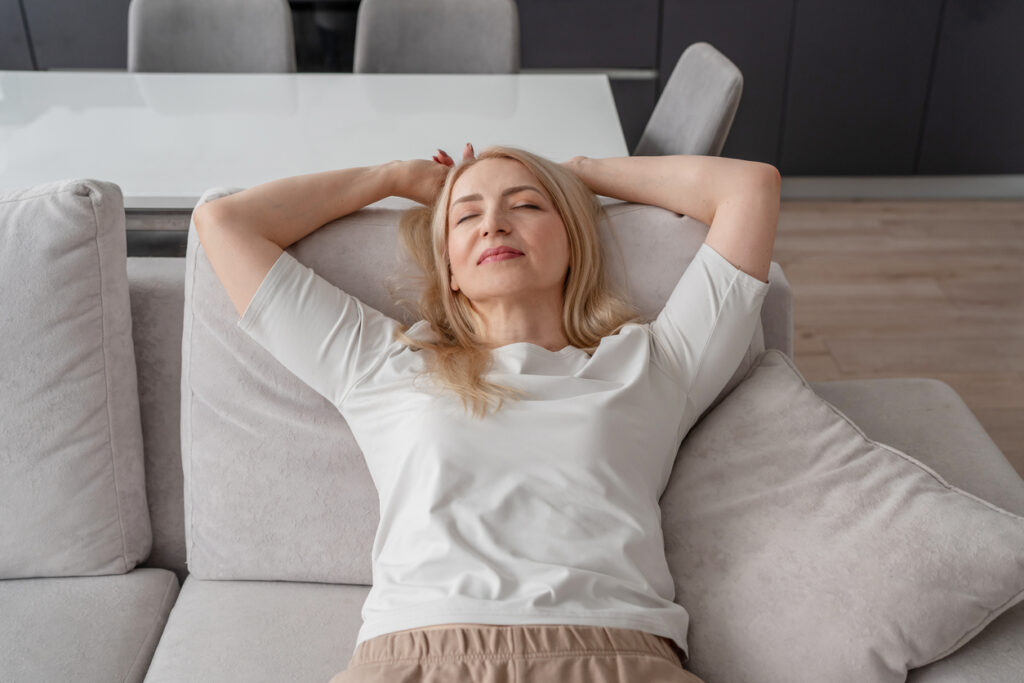
Many women who stay single past a certain age say they’ve stopped living for approval. They don’t need to prove success through marriage or motherhood and find happiness in defining their own version of a full life. Independence from external judgement strengthens confidence and self-esteem, making them less reactive to social expectations or criticism.
They report fewer relationship-related conflicts.

Arguments about chores, money, or emotional availability can take a toll on couples. Women without partners simply skip that stress. They don’t have to negotiate over priorities or compromise constantly. Without relationship tension draining their energy, many women say they feel more emotionally balanced and less distracted in daily life.
They enjoy their own company.

While some people fear being alone, many single women view solitude as something restorative rather than lonely. They use it to recharge, think clearly, and enjoy hobbies that make them feel grounded. That comfort with being alone translates to resilience. When you genuinely like your own company, you depend less on other people for happiness.
They invest more in hobbies and passions.

Child-free women often have time and mental energy to develop skills, creative projects, and interests that bring purpose. These pursuits are proven to boost mental health and life satisfaction, especially later in life. Rather than fitting their interests around other people, they can let passion lead the way, whether it’s gardening, art, fitness, or something completely unexpected.
They adapt better to change.

Studies suggest single women are often more flexible and adaptable to life’s shifts. Without depending on a partner or family structure, they build stronger problem-solving skills and independence. Their adaptability reduces anxiety about the future. They learn to trust their own judgement, which strengthens emotional stability over time.
They sleep better.

Research consistently shows that women who live alone or without children report higher sleep quality. Fewer interruptions, less emotional labour, and lower mental load mean their rest is more restorative. Quality sleep affects everything from mood to health to productivity. For many, this single factor alone boosts overall happiness significantly.
They’re less likely to experience burnout.

Balancing family, career, and relationships pushes many women to the edge of burnout. Without those overlapping demands, single, child-free women maintain steadier energy and boundaries between work and personal time. Striking such a balance leads to better long-term health and a stronger sense of control over daily life, and those are two key markers of happiness in most psychological research.
They define success differently.

Perhaps the biggest reason for their happiness is perspective. These women measure fulfilment by their own standards, not society’s. They’re less focused on ticking boxes and more focused on living authentically. It’s not that they reject relationships or children altogether, but they’ve learned that happiness isn’t about following a script. For many, freedom and self-determination feel better than any traditional life path ever could.