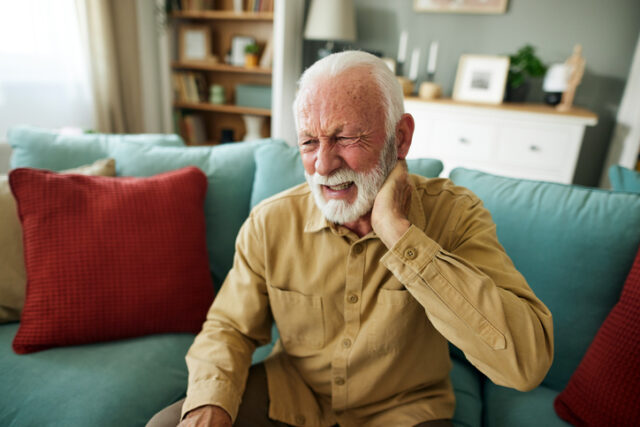
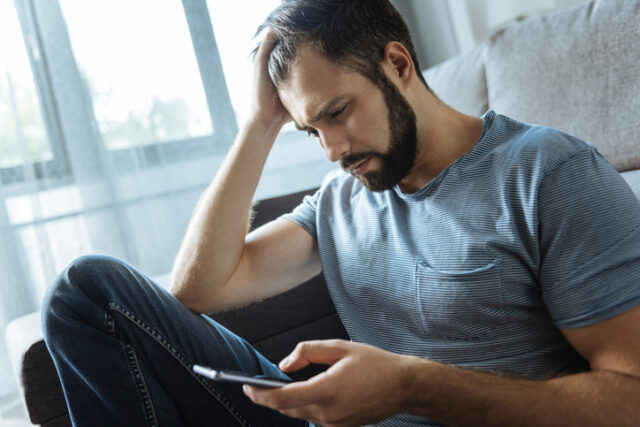
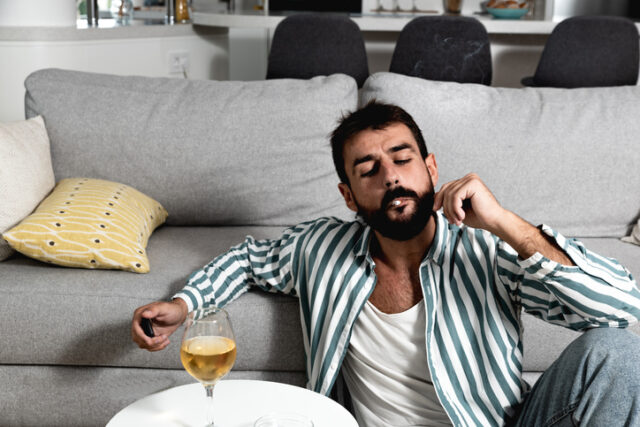
Across the UK, doctors are starting to prescribe something unexpected for patients struggling with anxiety, loneliness, or depression: art.

Instead of another pill or referral, people are being encouraged to paint, sculpt, or join community creative groups. It’s part of a growing movement known as “social prescribing,” where GPs recommend creative or social experiences to help people reconnect with themselves and other people.
The idea is simple: not every problem can be solved in a pharmacy. Art gives people a way to process emotions, build confidence, and rediscover a sense of joy that medication alone can’t provide. From pottery workshops to choir rehearsals, these prescriptions are showing that sometimes, the best kind of healing comes from creating something with your own hands. Here’s why this practice could be so revolutionary.
Art gives the brain something positive to focus on.

When someone’s struggling mentally, their thoughts often circle around the same worries. Creative tasks like painting or sculpting redirect that energy toward something calming and tactile. It lets the mind rest while staying engaged in something soothing. That change in attention naturally quiets stress responses. It’s the same principle that makes mindfulness effective, only this time the focus comes through movement and colour instead of silence and stillness.
Creativity lowers stress hormones.

Even short creative sessions can lower cortisol, the main hormone linked to stress. It doesn’t matter whether someone’s good at art; the benefit comes from expression rather than skill. Using your hands and focusing on detail helps slow the body’s rhythm and ease tension. As time goes on, this small change can help reduce anxiety and calm the physical effects of long-term stress. It’s a gentle, natural form of emotional reset.
Social prescribing is a new approach, but a long overdue one.

Social prescribing is when doctors recommend non-medical treatments such as community projects, exercise, or creative classes to improve wellbeing. The NHS now supports this approach by connecting patients with “link workers” who help them find local options that suit their needs. The idea is simple: not every health problem needs medication. Sometimes, what helps most is structure, connection, or a reason to leave the house.
It helps with loneliness as much as low mood.

Art classes aren’t just about learning to paint. They’re about meeting people, chatting, and sharing experiences in a relaxed space. Many participants say that part is even more valuable than the creative side itself. By offering a sense of community, these sessions help reduce isolation, which can be as damaging to health as smoking or inactivity. People feel seen and supported again.
It rebuilds confidence in small, meaningful ways.

When life feels heavy, creating something tangible can restore a sense of control. Completing a small painting or sculpture reminds people they’re capable of learning, improving, and feeling proud again. Those moments of progress add up. Small achievements in art often become stepping stones to rebuilding confidence in everyday life.
It allows emotional release without words.
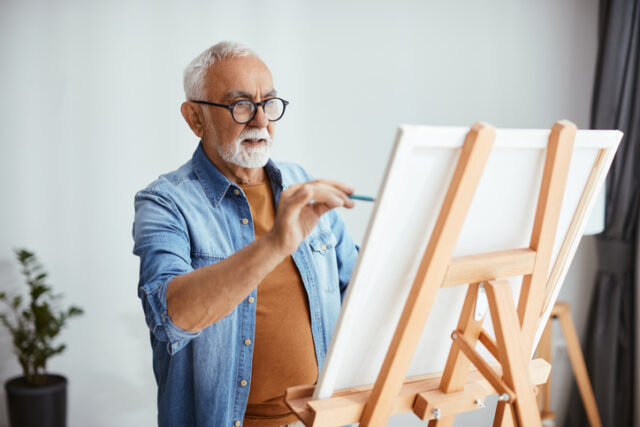
Not everyone feels comfortable talking about what’s wrong. Art offers a private, non-verbal way to express feelings that might otherwise stay buried. Colour, texture, and form can often say what words can’t. For people coping with trauma or ongoing stress, this quiet outlet helps process emotion safely. It’s a way of expressing without needing to explain.
It supports people with physical health issues too.
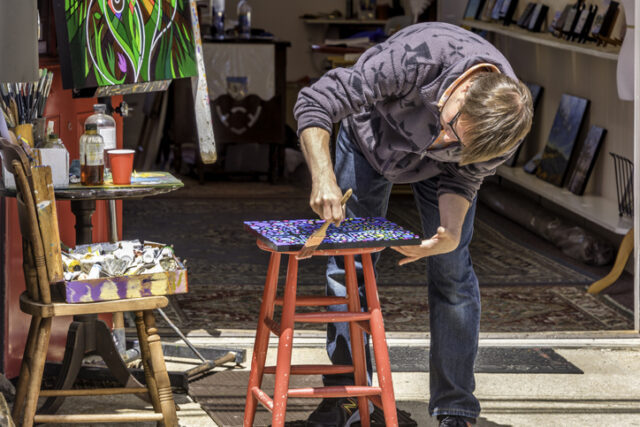
Creative therapy isn’t only for mental health. It’s been shown to help people living with chronic illnesses such as arthritis, pain, or fatigue by encouraging gentle movement and distraction from discomfort. Hospitals and care homes are increasingly using art workshops to improve mood and mobility, proving creativity can play a valuable role in physical recovery as well.
It strengthens memory and focus.

Art stimulates parts of the brain linked to attention and memory. For older adults, regular creative activity can help maintain mental sharpness and emotional balance, even delaying cognitive decline in some cases. It’s not about creating masterpieces, but about keeping the mind active in ways that are both challenging and enjoyable.
It’s affordable and accessible.

While therapy can be costly, community art programmes are often free or low-cost. They offer real support for people who might not be able to afford counselling but still need an outlet for stress or sadness. This makes it an equaliser in healthcare, a practical option that improves mental health without relying on expensive treatment or medication.
It builds stronger communities.

Creative groups bring people together across generations and backgrounds. They provide spaces where people connect over shared experiences instead of differences, helping rebuild a sense of community that’s often missing in modern life. Those bonds create ripple effects. Health improves, confidence returns, and towns become friendlier places simply because people are interacting again.
It gives people something to look forward to.

Depression and anxiety often make every day feel the same. Having a weekly class to attend adds purpose and breaks up monotony. Looking forward to something small helps shift mindset from surviving to engaging again. That anticipation is powerful. It adds structure to the week and provides something positive to hold onto when motivation is low.
It changes how doctors think about health.

Art prescriptions are encouraging doctors to see health as more than symptom management. They’re starting to look at the bigger picture: the emotional, social, and creative parts of life that influence how well people really feel. By combining medicine with creativity, the NHS is recognising that healing isn’t only physical. Mental and emotional wellbeing deserve the same level of attention and care.
It helps results last longer.

Medication can help stabilise mood, but creative therapy teaches people how to manage emotions themselves. It offers tools for long-term balance and coping rather than temporary relief. People who keep practising art after their classes often continue to feel calmer and more positive months later, showing the benefits last well beyond the initial treatment.
It makes healing feel human again.

Healthcare can sometimes feel cold and impersonal, but art brings warmth back into the process. It turns recovery into something colourful, creative, and shared rather than clinical and isolating. By replacing pills with paint, doctors are showing that getting better doesn’t always mean taking something; sometimes it means creating something instead.