Every British home has a few things that don’t really do anything, but we’d never dream of getting rid of them.
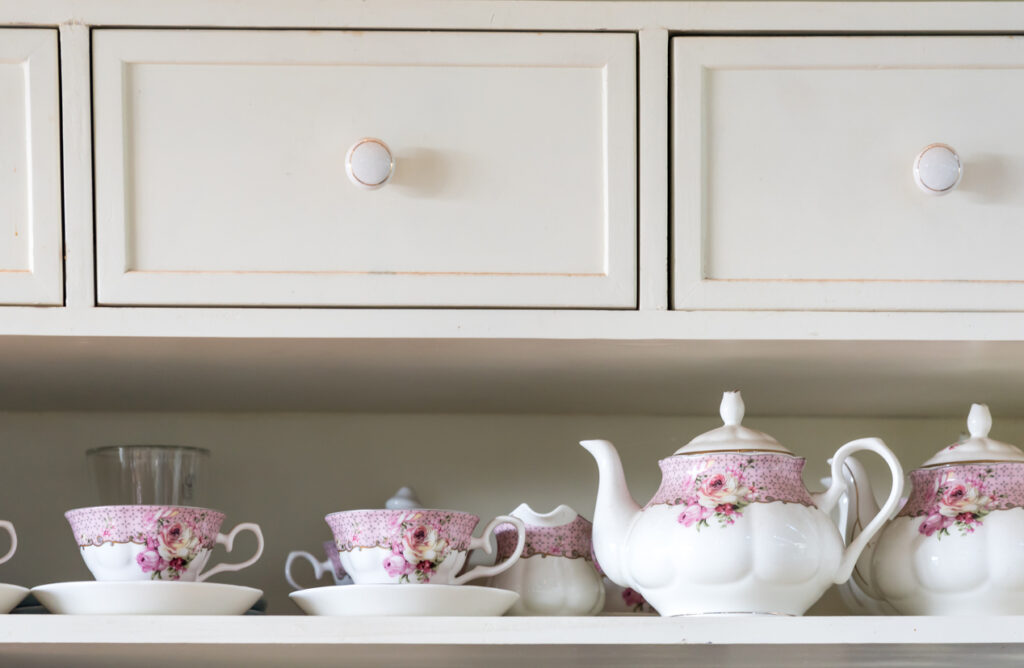
They sit on shelves, windowsills, and side tables, silently collecting dust and nostalgia in equal measure. You look at them and think, “Why is this still here?” but the idea of tossing them feels wrong. They’ve become part of the house in the same way creaky floorboards or an old kettle do.
What makes these bits and pieces so charming is how familiar they feel. They remind you of childhood, random trips, hand-me-downs or something you once thought you absolutely needed. They serve no grand purpose, but somehow the place would feel less like home without them.
1. The decorative teapot that never gets used
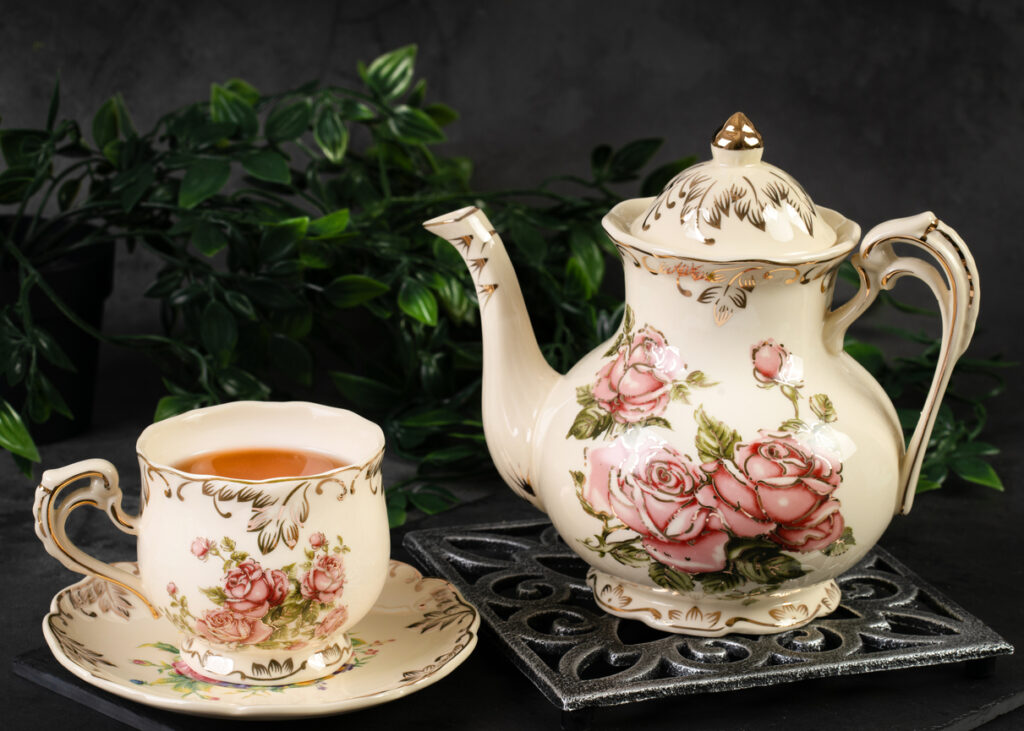
Most British kitchens display at least one beautiful teapot that sits proudly on a shelf, gathering dust. It might be a wedding gift, an inherited piece, or a holiday souvenir, but it never actually makes tea because we’re all using teabags in mugs anyway.
These ornamental teapots represent our idealised vision of British tea culture rather than the reality. We keep them because they make us feel connected to a more elegant version of tea drinking, even if we’re actually dunking bags into chipped mugs while standing by the kettle in our pyjamas.
2. The drawer full of plastic bags
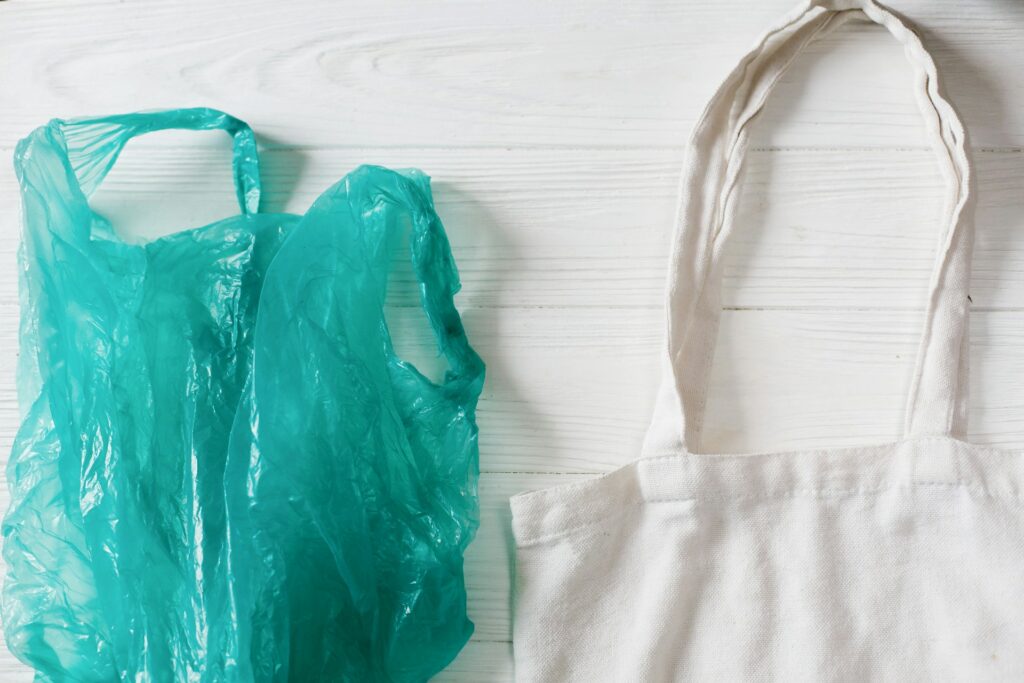
Every British home has that one drawer or cupboard stuffed with carrier bags from various shops. We shove new bags in there constantly, telling ourselves we’ll reuse them, but the drawer just keeps growing until it can barely close properly.
This hoarding habit comes from a combination of thriftiness and guilt about waste. The bags represent good intentions about being environmentally conscious, even though most of them will never see a second use. We can’t throw them away because that feels wasteful, so they multiply endlessly in their designated storage spot.
3. The good towels nobody’s allowed to use
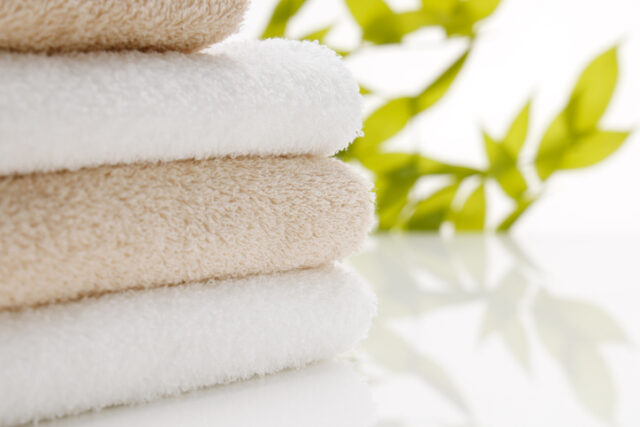
Hidden away in the airing cupboard sits a set of pristine towels reserved exclusively for guests. They’re usually in a coordinating colour scheme and remain perfectly folded and untouched for months or even years between visitors.
These special towels reflect our deep anxiety about being judged as hosts. We worry that guests will think less of us if we offer them the same worn towels the family uses daily. The good towels stay pristine because using them for ourselves would somehow diminish their guest-worthiness, creating an endless cycle of preservation.
4. The fancy biscuit tin filled with sewing supplies
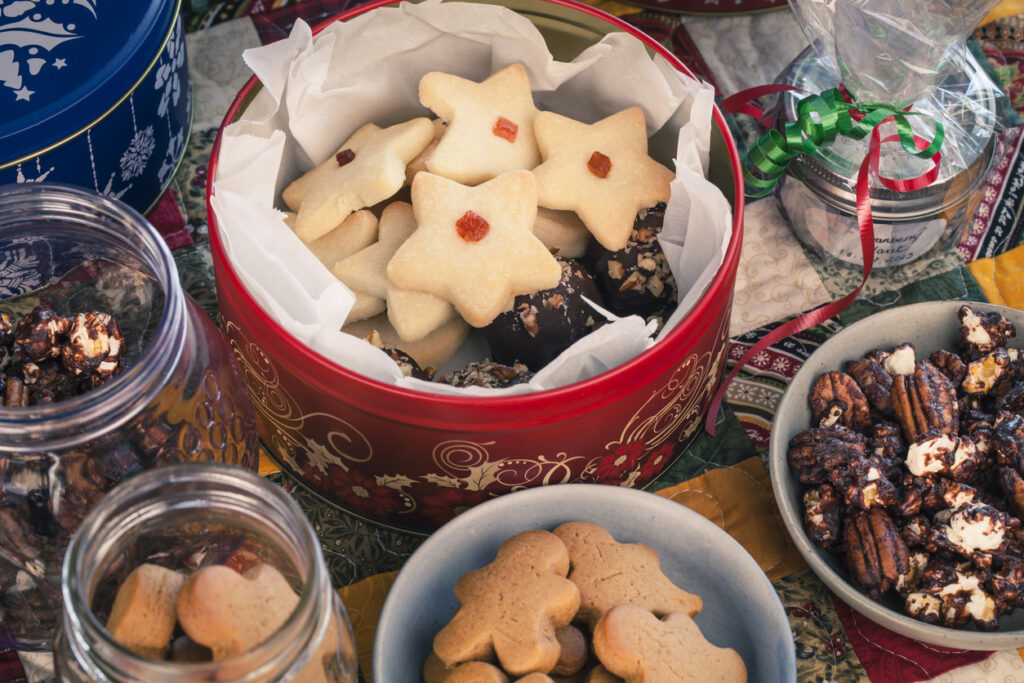
Almost every British household has repurposed a decorative biscuit tin into storage for random bits and bobs. The Danish butter cookie tins are particularly popular, and opening one expecting treats only to find needles and thread is a universal disappointment.
These tins stick around because they’re too nice to throw away but too impractical for their original purpose once empty. We convince ourselves they’re useful organisational tools, though the contents are usually a chaotic jumble of buttons, safety pins, and mystery keys that nobody can identify anymore.
5. The ornamental spoons from holiday destinations
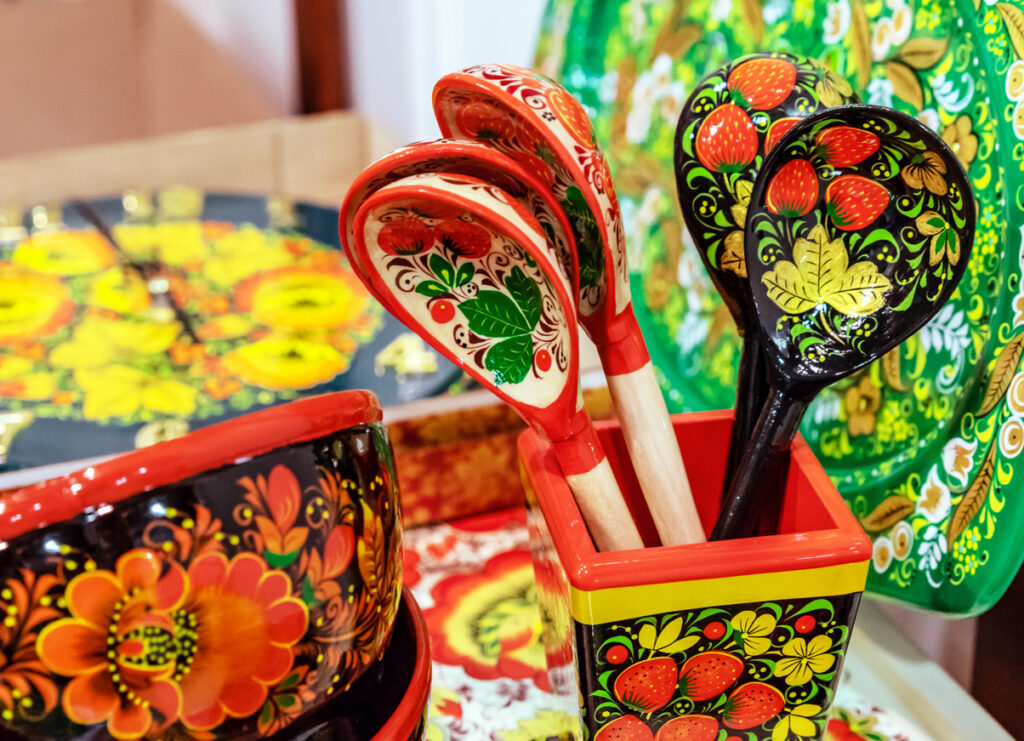
Souvenir spoons from Blackpool, Cornwall, or various European cities dangle from wall-mounted racks or sit in display cases. They’re far too delicate and decorative for actual dining, serving purely as proof that someone once went somewhere interesting.
These miniature spoons satisfy our need to display worldliness and create conversation pieces. They let us reminisce about holidays whenever we dust them, transforming mundane memories into displayed achievements. The spoons become tiny monuments to experiences we want visitors to ask about.
6. The bread bin that stores everything except bread
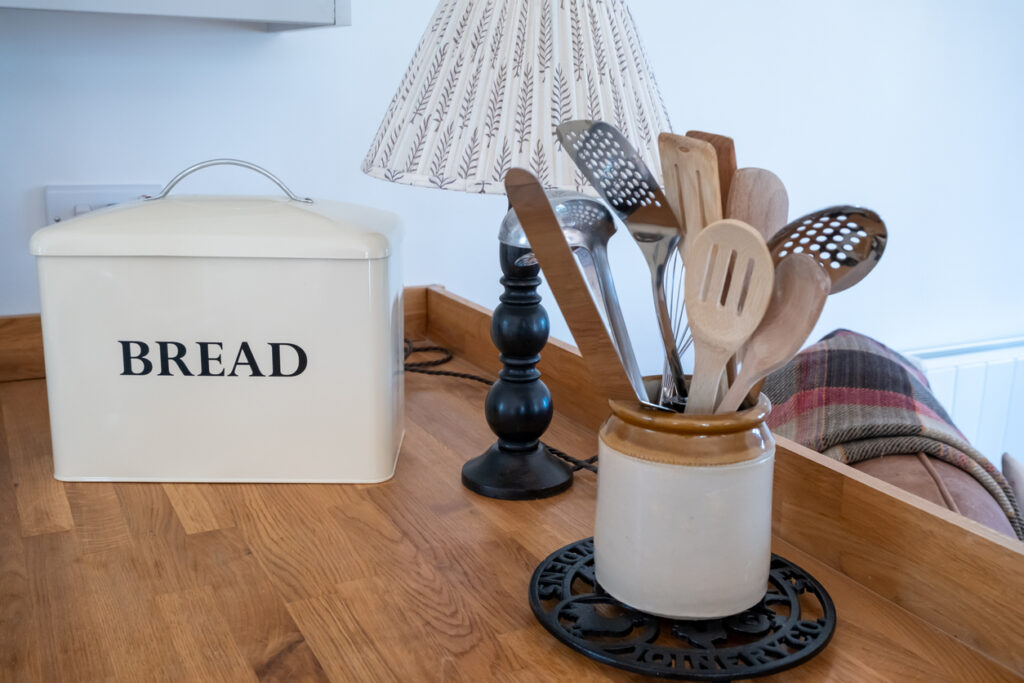
Many British kitchens feature a bread bin that long ago stopped housing actual bread. Instead, it’s crammed with random kitchen items like batteries, takeaway menus, or mysterious keys, while the actual bread sits in its plastic bag on the counter.
The bread bin represents our attachment to kitchen items that suggest domestic order, even when our actual habits have evolved. Modern pre-sliced bread in sealed bags doesn’t need a special container, but getting rid of the bread bin feels like admitting defeat in maintaining proper kitchen standards.
7. The decorative letter rack with no letters
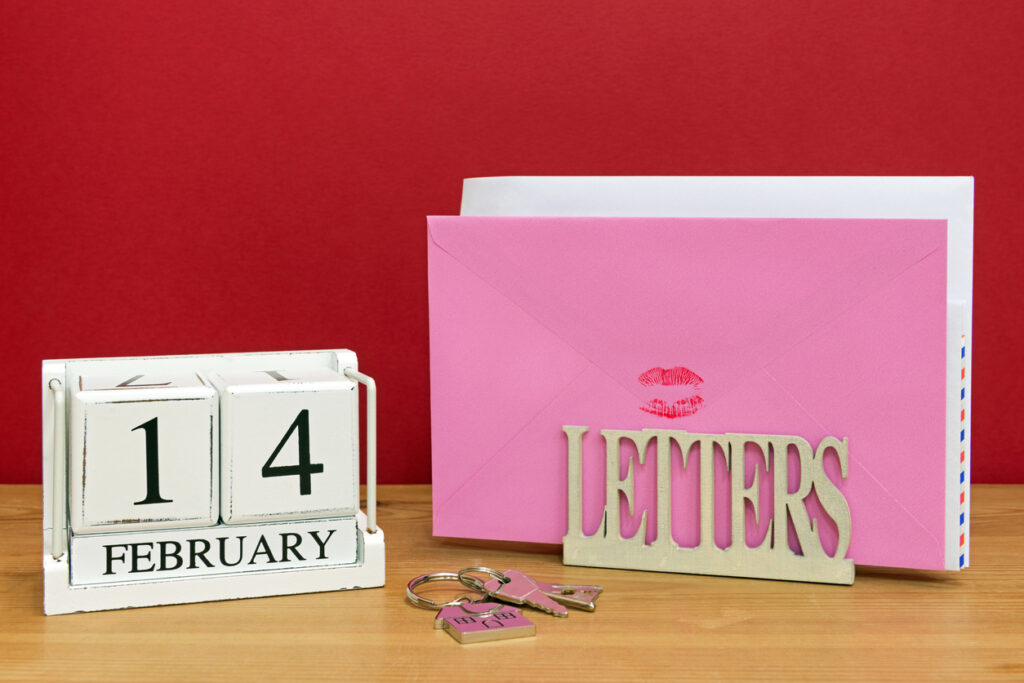
A wooden or brass letter rack sits on many British hallway tables, looking charming but holding nothing except perhaps a few old receipts. In the age of emails and paperless billing, actual post is mostly junk mail that goes straight in the recycling.
We keep these racks because they represent a more civilised era of handwritten correspondence and proper mail. They make our homes feel more established and traditional, suggesting we’re the sort of people who receive important correspondence, even if we’re really just getting pizza leaflets.
8. The serving dishes used once a year
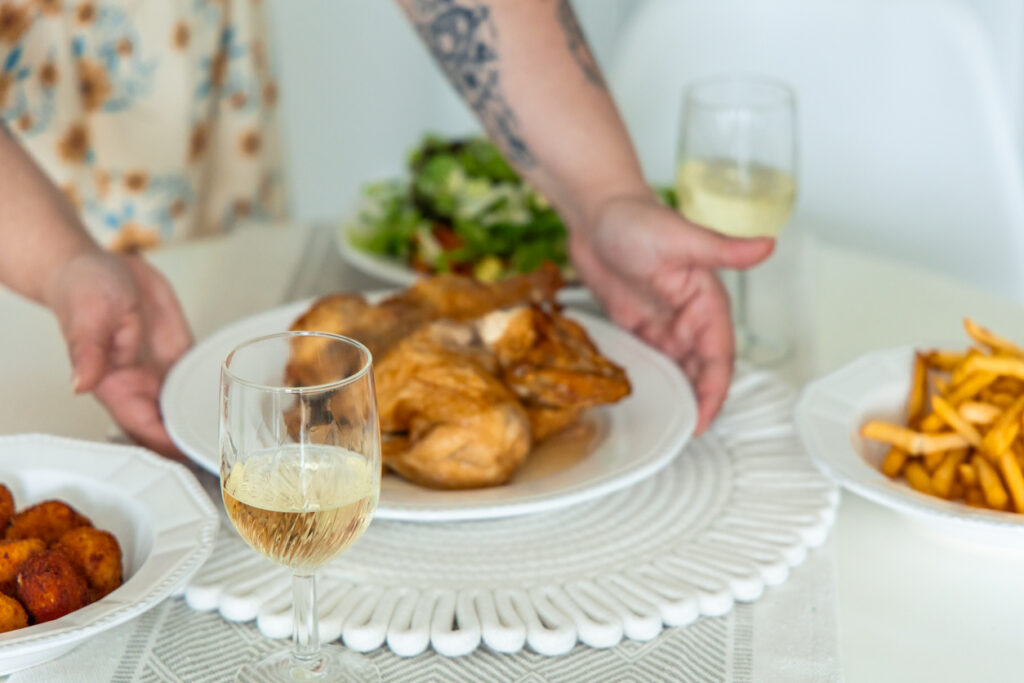
Cupboards groan under the weight of special serving platters, gravy boats, and tureens that only emerge for Christmas dinner. The rest of the year they take up valuable storage space, carefully wrapped and stacked behind everyday dishes.
These pieces connect us to family traditions and special occasions, making their storage burden feel worthwhile. Using them transforms an ordinary meal into an event, so we preserve them for those rare moments when we want dining to feel ceremonial rather than routine.
9. The telephone table with no telephone
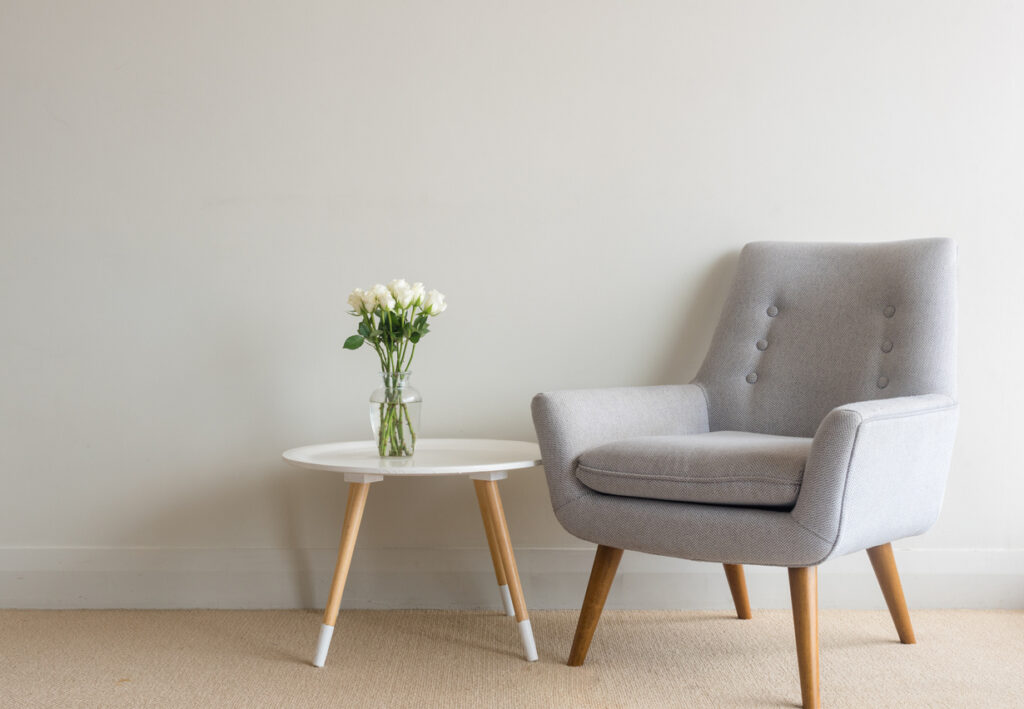
Small tables clearly designed for landline phones still occupy hallways in many British homes, even though the phone itself has long since disappeared or moved elsewhere. The table now holds keys, loose change, or random post, serving as a catch-all surface.
These tables remain because they fit the space, and removing them would leave an awkward gap that’s hard to fill. They’re nostalgic reminders of when phone calls required sitting down in a specific spot, harkening back to a slower pace of life before mobiles made us constantly available.
10. The guest bedroom that’s actually storage
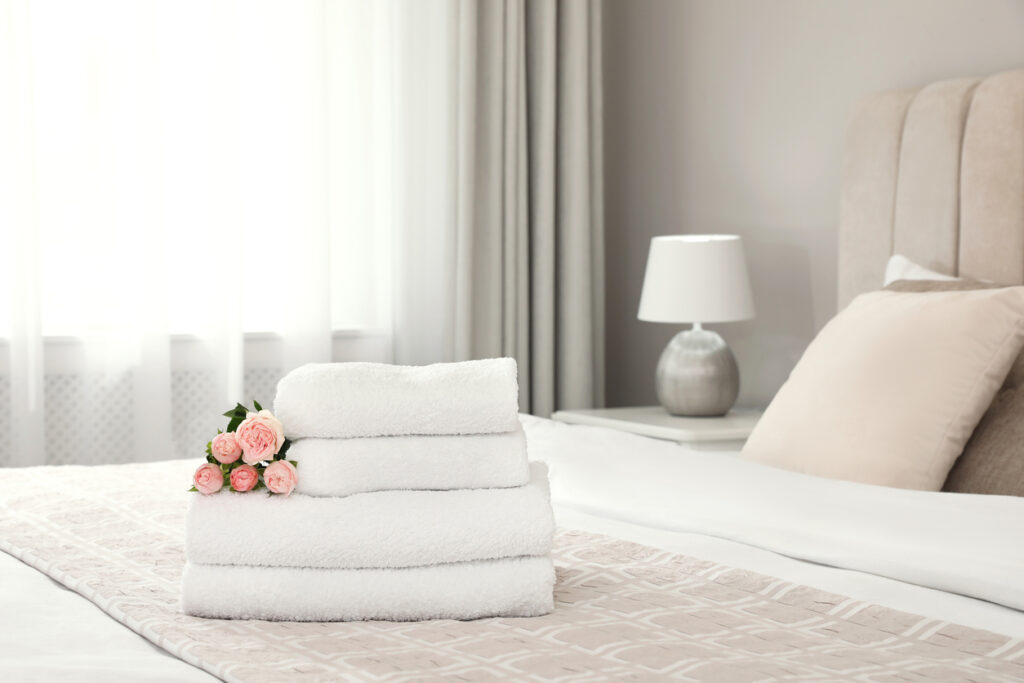
Many British homes have a designated guest room that’s gradually become a dumping ground for exercise equipment, old clothes, and random boxes. The bed is technically there, but it’s buried under so much stuff that accommodating an actual guest would require major excavation.
This room is a manifestation of our aspirational hospitality, conflicting with our actual storage needs. We like having a guest room because it suggests we’re sociable and prepared for visitors, even if we rarely have overnight guests. The room lets us maintain the fiction of being ready for company while serving the practical purpose of hiding clutter.
11. The china cabinet full of plates nobody touches
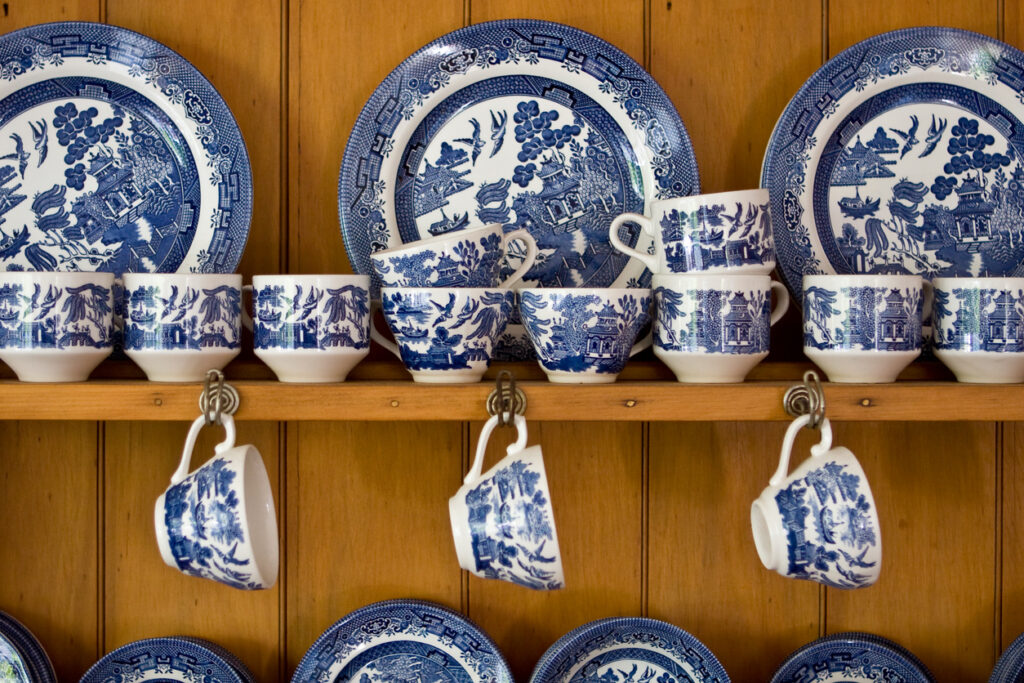
Glass-fronted cabinets display inherited dinner services or wedding china that’s far too precious for everyday meals. The plates sit there gleaming behind glass, occasionally dusted, but never actually used for serving food to real people.
These displays are a sign of family heritage and the fantasy of hosting elegant dinner parties we’ll never actually throw. The china connects us to previous generations and suggests we’re cultured enough to own formal tableware, even though our actual dining happens on mismatched everyday plates while watching television.
12. The decorative soap that’s not for washing
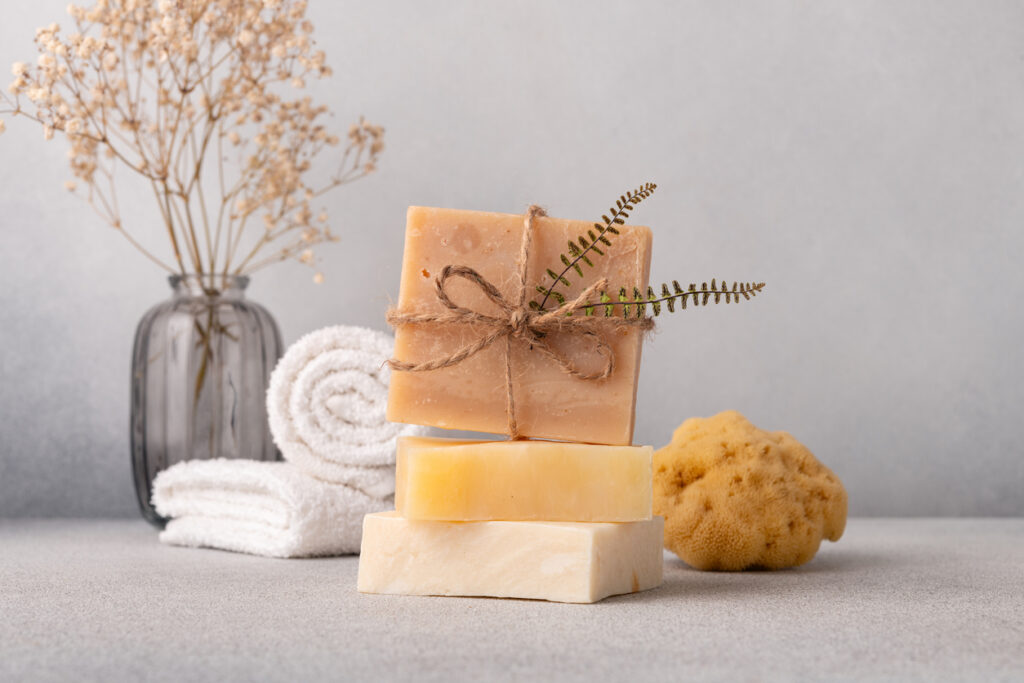
Guest bathrooms often feature fancy shaped soaps in the form of shells, flowers, or geometric designs sitting in dishes by the sink. These soaps are clearly meant for display rather than actual handwashing, while a pump bottle of liquid soap does the real work.
Decorative soap is an indicator of our desire to make even functional spaces feel special and carefully considered. Using these pretty soaps would destroy their appearance and waste the money spent on them, so they sit untouched for years, gradually gathering dust and losing their scent while serving no practical purpose whatsoever.
13. The coat hooks that hold everything except coats
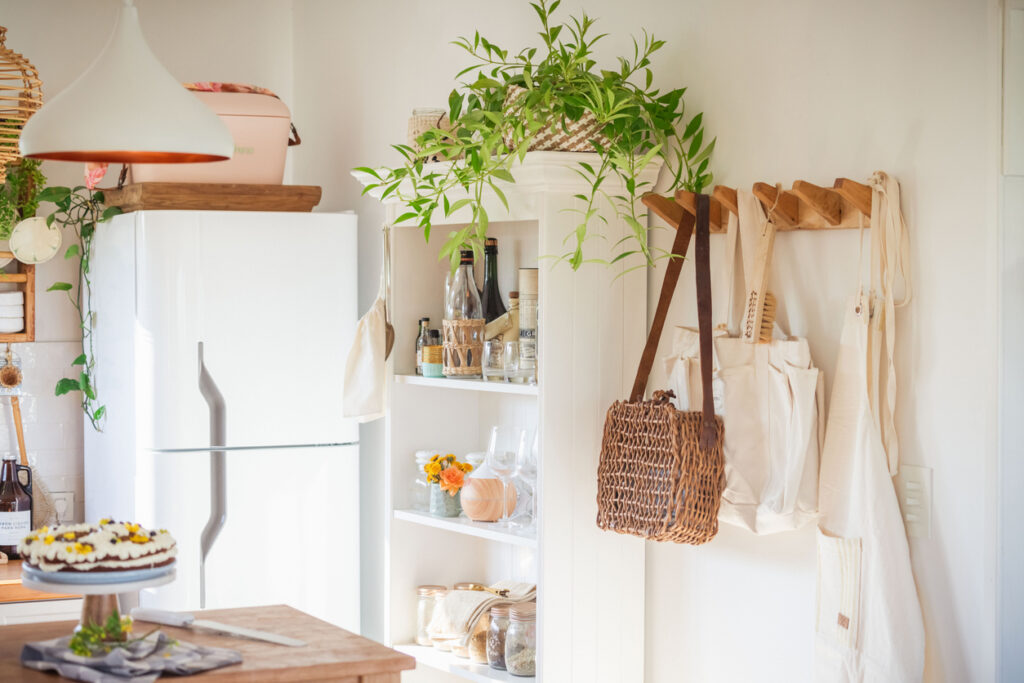
Hallway coat hooks are draped with reusable shopping bags, dog leads, scarves from three winters ago, and random items that have no proper home. Actual coats end up thrown over the banister, or piled on chairs because the hooks are occupied by everything else.
These overloaded hooks show how our homes evolve beyond their intended purposes through daily compromises. We can’t be bothered to put things in their proper places, so hooks become catch-all storage that’s visible every time someone enters the house, silently judging our inability to maintain basic organisation.