Retirement opens up whole stretches of time you never had before, but it can also leave people feeling a bit unsteady if they’re used to busy routines.

The change can be strange and somewhat unnerving at first, especially when the social side of work disappears overnight. That’s why finding something absorbing, social in its own way and genuinely enjoyable can make such a difference. The right hobby gives structure and a reason to get out of the house without it feeling forced.
What surprises many people is that the hobbies that help the most aren’t always the traditional ones. It’s often the more unusual interests that connect you with new people and give you a sense of belonging again. These are the kinds of pastimes that keep your mind active and naturally build connection without the pressure of small talk. Once you find something that suits your personality, the sense of isolation tends to fade on its own.
1. Community theatre groups

Joining a local amateur dramatics society throws you into regular rehearsals with the same group of people for weeks or months. You’re working toward a shared goal, which creates natural bonding opportunities without the pressure of making small talk at awkward social events.
Theatre groups attract people of all ages and backgrounds, giving retirees access to a diverse social circle they might not encounter otherwise. The collaborative nature of putting on a show means everyone relies on each other, creating genuine connections rather than superficial acquaintanceships that fade after one meeting.
2. Volunteering at food banks
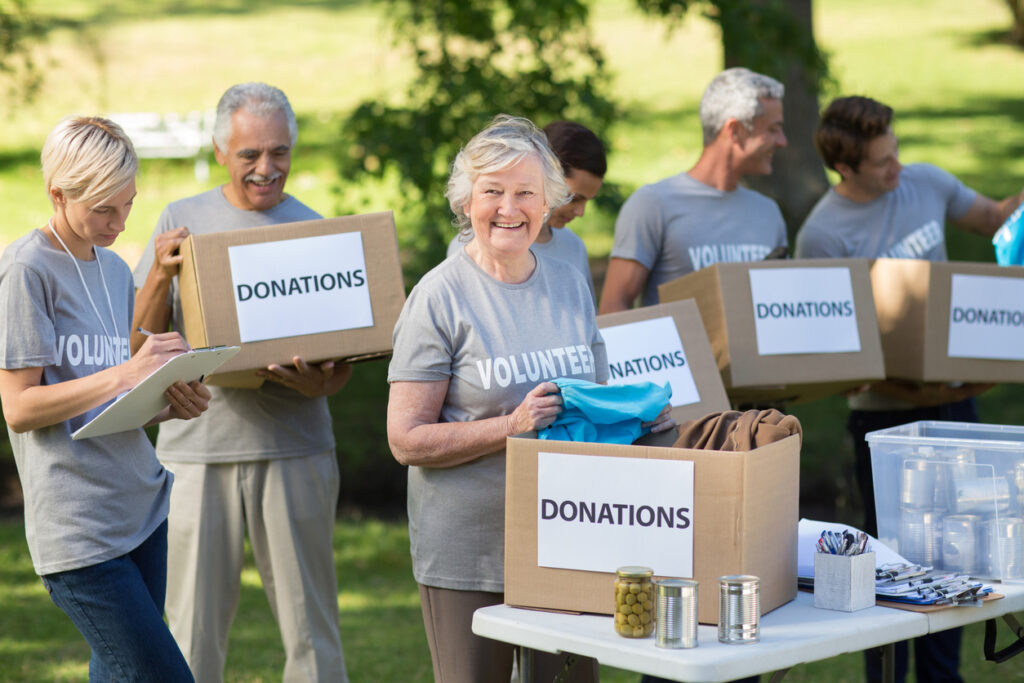
Regular shifts at food banks create a sense of routine and purpose while surrounding you with like-minded people who care about their community. You see the same volunteers and clients week after week, building familiarity that naturally evolves into friendship.
This type of volunteering provides meaningful work that makes isolation impossible because you’re actively helping other people face to face. The shared mission of supporting struggling families creates strong bonds between volunteers, and the gratitude from people you help reminds you that your presence matters to people.
3. Learning a musical instrument in group classes

Adult music classes for beginners create a uniquely supportive environment where everyone struggles together. You meet weekly with the same group, sharing the embarrassment of wrong notes and celebrating small victories, which builds camaraderie quickly.
Music naturally brings people together because making sounds as a group requires cooperation and patience with each other. The regular practice schedule gives you something to look forward to each week, and many groups socialise before or after lessons, extending the connection beyond just the classroom hour.
4. Joining a walking group
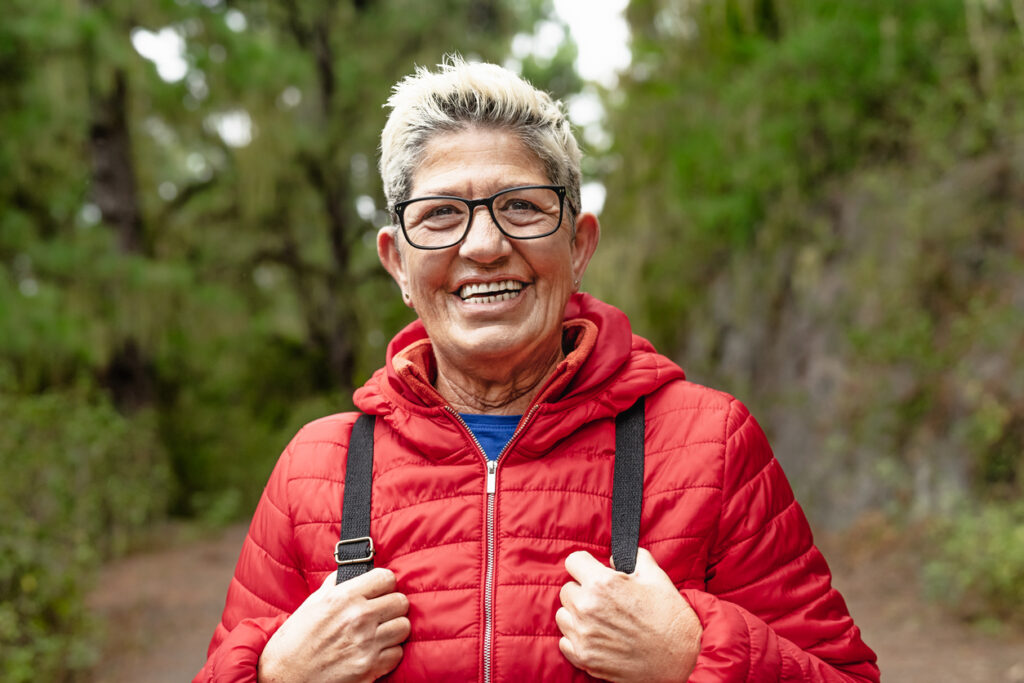
Organised walking groups meet consistently on the same days, creating a reliable social appointment that gets you out of the house. Walking side by side makes conversation flow more naturally than sitting face to face, reducing the anxiety some people feel about socialising.
These groups often stop for tea or lunch after walks, extending the social time beyond just the exercise. The shared experience of exploring new routes and overcoming challenging terrain creates stories and memories that bind the group together over time.
5. Becoming a school reading volunteer
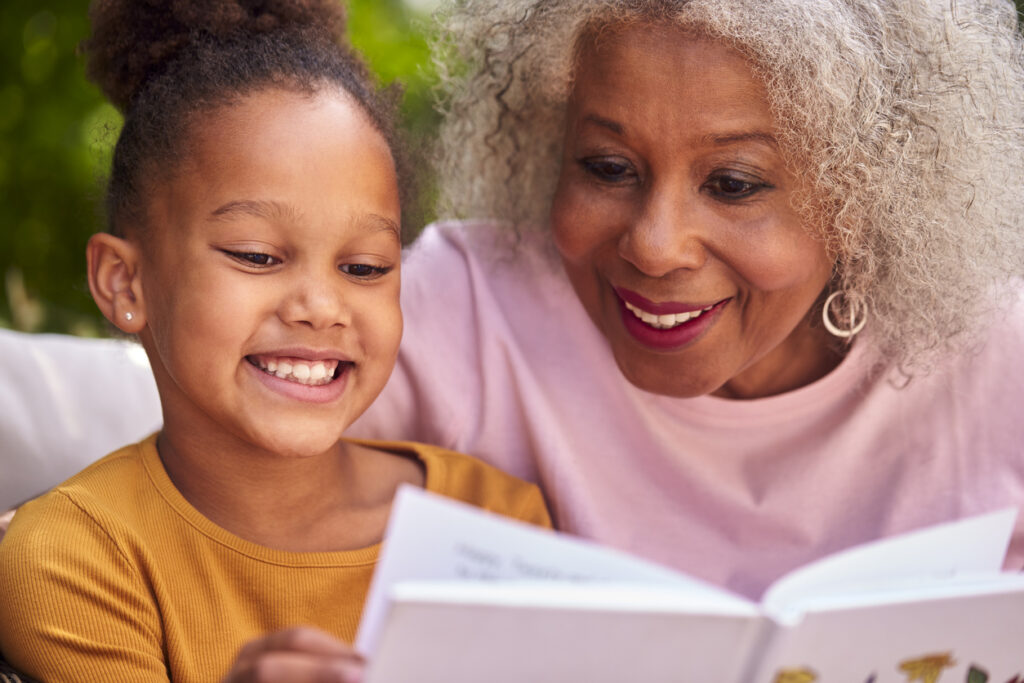
Listening to children read in local primary schools gives you regular interaction with both kids and other volunteers. The children look forward to seeing you each week, providing a sense of being needed that combats the invisibility some retirees feel.
This role connects you to the younger generation in meaningful ways, while also building friendships with fellow volunteers during breaks. Schools desperately need reading helpers, so you’re genuinely valued, and the routine of weekly visits structures your time while ensuring regular human contact.
6. Taking up ballroom or line dancing

Dance classes require physical closeness and coordination with partners, breaking down social barriers quickly. You’re touching hands and moving together from the first lesson, which fast-tracks the bonding process that might take months in other social settings.
Dance communities are incredibly welcoming because everyone remembers being the nervous beginner. Classes typically run for hours with breaks for chatting, and many groups organise social dances where you see the same faces regularly, building a proper social circle rather than just casual acquaintances.
7. Joining a community choir

Singing together creates unique bonds because you’re literally harmonising with other people’s voices. Weekly rehearsals with the same group build familiarity, and the focus on music takes pressure off forced conversation for those who find socialising difficult.
Choirs often socialise after rehearsals and perform at local events, giving you shared goals and experiences. The physical act of singing releases endorphins and requires deep breathing, which naturally reduces stress and makes you more open to connecting with those around you.
8. Becoming a community garden member

Allotments and community gardens create natural meeting points where you bump into the same people regularly while tending your plots. Gardeners naturally chat over fences, share seeds and advice, and help each other with heavy work, building practical friendships.
These spaces attract people who enjoy being outdoors and working with their hands, creating common ground from the start. The seasonal rhythm of planting and harvesting gives you shared experiences to discuss, and surplus vegetables provide natural gifts that strengthen neighbourly bonds.
9. Volunteering at animal shelters
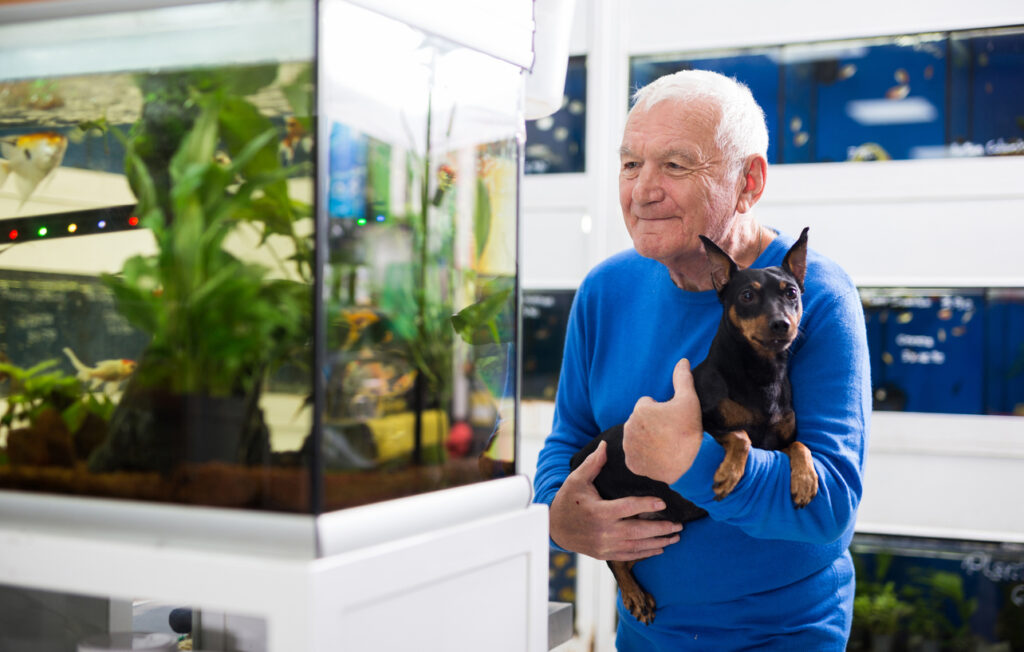
Regular shifts walking dogs or socialising cats puts you alongside other animal lovers in a relaxed environment. Animals provide easy conversation starters and take the pressure off human interaction because you can focus on the pets while naturally chatting with fellow volunteers.
Shelters need consistent help, so you become a recognised face that staff and other volunteers depend on. The animals themselves provide affection and purpose, while the humans around you share your values about animal welfare, creating instant common ground for friendships to develop.
10. Joining a book club

Monthly book club meetings give you regular social appointments with built-in conversation topics. Even shy people can contribute because there’s always the book to discuss, removing the panic of not knowing what to say in purely social situations.
Book clubs often expand beyond just discussing literature, with members meeting for coffee between official meetings or attending author events together. The shared reading creates inside jokes and references that bind the group, making you feel part of something exclusive and special.
11. Taking art classes

Weekly painting, pottery, or drawing classes put you in a room with people working quietly alongside each other. The focus on creating something removes pressure to be constantly chatty, but breaks naturally fill with conversations about techniques and admiring each other’s work.
Art students often continue friendships outside class, visiting galleries together or meeting for practice sessions. The vulnerability of sharing your creative attempts builds trust quickly, and watching each other improve over weeks creates genuine pride in mutual progress.
12. Becoming a museum or gallery volunteer

Docent training and regular shifts surround you with curious, educated people who enjoy learning. You interact with visitors constantly, which keeps your social skills sharp, while fellow volunteers become friends through shared shifts and staff socials.
Museums value their volunteers highly and often organise special events and previews exclusively for them. The intellectual stimulation of learning about exhibits gives you interesting things to discuss with family and friends, making you a more engaging conversationalist overall.
13. Joining a board game café group
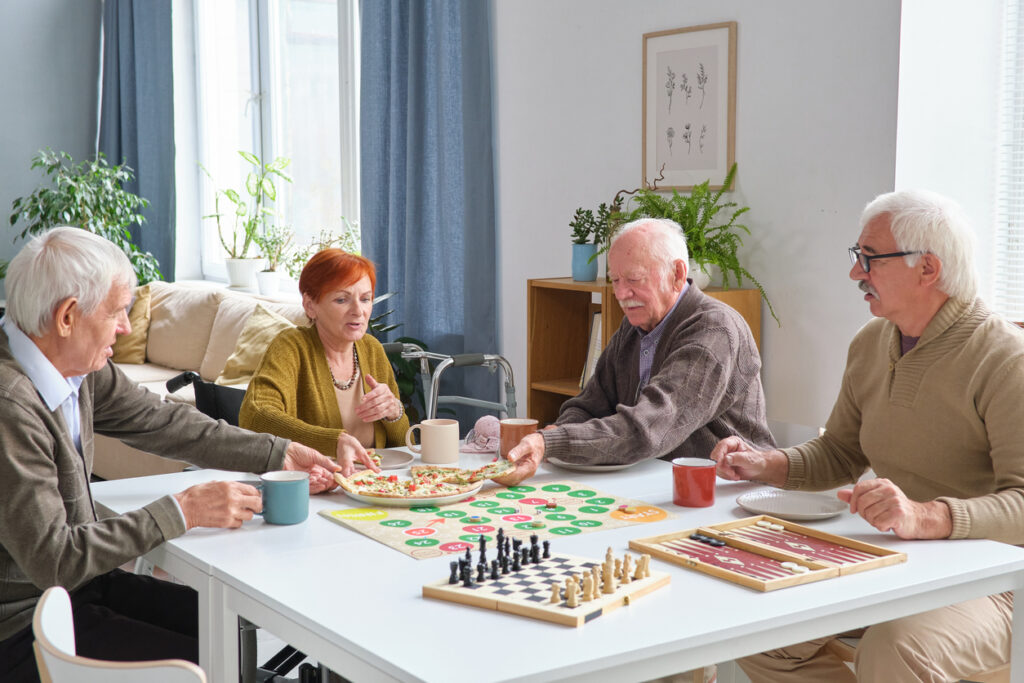
Regular board game meetups create structured social time where the games themselves guide interaction. You don’t need to be naturally outgoing because the rules provide conversation structure, and cooperative games especially require teamwork that builds quick connections.
Game groups welcome newcomers because they always need players to make teams work. The focus on fun and friendly competition creates a relaxed atmosphere where friendships form naturally through laughter and shared experiences rather than forced getting-to-know-you conversations.
14. Volunteering as a befriender
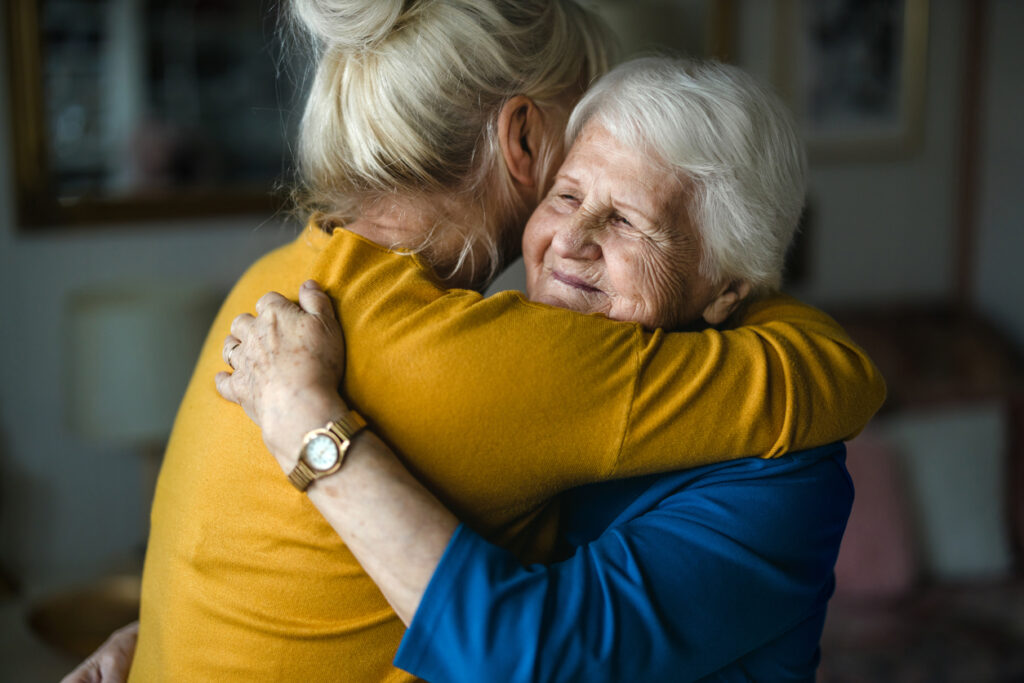
Befriending schemes match you with isolated people for regular visits or phone calls. You’re helping someone lonelier than yourself, which provides purpose, but the relationship becomes genuinely two-way as you share stories and develop real affection for each other.
These programs combat your own loneliness while addressing someone else’s, creating meaningful one-on-one connections that feel more substantial than large group socialising. The regular schedule ensures you have appointments to look forward to, and knowing someone depends on your visits makes you feel valued and needed.