Only a couple of decades ago, there were plenty of things you’d never dream of so much as mentioning out loud.
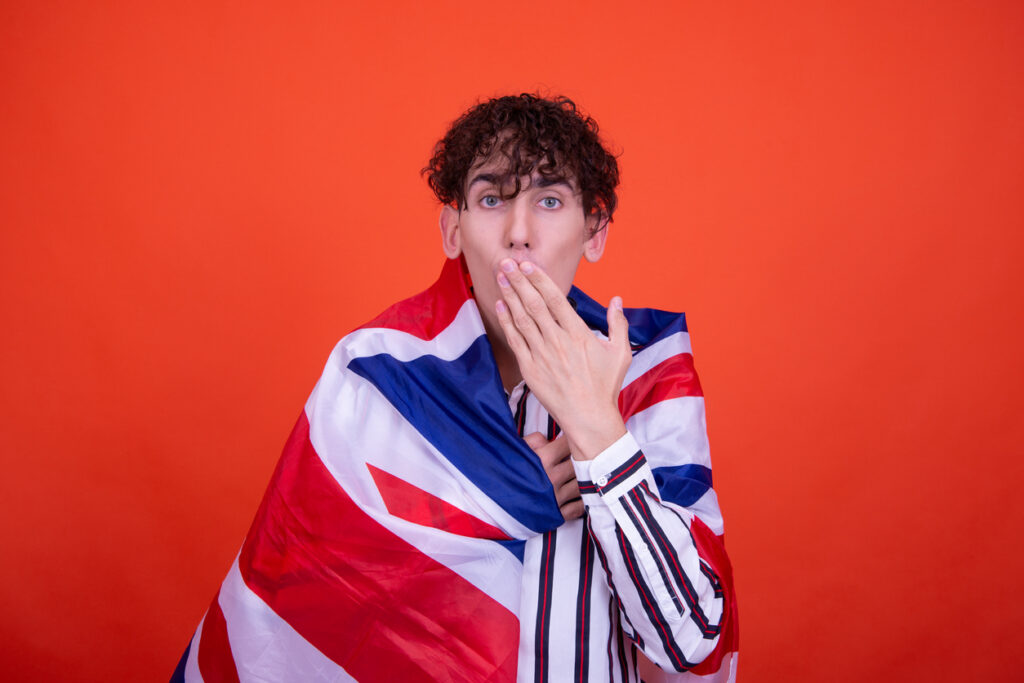
You’d wait until the room cleared before whispering them to a friend, or just keep them to yourself entirely. Fast-forward to today, and people are casually discussing everything from their digestive issues to their therapy sessions online, on TV, and in group chats without a hint of embarrassment. What used to be mortifying has somehow become completely normal.
We’re not just oversharing for the sake of it, either. We Brits have started trading self-consciousness for honesty, and it’s oddly liberating. There’s less pretending, less hiding, and a lot more shrugging off the things that used to make us cringe. Maybe it’s the internet, maybe it’s the slow death of British reserve, but one thing’s for sure: the national stiff upper lip has finally loosened.
These are some of the things we’re way more open about these days.
1. Sweating visibly and talking about it
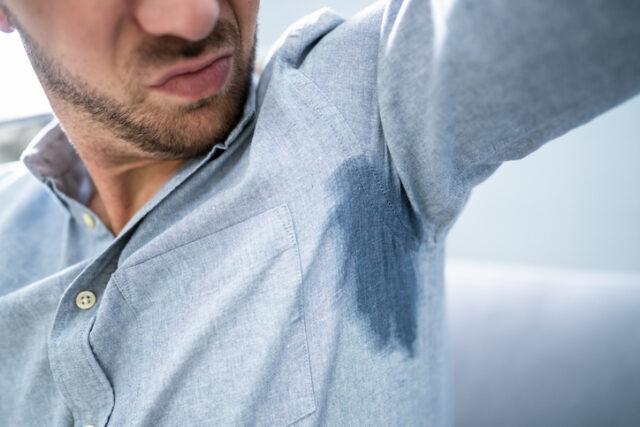
Alan Carr spent an entire episode of “The Traitors” dripping with stress sweat and openly admitting he has a sweating problem. Twenty years ago, that would’ve been edited out, or he’d have been too embarrassed to acknowledge it at all.
Now people discuss their excessive sweating casually, with celebrities like Steve Carell and Cameron Diaz talking about it in interviews. What used to be hidden under layers of antiperspirant and shame is now just another thing people mention without thinking twice.
2. Farting in public and owning up to it

Also on “The Traitors,” Celia Imrie announced on national television that she’d just farted, blamed it on nerves, and said she always owns up. That kind of admission would’ve been unthinkable on a mainstream show even ten years ago.
The pretence that women don’t fart or that bodily functions should never be acknowledged has crumbled. People are admitting to it, laughing about it, and treating it as the normal human experience it is instead of something shameful.
3. Discussing intimate medical procedures publicly

Chrissy Teigen casually revealed she got Botox injections in her armpits to stop excessive sweating, posting about it on Instagram like it was no bigger deal than getting a haircut. That level of detail about body modification would’ve been kept private before. She’s not British, but she’s one example of just how open we’re becoming talking about the intimate details of our health.
Now people share their medical interventions openly, from cosmetic procedures to treatments for embarrassing conditions. The secrecy around what we do to our bodies has disappeared as people realise that everyone’s dealing with similar issues.
4. Admitting to infections from bodily functions

Adele told thousands of people at her Las Vegas residency that she’d contracted a fungal infection from sitting in her own sweat during performances. That’s the kind of intimate health detail that celebrities used to hide completely.
Sharing information about infections, rashes, or conditions caused by normal body processes used to be too embarrassing to mention. Now it’s seen as relatable honesty that makes people more human, rather than something to be ashamed of.
5. Posting sweaty gym selfies proudly
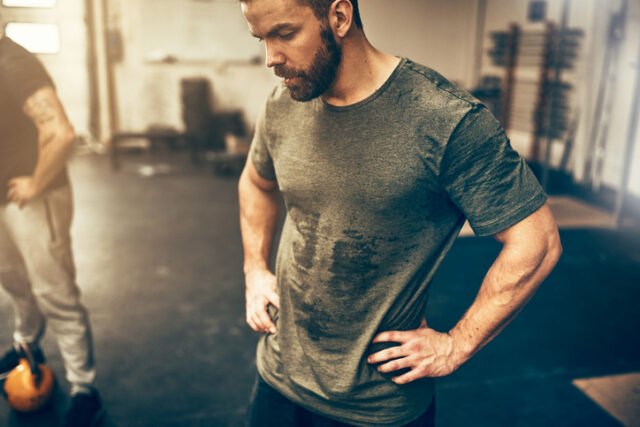
Social media is full of people posting photos mid-workout or right after, drenched in sweat with red faces and messy hair. What used to be something you’d clean up before photographing is now the whole point of the photo.
Vogue has literally done full-blown features on the sweaty face aesthetic, and Forbes labelled public sweatiness a fashion trend. Instead of waiting until you look presentable, people are proudly showing the messy reality of actually working out, rather than pretending they woke up perfect.
6. Talking openly about body odour

Remi Bader, a beauty influencer with millions of followers, partnered with Dove to talk about how sweaty she is and encourage other people to share photos of their armpits. This kind of openness about smelling would’ve been career suicide for an influencer before.
The shame around natural body odour has eased as people push back against unrealistic expectations. Instead of pretending humans don’t smell, there’s growing acceptance that everyone sweats and has odour, it’s just part of having a body.
7. Meeting colleagues at saunas for business
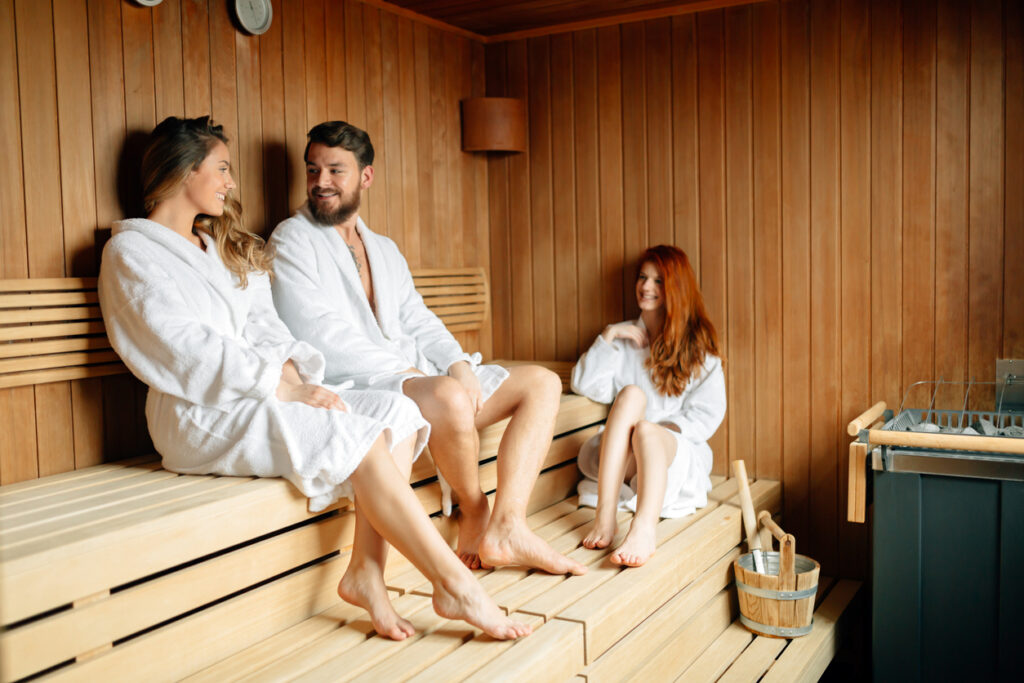
Yes, this is a thing in some cities around the UK. Young professionals are holding work meetings in saunas where everyone’s sweating in swimming costumes together. The formality and physical distance that used to define professional relationships has broken down completely in some circles.
What would’ve seemed wildly inappropriate, being nearly naked and dripping with sweat around coworkers, is now seen as a bonding experience. The idea is that sweating together creates equality and makes it easier to have honest conversations.
8. Discussing bathroom issues without euphemisms

People are talking plainly about constipation, diarrhoea, periods, and other digestive or bodily issues that used to require coded language or complete silence. The euphemisms and dancing around topics have given way to direct conversation.
What changed is the realisation that everyone deals with these things and the secrecy was pointless. Being straightforward about digestive issues or bathroom struggles is now seen as mature honesty rather than oversharing or being gross.
9. Sharing details about periods publicly

Period talk has gone from whispered conversations to open discussions about flow, pain, symptoms, and products on social media and in mixed company. What used to be women’s secret business is now discussed openly by people of all genders.
The taboo around menstruation has crumbled as people recognise that it’s a normal biological function affecting half the population. Hiding it or speaking in code now seems outdated compared to just being honest about what’s happening.
10. Admitting to digestive problems

Celebrities and regular people alike are discussing IBS, food intolerances, bloating, and other digestive issues that would’ve been too embarrassing to mention publicly before. These conditions are now conversation topics rather than shameful secrets.
The normalisation of talking about gut health means people can get help and support instead of suffering silently. What used to be hidden because it seemed disgusting is now understood as a common medical issue worth discussing.
11. Discussing cosmetic procedures for bodily functions

Beyond just Botox for sweat, people are openly discussing procedures to address body issues like excessive hair, skin conditions, or other concerns they would’ve hidden before. The secrecy around medical interventions for embarrassing problems has lifted.
Admitting you needed medical help for a bodily function used to suggest something was wrong with you. Now it’s seen as taking care of yourself and being honest about the reality that bodies sometimes need intervention to function comfortably.
12. Talking about skin conditions openly
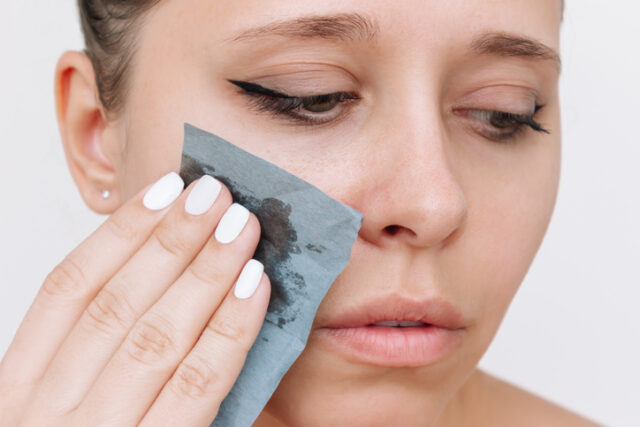
Acne, eczema, psoriasis, fungal infections, conditions that used to be hidden under makeup or clothing are now being shared in detail on social media with photos and treatment discussions. The shame around imperfect skin has decreased dramatically.
People are showing their real skin rather than filtered perfection, which has made these conditions feel less isolating. When everyone’s being honest about their skin issues, individual shame decreases because you realise how common these problems actually are.
13. Admitting to excessive sweating conditions

Similar to actually openly showcasing our sweat, we’re talking about it more, too. Hyperhidrosis, the medical condition causing excessive sweating, used to be something people suffered with privately. Now sufferers are discussing it openly, sharing coping strategies, and admitting how it affects their daily lives without embarrassment.
The visibility of the condition has made it easier for people to seek treatment and feel less alone. What used to be a secret source of shame is now a recognised medical issue people can discuss without feeling like there’s something uniquely wrong with them.
14. Sharing “sweaty makeup” looks intentionally
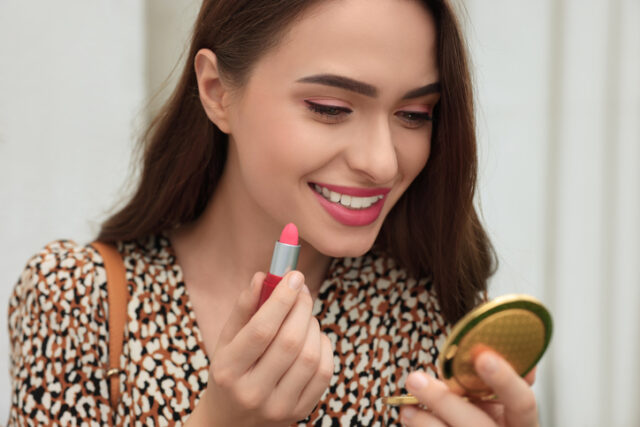
It’s not just actual sweaty selfies that are doing the rounds, but intentionally creating the look. Beauty therapists report customers asking for makeup that looks sweaty, dewy, or like they’ve just finished a workout. Deliberately looking like you’ve been sweating would’ve seemed mad when the goal used to be looking completely matte and controlled.
The aesthetic change shows that sweat has gone from something to hide to something that signals health and activity. Looking like you’ve been physically exerting yourself is now aspirational rather than something to immediately clean up and conceal.
15. Discussing hygiene routines in detail
How often you shower, what you do about body hair, your skincare routine, intimate hygiene practices, all these personal details are now common conversation topics and social media content. The privacy around these routines has completely dissolved.
What used to be information you’d maybe share with a close friend is now public content. People compare routines, debate best practices, and share intimate details about their bodies and hygiene that would’ve been considered far too personal just years ago.
16. Admitting to body quirks without shame

Whether it’s excessive sweating in certain areas, unusual body sounds, weird smells, or other physical quirks, people are admitting to these things openly rather than pretending their bodies work perfectly all the time.
The shift shows a move away from pretending we’re all operating identically toward accepting that bodies are weird, unpredictable, and sometimes embarrassing. Sharing these quirks has become a way of connecting over shared humanity, rather than maintaining a polished facade that nobody actually lives up to.