You know what’s weird? Most of us can watch modern horror films and forget about them by the time we’re making tea afterwards.
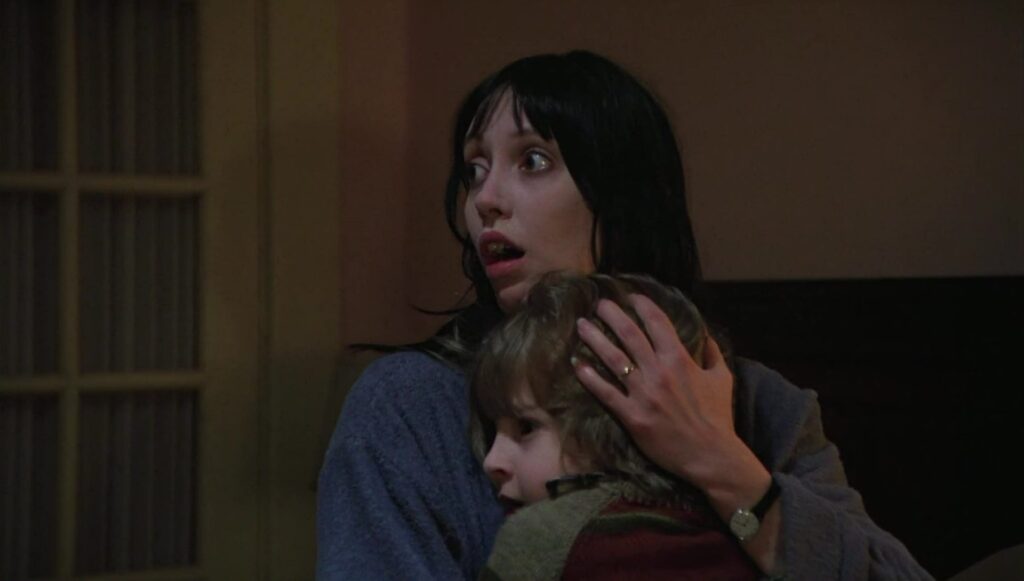
However, there are scenes from films we watched as a kid in the ’70s and ’80s that still pop into our heads at random moments and make us feel genuinely uncomfortable. We’re not talking jump-scare startled, but properly unsettled, like something’s crawled under our skin and stayed there.
The Exorcist made you scared of children.
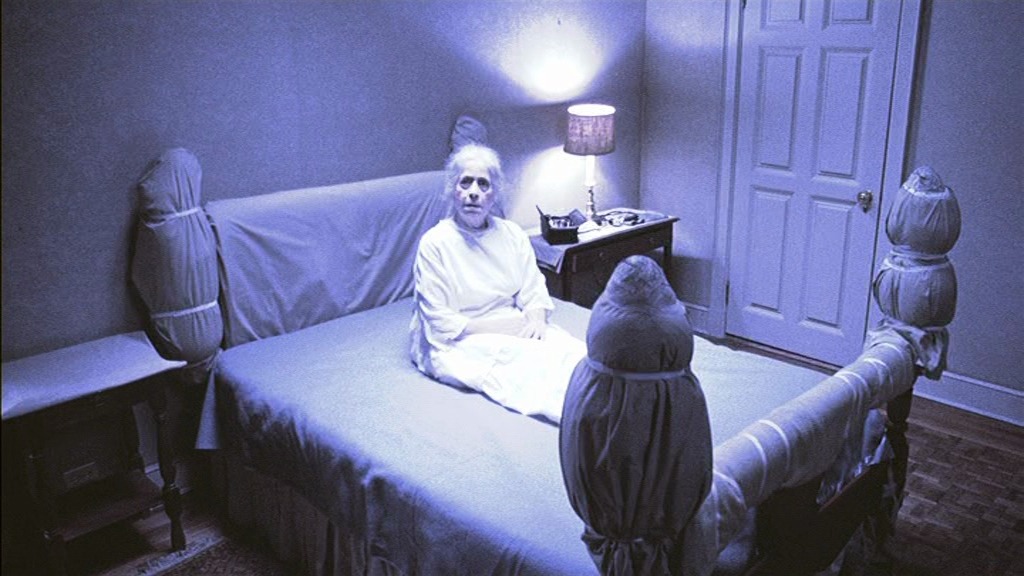
The Exorcist came out in 1973, and pretty much everyone absolutely lost it over this film. There were stories about audiences vomiting, fainting, running out of cinemas. And when you watch it now, you can understand why.
The thing that gets under your skin isn’t the head spinning or the projectile vomiting. It’s watching this 12-year-old girl suffer, and watching her mother completely fall apart because she can’t help her. The medical scenes are almost harder to watch than the possession scenes. Just this little girl being put through horrible tests, doctors performing brutal procedures trying to find out what’s wrong, and nothing works because it’s not something medicine can fix.
When Regan’s strapped to the bed, when she’s screaming and saying horrible things in that voice that isn’t hers, you can still see the terrified child underneath it all. You’re not watching a monster, you’re watching a little girl who’s trapped inside her own body while something else controls it.
The Shining made you scared of being trapped.
The Shining from 1980 is a slow descent into madness, and the hotel itself is the real villain. The Overlook is huge and empty and deeply wrong, and the Torrance family is trapped there for the entire winter with no way out.
Jack Nicholson’s transformation from frustrated writer to axe-wielding maniac is gradual and believable. You watch him get more irritable, more unstable, more disconnected from reality. The interviews with the ghosts, the bartender who serves him drinks that aren’t there, the woman in room 237 who’s beautiful until she’s not. The hotel isn’t just haunted, it’s actively malevolent, and it wants Jack to hurt his family.
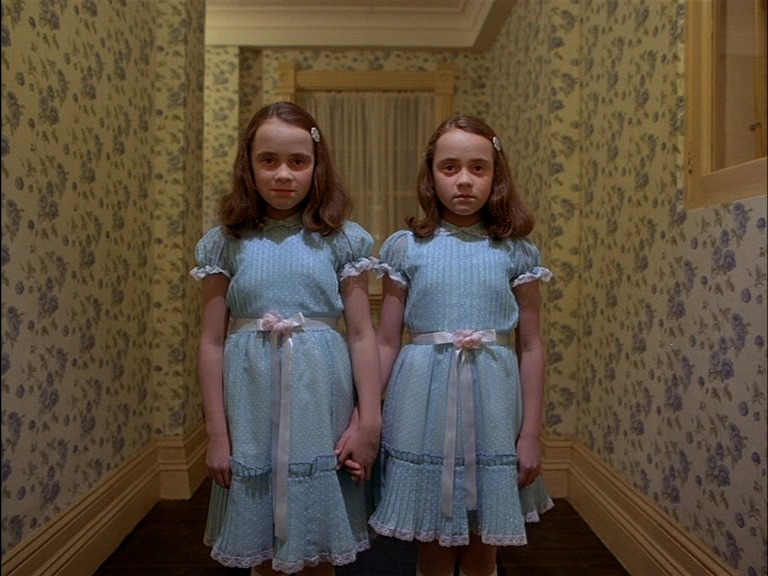
The twins in the hallway. “Come play with us, Danny. Forever and ever and ever.” Just two little girls standing there, and then suddenly you see them dead, covered in blood, hacked to pieces. It’s brief, but it’s seared into your brain forever.
But the most disturbing scenes are the ones between Jack and Wendy, particularly near the end when she realizes what he’s planning to do. “I’m not gonna hurt ya. I’m just going to bash your brains in.” The way he says it, almost joking, while pursuing her with a baseball bat. She’s trapped in this massive hotel with a man she loved who’s now trying to kill her, and their son is somewhere else in the building, and there’s nowhere to run.
The Omen made every quiet child suspicious.
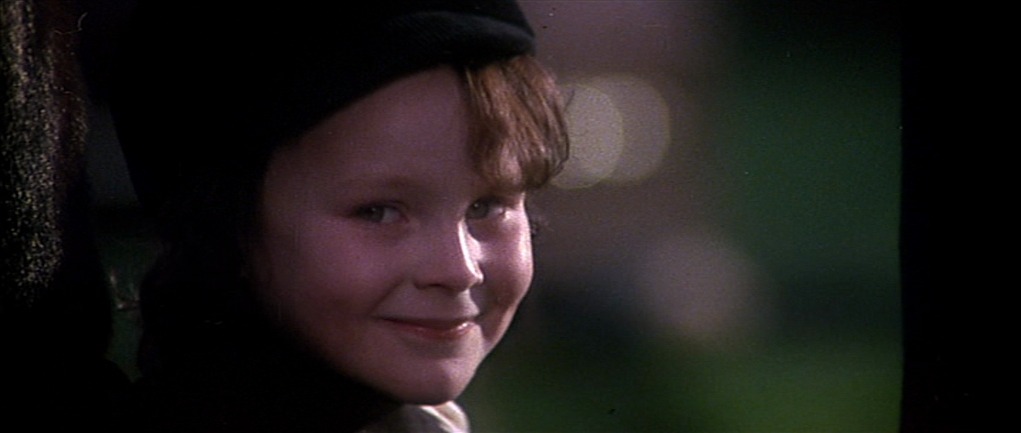
The Omen from 1976 works because it’s about a child who’s not possessed or a victim. He’s the Antichrist, and from the very beginning, people around him start dying in increasingly horrible ways.
The nanny hanging herself at his birthday party. The priest being impaled by a falling lightning rod. The photographer getting decapitated by a sheet of glass. These aren’t quick deaths, they’re elaborate and cruel, and the film shows you enough to make you wince.
What makes Damien disturbing is how normal he seems most of the time. He’s just a little boy. He’s quiet, well-behaved, a bit strange maybe, but nothing that would make you immediately think “that child is the Antichrist.” Evil doesn’t always announce itself. Sometimes it just looks like a small child who makes you feel slightly uncomfortable when he stares at you.
The scene at the zoo, when all the animals lose it because he’s there, that’s brilliantly unsettling. Animals can sense something wrong with him that humans can’t. And the ending is properly grim. Evil wins. The Antichrist survives and is now positioned to grow up and do whatever he’s meant to do. There’s no comfort there at all.
Carrie made you feel sorry for the monster.
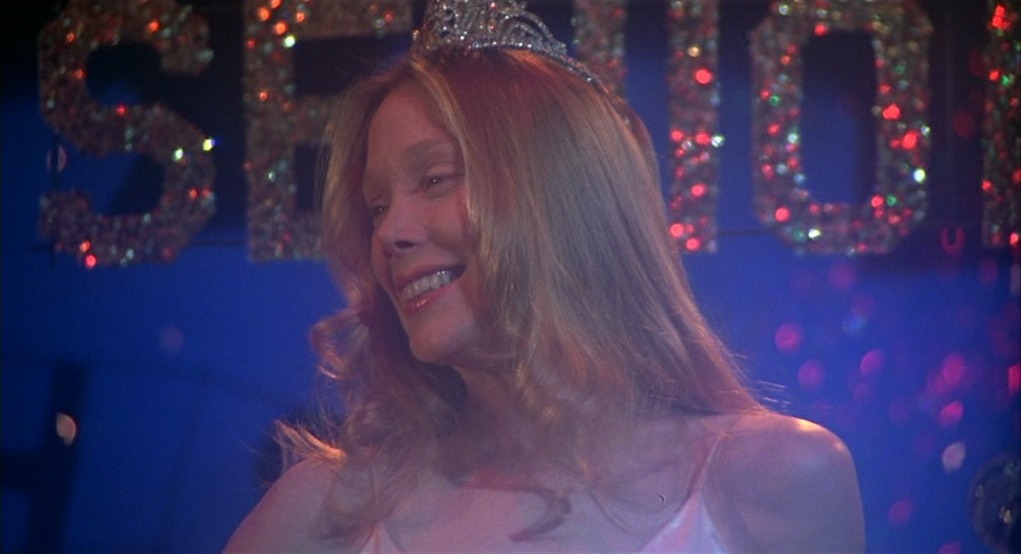
Carrie from 1976 is heartbreaking before it’s horrifying. You watch this girl get bullied relentlessly, humiliated in the worst possible way, raised by a religious fanatic mother who treats her like she’s inherently sinful. By the time she finally snaps at the prom, you almost want her to destroy everyone.
That prom scene is still brutal to watch. The bucket of pig’s blood, the slow-motion humiliation, everyone laughing at her. And then her face changes, and you realize everyone in that room is about to pay for what they’ve done. The doors lock, the fire hoses activate, the entire place becomes a death trap, and Carrie just stands there, covered in blood, making it all happen with her mind.
What stays with you is how sad it all is. She didn’t want to hurt anyone. She just wanted one nice night, one moment where she felt normal and accepted. And they couldn’t even give her that. The scene where she’s walking home, still covered in blood, and her mother’s waiting with a knife, that’s almost worse than the prom massacre. She can’t even escape to safety. There is no safety for her anywhere.
The Wicker Man made folk horror genuinely frightening.
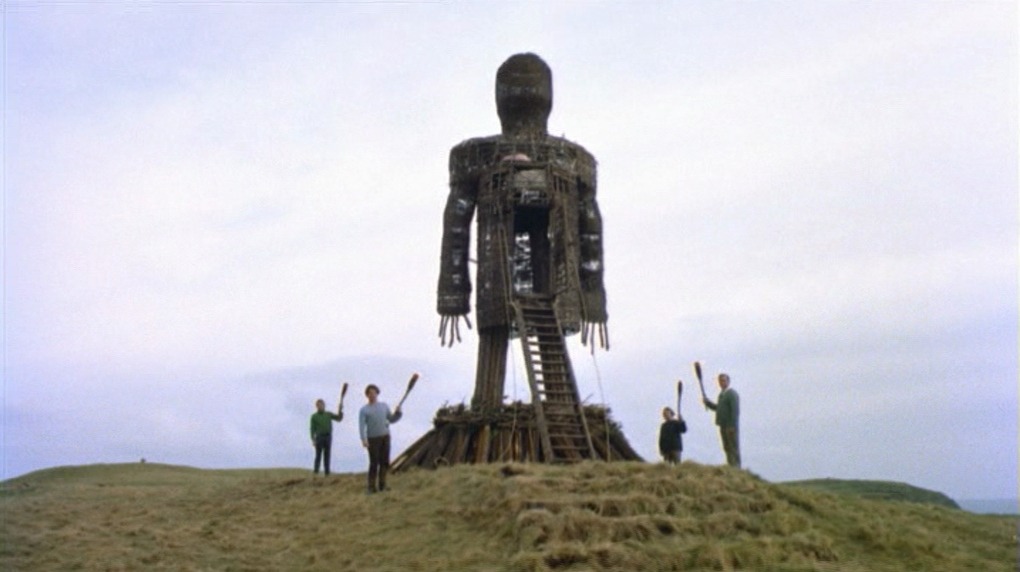
The original 1973 Wicker Man is disturbing in a completely different way. There’s no supernatural threat, no monster hiding in the shadows. Just an entire community of seemingly normal people who’ve collectively decided that ritual sacrifice is perfectly acceptable, and they’re all completely calm about it.
Sergeant Howie arrives on Summerisle as the rational authority figure, the Christian policeman who’s going to solve a case and restore order. Instead, he finds himself increasingly isolated in a place where his values mean nothing, where children sing songs about phallic symbols in school, where everyone from the landlord’s daughter to the local teacher is complicit in something he can’t quite grasp until it’s far too late.
The true horror is watching him slowly realize he’s been manipulated from the very beginning. Every clue he followed, every person he questioned, every moral stance he took just made him a better sacrifice. His virginity, his devotion to his faith, his role as a figure of authority, everything that made him righteous in his own eyes made him perfect for their purposes.
That final scene, inside the wicker man itself, is genuinely harrowing. He’s not being killed by a monster or a madman. He’s being killed by an entire community of people who are singing and celebrating while he burns. That randomness, that sense that horror can just happen to you for no reason, that’s what makes it linger.
Salem’s Lot ruined bedroom windows forever.
I don’t care that it was a TV movie. Salem’s Lot traumatized an entire generation of children in 1979, and if you watched it, you know exactly which scene I’m talking about. That boy floating outside the window, tapping on the glass, asking to be let in. His friend opens the window, and that’s it, that’s the moment that made sure you never felt completely safe in your bedroom again.
What made it worse was that it wasn’t some random vampire. It was his mate. His actual friend who’d gone missing. So it played on this horrible idea that someone you know and trust could become something that wants to hurt you, and you might let them in because you still recognize them as the person they used to be.
I remember lying in bed after watching it, absolutely convinced that if I looked at the window, there’d be something floating there. Even now, decades later, if I’m in bed and there’s a window I can see, some small part of my brain goes “but what if there’s a pale child floating outside it.” That’s what a properly disturbing image does. It doesn’t leave you.
Poltergeist made your house the enemy.
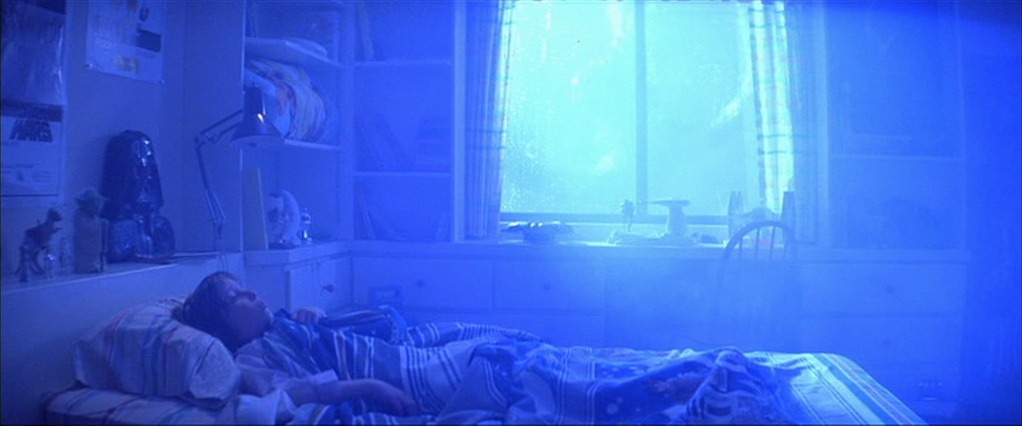
Poltergeist came out in 1982, and it did something truly evil. It took all the normal things in your house, the things that were supposed to be safe and familiar, and made them threatening. The telly, the tree outside, the clown doll, even the bloody swimming pool. Suddenly, nowhere in your own home felt completely safe.
That clown doll scene is the one everyone remembers, and for good reason. It’s sitting there in the corner of the room, and you know, you absolutely know, it’s going to do something. But when it finally moves, when it drags Robbie under the bed, it’s still terrifying even though you saw it coming.
But honestly, the tree scene might be worse. The way it crashes through the window and grabs the boy, the branches holding him like hands, trying to feed him into this mouth-like hole in the trunk. It’s visceral and nightmarish, and afterwards, any tree near a bedroom window became suspicious.
And Carol Anne getting pulled into the telly. The static, her little hand pressed against the screen from the inside, her voice getting further away. It’s not gory, it’s not explicitly violent, but it’s deeply disturbing because it’s a child being taken somewhere, and her parents can’t follow, can’t protect her, can just watch her disappear into a space that shouldn’t exist.
The Thing made you paranoid about everyone.
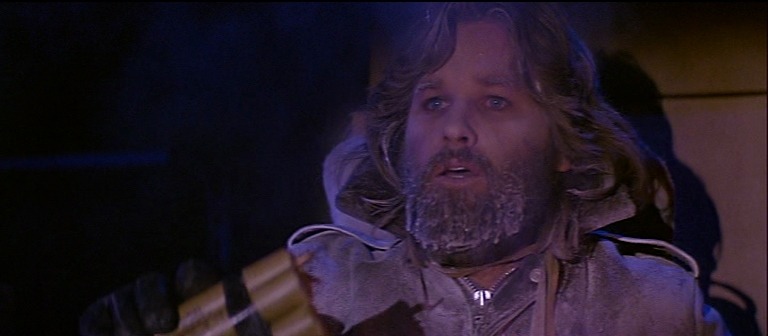
John Carpenter’s The Thing from 1982 is claustrophobic paranoia turned into a film. A group of men stuck in an Antarctic research station, and one of them isn’t human anymore. The alien can perfectly imitate anyone, so nobody knows who to trust, and the tension just builds and builds until everyone’s suspecting everyone else.
The practical effects are still some of the most disturbing ever put on film. When the thing reveals itself, it’s not just scary, it’s genuinely grotesque. Bodies splitting open, heads growing spider legs, chests turning into mouths full of teeth. It’s body horror at its absolute finest, and because it’s all practical effects, it looks real in a way CGI never quite manages.
The blood test scene is masterfully tense. They’ve figured out a way to identify the thing, testing everyone’s blood to see which one reacts. You’re watching these men who’ve been working together, who know each other, and any one of them could be the monster. When it finally reveals itself, the eruption of violence is both terrifying and somehow a relief because at least now they know.
But the ending is what really stays with you. MacReady and Childs sitting in the snow, both of them unsure if the other one’s human, both of them knowing they’re probably going to freeze to death anyway. No resolution, no certainty, just two men waiting to die in the cold, unable to trust each other. That ambiguity is more disturbing than any monster.
An American Werewolf in London made transformation horrifying.
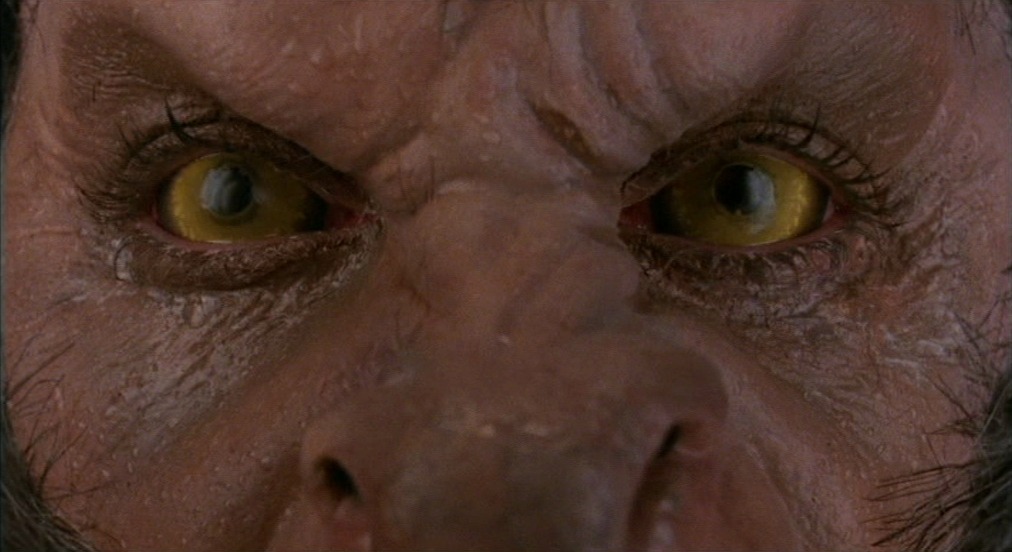
An American Werewolf in London from 1981 is often remembered for being funny, and it is, but that transformation scene is anything but. When David turns into a werewolf for the first time, it’s not quick or magical. It’s prolonged and agonizing, and you watch every horrible second of it.
His bones crack and extend, his face stretches and reforms, his hands turn into claws. He’s screaming in pain the entire time, and it goes on and on. It’s not empowering or cool, it’s just suffering. The practical effects are incredible, and because you’ve spent time with David because you like him, watching him go through this is genuinely upsetting.
What makes it disturbing is that he’s aware of what’s happening. He knows he’s turning into something that’s going to kill people, and there’s nothing he can do about it. The scenes with his victims appearing to him afterwards, rotting more each time, begging him to kill himself so they can finally rest, that’s psychological horror layered on top of the physical horror.
The final scene in Piccadilly Circus, where he’s cornered in an alley as a werewolf and the only way to stop him is for someone who loves him to talk to him, to try to reach whatever’s left of David inside the monster. And it doesn’t work. They have to shoot him anyway. Love doesn’t save him, humanity doesn’t win, he just dies as a monster in an alley.
Invasion of the Body Snatchers made sleep terrifying.
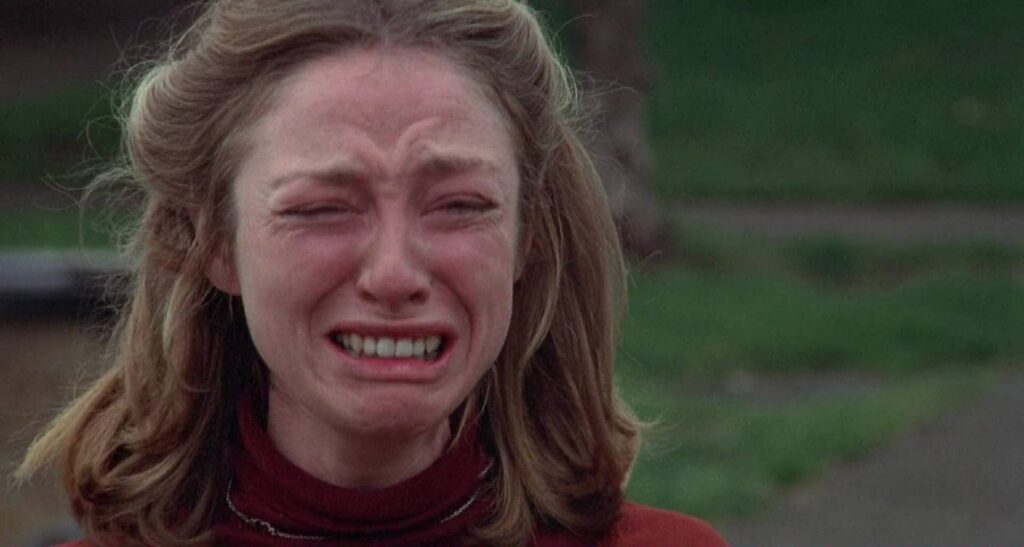
The 1978 remake of Invasion of the Body Snatchers is paranoia distilled into film. People are being replaced by perfect copies while they sleep, and once you’re replaced, the old you is gone. Your memories, your personality, everything that made you, you, just erased and replaced with something that looks like you but isn’t.
What makes it disturbing is how subtle it is at first. People notice their loved ones acting slightly off, slightly wrong, but can’t quite articulate what’s different. And when they try to tell others, when they try to get help, they realize more and more people have already been replaced. The paranoia becomes overwhelming. Who can you trust? How do you know if someone’s still human?
The pods themselves are deeply unsettling. These organic, pulsing things that grow perfect duplicates of people. You see them forming, developing faces and bodies, and it’s visceral and wrong in a way that’s hard to describe. They’re not mechanical or alien in an obvious way, they’re biological, almost like tumours growing into people.
And that ending. Donald Sutherland pointing and making that inhuman shrieking sound. The last human left has been replaced, and that’s it, humanity’s over. Not with a bang, but with a replacement, everyone gone and replaced with things that look like them but aren’t. It’s a properly bleak ending that stays with you because there’s no hope in it at all.
The Changeling proved ghosts could be sad.
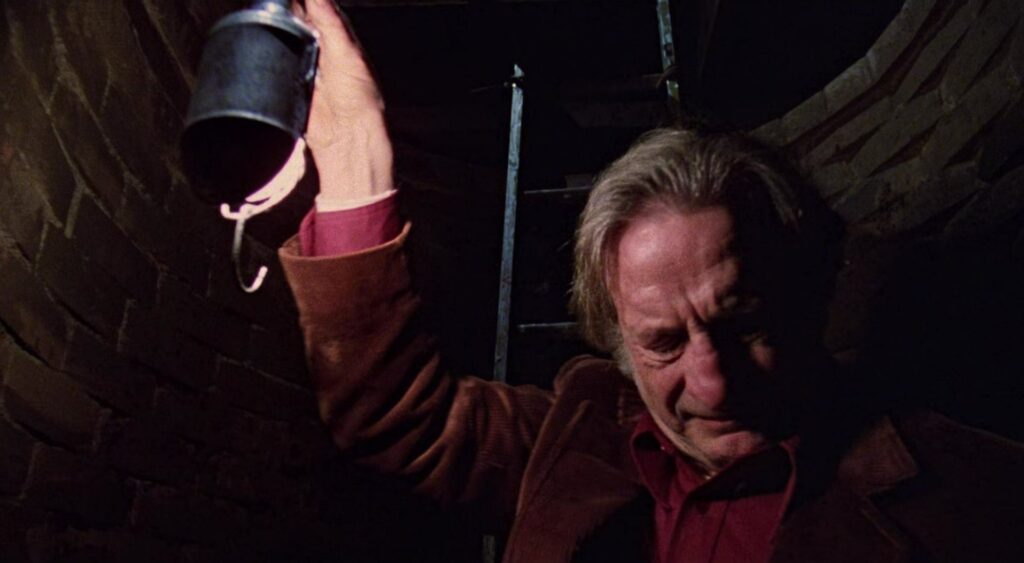
The Changeling from 1980 is a quieter kind of horror. George C. Scott plays a composer who moves into a mansion after his wife and daughter die, and quickly realizes there’s a ghost there. But this isn’t a violent, aggressive ghost. It’s a child who was murdered, and he’s trying to communicate, trying to tell someone what happened to him.
The séance scene is genuinely chilling. The medium makes contact with the boy’s spirit, and you hear him speaking through her, describing how he was drowned in the bathtub by his own father. “I was sick. He wanted a son who wasn’t sick.” It’s not scary in a jump-scare way, it’s scary in a deeply sad way, this child explaining his own murder.
The wheelchair sequence is masterful suspense. You hear it moving upstairs, creaking across the floorboards, and then it comes bumping down the stairs by itself. There’s no ghost visible, just this wheelchair moving on its own, and somehow that’s more frightening than if you could see what was moving it.
What stays with you is the injustice of it all. This child was murdered by his father, replaced with another boy who took his identity, and he’s been trapped in that house trying to tell someone for decades. The horror isn’t supernatural evil, it’s just the horror of what humans are capable of doing to their own children when it suits them.
Why we still remember them
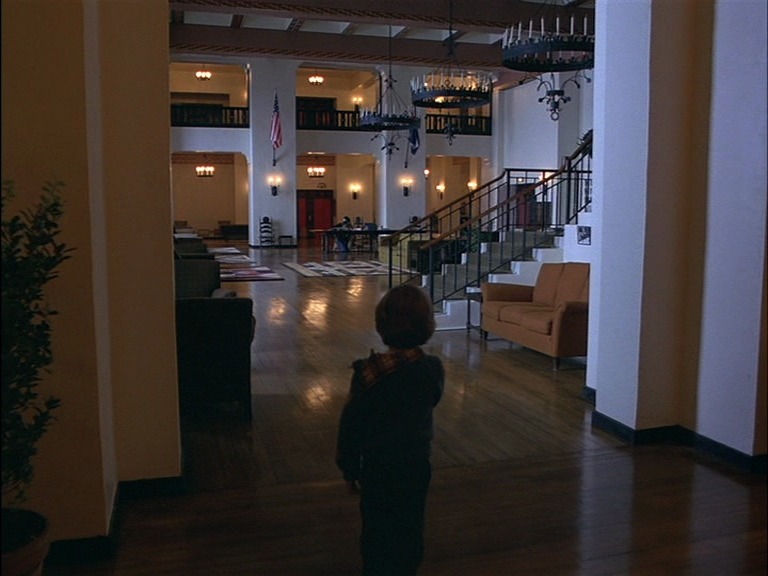
These films didn’t just want to give you a quick scare. They wanted to unsettle you, to make you think about them afterwards, to make you slightly nervous about windows and trees and clown dolls and empty hotels. They took their time building dread, they didn’t explain everything, and they weren’t afraid to leave you disturbed.
That’s why decades later, you can still be lying in bed and suddenly remember the boy floating outside the window in Salem’s Lot, or the clown doll in Poltergeist, or those twins in The Shining. They didn’t just scare you in the moment. They changed what felt safe. Once that changes, you don’t go back to how you felt before. You just carry it with you. Sometimes for the rest of your life.