Getting older is part of life, but sometimes your body starts showing signs of wear and tear long before you expect it to.

You might brush off feeling more tired than usual or noticing small changes in your skin, but these little things can quietly hint that your body’s ageing faster than it should. It’s more than just wrinkles or grey hair; it’s how body moves, heals, and handles stress. The way you sleep, eat, and live every day can speed things up without you even realising. Paying attention to the early clues can help you catch what’s going on and make the kind of changes that keep you feeling strong and sharp, whatever your age.
1. You’re always tired, even after a full night’s sleep.

Constant fatigue isn’t just about lack of rest. As your cells age, they produce less energy, which makes you feel worn out even when you’ve slept well. It’s your body’s way of saying recovery isn’t working like it used to. Feeling tired all the time can also point to hormone changes, poor nutrition, or dehydration. When you start needing more rest to feel normal, it’s a sign your energy system might be slowing down.
2. Your skin heals more slowly.
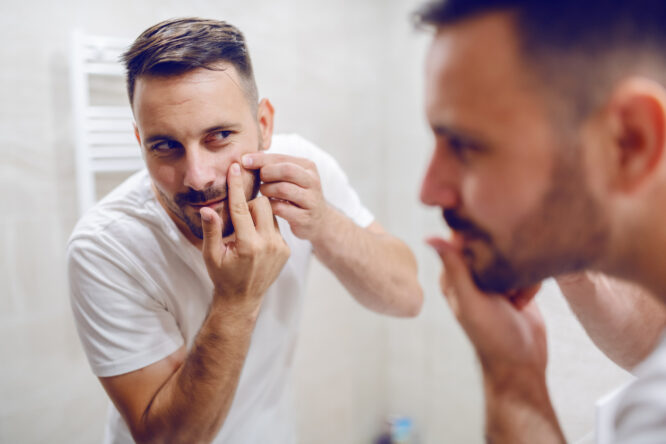
Small cuts, bruises, or spots that take longer to fade are subtle clues of slowed cell repair. The body replaces skin cells less efficiently with age, so wounds and blemishes hang around longer than before. This slowdown can happen earlier if you’re not getting enough protein, vitamins, or sleep. Healthy skin recovery isn’t about vanity; it’s a direct reflection of how well your body regenerates itself.
3. You get sick more often than you used to.

If every cold knocks you down harder than before, your immune system might not be keeping up. As we age, white blood cells respond more slowly to infections, leaving the body more vulnerable. Frequent illness doesn’t always mean something serious, but it’s a sign your defences are wearing thin. A balanced diet, hydration, and regular exercise can help strengthen your immune response again.
4. You’ve lost muscle faster than expected.

Muscle naturally decreases over time, but rapid loss suggests your body’s ageing process is speeding up. Less muscle means slower metabolism, lower strength, and weaker support for your joints. Resistance training can reverse this trend at any age. The more you use your muscles, the better your body’s repair systems work, keeping you mobile and strong for longer.
5. You find it harder to concentrate.

Forgetfulness or trouble focusing can be a sign your brain’s processing speed has slowed. Ageing affects blood flow and neuron communication, making it harder to stay sharp during complex tasks. It’s normal to lose focus occasionally, but if it’s happening more often, your lifestyle might be affecting brain health. Regular movement, learning new things, and social activity all help keep the mind younger.
6. Your digestion has changed.

Bloating, constipation, or loss of appetite can show that your gut isn’t functioning as smoothly as before. Digestion naturally slows with age, but stress, low fibre, and dehydration make the problem worse. Because gut health affects everything from mood to immunity, changes here ripple through the whole body. Eating a variety of fresh foods and drinking enough water can make a huge difference.
7. You’re more sensitive to cold.

As metabolism slows, your body produces less heat. Feeling cold easily or struggling to warm up might mean your circulation or thyroid function isn’t keeping pace anymore. It can also be linked to muscle loss, since muscle helps maintain warmth. If you’ve become the person always reaching for a jumper, your internal systems might need a tune-up.
8. You’re recovering slower from workouts or injuries.

In your twenties, sore muscles fade in a day or two. Later, that same soreness might linger for a week. Slow recovery suggests your tissues aren’t repairing as efficiently as before. It’s often caused by inflammation, poor sleep, or lack of protein. Adjusting diet and rest can help your body bounce back faster and protect against further strain.
9. Your hair and nails have weakened.
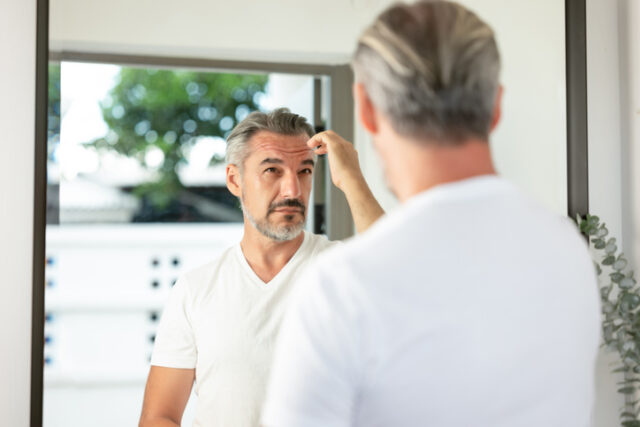
Thinning hair, brittle nails, or slower growth can be early markers of nutrient loss and hormonal change. These tissues renew rapidly, so they’re often first to show when your body isn’t rebuilding well. While genetics play a role, lifestyle has huge influence too. Eating more protein and staying hydrated supports keratin production and keeps both hair and nails stronger.
10. You’ve developed new food sensitivities.

If foods you once loved now cause discomfort, your gut lining or enzyme levels may have changed. Ageing affects how the body breaks down certain nutrients, which can trigger reactions that never existed before. It’s a sign to pay attention, not panic. Adjusting your diet and including probiotic-rich foods can help restore balance and make eating enjoyable again.
11. You’ve lost height or posture.

Noticeable height loss or a stooped back can signal bone density issues or weakened core muscles. Over time, tiny spinal changes build up until posture starts to change permanently. Strength training, stretching, and calcium intake all help keep the skeleton strong. Catching it early prevents lasting changes that can affect balance and mobility later on.
12. Your mood changes more often.

Ageing doesn’t just affect the body; it alters mood regulation too. Hormone changes, poor sleep, and slower metabolism can all leave you feeling irritable, anxious, or unusually low. Regular movement and sunlight help balance these effects naturally. If your moods have changed noticeably without clear cause, it’s a sign your internal chemistry might need attention.
13. You wake up stiff most mornings.

Morning stiffness happens when your joints and tissues lose flexibility. It’s common with age but can show up earlier if your lifestyle is sedentary or high in processed foods. Stretching, movement, and staying hydrated all help reduce that stiffness. Your body’s telling you it needs motion, not just more rest, to stay young and mobile.
14. You’ve stopped feeling truly rested.

Even if you sleep eight hours, you might still wake up groggy. Deep, restorative sleep declines as we age, especially with caffeine, stress, or too much screen time before bed. When sleep quality drops, recovery and hormone balance suffer too. Building better bedtime habits and keeping a regular schedule can help your body repair itself more effectively overnight.