For years, video games have been blamed for everything from poor concentration to anti-social behaviour.

However, research is starting to paint a very different picture. Far from being a waste of time, gaming can actually boost your mental health, helping with stress relief, problem-solving skills and even social connection. In a world where stress levels are at an all-time high, picking up a controller might be one of the simplest, most enjoyable ways to switch off and recharge.
Of course, like anything, moderation is key. Spending hours glued to a screen isn’t healthy, but using gaming intentionally, whether to relax after work, connect with friends online or challenge yourself mentally, can have real psychological benefits. As more studies emerge, scientists and educators are beginning to recognise gaming not as an enemy of productivity, but as a surprisingly powerful tool for improving mood, resilience and emotional balance. Here’s why, when done right, it can be so beneficial.
It gives your brain a break from overthinking.
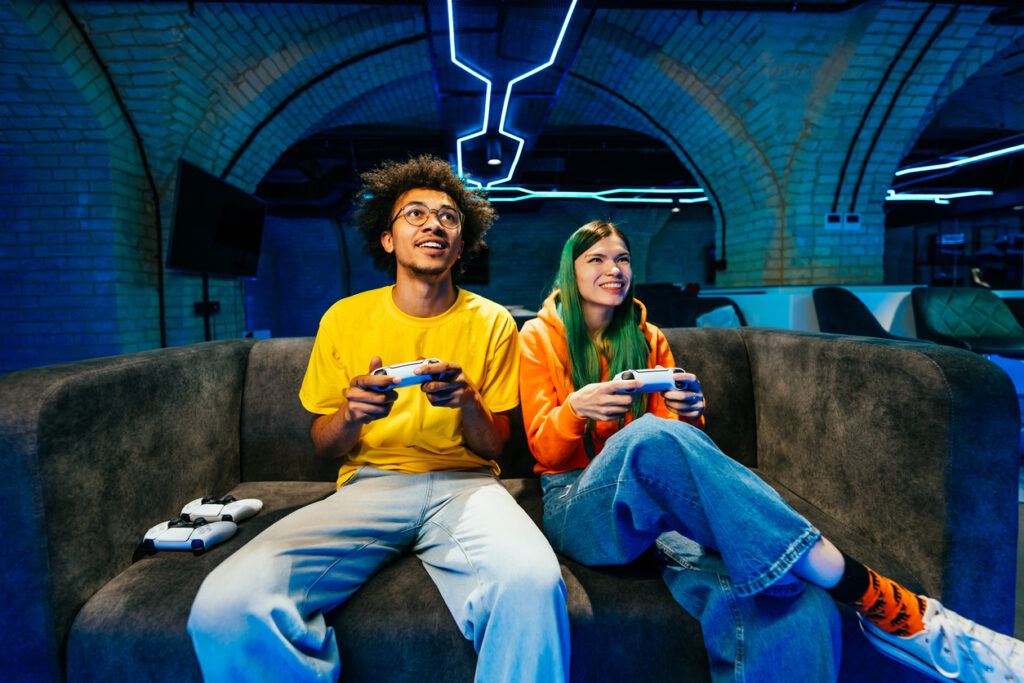
When life feels heavy, games pull your focus elsewhere. They offer structure and goals that help quiet racing thoughts, giving your mind a rest from constant analysis and worry. It’s a small mental reset, but it can make everyday stress feel more manageable. By concentrating on something light and immersive, your brain recharges rather than spirals.
It provides a safe sense of control.

Many people turn to games because real life can feel unpredictable. Games let you experiment, fail, and try again without real consequences, restoring a sense of agency that’s often lost during stressful times. Completing small in-game tasks can boost confidence and motivation. It reminds you that progress, however small, still matters, even if it’s virtual.
It strengthens problem-solving skills.

From puzzles to strategy games, players constantly make quick decisions and adapt to new challenges. This keeps your brain flexible and encourages creative thinking under pressure. Being able to stay calm while working out solutions transfers easily into daily life. Many people find they handle work stress or setbacks better after regular gaming sessions.
It helps you connect with other people.
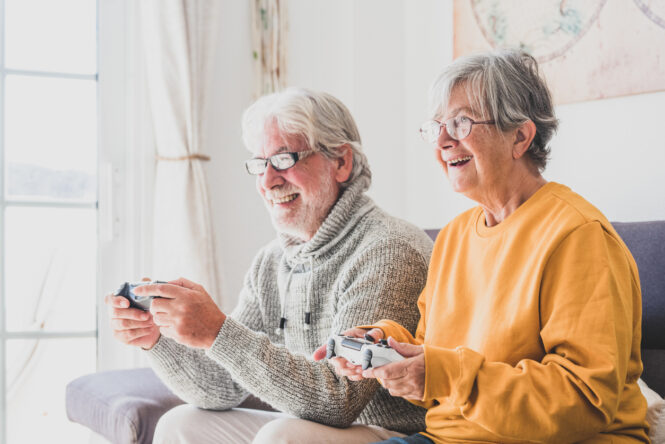
Online gaming communities bring people together through shared goals and teamwork. For many players, these spaces create genuine friendships that continue outside the screen. For anyone feeling isolated, talking and laughing through games can provide social contact that’s both easy and meaningful. It’s connection without the pressure of small talk or social anxiety.
It can reduce symptoms of anxiety and depression.

Some games act as gentle distractions that break cycles of negative thinking. Focusing on storylines or rhythm helps the brain switch gears and release tension. For many players, gaming becomes a calm, private way to regulate emotions. It’s not a replacement for therapy, but it can support mental wellbeing alongside it.
It boosts motivation through achievement.

Games are built around rewards, and that structure triggers the brain’s dopamine system. Even small achievements, like finishing a level, can create a satisfying sense of progress. That reward pattern mirrors healthy goal-setting in real life. Completing tasks in a game can remind you how good progress feels and inspire more of it elsewhere.
It helps you process emotions safely.

Story-driven games often mirror real-world themes like loss and resilience. Players can explore heavy emotions in a controlled environment where the outcome feels safe. Experiencing emotional moments through characters can help you understand your own feelings better. It’s an unexpected form of reflection that often feels easier than talking about it directly.
It can improve focus and attention.
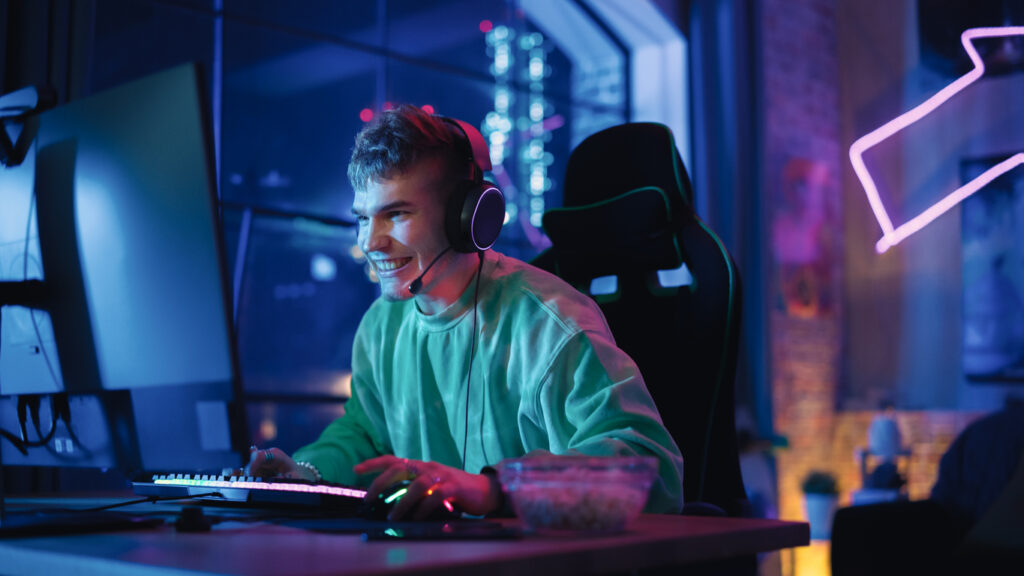
Contrary to popular belief, many games enhance concentration. Fast-paced challenges train the brain to track multiple details at once while maintaining quick, accurate responses. That same focus can improve productivity away from the screen. It teaches your mind how to lock onto one task and ignore unnecessary distractions.
It encourages mindfulness through immersion.
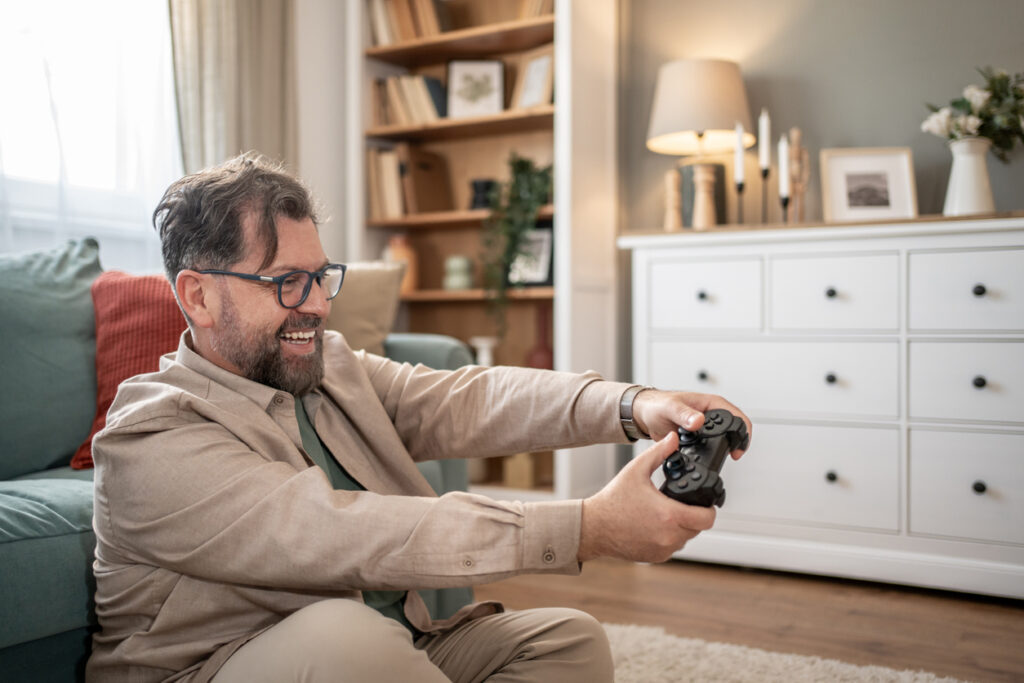
Fully engaging in a game forces your mind into the present moment. It’s similar to meditation, just with more colours and sound effects. When you’re immersed, outside worries fade into the background. That break from rumination helps restore calm and clarity once the controller is down.
It provides community for people who struggle socially.

For those who find real-life socialising hard, online spaces can offer belonging without pressure. Shared interests create instant understanding, making friendships feel natural and low-stress. Whether it’s group chats or team missions, these interactions can rebuild social confidence. Many players find that gaming friendships open doors to offline connection too.
It offers creative outlets.
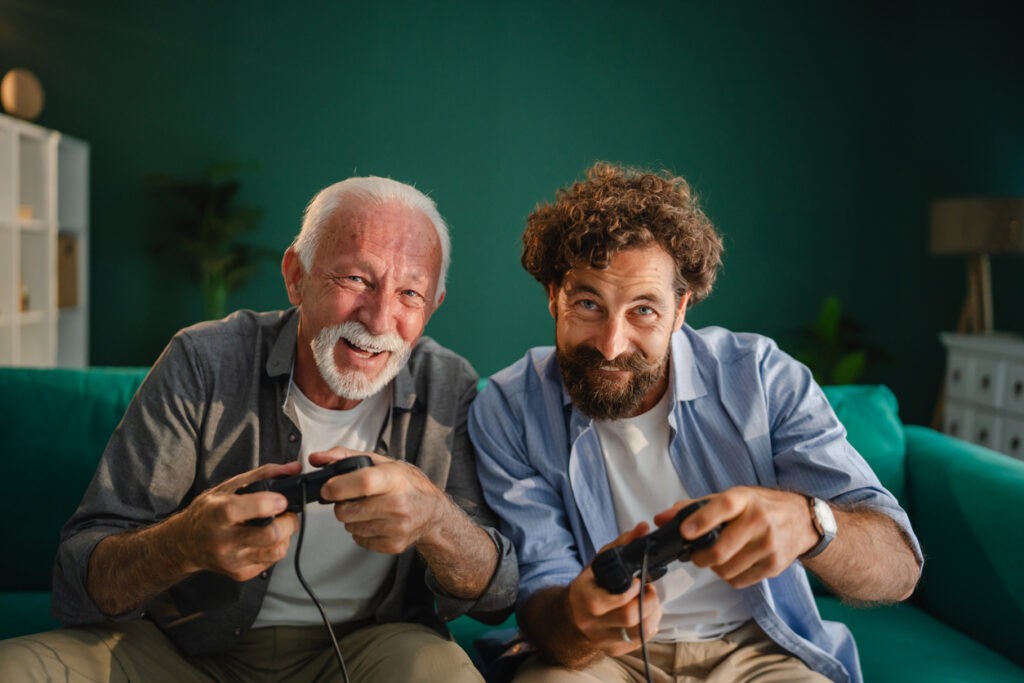
Games that let you build worlds, design characters or solve creative challenges stimulate imagination. This creative freedom gives players an outlet for expression that everyday life often lacks. The process of building and designing can feel surprisingly therapeutic. It’s play, but it’s also art, and it offers a way to express mood without words.
It teaches persistence and resilience.
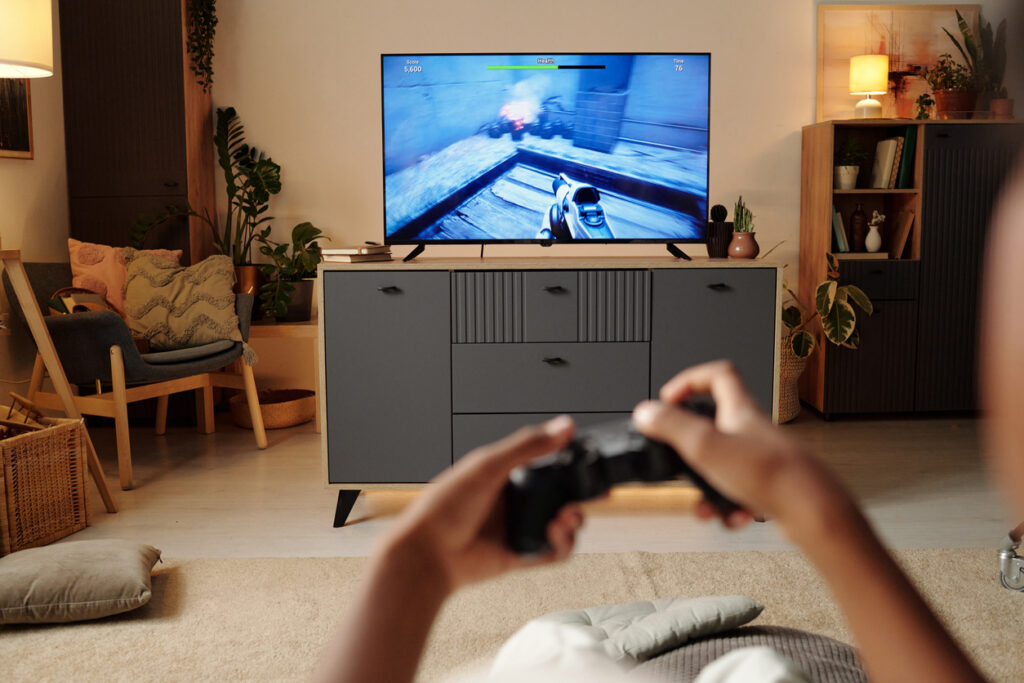
Games constantly ask you to fail, learn and try again. Over time, that pattern builds emotional resilience and patience, teaching you that setbacks are part of progress. It’s a subtle but powerful lesson in self-confidence. When you realise you can recover from digital defeat, real-world challenges start to feel less intimidating.
It can improve memory and coordination.
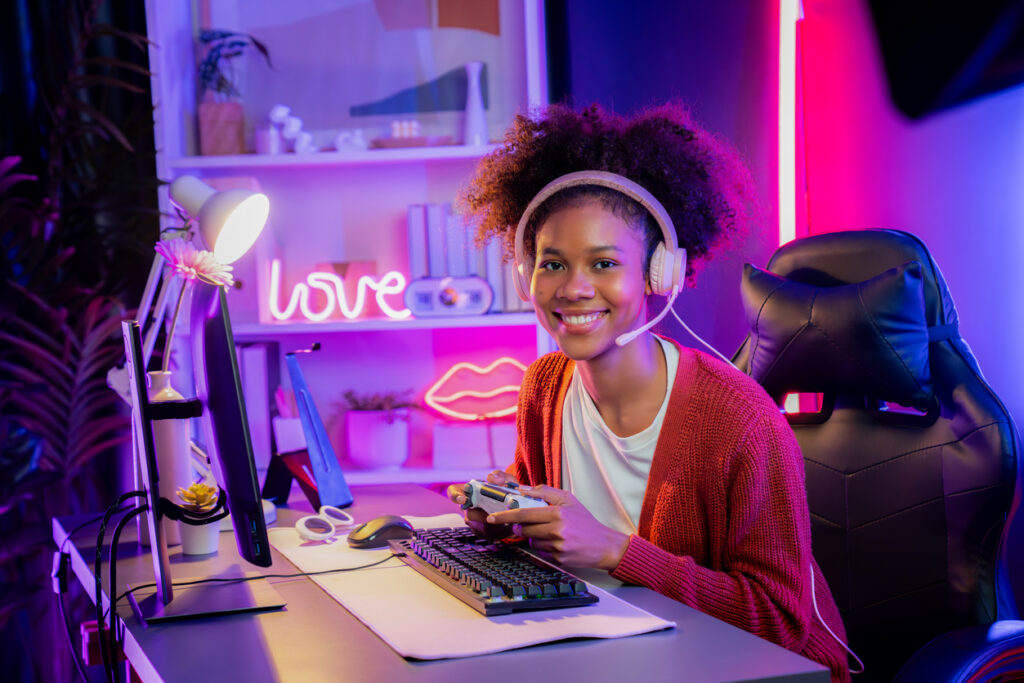
Games often require remembering maps or sequences while moving quickly. That combination of memory and movement strengthens the brain’s ability to process and recall information. Even casual players benefit from this mental exercise. Better coordination and recall often appear after regular play, making it more than just entertainment.
It helps you relax after stressful days.
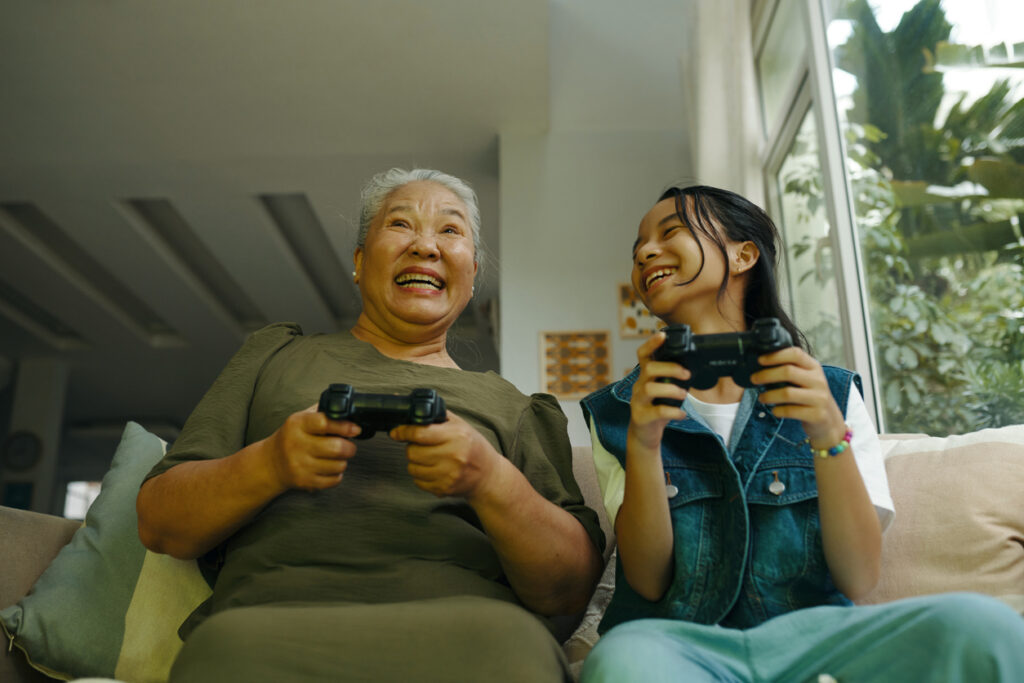
For many people, gaming is simply an escape that works. Immersing yourself in a new world or familiar routine can calm the body and mind far better than scrolling endlessly on your phone. That moment of focus allows stress hormones to drop and tension to ease. Whether it’s farming, racing or exploring, gaming can give you space to breathe again.
Gaming isn’t perfect, but it’s far more than a mindless distraction. When balanced with everyday life, it can become a source of comfort, creativity and genuine connection, all of which are key ingredients for better mental health.