Many homeowners think they’re improving their property when, in reality, they’re doing things that make it worth less.
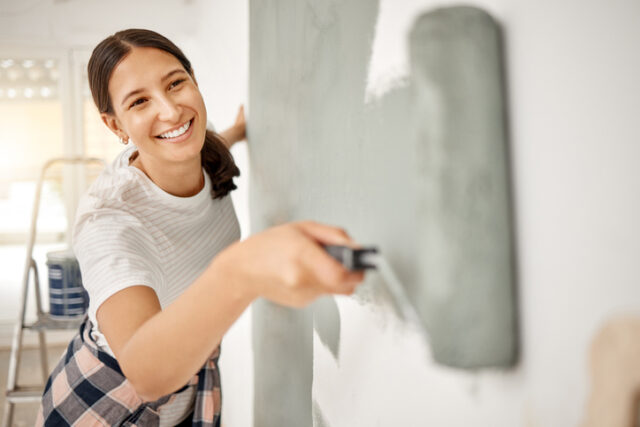
Small choices, quick fixes and bold design ideas can all backfire when it’s time to sell. A home can lose value without you noticing, simply because certain changes make buyers walk away or see the place as too much work. These are the common mistakes that unknowingly drag your home’s price down.
1. Painting every room in very bold colours

Strong colours might suit your taste, but they often put buyers off. Bright reds, deep purples or neon shades make rooms feel smaller and harder to picture in a neutral way. Many buyers want a move in ready space, and bold paint suggests extra work and extra cost. Sticking to light, neutral shades keeps your home appealing to more people. It helps rooms feel larger and brighter, which makes the whole property look more valuable.
2. Removing too much storage space
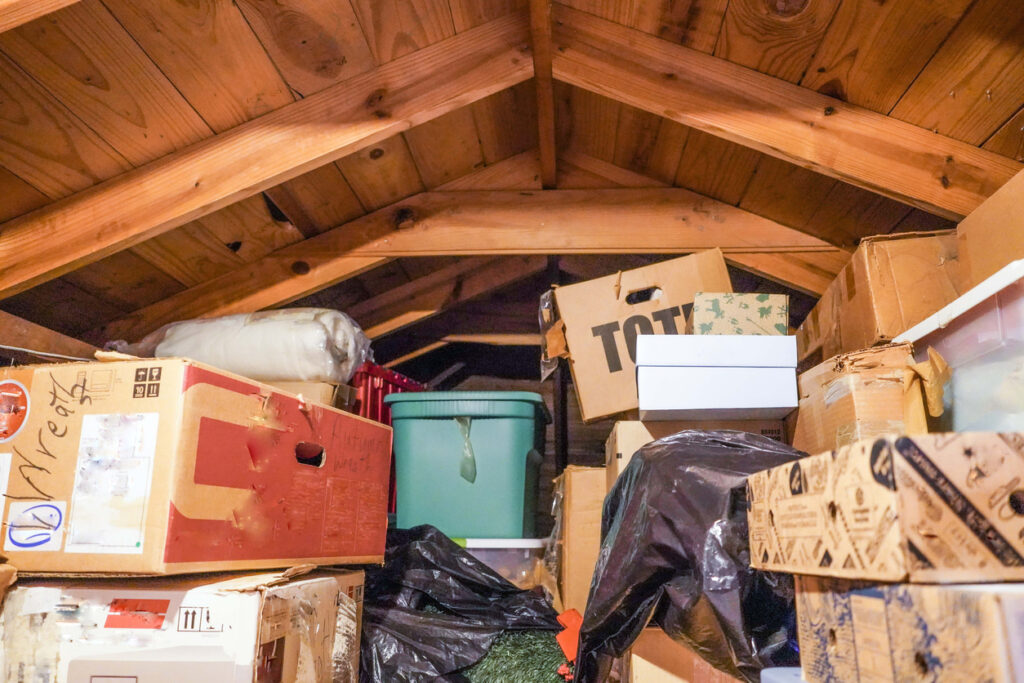
Built in cupboards, airing cupboards and shelving all add value because storage is one of the biggest things buyers look for. If you remove cupboards to create open spaces or decorative alcoves, you may unintentionally make your home less practical. Even stylish homes lose appeal when there’s nowhere to put things. Restoring or adding storage brings back function and makes the home easier to live in. Buyers see good storage as a major benefit, which strengthens the value of your property.
3. Using cheap or badly done DIY fixes

Quick fixes can seem harmless, but buyers notice poor quality work immediately. Uneven tiling, peeling sealant, patchy paint or badly fitted flooring all suggest bigger problems. People worry about what else might be wrong behind the scenes, which lowers the perceived value. Hiring professionals for key jobs creates a cleaner finish and reassures buyers. A home that looks well-maintained gains value because it feels trustworthy and looked after.
4. Turning bedrooms into anything else
Bedrooms are one of the biggest selling points in a home. When you convert a bedroom into an office, gym or dressing room, the overall value can drop because you’ve reduced the number of bedrooms. Even if the space looks great, buyers still want the original layout. Keeping official bedrooms intact helps maintain value. If you want a multi use room, choose furniture that doesn’t remove the room’s primary purpose.
5. Installing very specific or unusual fixtures
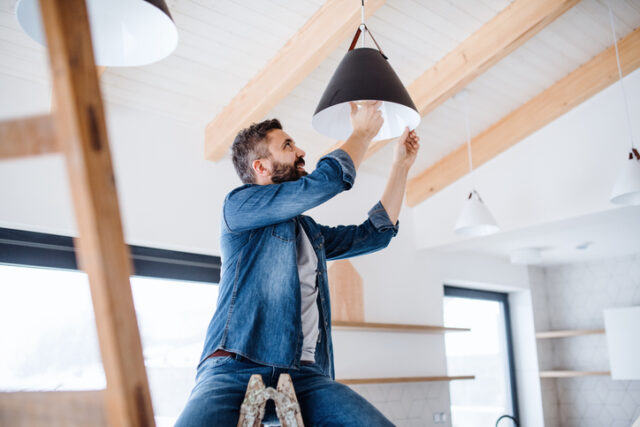
Bold lighting, unique taps or unusual built in pieces might suit your style, but they often date a home quickly. When fixtures are too personal or too modern, they limit a buyer’s ability to imagine their own style in the space. This reduces interest and lowers the property’s value. Choosing classic, simple fixtures keeps your home appealing for longer. Buyers like timeless features that won’t go out of style in a year or two.
6. Letting small repairs pile up

Loose handles, cracked tiles, scuffed walls or a dripping tap might not bother you, but buyers notice all of it. Small issues create a sense that the home has been neglected. When people see lots of little problems, they worry bigger issues may be hidden. Tackling repairs as you go maintains the home’s condition. A tidy, well repaired space reassures buyers and protects your property value.
7. Laying low quality laminate or vinyl flooring
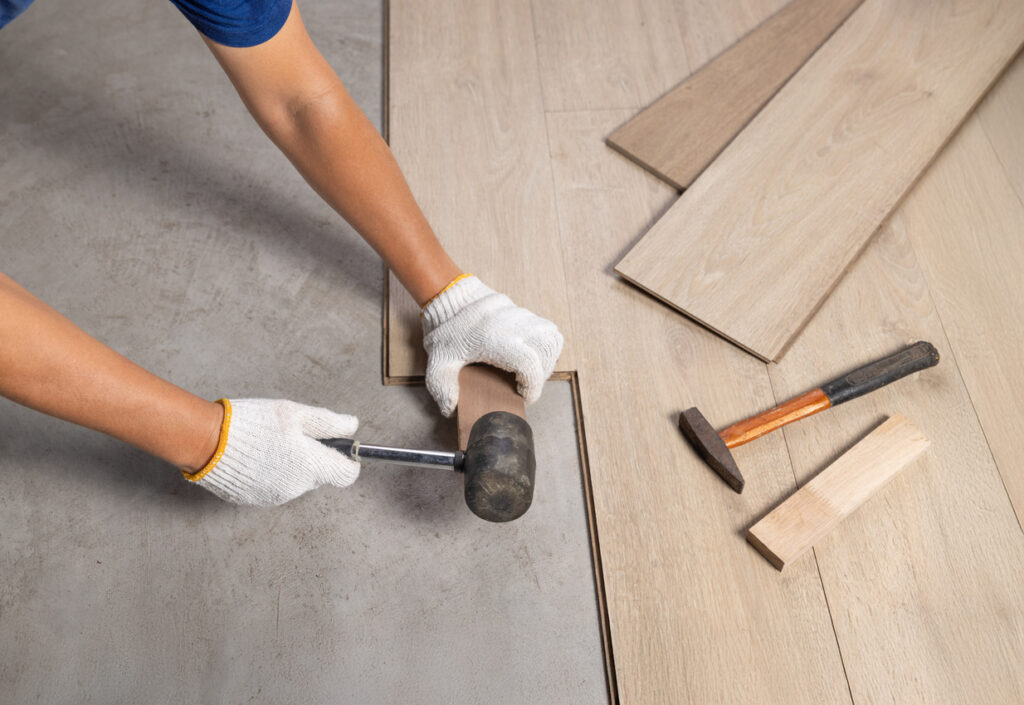
Flooring takes a lot of use, and cheap materials don’t age well. Low quality laminate scratches easily, lifts at the edges and warps over time. This can make a home look tired, even if everything else is clean and tidy. Replacing worn flooring with durable options creates a better first impression. Buyers are far more attracted to solid wood, high quality laminate or good tiles because they suggest longevity.
8. Removing a bath and replacing it with only a shower
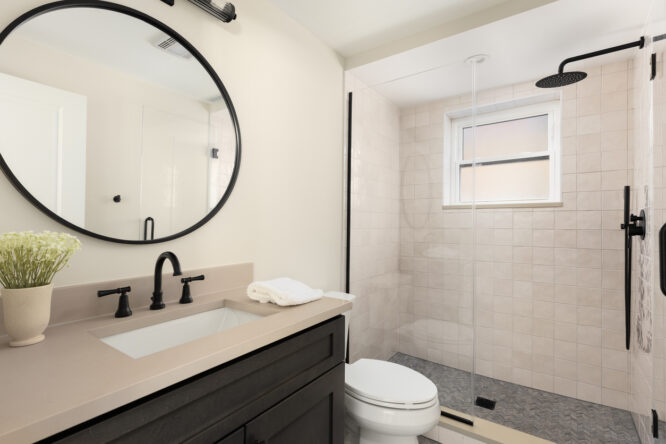
Showers are convenient, but many buyers still want at least one bath in the home. Families with young children especially see a bath as essential. When a property only has a shower, it can be seen as less practical and less valuable. Keeping a bath in at least one bathroom protects your property’s appeal. It shows the home meets a wide range of needs, which supports resale value.
9. Overly complicated garden designs

Many homeowners choose elaborate garden layouts with ponds, rock features or detailed planting. While they look beautiful, they often scare off buyers who don’t want the maintenance. A garden that feels like hard work lowers the attraction of the property as a whole. Keeping the garden simple, tidy, and easy to manage increases value. Buyers love outdoor space, but they want something they can enjoy without extra effort.
10. Replacing all grass with paving or artificial turf
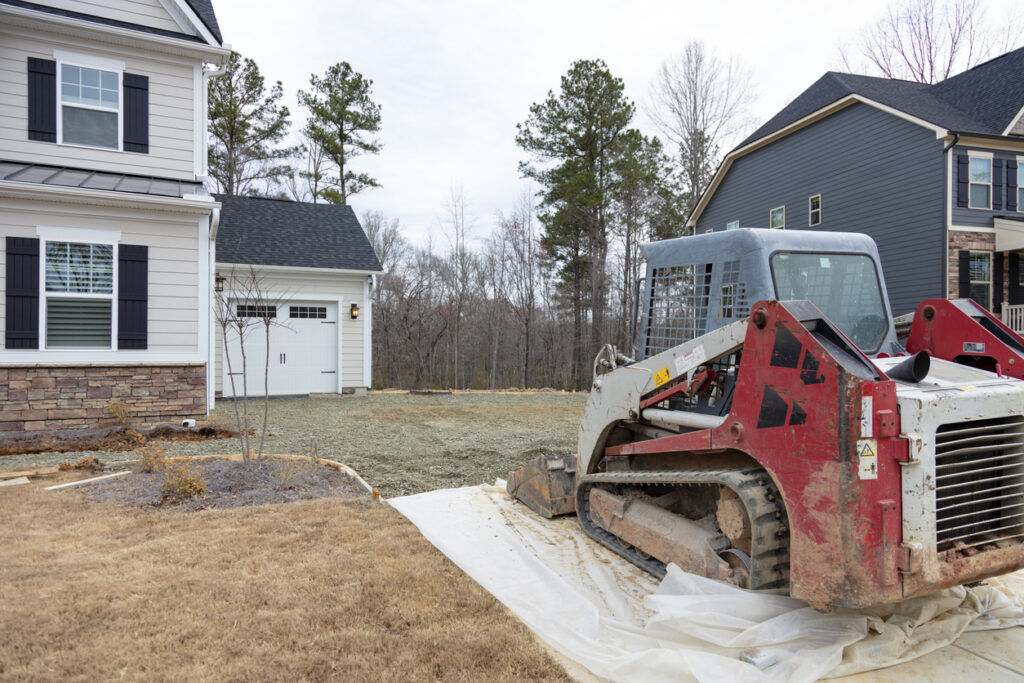
Removing natural grass may feel low maintenance, but it can make outdoor spaces feel harsh or lifeless. Artificial turf can also overheat, fade or deteriorate faster than people expect. Many buyers prefer the look and feel of real grass. Keeping at least some natural greenery helps the garden stay appealing. A balanced design makes the space feel usable and valuable.
11. Adding very bright or harsh lighting
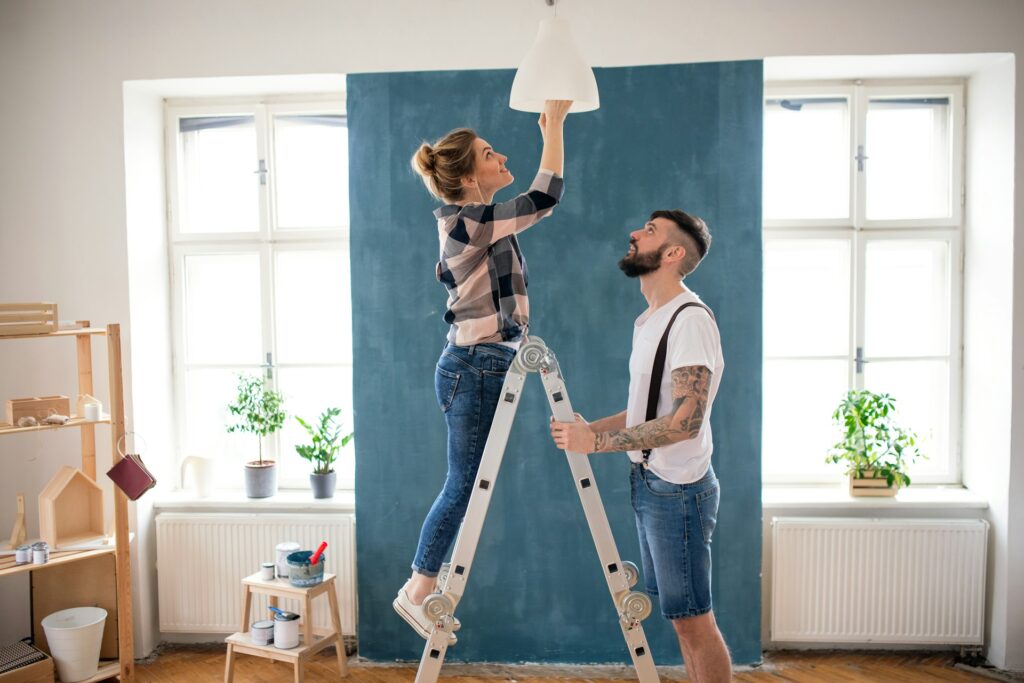
Strong overhead lights can make rooms feel cold and unwelcoming. Harsh lighting highlights imperfections and removes the cosy atmosphere buyers love. When the lighting looks poor, the entire space feels less expensive. Using warm bulbs and layered lighting makes the home look more inviting. Buyers are drawn to spaces that feel calm, comfortable, and well lit.
12. Ignoring kerb appeal
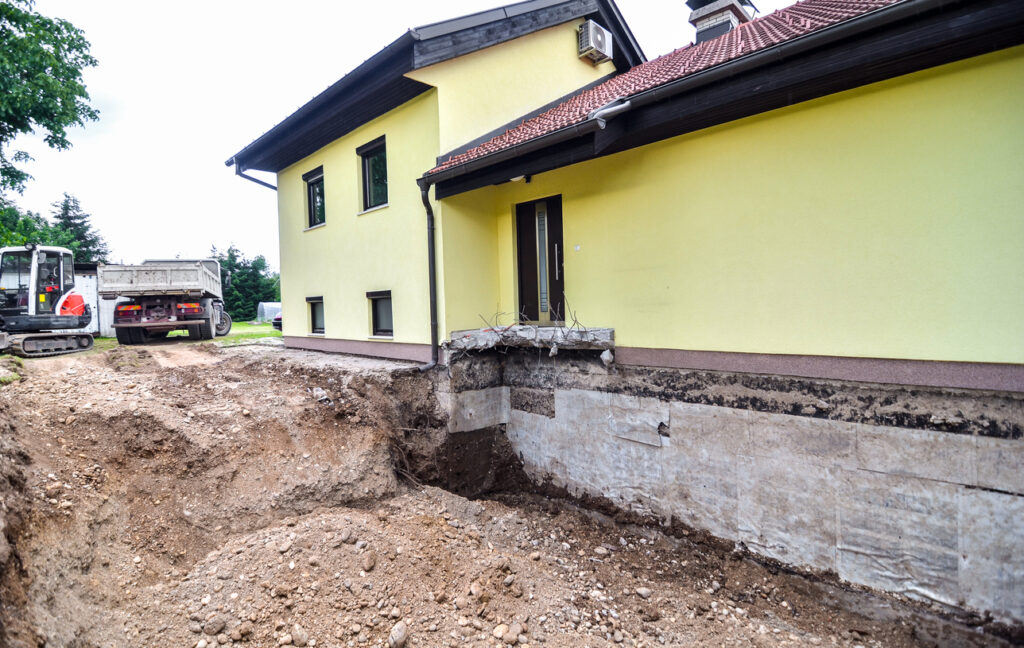
The outside of your home gives the first impression, and if it looks tired, buyers assume the inside will be the same. Peeling paint, worn paths, damaged fencing or messy bins all reduce the perceived value. People often judge the home before they even step through the door. Keeping the front clean, tidy, and fresh creates a positive start. Small changes like repainting the door or adding new plants make the property feel more valuable.
13. Using too much personalised decor

Large photo walls, strong themes or very personal design choices can overwhelm buyers. They make it harder for people to picture their own life in the home. When decor feels too specific, it narrows interest and lowers value. Choosing simpler styles helps buyers imagine themselves in the space. A neutral, flexible look protects your home’s value and makes selling easier.