Most people like to think they’d cruise through a simple general knowledge quiz, especially when the questions look straightforward at first glance.

Then you actually try to answer them and suddenly, your mind decides to go completely blank. It’s funny how confident we all feel until we’re put on the spot and can’t remember something we were once sure we knew in school.
What makes these questions tricky is that they sound obvious, so you don’t expect to struggle. That’s why only a small number of people get them all right. It’s not a test of intelligence as much as it’s a reminder of how quickly information slips away when we’re not using it. So before you say these look easy, have a go and see how many you genuinely know.
1. What is the capital of Australia?
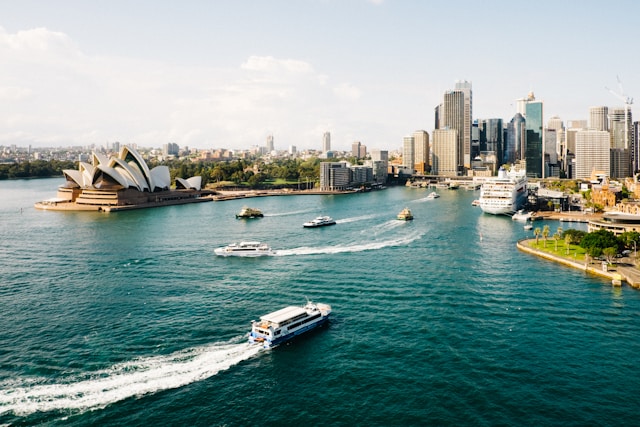
Most people confidently shout “Sydney!” when asked about Australia’s capital, falling into one of geography’s most common traps. The assumption makes sense because Sydney is Australia’s largest and most internationally recognizable city, but this widespread belief reveals how we often conflate size and fame with political importance.
Canberra actually serves as Australia’s capital, chosen in 1908 as a compromise between rivals Sydney and Melbourne. The city was purpose-built to house the federal government, sitting roughly halfway between the two competing cities. This deliberate planning means Canberra exists primarily as an administrative centre, which explains why it remains relatively unknown compared to its flashier coastal neighbours.
2. How many hearts does an octopus have?
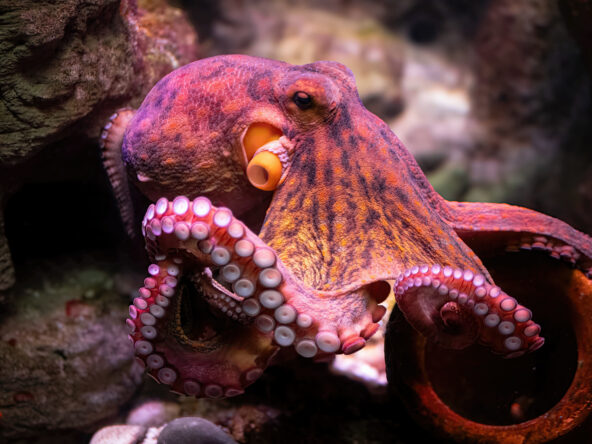
When you picture an octopus, you probably think about those eight waving arms and alien-like intelligence, but you’d never guess what’s happening inside that bulbous body. Our human-centred thinking makes us assume all creatures share our single-heart system, yet the ocean is filled with animals whose internal workings would seem like science fiction if we hadn’t discovered them.
An octopus actually has three hearts working in concert to keep it alive. Two peripheral hearts pump blood through the gills to collect oxygen, while a central heart circulates that oxygenated blood to the rest of the body. Fascinatingly, the central heart stops beating when the octopus swims, which is why these creatures prefer crawling along the ocean floor rather than swimming.
3. What year did the Titanic sink?
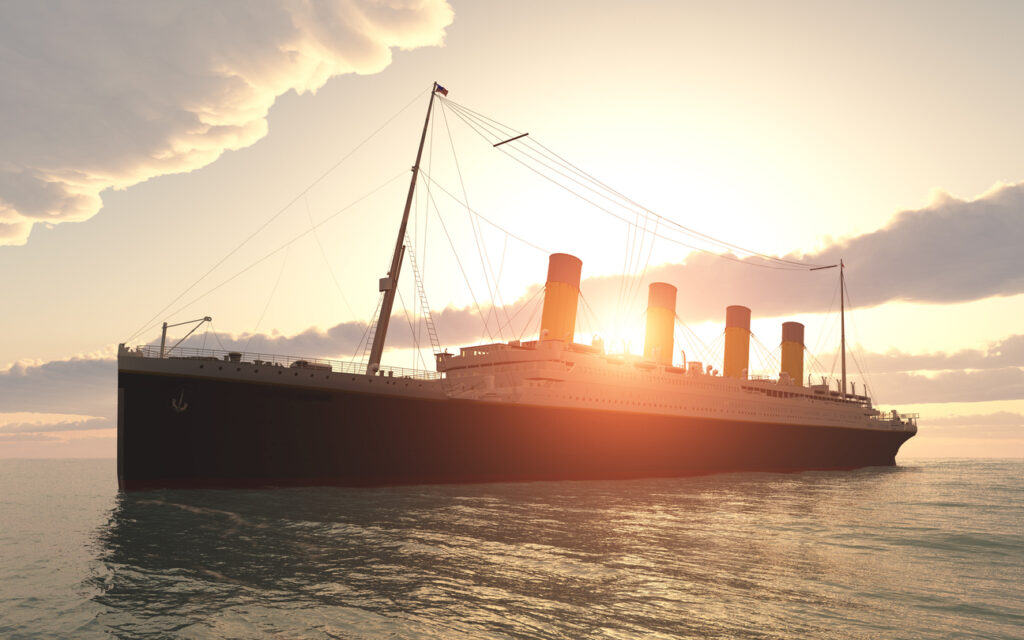
The Titanic disaster feels like ancient history to many people, something that happened in the distant past alongside corsets and gas lamps. This psychological distance makes people guess wildly, often placing the tragedy anywhere from the late 1800s to the 1920s, unsure of when this supposedly “unsinkable” ship met its icy end.
The Titanic struck an iceberg and sank in 1912, just four days into its maiden voyage from Southampton to New York. What makes this date particularly striking is how recent it actually was. This wasn’t some medieval catastrophe, but a thoroughly modern disaster captured in photographs and survivor testimonies. The tragedy occurred only 13 years before your great-grandparents might have been listening to the radio.
4. Which planet is closest to the Sun?
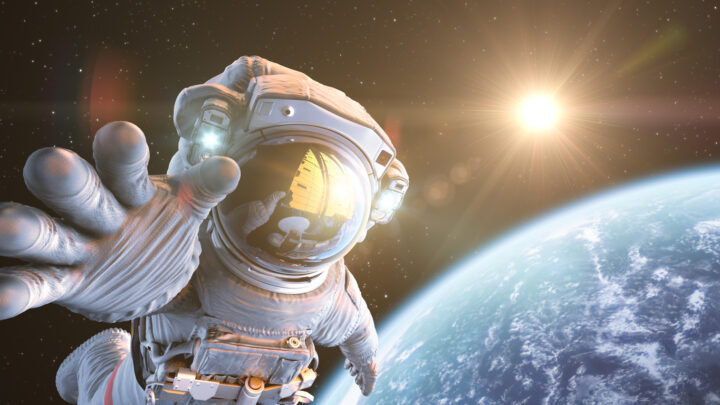
School lessons about the solar system often blur together into a jumble of spinning planets, and many adults confidently remember Venus as the nearest planet to our Sun. This mistake happens partly because Venus is often called Earth’s “sister planet” and gets discussed more frequently in popular science, creating a false sense of proximity in our minds.
Mercury actually holds the position as the Sun’s closest neighbour, orbiting at an average distance of just 58 million kilometres. This tiny planet endures the most extreme temperature swings in our solar system, from a scorching 430 degrees Celsius during the day to a frigid minus 180 degrees at night. Despite being so close to the Sun, Mercury isn’t the hottest planet. That honour goes to Venus.
5. What is the smallest country in the world?
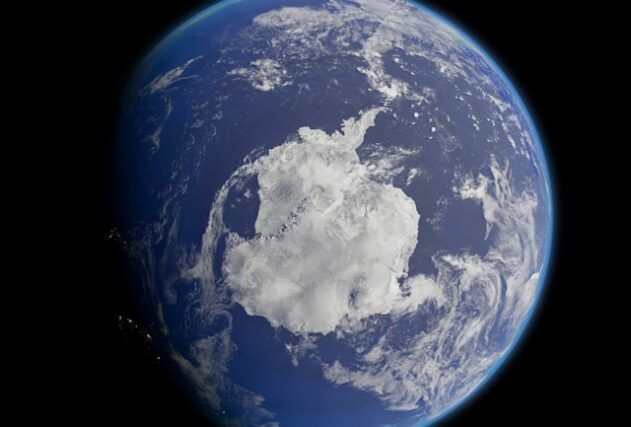
When thinking about tiny countries, most people immediately picture places like Monaco or Liechtenstein, those European micronations that feel impossibly small compared to sprawling countries like Australia or Canada. The assumption makes sense because these places often appear in news stories about wealthy tax havens or royal families, giving them outsized prominence in our minds.
Vatican City actually claims the title as the world’s smallest country, covering just 44 hectares, which is roughly the size of a large farm. This independent city-state sits entirely within Rome and serves as the headquarters of the Roman Catholic Church. Despite its tiny size, Vatican City functions as a complete country with its own postal system, radio station, and even a small military force in the form of the Swiss Guard.
6. How many bones are in the adult human body?

Most people know the human body is filled with bones, but pinning down an exact number feels impossible without medical training. The guesses vary wildly, from conservative estimates around 100 to extravagant claims of 300 or more because we simply don’t spend time counting the framework that holds us upright.
An adult human body contains 206 bones, though babies are born with approximately 270. This isn’t because we lose bones as we grow. Instead, many of our bones fuse together during childhood and adolescence. Your skull alone contains 22 bones that knit together as you develop, creating that solid protective case around your brain.
7. What is the largest ocean on Earth?

All those blue areas on a globe tend to blend together in our memories, making it surprisingly difficult to remember which ocean truly dominates the planet. Many people guess the Atlantic because it’s the one they hear about most often in Western media, sitting as it does between Europe, Africa, and the Americas.
The Pacific Ocean dwarfs all other oceans, covering more than 63 million square miles and containing more than half of the world’s free water. To put this in perspective, the Pacific is larger than all of Earth’s land area combined. This massive body of water touches five continents and contains approximately 25,000 islands, which is more than all other oceans combined.
8. Who painted the Mona Lisa?

Art history feels like something only gallery visitors and students would know, so many people draw a blank when asked about famous paintings. The Mona Lisa’s enigmatic smile is instantly recognizable, reproduced on everything from coffee mugs to T-shirts, yet the artist’s name sometimes slips away from people who haven’t thought about Renaissance art since school.
Leonardo da Vinci painted the Mona Lisa between 1503 and 1519, creating what would become arguably the most famous painting in the world. Da Vinci worked on this portrait intermittently over many years, carrying it with him as he travelled and continuously refining it. The painting now hangs behind bulletproof glass in the Louvre Museum in Paris.
9. What is the chemical symbol for gold?

Chemistry lessons from school often fade into a distant memory of periodic tables and incomprehensible symbols, leaving most people unable to recall even common elements. The logical assumption would be that gold’s symbol starts with G, following the straightforward pattern of many other elements, but chemistry loves to throw curveballs that reflect the subject’s ancient roots.
Gold’s chemical symbol is Au, derived from the Latin word “aurum” meaning “shining dawn.” This Latin connection appears throughout chemistry because many elements were named centuries ago when Latin served as the universal language of science. The symbol reminds us that humans have treasured gold for millennia, long before modern chemistry existed.
10. What is the largest mammal in the world?
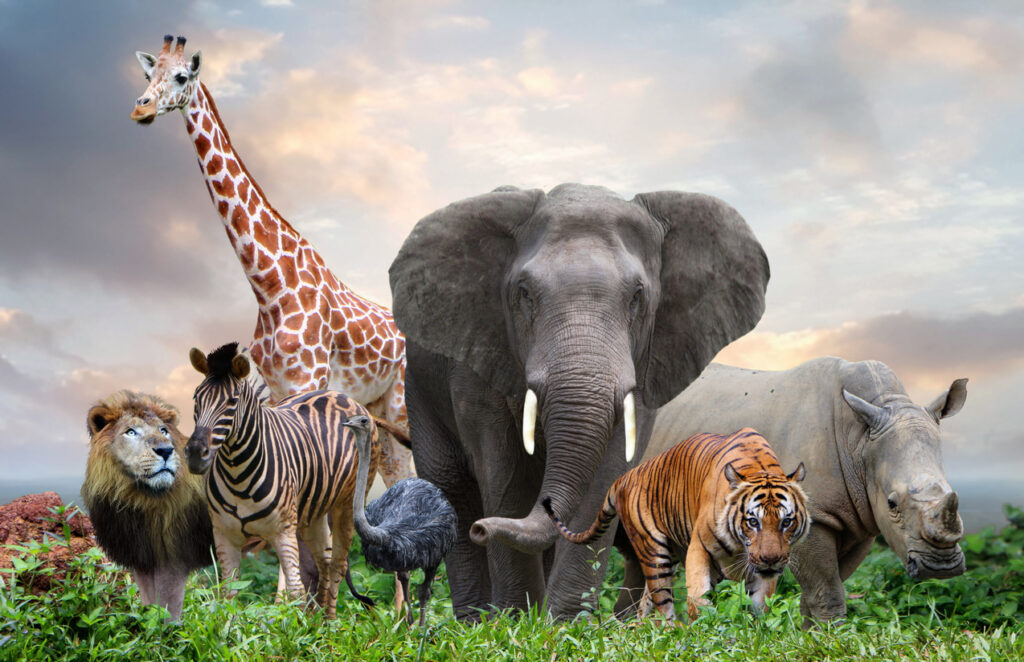
When thinking about massive mammals, most people immediately picture elephants stomping across African savannas or perhaps massive bears in northern forests. Land animals dominate our thinking because we encounter them in zoos and nature documentaries, making it easy to forget that the ocean harbours creatures of truly unimaginable size.
The blue whale claims the title as Earth’s largest mammal, reaching lengths of up to 30 metres and weights exceeding 200 tonnes. To put this in perspective, a blue whale’s tongue alone weighs as much as an elephant, and its heart is the size of a small car. Despite this enormous size, blue whales feed primarily on tiny shrimp-like creatures called krill.
11. In which year did World War II end?

Historical dates from the 20th century tend to jumble together for people who didn’t live through them, creating confusion about when major events actually occurred. World War II dominates history books and films, yet many people can only place it vaguely in the 1940s, unsure whether the war ended in 1944, 1945, or even 1946.
World War II officially ended in 1945, with Germany surrendering in May and Japan surrendering in September after the atomic bombings of Hiroshima and Nagasaki. The September 2nd surrender aboard the USS Missouri formally concluded the deadliest conflict in human history, which had claimed an estimated 70-85 million lives.
12. What is the fastest land animal?
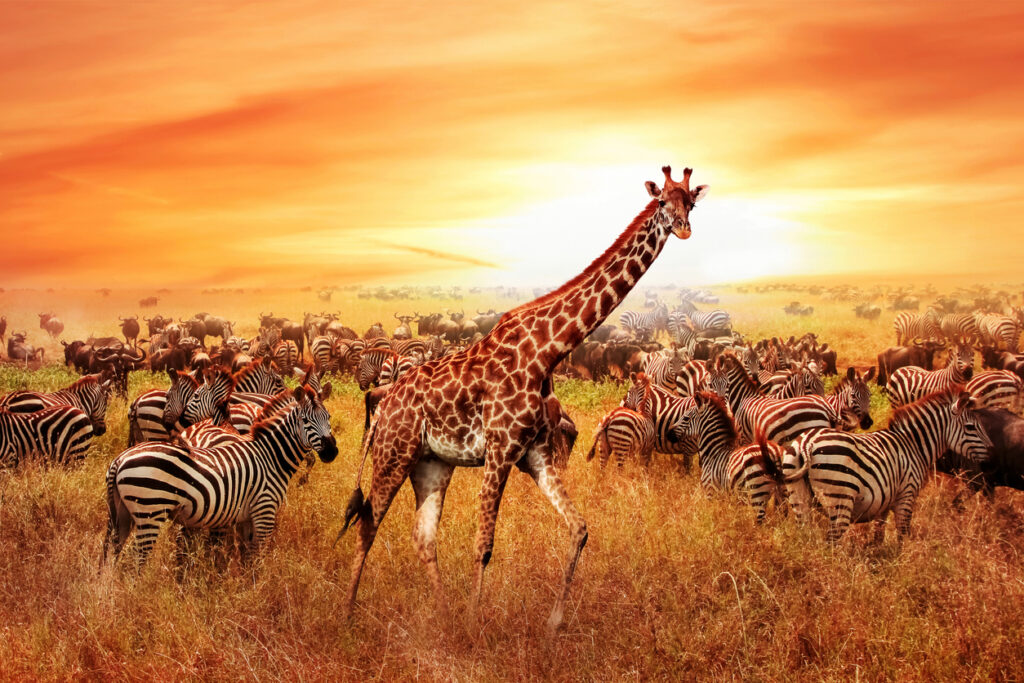
Speed in the animal kingdom captures our imagination, but our guesses often reflect which animals we find most impressive rather than actual facts. Many people suggest lions, horses, or even ostriches, drawing on memorable nature documentary scenes or cultural associations with speed, rather than hard data about which creature truly dominates land-based sprinting.
The cheetah reigns as the fastest land animal, capable of reaching speeds up to 70 miles per hour in short bursts covering distances up to 1,600 feet. However, this incredible speed comes with significant limitations: cheetahs can only maintain their top velocity for about 30 seconds before their bodies overheat.
13. How many colours are in a rainbow?
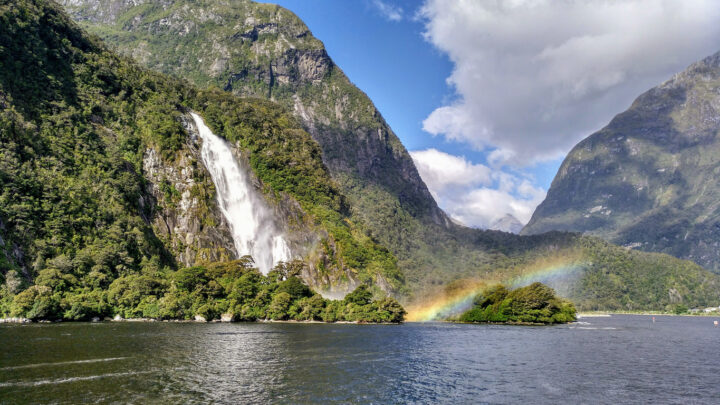
Rainbows feel like childhood knowledge, something everyone learned in primary school alongside the alphabet and basic addition. Yet when pressed to actually count the colours, many adults hesitate, uncertain whether to include shades like indigo or whether pink appears somewhere in that arc of light stretching across the sky.
Traditionally, we say rainbows contain seven colours: red, orange, yellow, green, blue, indigo, and violet. However, this is somewhat arbitrary since rainbows actually display a continuous spectrum of colours blending seamlessly into each other. Isaac Newton originally identified seven colours in the 1660s, partly because seven was considered a perfect number with mystical properties.
14. What is the largest organ in the human body?

When thinking about organs, most people immediately picture internal structures like the heart, liver, or lungs, which comprise the vital equipment hidden inside our bodies. This internal focus makes sense because we learn about organ systems in biology class through diagrams showing cross-sections of the human body, rarely considering that organs don’t have to be tucked away inside our ribcages.
The skin actually ranks as the body’s largest organ, covering approximately 20 square feet in adults and weighing around 8 pounds. This remarkable organ does far more than hold everything together; it regulates body temperature through sweating, provides sensation through millions of nerve endings, manufactures vitamin D from sunlight, and serves as the first line of defence against infections.
15. How many players are on a football team on the pitch?

For those who don’t follow football religiously, the number of players on the pitch might be surprisingly unclear. You’ve probably watched matches where the pitch looks crowded with players running in all directions, but counting them during the action is nearly impossible, leaving many people to guess based on a general sense of how busy the game appears.
Each football team has 11 players on the pitch during a match, making 22 players total when both teams are at full strength. This includes one goalkeeper and ten outfield players whose positions vary based on the team’s formation and strategy. The number 11 has remained standard since the Football Association codified the rules in 1863.