It’s been interesting watching how certain ideas that first made waves during Donald Trump’s time in the United States have found admirers here.
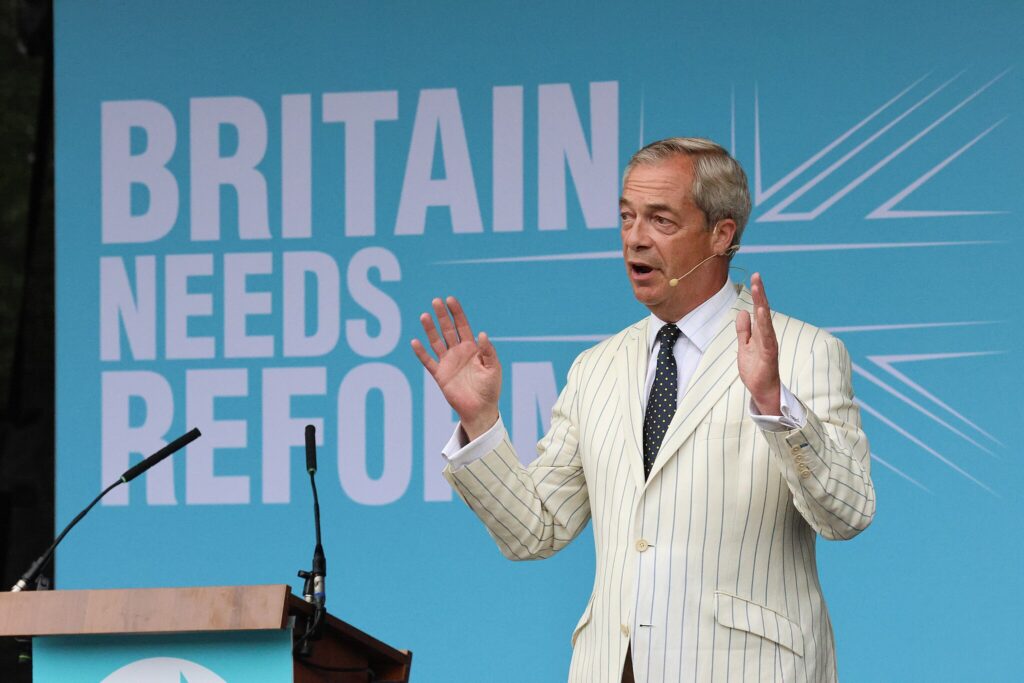
You don’t need to follow politics closely to notice that Nigel Farage speaks warmly about Trump and sees him as proof that a political outsider can make serious changes. Now that Farage leads Reform, a lot of people wonder what a British government shaped by that style might actually try to do.
Some would welcome a more nationalist style of policy, especially around borders, crime, and trade. Others would be uneasy about where this leaves the environment, public services, and international cooperation. The aim here isn’t to tell you what to think. It’s simply to look at the areas where this style might show up and how everyday life in the UK could feel different.
1. Trade rules that try to protect British producers

Trump made protection of domestic industry a major theme in his time in office, and Reform has shown interest in a similar style of thinking. In practice, that could mean tariffs on cheap imports and a tougher line in trade talks. Supporters would argue this helps British manufacturing and gives neglected regions a fighting chance.
People who keep a close eye on household budgets might worry about higher prices on imported goods. There might also be some friction with trading partners who don’t enjoy having barriers placed in front of them. Whether this feels positive or negative depends on whether you’re more focused on national industry or affordability.
2. Stricter immigration rules and faster removals
Farage has been talking about immigration for most of his political life, and Trump showed how central this issue can become. If Reform formed a government, you’d probably see tighter checks at the border and moves to remove people more quickly when they don’t have permission to stay. Legal migration rules could be toughened as well.
Some voters would feel that this finally responds to public worries. People who care deeply about humanitarian standards would be very concerned. Britain has long presented itself as fair-minded, so the tone of these policies would shape how the world sees us.
3. Slower movement on climate commitments

One thing Trump did confidently was pull back environmental rules in favour of fossil fuels. Farage has questioned climate targets many times and argued that green rules put pressure on households. A Reform government might aim to expand domestic oil and gas and be slower with renewable projects.
Some households would welcome lower energy bills. People focused on climate science would feel alarmed by any slowdown. The UK has been trying to lead the world on emissions reduction, so changing pace here would be very noticeable.
4. More authority resting with ministers
A Trump influenced style usually prefers strong decision-making at the top. Reform has been highly critical of what it calls interference from institutions and officials who aren’t elected. That could lead to ministers having more direct control, along with fewer independent checks.
Supporters would say government can finally act without being blocked by endless procedures. Critics would warn about too much power in too few hands. The UK is used to a fairly balanced structure, so any shift here would spark loud debate.
5. Harsher sentencing and expanded police powers

Trump often pushed a very tough line on crime. Reform has similar instincts and regularly complains that punishments aren’t severe enough. You might see changes like more prison places, longer sentences, and stronger police powers.
People who want firm action would be happy. People focused on fairness and rehabilitation would be concerned about long-term costs and social consequences. Crime policy often divides opinion, so expect strong arguments.
6. Less patience with international agreements

During Trump’s presidency, there was plenty of scepticism toward international bodies and treaties. Farage has raised similar points for years. A Reform government might try to review contributions to international organisations and consider whether Britain should continue certain commitments.
Some would say this restores national independence. Others would feel that leaving or weakening agreements harms Britain’s global standing. There’s also the question of how other countries respond if we look less interested in shared responsibilities.
7. Fewer rules for businesses

Trump spoke endlessly about cutting red tape. Reform often speaks in the same direction, saying businesses are held back by endless requirements. A government shaped by this view might scale back rules on companies, claiming it encourages growth and investment.
People who run businesses would be pleased. People who care about consumer protection and workplace standards might feel uneasy. The effects wouldn’t show overnight, which means disagreements here could run for years.
8. Lower taxes for companies and higher earners

In the United States, wealthy Americans and corporations received major tax benefits under Trump. Farage has also argued that taxes need to encourage investment, so Reform might reduce corporate tax rates and offer incentives to wealthier earners, hoping it brings in investors and creates jobs.
People who like low tax economics would see this as a correction. People worried about fairness might say public services lose out. It would raise the old question about who really benefits when taxes fall at the top.
9. Pressure on NHS funding and medicine costs
When British and American trade discussions were in the news, people worried about medicine prices rising. A government influenced by this political style might be more open to private input and different pricing arrangements.
Some would say this freshens up a system that struggles with funding and wait times. Others would fear higher costs and less public control. Even small changes in pricing could put pressure on the NHS, so this area would spark immediate debate.
10. Easier planning rules for building

Trump wanted to accelerate construction projects. Reform seems drawn to similar thinking, especially around housing. We could see planning rules loosened so that new homes and infrastructure get approved more quickly, even if local areas aren’t thrilled about it.
People desperate for housing would welcome action. People who care about environmental protection or local character would be nervous. Planning is already a sensitive topic, so loosening rules would stir up arguments fast.
11. Stronger focus on national pride
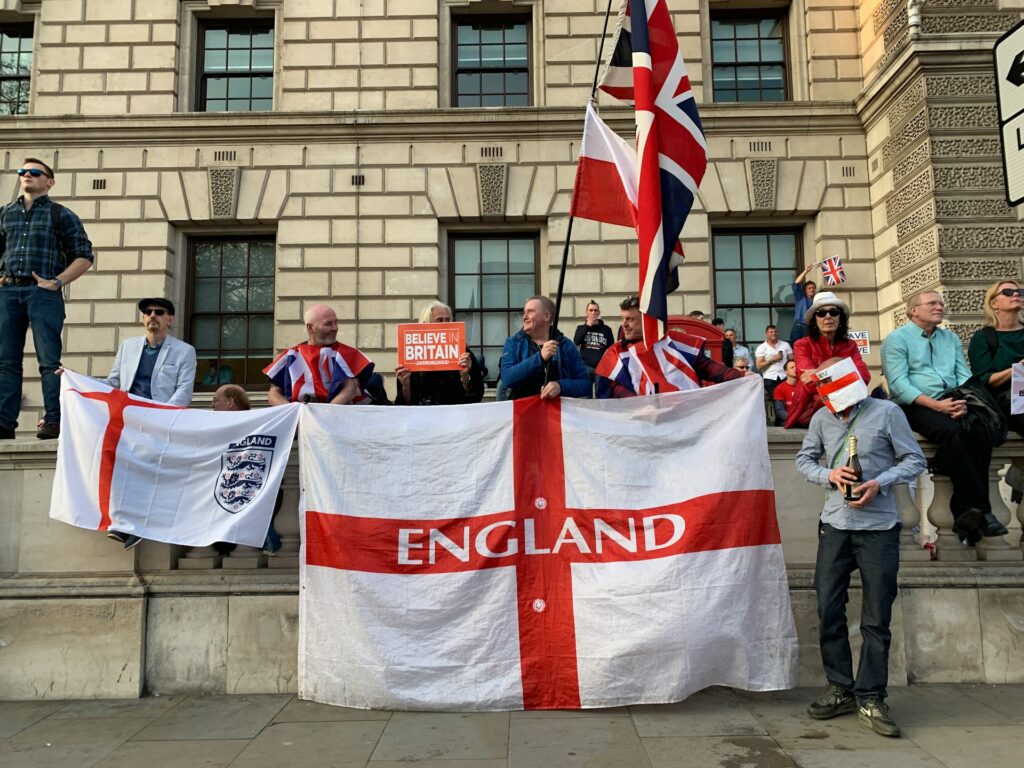
Trump leaned heavily into patriotic themes, and Farage has spent years talking about British identity in a very enthusiastic way. A Reform government could make national symbols and heritage a bigger part of public messaging, including schools and broadcasting.
Some would like that confidence and sense of belonging. Others would feel their own identity excluded or pushed aside. There’s no neutral ground once a government starts defining national character, which is why this would get emotional quickly.
12. A sharper, more confrontational style of communication
Even people who disliked Trump admit he dominated the conversation. Farage already leans into that sort of combative style. A Reform government would probably use direct language, pick fights with opponents, and try to keep media attention on their terms.
Some would enjoy straight talking politics. Others would feel exhausted by constant confrontation. British politics usually prefers a calmer tone, so this shift would be noticeable overnight.
Where this might leave the country
In truth, some people would enjoy seeing the UK take a different direction that promises firmness, national pride and quicker decisions. Others would worry about the future of public services, the environment, and the sense of balance that usually defines British politics. Most people would agree with a few ideas and feel troubled by the rest.
If Reform ever won power while embracing this Trump influenced style, the country would be pushed into a serious discussion about who we want to be. You don’t have to admire or dislike Farage or Trump to recognise that such a direction would change how Britain works. What happens next would depend on which parts of the plan people decide they can live with and which parts feel like too big a risk.