Dogs pick up on things long before we do, and half the time we don’t realise what they’re reacting to.
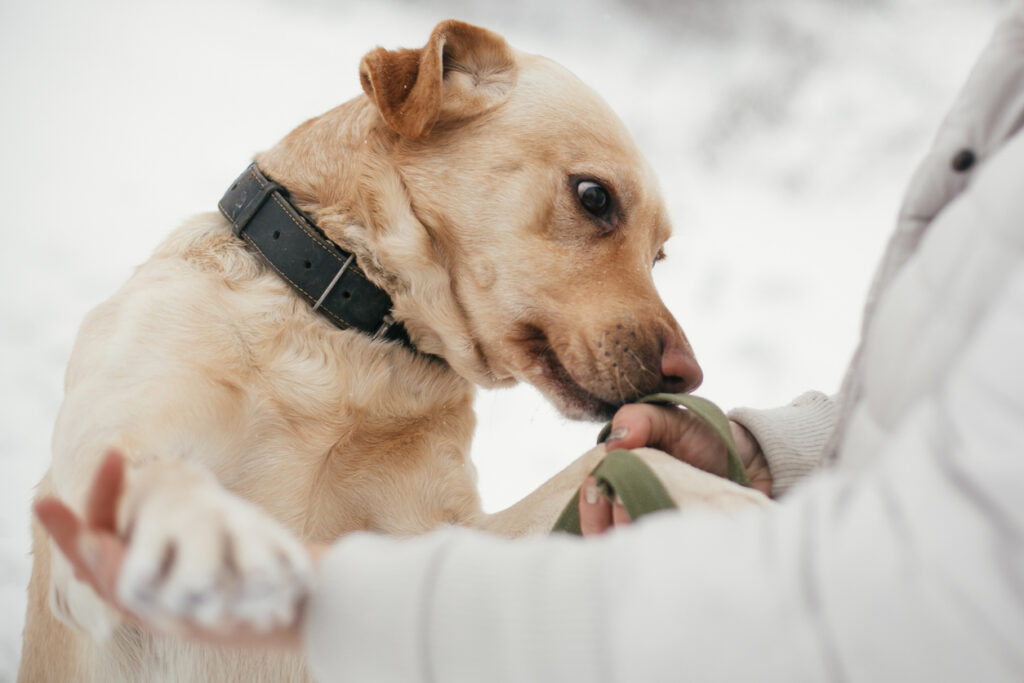
Their sense of smell is on a completely different level to ours, and it means they can notice changes in the body that humans can’t detect without testing or equipment. What looks like a nudge or a bit of odd behaviour can actually be their way of telling you something’s off.
Over the years, researchers have discovered that dogs can pick up on a surprising range of health issues through scent alone. It’s not magic, and it’s not guesswork, either; their noses are simply that advanced. Here are the conditions they can detect, often with astonishing accuracy.
1. Low blood sugar in diabetes

When someone with diabetes experiences a dangerous drop in blood sugar, they might not realise what’s happening until it’s too late. The confusion and dizziness can creep up slowly, and by the time they notice, they’re already in trouble. Dogs trained to detect diabetes can smell the chemical changes that happen when blood sugar plummets, giving their owner crucial early warning.
The dog’s incredible nose picks up on subtle shifts in breath and sweat that occur before the person even feels unwell. This early alert gives diabetics time to eat something or take their medication before a medical emergency develops. It’s like having a constant guardian who never takes a break from monitoring your health.
2. Different types of cancer

Cancer cells release specific compounds that healthy cells don’t produce, and these microscopic changes create unique scents that dogs can identify. People might dismiss early symptoms or not have any noticeable signs at all, which is why cancer often gets diagnosed late. Dogs can detect lung, breast, ovarian, bladder and prostate cancers by smelling breath, urine or skin samples.
Research has shown that trained dogs can identify cancer with remarkable accuracy, sometimes catching it before traditional medical tests would. Their ability to detect these diseases early could be life-saving, giving patients more treatment options and better outcomes. What makes this even more impressive is that dogs can distinguish between different cancer types based purely on smell.
3. Seizures before they happen
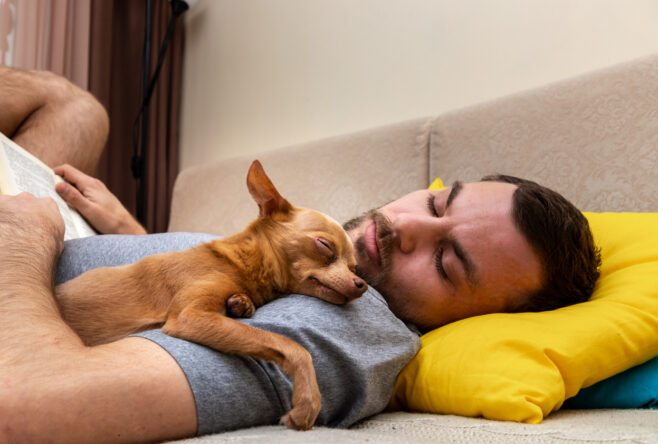
Many people with epilepsy live with constant worry about when their next seizure might strike, never knowing if they’ll be somewhere safe when it happens. This unpredictability makes everyday activities stressful and can stop people from living their lives fully. Dogs trained for seizure detection can sense an oncoming episode anywhere from several minutes to an hour before it occurs.
Scientists aren’t entirely sure what changes the dogs are picking up on, but it’s likely related to electrical activity in the brain that produces detectable scents. When the dog alerts their owner, the person can get to a safe place, take medication or call for help. This advance warning transforms the lives of seizure patients, giving them freedom and confidence they didn’t have before.
4. Parkinson’s disease

Parkinson’s is a progressive condition that affects movement and coordination, but it can be hard to diagnose in its early stages when symptoms are mild. People might experience subtle tremors or stiffness that they attribute to ageing or stress, delaying the diagnosis by years. Dogs can actually smell Parkinson’s disease in a person’s skin oils long before symptoms become obvious.
This discovery came about when a woman noticed she could smell a distinctive musky odour on her husband years before he was diagnosed with Parkinson’s. Research confirmed that dogs could be trained to identify this same scent, which comes from changes in sebum production. Early detection means people can start treatment sooner and potentially slow the disease’s progression.
5. Migraines approaching

Migraine sufferers know how debilitating these headaches can be, often forcing them to stop everything and retreat to a dark, quiet room. The trouble is that migraines can come on suddenly, catching people at work, while driving or in the middle of important activities. Some dogs can detect the chemical changes that occur before a migraine strikes, giving their owner time to prepare.
Having an early warning allows the person to take preventative medication, get home safely, or find a comfortable place to rest before the worst symptoms hit. The dog might paw at their owner, bring them medication, or exhibit other trained behaviours to communicate the alert. Having this advance notice turns an unpredictable condition into something more manageable.
6. Dangerous allergen exposure

For people with severe allergies, accidental exposure to allergens like peanuts or shellfish can trigger life-threatening reactions called anaphylaxis. Even tiny traces of an allergen in food that isn’t properly labelled can be dangerous, making eating out or trying new foods genuinely scary. Allergy detection dogs are trained to sniff out specific allergens in food, on surfaces or in the environment before their owner comes into contact with them.
These dogs provide an extra layer of protection beyond reading labels and asking about ingredients, catching hidden dangers that might otherwise be missed. When the dog detects the allergen, they alert their owner, who can avoid the substance entirely. For children with severe allergies, these dogs give parents peace of mind and give the kids more independence to navigate the world safely.
7. Changes in blood pressure

High blood pressure is often called the silent killer because people usually can’t feel when their pressure spikes dangerously high. Someone might be going about their day feeling perfectly fine while their cardiovascular system is under serious strain. Dogs can be trained to detect the subtle changes in scent that accompany blood pressure fluctuations, alerting their owner to potential problems.
This is incredibly valuable for people with conditions like postural orthostatic tachycardia syndrome, where blood pressure can drop suddenly when standing up. The dog’s alert gives the person time to sit down, adjust their medication or seek medical help before fainting or worse. It’s another example of how dogs can monitor health conditions that are otherwise invisible to us.
8. Narcolepsy sleep attacks
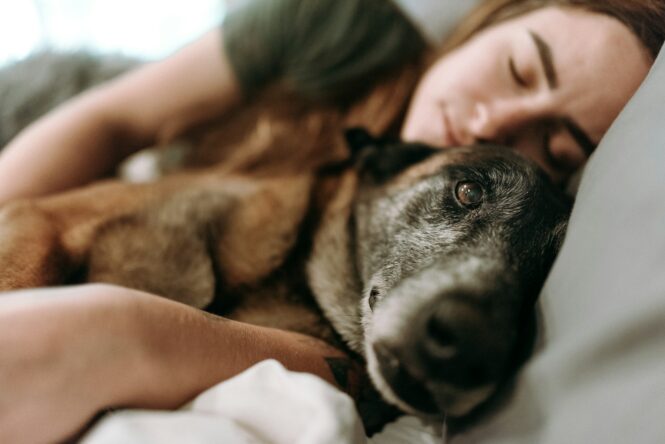
People with narcolepsy can fall asleep suddenly and without warning, even in dangerous situations like crossing a street or cooking. These unexpected sleep attacks create constant anxiety because there’s usually no way to predict when they’ll happen. Dogs trained to detect narcolepsy can sense the chemical changes that occur before a sleep attack, giving their owner crucial advance warning.
When the dog alerts, the person can immediately move to a safe location, stop what they’re doing or prepare for the episode. Some service dogs will even physically support their owner or guide them to a safe spot before the sleep attack fully takes hold. This protection allows people with narcolepsy to engage in activities they might otherwise avoid due to safety concerns.
9. Stress and anxiety disorders
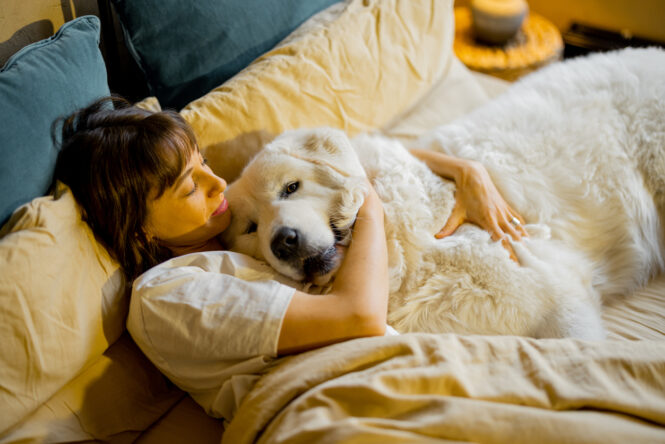
Anxiety and panic attacks can build up gradually, with physical symptoms like racing heart and rapid breathing starting before the person consciously realises they’re becoming overwhelmed. By the time they notice what’s happening, they might already be in the grip of a full-blown panic attack. Dogs can detect the hormonal and chemical changes associated with rising stress levels, alerting their owner before anxiety spirals out of control.
Early intervention gives the person time to use coping strategies like deep breathing, medication or removing themselves from triggering situations. The dog might also perform calming behaviours like deep pressure therapy, where they lean against or lie on their owner to provide comfort. Having this support can reduce the frequency and severity of panic attacks significantly.
10. Bacterial and viral infections

When our bodies fight off infections, our immune system produces specific chemicals and changes our body odour in ways we can’t consciously detect. People might not realise they’re getting ill until symptoms like fever or fatigue become obvious, by which time the infection has already taken hold. Dogs can smell these changes early, potentially detecting illnesses like COVID-19, malaria and bacterial infections before standard tests would pick them up.
Research during the pandemic showed that trained dogs could identify COVID-19 infections with high accuracy by smelling samples from infected individuals. This early detection capability could revolutionise how we screen for infectious diseases in airports, hospitals and public spaces. The dogs’ natural abilities combined with proper training create a fast, non-invasive detection method that could prevent disease spread.