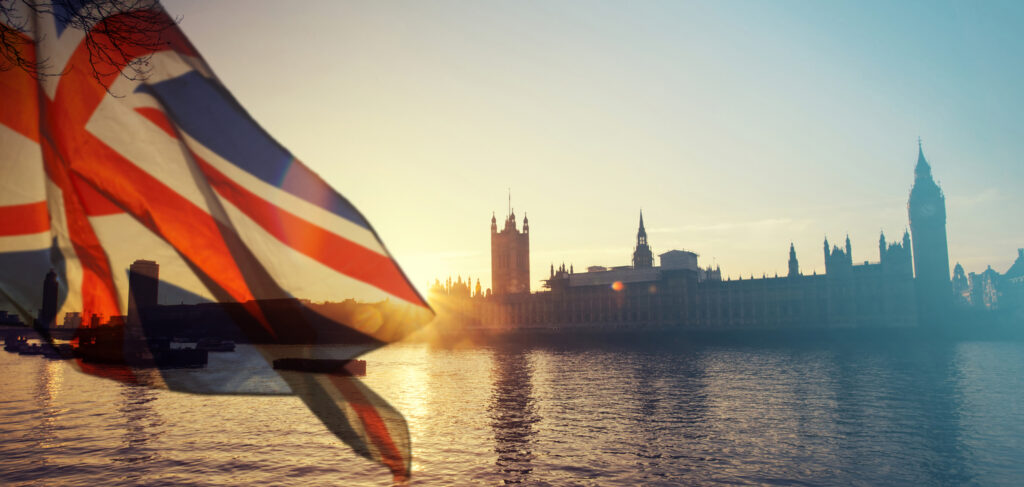
Keir Starmer only swept into office with a thumping majority in July 2024, but people are already openly wondering whether he’ll still be in Number 10 this time next year.
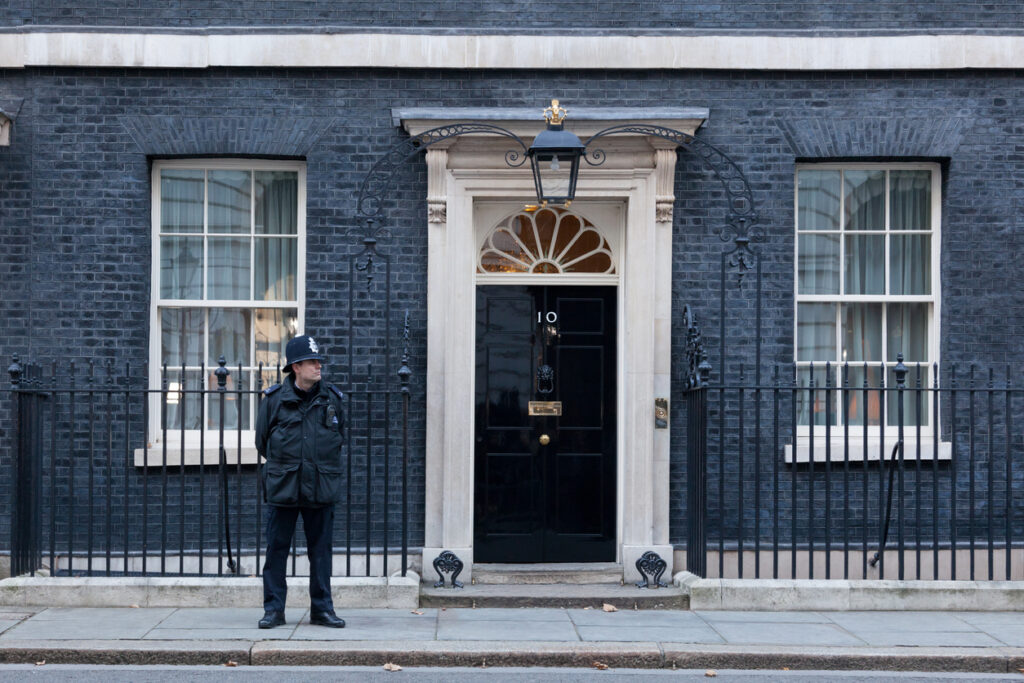
That would’ve sounded ridiculous not that long ago. Big wins used to buy leaders breathing room, authority, and a decent stretch of political goodwill. These days, they barely buy you a grace period before the knives start coming out.
Modern politics chews through leaders at speed, and landslide victories no longer act as armour. Voters expect instant delivery, the media cycle never slows down, and internal party patience has worn paper-thin. A huge mandate now raises expectations so high that even small stumbles feel unforgivable. Winning big might get you through the door, but staying there has become a completely different game.
Smaller elections can destroy your reputation, even when you’ve got loads of MPs.
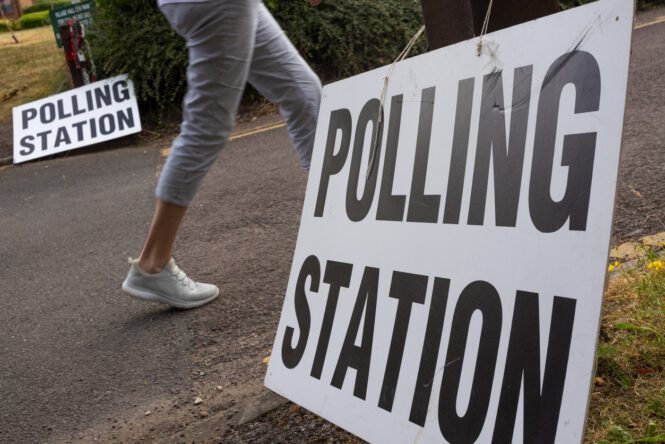
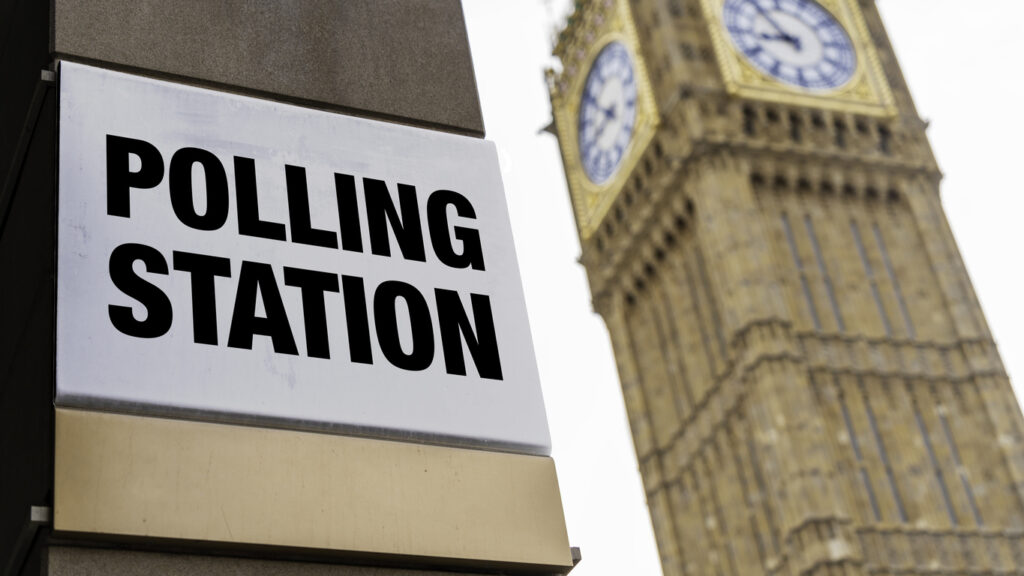
There are elections in May 2026 for local councils across England, plus the governments in Wales and Scotland. Labour currently controls most of these, so when they lose seats it’ll look like people are rejecting them everywhere, not just in Westminster. If Labour loses control of Wales for the first time in 25 years, their own MPs will start panicking that voters have turned against them properly. It doesn’t matter that Starmer has 174 more MPs than anyone else in Parliament because his colleagues will worry they’re all going to lose their jobs at the next general election if things keep going this badly.
People expect things to feel better immediately and don’t care about excuses.

Voters aren’t interested in hearing that the previous government left problems behind or that fixes take time. When your bills are still high, you can’t get a GP appointment, and nothing feels different from before the election, you blame whoever’s in charge now. Labour promised “change” during their campaign, which made people think life would improve fairly quickly. When months pass and everything feels the same or worse, people stop caring that you won loads of seats because the victory feels meaningless to their daily lives.
Labour runs things at multiple levels, so they can’t blame anyone else.

Labour controls both the UK government and the Welsh government, which means voters in Wales can’t be told their problems are someone else’s fault. Before, Labour could criticise the Conservative UK government while running Wales, or defend their Welsh record while attacking the Tories nationally. Now they’re responsible for everything in Wales, so when something goes wrong people just get angry at Labour full stop. There’s nowhere to redirect the blame, which makes voters more likely to abandon the party entirely rather than just complaining about one level of government.
People in his own party are already planning to replace him.
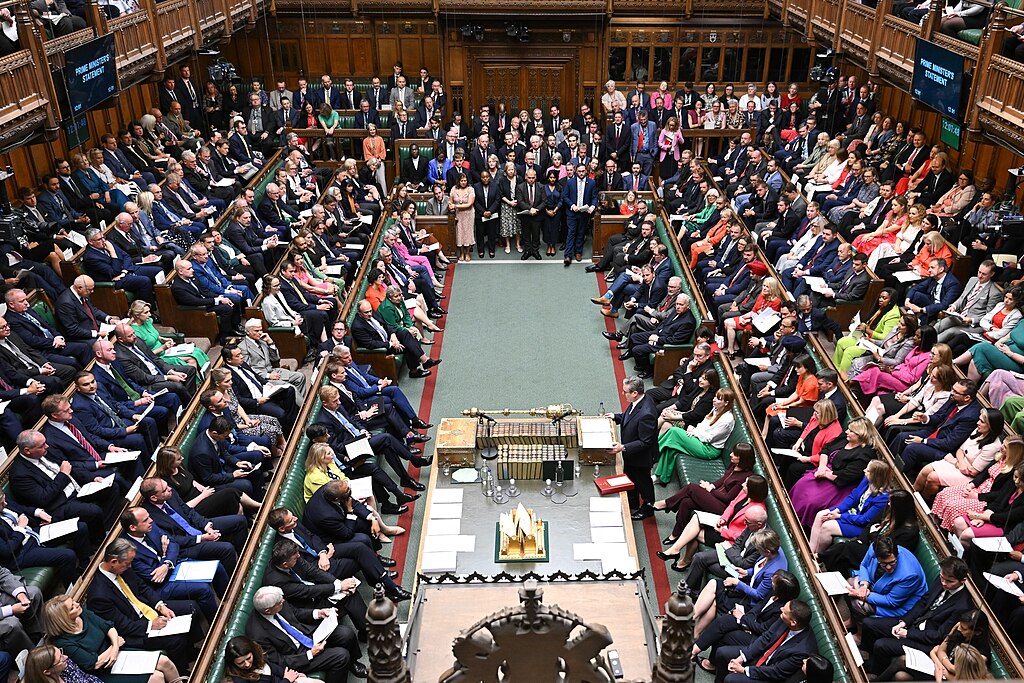
Senior Labour MPs have admitted they’re quietly discussing who should take over from Starmer, which is mad considering he’s the only one who’s won them an election in nearly 20 years. These aren’t public challenges, but private conversations where people like Wes Streeting or Andy Burnham are positioning themselves as potential alternatives. Once MPs start thinking about who comes next instead of supporting their current leader, it becomes a self-fulfilling prophecy. More people start considering their options, and suddenly replacing the prime minister seems possible even though he’s got a massive majority.
Other countries have noticed Britain keeps changing leaders.
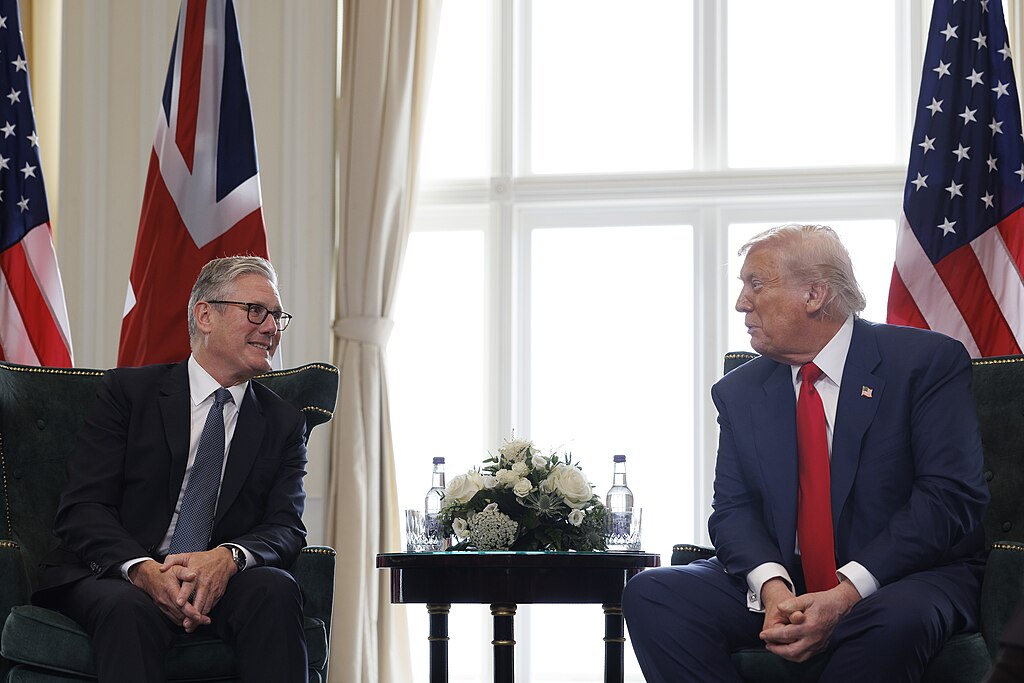
Foreign governments are openly discussing whether Starmer will still be around in a year, which makes Britain look unstable and unreliable. When other countries are negotiating trade deals or security agreements with the UK, they’re hedging their bets because they’ve watched Britain go through six prime ministers in ten years. They’ve learned not to invest too much in relationships with individual British leaders because there’s a decent chance someone new will be in charge before the ink’s dry on whatever they’ve agreed. This undermines the UK’s international standing regardless of election results.
Labour’s losing voters to completely different parties in different areas.
Reform UK is taking Labour voters in working-class areas and outer London, the Greens are winning in trendy inner-city places, and independent candidates focused on Gaza are picking up votes in areas with large Muslim populations. That means different chunks of Labour’s support are leaving for totally opposite reasons, so there’s no single message that fixes the problem. It used to be simpler when Labour’s main opponent was just the Conservatives, but now they’re being attacked from all directions by parties appealing to specific groups who used to vote Labour.
Everything gets amplified on social media before the government can respond.

Political gossip and criticism spreads so fast online that leadership speculation becomes a real thing before Number 10 can even address it. MPs see the constant discussion about whether Starmer will survive, which influences their private conversations, which then leak back to journalists and get shared thousands of times on social media. It creates a loop where just talking about replacing a leader makes it more likely to actually happen. Previous prime ministers dealt with criticism mainly through newspapers and TV news, which moved slower and gave them time to fight back, but now every mistake gets picked apart instantly.
Losing council elections means losing people who run campaigns.
If Labour gets destroyed in May, they’ll lose thousands of councillors who are the people delivering leaflets, knocking on doors, and organising local campaigns. These aren’t just elected officials, they’re the activists who do the actual work of campaigning during elections. Some Labour MPs worry that by May, it’ll be too late because the party will have lost the volunteers needed to defend their own seats at the next general election. A leader who presides over this kind of destruction becomes a liability, even if the next general election is years away.
Nobody can agree on who’d actually be better anyway.

Even MPs who want Starmer gone admit that whoever replaces him would face exactly the same problems without having won their own election. Wes Streeting is good on TV, but people question whether he’d actually do anything differently. Andy Burnham is well-known, but he’d need to become an MP again first. This uncertainty keeps Starmer in his job but also weakens him because everyone knows large parts of his party would prefer someone else if only they could figure out who.
Promising “change” means people expect to see actual changes.
Labour won by saying they’d deliver change, but now they’re struggling to explain what that change is or when people should expect to notice it. That sort of vagueness worked during the election when voters just wanted the Conservatives gone, but now people want to see concrete results. Downing Street’s planning to flood social media and do loads of interviews in early 2026 claiming this is the year people will start feeling Labour’s changes, but if life still feels the same the disappointment will be even worse. You can’t promise change and then just continue with business as usual.
The Conservatives being unpopular doesn’t save Labour anymore.
The Conservatives are doing terribly in polls, too, which historically would mean Labour’s problems weren’t as serious because voters had nowhere else to go. But Reform UK’s popularity means unhappy voters have somewhere else to turn without going back to the Tories. Both big parties can be unpopular at the same time now because there are genuine alternatives. It breaks the old system where government difficulties automatically helped the opposition.
Leaders don’t last as long as they used to.
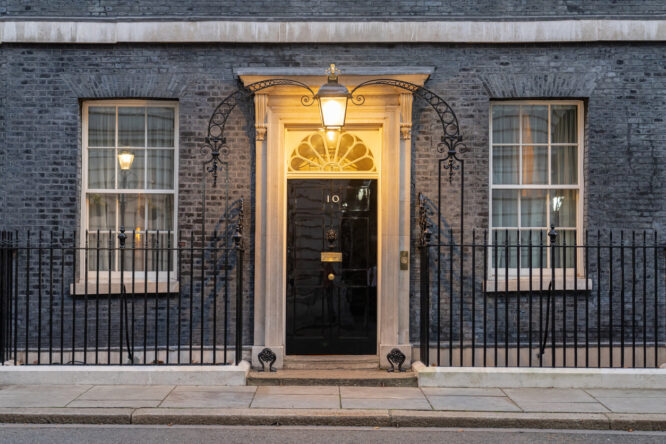
Brexit, Covid, economic problems, social media, and the rise of smaller parties have all combined to give leaders much shorter careers than before. The expectation that prime ministers stick around for a full term or longer doesn’t apply anymore when politics moves this fast and voters have so many options. Starmer’s fighting against the same forces that have already destroyed five prime ministerial careers in the past decade, and there’s nothing suggesting those forces have weakened.
Replacing Starmer would be chaotic, but might happen regardless.
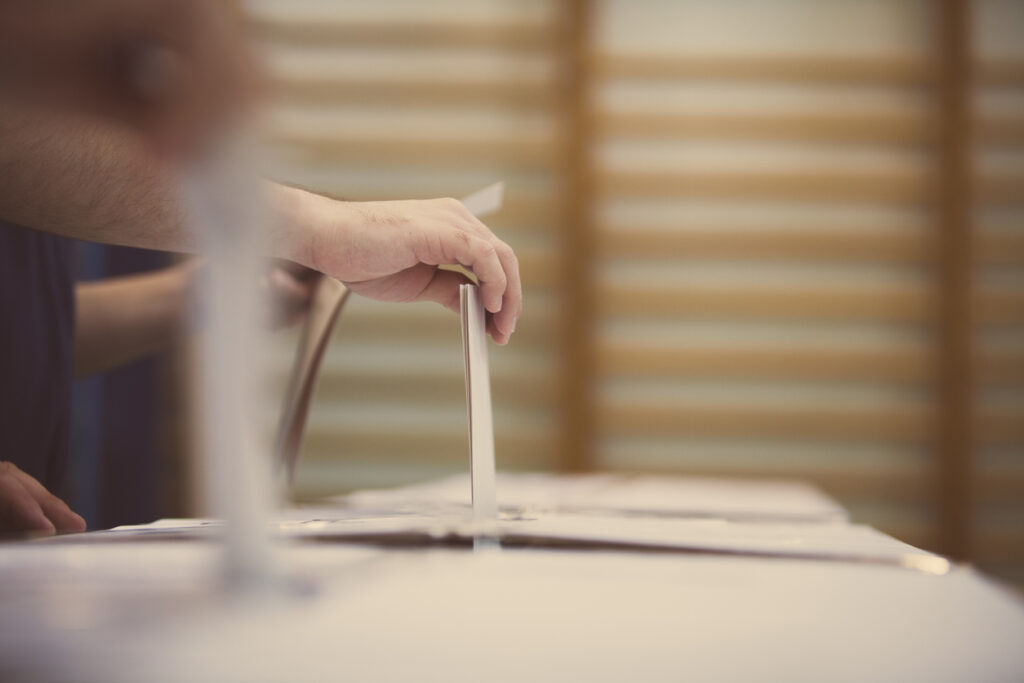
Labour doesn’t normally get rid of struggling leaders the way the Conservatives do, and Starmer himself is determined to carry on. The process of replacing him would be messy, divisive, and leave whoever takes over facing all the same problems anyway. But if the May elections are as catastrophic as many Labour insiders expect, MPs might decide that chaotic change is better than watching their party bleed support for another three years. The question becomes whether it’s better to replace him now and give a new leader time to turn things around, or stick with Starmer and hope things improve, despite no evidence that they will.