When a man bins off a long-term marriage for someone younger, it’s usually a massive act of cowardice.

He’s not looking for a “soulmate”; he’s looking for a mirror that reflects a younger, more exciting version of himself back at him. It’s a lot easier to start a fresh, shallow relationship where you’re the “cool, successful guy” than it is to face the person who has seen you at your absolute worst for 20 years. He’s trying to dodge the reality of getting older and the actual effort required to maintain a real partnership. It’s a selfish, short-term play that rarely ends well once the initial novelty of the new person wears off and real life inevitably kicks in again. Here’s what drives this short-sighted betrayal.
They’re often running from ageing, not towards love.
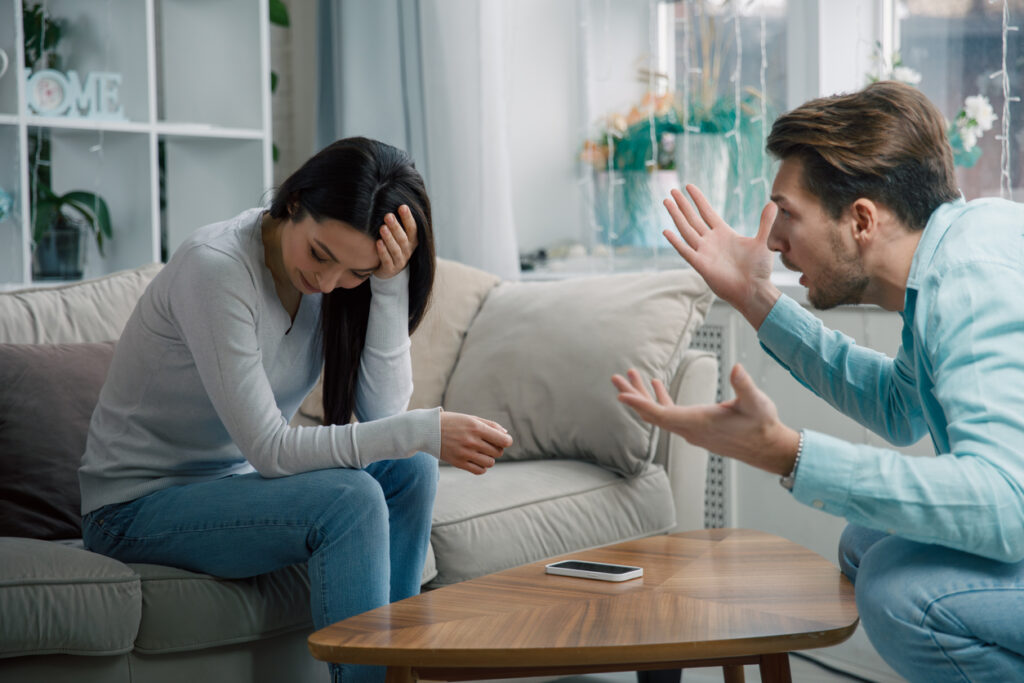
For a lot of men, the pull of a younger woman is less about romance and more about what she represents. Youth can feel like a shortcut back to a version of themselves they think they’ve lost, before responsibilities stacked up and life felt heavier. Being with someone younger can temporarily blur the reality of getting older, even if it does nothing to actually solve that discomfort.
This isn’t usually a conscious plan, either. It’s more like an emotional reflex that kicks in when a man feels invisible, irrelevant, or stuck in a role that no longer excites him. Instead of dealing with those feelings head-on, he reaches for something that makes him feel energised again, even if that energy is borrowed and short-lived.
Many feel unseen long before they leave.

Men who abandon their wives rarely wake up one day and decide to torch their marriage for fun. Often, they’ve been carrying a sense of emotional neglect for years, whether real or perceived. Feeling unappreciated, unheard, or taken for granted can slowly destroy their connection to the relationship.
The problem is that many men struggle to articulate this properly. Rather than having vulnerable conversations, they internalise the resentment until it hardens into emotional distance. When someone younger shows interest, it feels like proof that they still matter, even if the underlying issue was never truly addressed.
They confuse attention with intimacy.

Early attention is intoxicating, especially when it comes without shared history or baggage. A younger partner hasn’t seen them at their worst or through decades of routine, which can make interactions feel lighter and more affirming. That attention can be mistaken for deep emotional connection.
What often gets overlooked is that intimacy grows through shared struggle, not novelty. Once real life sets in, the same communication issues and emotional blind spots tend to follow. The difference is that the new relationship hasn’t yet been tested by time.
Power dynamics play a bigger role than they admit.

Age gaps often come with unspoken power imbalances, whether financial, emotional, or social. Being the older partner can feel reassuring to men who’ve lost a sense of control elsewhere in life. It can restore a feeling of being needed or admired.
That dynamic can initially feel flattering for both people involved, but it can also hide deeper insecurities. When admiration replaces equality, the relationship risks becoming more about validation than genuine partnership, which rarely leads to long-term satisfaction.
They underestimate the cost of starting over.

Walking away from a long marriage means more than changing who you come home to. It often involves financial strain, fractured family relationships, and a loss of social stability. Many men convince themselves they can handle these consequences better than they actually can.
Once the excitement fades, the weight of rebuilding a life from scratch can feel overwhelming. The comforts and shared understanding of a long-term partnership are hard to replace, and regret can creep in when the reality doesn’t match the fantasy.
Some are chasing admiration they never learned to give themselves.

For men with shaky self-worth, external validation becomes addictive. Being admired by someone younger can feel like proof that they’re still desirable or successful. That praise can fill emotional gaps they don’t know how to fill internally.
Without self-acceptance, though, no amount of admiration is enough. The need for reassurance often grows stronger over time, pushing them into cycles of dissatisfaction that no partner can realistically fix for them.
Midlife fear is often mistaken for clarity.

Big life transitions can trigger panic disguised as confidence. Men may frame their decision as finally choosing happiness, when in reality they’re reacting to fear of wasted time or unrealised dreams. That urgency can make drastic choices feel justified.
True clarity usually comes with reflection and patience, not impulsive exits. When fear drives the decision, it often leads to outcomes that create new problems instead of resolving old ones.
They assume younger partners mean fewer expectations.

There’s a belief that younger women will be easier, more flexible, or less demanding. That assumption ignores the fact that everyone has needs, boundaries, and expectations, regardless of age. After a while, those differences tend to surface.
When the younger partner starts wanting stability, commitment, or equal footing, the man may feel blindsided. The same avoidance patterns that damaged the marriage can resurface, just in a different setting.
They often rewrite the history of the marriage.

To justify leaving, many men mentally minimise what the marriage once meant. They focus on its flaws while forgetting the years of support, growth, and shared memories. This mental rewrite helps reduce guilt in the short term.
As time goes on, though, reality has a way of creeping back in. Moments of nostalgia or comparison can bring up complicated emotions they thought they’d resolved, especially when life with the new partner isn’t as effortless as imagined.
They don’t always anticipate the impact on their identity.

Being a husband for decades becomes part of a man’s identity, even if the relationship was strained. Losing that role can leave an unexpected void. The excitement of a new relationship doesn’t always fill that gap. Many men are surprised by how untethered they feel after leaving. Without the structure and familiarity of marriage, they may struggle with loneliness or a sense of dislocation they didn’t expect.
Children change everything, even when they’re grown.

No matter their age, children often see the situation very differently. Feelings of betrayal, confusion, or anger can linger for years. Men frequently underestimate how deeply their choices will affect these relationships. Trying to balance a new life with existing family bonds can be emotionally exhausting. Rebuilding trust takes time, and in some cases, it never fully returns, leaving long-term emotional consequences.
They mistake freedom for fulfilment.

Freedom can feel exhilarating after years of compromise, but freedom alone doesn’t create meaning. Many men discover that having fewer obligations doesn’t automatically lead to deeper happiness or purpose. Without intentional effort, that freedom can turn into restlessness. What once felt like escape can slowly morph into a lack of grounding or direction.
The pattern often repeats if nothing changes.

When the root issues aren’t addressed, the same dissatisfaction can resurface in the new relationship. In the long run, novelty fades and emotional habits reassert themselves. Age differences don’t protect against unresolved patterns. Some men find themselves chasing the same feeling again, rather than learning to build something stable. Without self-reflection, the cycle continues.
It’s rarely the happy ending people imagine.

While some relationships do work out, many don’t deliver the lasting fulfilment men expect. The initial rush often gives way to complex realities that feel surprisingly familiar. The problems they tried to escape often follow them.
The deeper truth is that abandoning a marriage for youth doesn’t resolve underlying emotional struggles. Real growth usually requires facing discomfort, not replacing it with someone new.