Finding a stray silver wire in the mirror when you’re still in your 20s or 30s can be a bit of a shock, but it’s rarely just a sign that you’re getting old before your time.

While your DNA does most of the heavy lifting when it comes to your hair’s timeline, dermatologists are increasingly pointing toward a handful of external factors that can move the process along much faster than you’d like. It’s essentially a signal from your body that the pigment-producing cells in your follicles are under too much pressure or lacking the basic fuel they need to keep your natural colour going.
From the specific vitamins you’re missing to the way your environment is attacking your scalp, there are plenty of reasons why your hair might be throwing in the towel early. Understanding these triggers is the only way to figure out if you can actually slow things down or if you just need to start embracing the change.
1. Your genes decided this ages ago.

Genetics are the biggest factor in early greying, and there’s not much you can do about it. If your parents went grey early, you’re likely following the same path. Your DNA essentially sets a timer for when your hair follicles will stop producing melanin, the pigment that gives hair its colour. Some people’s timers run out faster than others, and that’s just how your body’s programmed.
2. You’re not getting enough vitamin B12.

B12 deficiency is surprisingly common, and it directly affects melanin production in your hair follicles. This vitamin is crucial for healthy hair pigmentation, and when you’re running low, grey hairs start appearing. Vegetarians and vegans are particularly at risk, since B12 mainly comes from animal products. A simple blood test can tell you if this is your problem, and supplements usually help reverse the greying if you catch it early enough.
3. Your thyroid isn’t working properly.
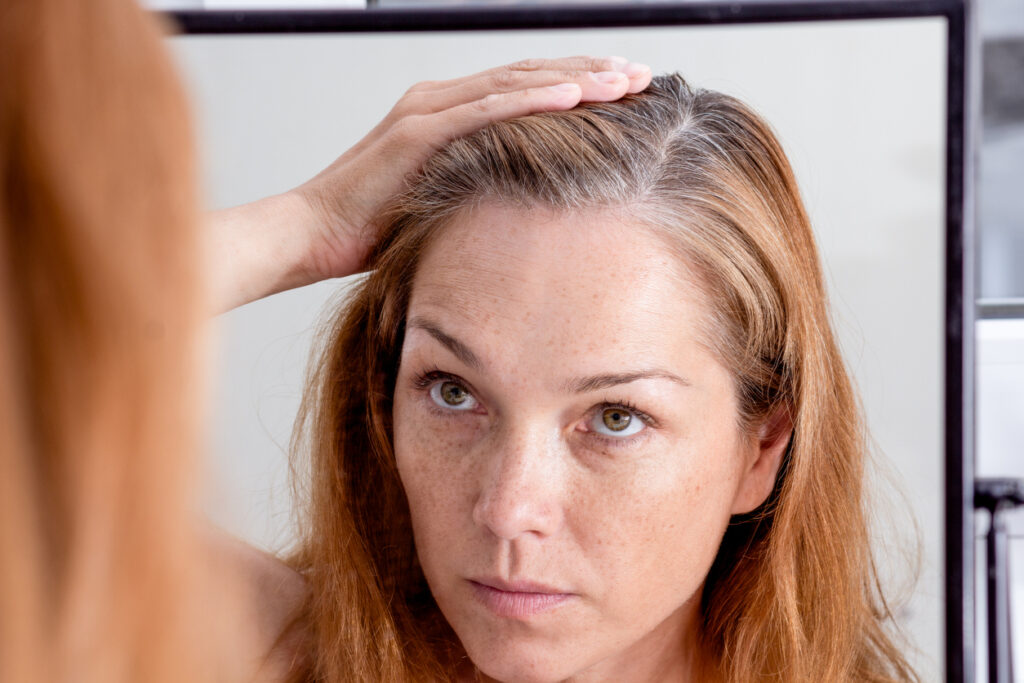
Thyroid problems mess with loads of things in your body, including your hair colour. Both hyperthyroidism and hypothyroidism can trigger premature greying because thyroid hormones help regulate melanin production. If you’re noticing grey hairs alongside other symptoms like weight changes, fatigue, or mood swings, it’s worth getting your thyroid checked. Treating the underlying condition sometimes slows down the greying process.
4. You’re under constant stress.
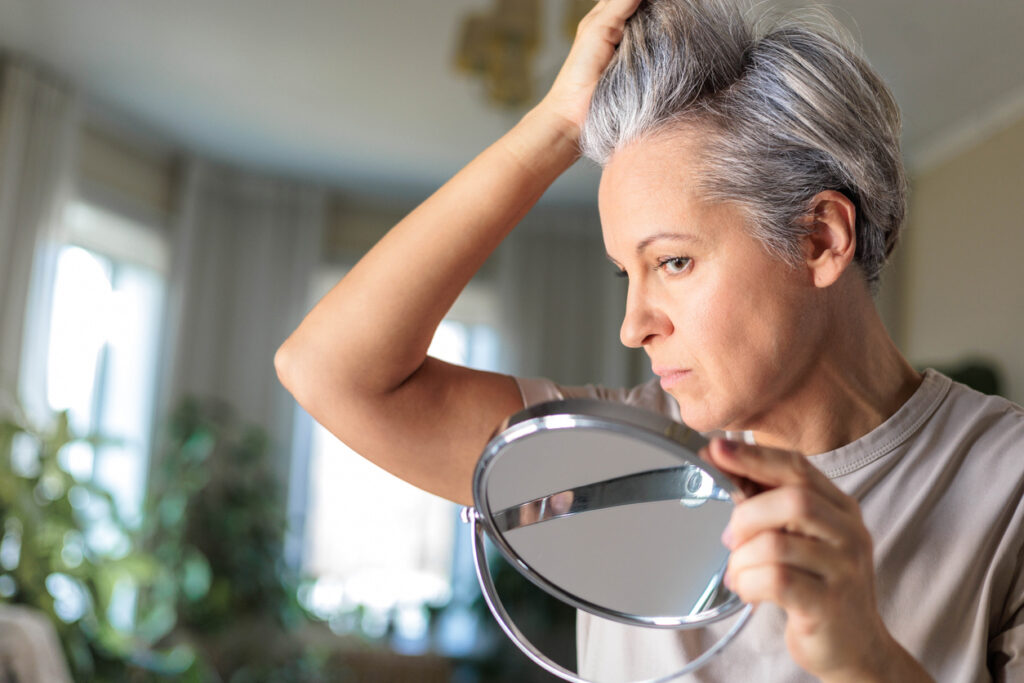
We’ve all heard that stress causes grey hair, and dermatologists confirm there’s actual science behind it. Chronic stress depletes stem cells in your hair follicles that are responsible for producing pigment. It’s not an overnight thing where one stressful event turns you grey, but ongoing, relentless stress over months or years genuinely does affect your hair colour. Managing stress won’t reverse existing grey hairs, but it might slow down new ones from appearing.
5. You smoke cigarettes.

Smoking ages pretty much everything about you faster, and your hair colour is no exception. Research shows smokers are significantly more likely to go grey before age 30 compared to non-smokers. The toxins in cigarettes damage hair follicles and reduce melanin production, while also restricting blood flow to your scalp. Quitting won’t bring back your original colour, but it’ll stop things getting worse so quickly.
6. You’ve got vitiligo.

Vitiligo is an autoimmune condition where your immune system attacks melanocytes, the cells that produce pigment. While it’s most known for causing white patches on skin, it can also affect hair colour. People with vitiligo often notice premature greying or white patches in their hair, eyebrows, or eyelashes. It’s not just about aesthetics, either. If you’re experiencing this, you should see a dermatologist because it indicates your immune system needs attention.
7. Your diet is rubbish.

What you eat directly impacts your hair’s ability to maintain its colour. Deficiencies in copper, iron, and certain proteins can all contribute to early greying. Your hair follicles need proper nutrition to produce melanin, and if you’re living on processed foods without enough nutrients, your hair suffers. It’s not about following some perfect diet, but making sure you’re getting a decent range of vitamins and minerals from actual food.
8. You’re dealing with alopecia areata.
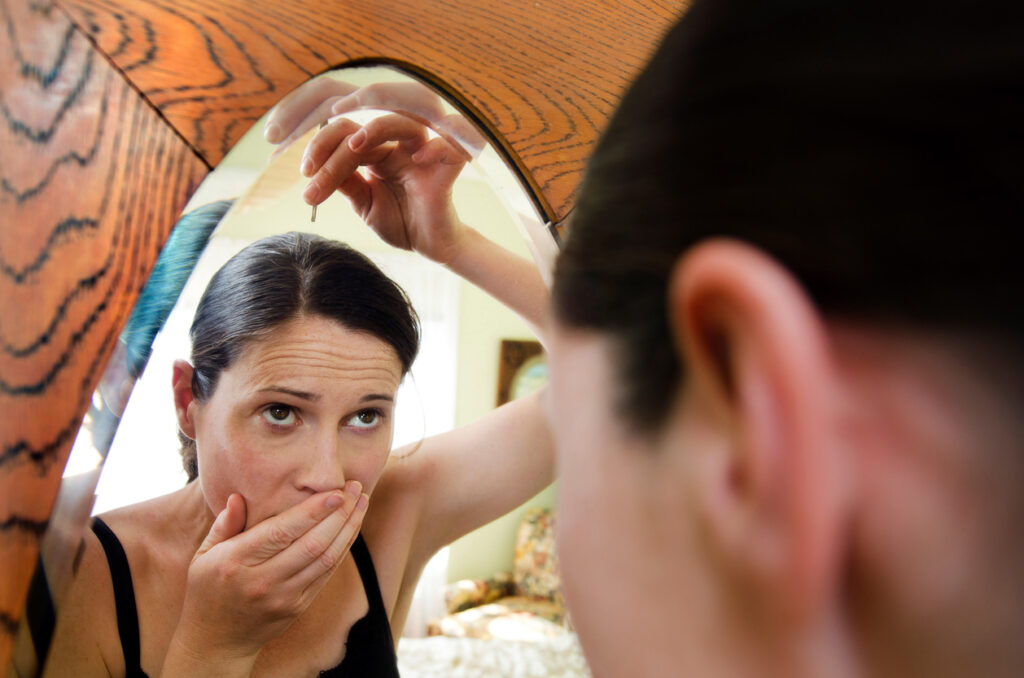
Alopecia areata is another autoimmune condition that causes hair loss in patches, and when the hair grows back, it often comes in grey or white. This happens because the autoimmune response damages the pigment-producing cells in your follicles. Dermatologists see this pattern regularly—the regrown hair simply doesn’t have the same pigmentation as before. Treatment focuses on managing the alopecia itself rather than the colour change.
9. You’ve got an autoimmune disease.

Beyond vitiligo and alopecia, other autoimmune conditions can trigger premature greying. Things like lupus, rheumatoid arthritis, or thyroid autoimmune disorders all involve your immune system attacking healthy cells, including the ones responsible for hair pigmentation. If you’re going grey unusually early and have other unexplained symptoms, it’s worth investigating whether there’s an underlying autoimmune issue at play.
10. You’re using harsh hair products.

Chemical treatments and aggressive hair products can damage your hair follicles over time. Bleaching, perming, and using products with harsh sulphates or other chemicals doesn’t directly cause grey hair, but they can damage the hair shaft and follicle enough to affect pigment production. Dermatologists recommend sticking to gentler products if you’re concerned about premature greying, though the damage from past treatments might already be done.
11. You’ve been exposed to environmental pollutants.

Living in areas with high pollution levels can accelerate greying because toxins and free radicals damage hair follicles. Studies show that people in highly polluted cities tend to go grey earlier than those in cleaner environments. The oxidative stress from pollution affects melanocyte function in your scalp. You can’t always control where you live, but antioxidant-rich foods might help counteract some of the damage.
12. You have a metabolic disorder.
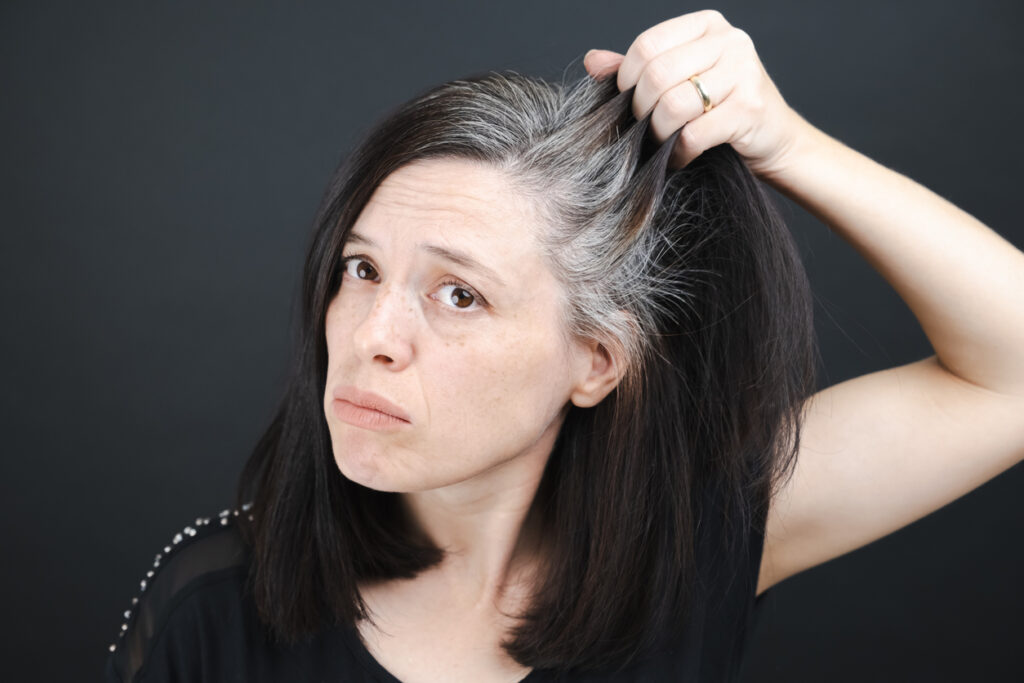
Certain metabolic conditions affect how your body processes nutrients and produces melanin. Things like pernicious anaemia or disorders that affect copper metabolism can lead to early greying. These conditions interfere with the chemical processes needed to create hair pigment. If you’re greying early and experiencing other health issues, your doctor should check for underlying metabolic problems that might be the root cause.
13. You’re dealing with oxidative stress.

Oxidative stress happens when there’s an imbalance between free radicals and antioxidants in your body, and it damages cells throughout your system, including hair follicles. This can come from pollution, UV exposure, poor diet, smoking, or chronic inflammation. Your melanocytes are particularly vulnerable to oxidative damage, which is why it shows up as grey hair. Eating foods rich in antioxidants and protecting your scalp from sun damage can help slow this process down.