Back in the ’70s, you could walk out of school on a Friday and be in a solid, “job for life” role by Monday morning.

It was a time when a single wage could actually cover a mortgage, a Ford Capri, and a decent fortnight in Spain without needing a degree in rocket science. There was a proper sense of security in certain trades; if you worked hard and kept your head down, the local industry would look after you until you picked up your gold watch and pension.
Fast forward to now, and that world has basically vanished. The massive changes in technology and the way we manufacture things have turned what were once prestigious, high-earning careers into historical footnotes. Jobs that used to command respect and a hefty pay packet have either been swallowed up by automation or moved overseas, leaving the remaining roles as low-paid relics of a bygone era. It’s a bit of a grim reality check, but looking at what’s happened to these 10 roles tells you everything you need to know about how much the UK’s economy has been turned on its head.
1. Coal miners earned solid wages and wielded real power.

In the early 1970s, coal miners were pulling in decent money and had strong unions backing them up. After successful strikes in 1972 and 1974, they won pay rises of up to 27%, bringing many miners’ wages above the manufacturing average. The 1972 strike even brought down Ted Heath’s government.
Sadly, the writing was on the wall. The industry employed over 700,000 people in 1950, and that number plummeted after the failed 1984 strike. Pit closures accelerated through the 1980s and 1990s as cheap imports and gas-fired power stations replaced coal. Today, deep coal mining in the UK is completely dead, with the last pit closing in 2015.
2. Shipbuilders on the Clyde once had job security and pride.

Shipbuilding was a massive employer in the 1970s, particularly in Scotland, with places like Upper Clyde Shipbuilders employing thousands of skilled workers. The famous 1971 work-in at UCS showed just how important these jobs were to entire communities. Wages were decent, and the work required genuine skill, but British shipbuilding couldn’t compete with new yards in Japan and South Korea that used modern production methods.
The UK produced 57% of the world’s ships in 1947, but by the 1970s that had dropped below 5%. By the 1990s it was under 1%, and today Britain doesn’t produce any commercial ships at all. The yards that once dominated the skyline in places like Clydeside and Tyneside have been demolished or converted into museums.
3. Steelworkers at Port Talbot and elsewhere had stable careers.
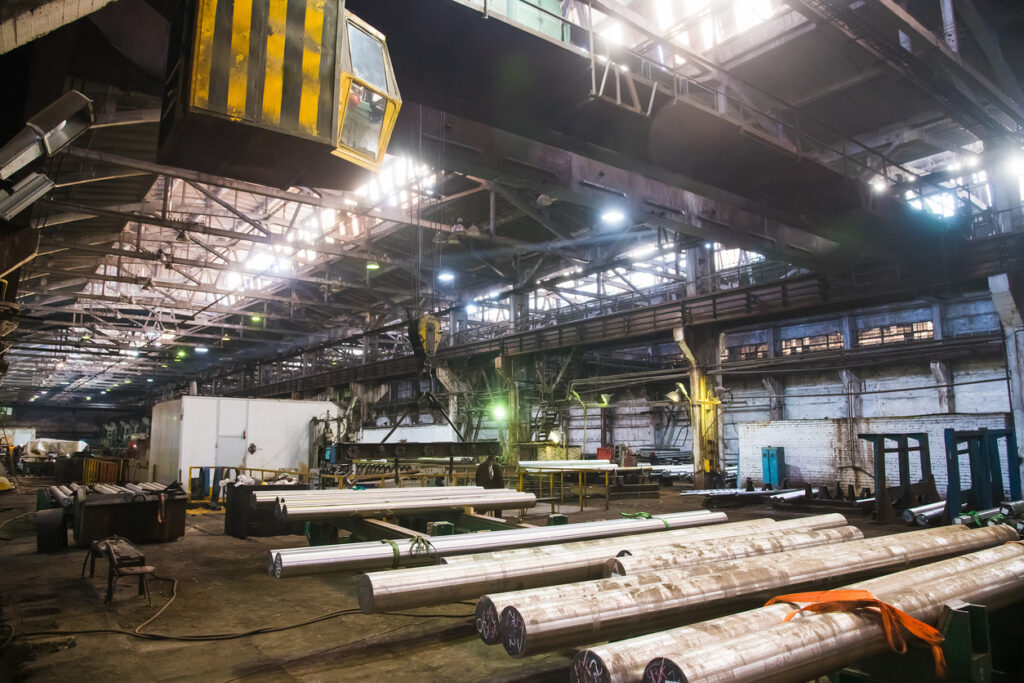
In the early 1970s, Britain’s steel industry employed around 320,000 workers, with nearly 20,000 at Port Talbot alone. It was solid work that paid well, often more than a third above the UK average wage. But the industry was hammered by cheap Chinese imports, high energy costs, and plant closures from the 1980s onwards.
The Conservative government under Thatcher cut 90,000 jobs in brutal closures, particularly hitting places like Consett and Corby, where the shuttered steelworks destroyed entire towns. Today, the UK steel industry employs just 33,000 people, one tenth of the 1970s workforce. Port Talbot is currently shutting down its blast furnaces, with thousands more jobs disappearing.
4. Typesetters were highly skilled and well compensated.
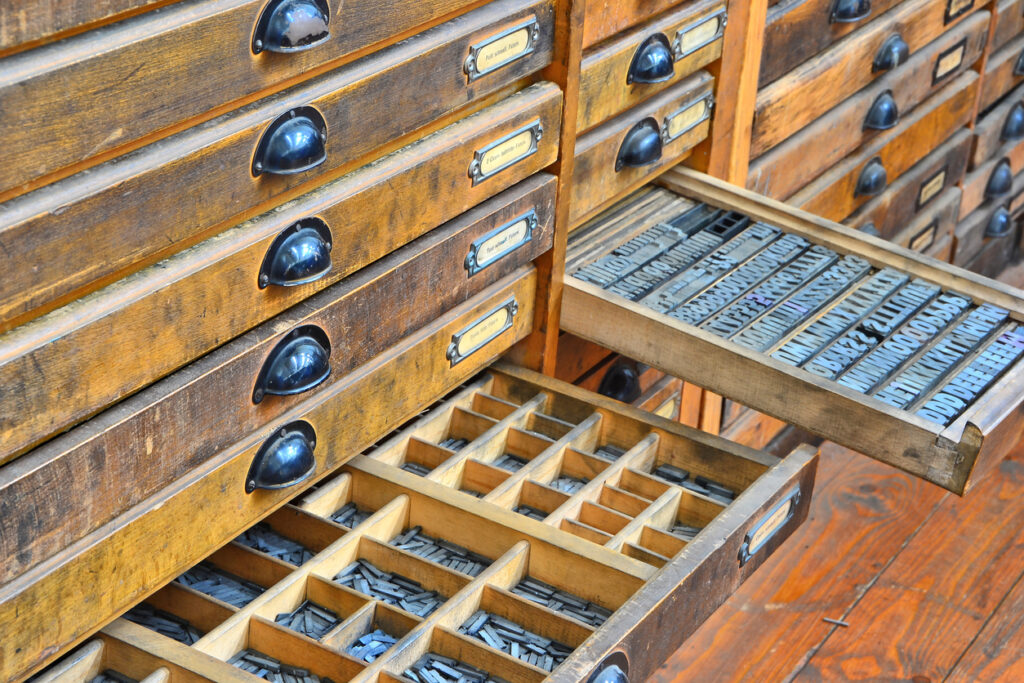
Typesetters in the 1970s were like today’s programmers, a powerful and well-paid trade with strong unions. The International Typographical Union protected its members fiercely, and skilled typesetters could earn excellent wages for their craft. But when computerised typesetting arrived in the mid-1970s, everything changed.
Desktop publishing in the 1980s was the final blow, as personal computers and laser printers turned every office worker into their own typesetter. The Wapping dispute of 1986-87, when Rupert Murdoch broke the print unions, marked the end. By the mid-1990s, the entire profession had essentially vanished. Former typesetters found themselves unemployable, with their specialised skills worthless overnight.
5. Textile mill workers faced extinction by decade’s end.
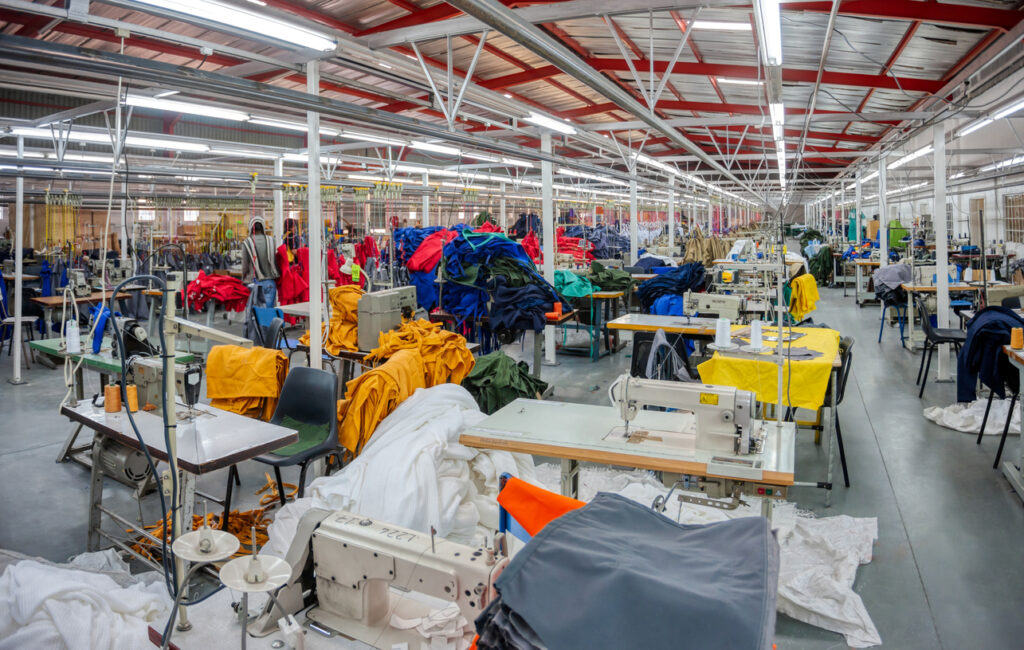
The textile industry was already in steep decline by the 1970s, but it still employed hundreds of thousands of people, particularly in Lancashire and Yorkshire. Workers in cotton and wool mills earned reasonable wages, though the writing was on the wall. Competition from Japan and later from developing countries with much lower labour costs killed the industry. By 1970, virtually all of Britain’s once-magnificent mills had shut or were on the verge of closing.
The 1970s saw another 25,000 jobs lost in West Yorkshire alone between 1977 and 1980. India’s boycott of British cotton goods removed a huge export market, while cheap imports flooded in. Today, British textile manufacturing employs a fraction of its former workforce, with most mills converted into flats or demolished.
6. Print workers at newspapers commanded premium pay.

Fleet Street print workers in the 1970s had it made, with strong union protection and wages that reflected their skilled work. The print unions could shut down newspapers with strikes, giving them serious bargaining power. But new technology and Rupert Murdoch’s move to Wapping in 1986 broke their grip.
Murdoch built a new plant with modern equipment that didn’t need traditional print workers, and when the unions struck, he simply hired new staff and kept publishing. The unions lost, and thousands of print workers found themselves redundant. By the 1990s, printing jobs had mostly disappeared as newspapers moved to computer-based production.
7. Dockers controlled Britain’s ports with union muscle.

Dock workers in the 1970s were organised, militant, and well paid for their physically demanding work. The unions controlled who got hired through the closed shop system, and dockers could earn decent money through overtime and bonuses. But containerisation changed everything, as massive container ships needed far fewer workers to unload them than the old cargo vessels.
The Thatcher government’s battles with the dock unions in the 1980s, combined with automation and modernisation, gutted the profession. London’s historic docks closed one by one, with the last, Millwall Dock, shutting in 1980. Today’s ports are largely automated, and the few dock workers who remain earn nothing like their predecessors did.
8. Telephone operators connected every call by hand.
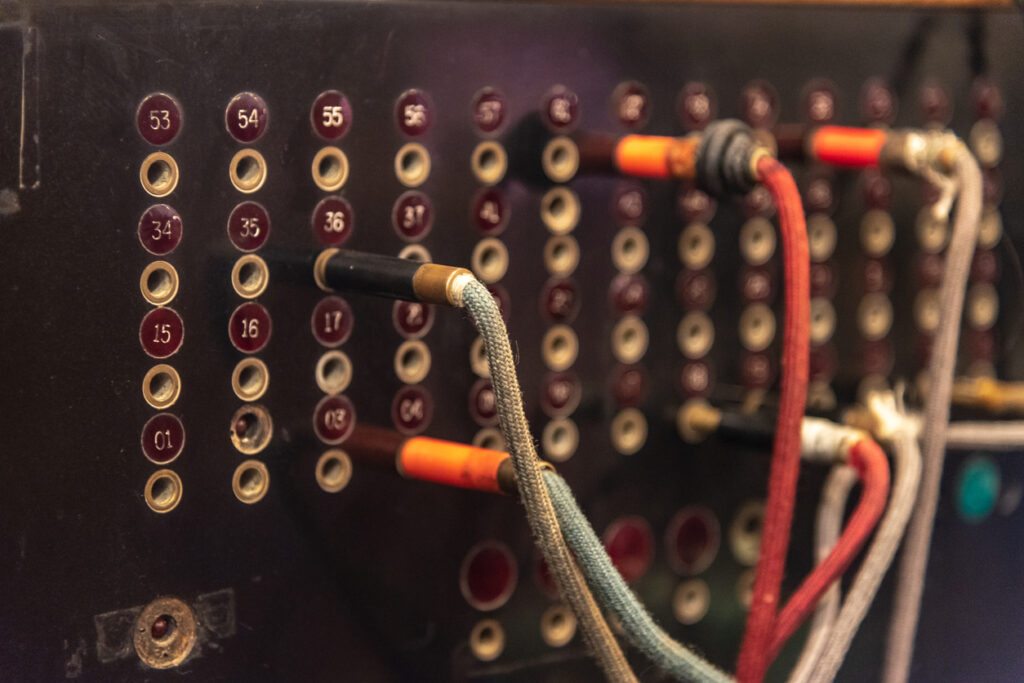
Before automatic telephone exchanges became standard, operators sat at switchboards manually connecting calls all day. It was steady work, predominantly done by women, and in the 1970s it still employed thousands across Britain. The pay wasn’t spectacular, but it was reliable, and many telephone operators made careers of it. However, digital telephone exchanges automated the entire process, and by the 1980s and 1990s the job had virtually disappeared.
British Telecom shed tens of thousands of workers as exchanges went digital and customers could dial directly without operator assistance. Today, the few remaining operators handle only specialised services or emergency calls, and even those jobs are increasingly being automated or outsourced abroad.
9. Car factory workers built British motors with pride.
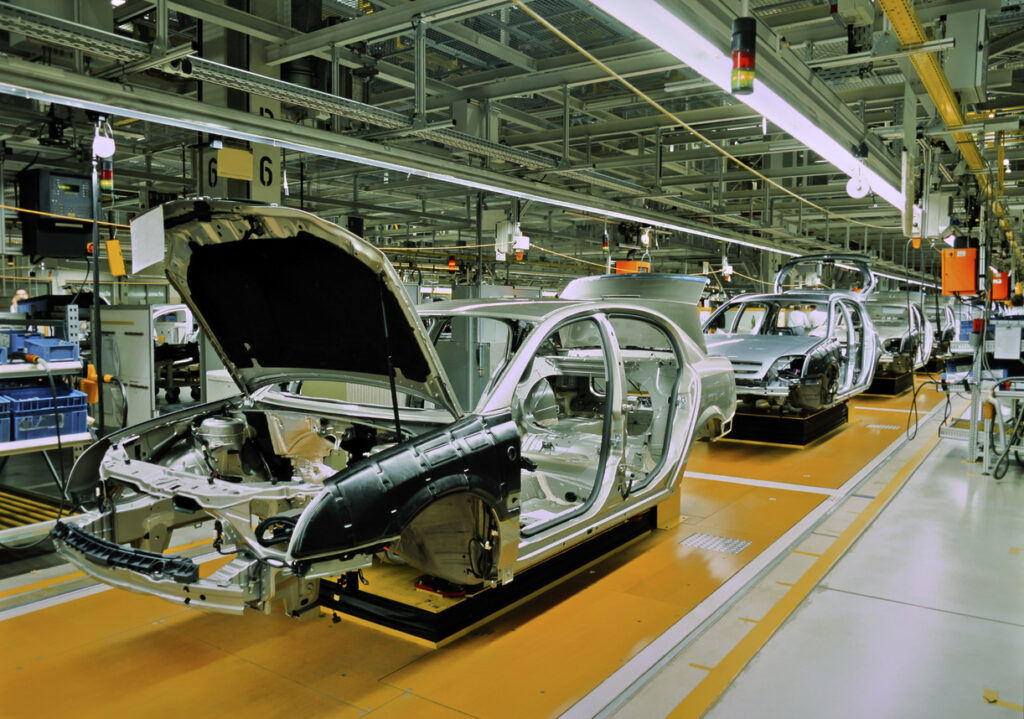
British Leyland and other car manufacturers employed massive workforces in the 1970s, with decent union-negotiated wages and benefits. Workers at plants in the Midlands and elsewhere had job security and took home solid pay packets. But British car manufacturing was plagued by strikes, poor management, and increasing competition from Japan and Germany. British Leyland collapsed and was eventually broken up, with plants closing across the country.
The merger mania of the 1960s and productivity deals of the 1970s threatened thousands of jobs, and by the 1980s much of British car manufacturing had vanished. Today, while some foreign-owned plants remain, the homegrown British car industry is essentially extinct and employment is a fraction of what it once was.
10. Door-to-door salesmen made their living on the knocker.

The 1970s still had armies of door-to-door salesmen, from insurance agents to the tallymen, who sold goods on credit to working-class families. The Prudential and Provident companies employed thousands of agents who went house to house collecting payments and selling policies. These jobs offered commission-based earnings that could add up to decent money, especially on Friday pay nights when workers had cash. But changing shopping habits, the rise of supermarkets and department stores, and the decline of the weekly cash wage killed the trade.
By the 1980s and 1990s, door-to-door selling had largely died out as people got bank accounts and credit cards. Today, the few remaining door-to-door salespeople are mostly viewed with suspicion, and the job pays peanuts compared to the old days when it was a viable career.