Most people find one workout they don’t hate and then beat it into the ground, but your body eventually gets so efficient at that single movement that you stop seeing results.

If you’re only running or only lifting, you’re leaving massive gaps in your fitness and basically inviting a repetitive strain injury to sideline you. You’ve got to stop thinking about just getting a sweat on and start covering the essential bases: heart health, muscle mass, and actually being able to move your joints without pain. To stay functional as you get older, you can’t be a one-trick pony; you need a mix of stresses to keep your system resilient. Here’s what you need to know in order to build a routine that works for the long haul.
Cardio alone won’t build the strength you need.

Running, cycling and swimming are brilliant for your heart and lungs, but they don’t do much for building muscle or bone density. You can run marathons and still struggle to carry heavy shopping bags or move furniture. Your cardiovascular system gets stronger while your muscles stay relatively weak, which creates an imbalance. This matters more as you age because muscle mass naturally declines, and cardio won’t slow that down. You need resistance training to maintain the strength that keeps you independent and capable in daily life.
Lifting weights skips the endurance your heart needs.

Strength training is fantastic for building muscle and bone, but it doesn’t challenge your cardiovascular system the way sustained activity does. Your heart needs regular aerobic work to stay efficient and healthy. Bodybuilders can bench press impressive weights but get winded climbing stairs because they’ve neglected cardio. The two systems need different types of training, and neither one covers what the other provides. A strong body with a weak heart isn’t truly fit, it’s just muscular.
Flexibility gets ignored until something hurts.

Most people skip stretching and mobility work entirely, then wonder why their back hurts, or their shoulders feel tight. Flexibility and range of motion matter for preventing injuries and moving comfortably through life. If you only do cardio or weights without stretching, your muscles get tight, and your joints lose their full range of motion. This catches up with you when you bend down awkwardly or reach for something and pull a muscle. Regular stretching or yoga keeps your body supple and reduces the aches that come from repetitive movement patterns.
Balance training prevents falls and injuries.
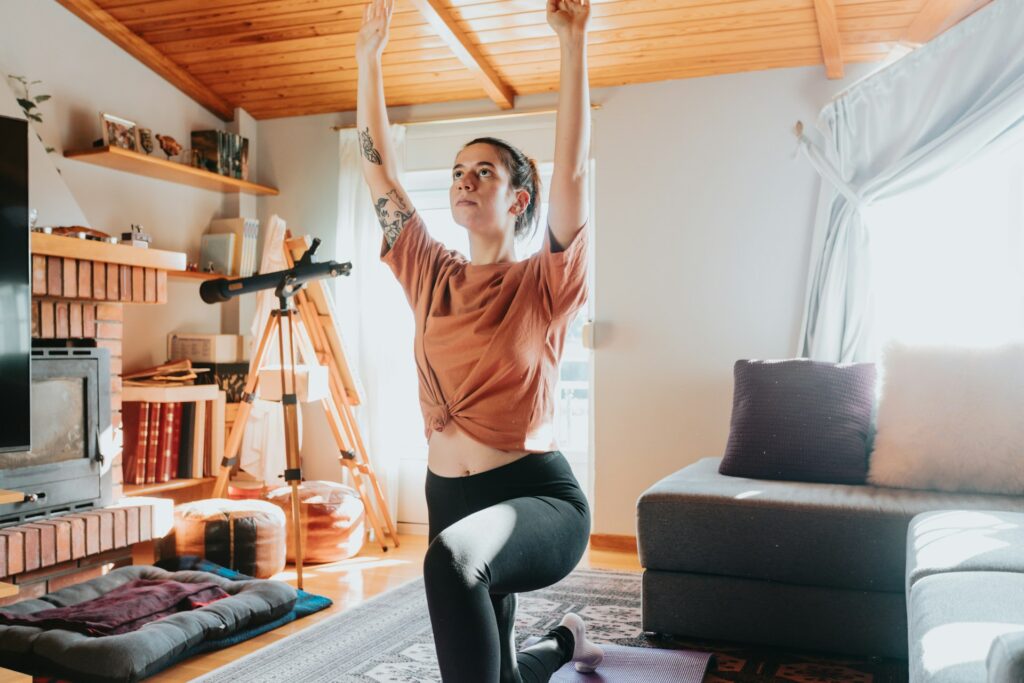
Balance work sounds boring until you trip on uneven pavement and can’t catch yourself. Your body needs practice staying stable in different positions, especially as you get older. Activities that challenge your balance, like standing on one leg or using a wobble board, train the small stabiliser muscles that keep you upright. If you only do stable exercises on machines or flat surfaces, these muscles don’t develop properly. Poor balance leads to rolled ankles, falls and injuries that could’ve been prevented with a bit of specific training.
Your body adapts to whatever you do repeatedly.

Do the same workout over and over and your body gets incredibly efficient at that specific movement, but nothing else. Runners develop strong legs, but often have weak upper bodies and poor flexibility. Yoga enthusiasts might be flexible but lack cardiovascular endurance or significant strength. Your body only improves at what you make it do, so limiting yourself to one activity means you’re only developing one aspect of fitness. True fitness means being reasonably capable across multiple domains, not brilliant at one thing and rubbish at everything else.
Different exercises stress different energy systems.

Your body has multiple ways of producing energy depending on what you’re doing. Sprinting uses different energy pathways than jogging, which uses different ones than lifting heavy weights. Training only one energy system leaves the others underdeveloped, which limits your overall capacity. You want your body to be efficient at producing energy for both short bursts of intense effort and longer sustained activity. Variety in your training ensures all these systems get developed, making you more adaptable and capable in different situations.
Muscle imbalances cause pain and injury.

Focusing on one type of exercise often overworks certain muscles while neglecting others. Cyclists get strong quads but weak hamstrings, which puts strain on the knees. Runners often have tight hip flexors and weak glutes from the repetitive forward motion. These imbalances create compensation patterns where your body starts moving incorrectly to work around the weakness, leading to pain and injury. A balanced programme strengthens all the major muscle groups and keeps your body moving properly.
Mental benefits come from trying new things.

Doing the same exercise routine gets boring, and boredom kills motivation. Your brain craves novelty and challenge, which keeps exercise interesting and engaging. Trying different activities also prevents burnout from the mental grind of repeating the same movements constantly. Someone who only runs might find joy in a dance class or rock climbing, which uses their body in completely new ways. Variety keeps exercise fun, and fun means you’re more likely to stick with it long term.
Real life demands multiple types of fitness.
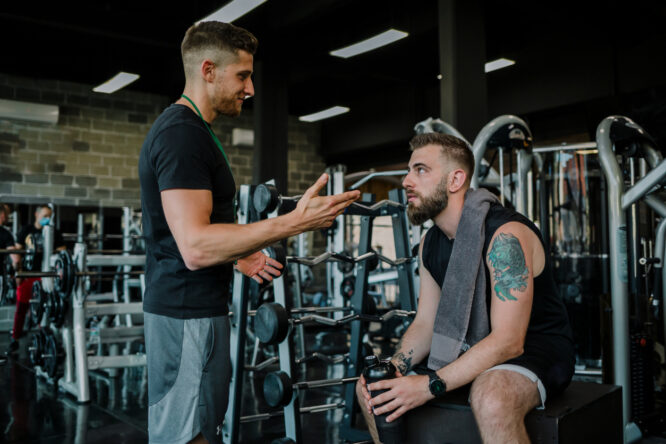
Your daily activities require a mix of strength, endurance, flexibility, and balance all at once. Carrying shopping needs strength and endurance. Playing with kids requires agility and cardiovascular fitness. Gardening demands flexibility and balance. If you’ve only trained one aspect of fitness, real-world activities become harder than they should be. A well-rounded exercise routine prepares your body for whatever life throws at you, not just for performing one specific movement pattern.
The ideal mix includes all four main categories.

You need cardiovascular exercise for heart health, strength training for muscles and bones, flexibility work for mobility, and balance training for stability. This doesn’t mean spending hours in the gym every day. Two or three sessions of cardio per week, two strength sessions, and regular stretching covers the basics. Balance work can be incorporated into strength training or done separately for just a few minutes. The exact split depends on your goals and current fitness level, but all four elements need to be present. A balanced approach might feel less intense than focusing obsessively on one thing, but it creates genuine, functional fitness that serves you better in the long run.