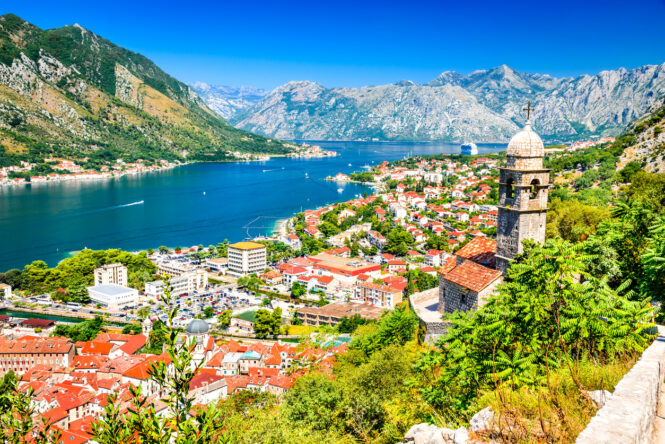
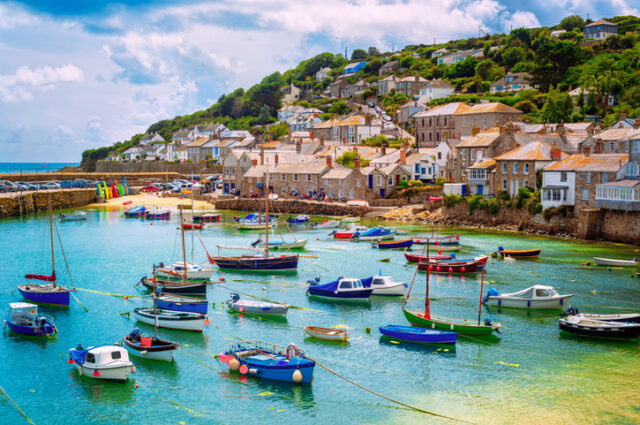
We’ve all seen those picture-postcard towns with the honey-coloured stone and the blooming hanging baskets that look like something straight out of a Sunday night drama.
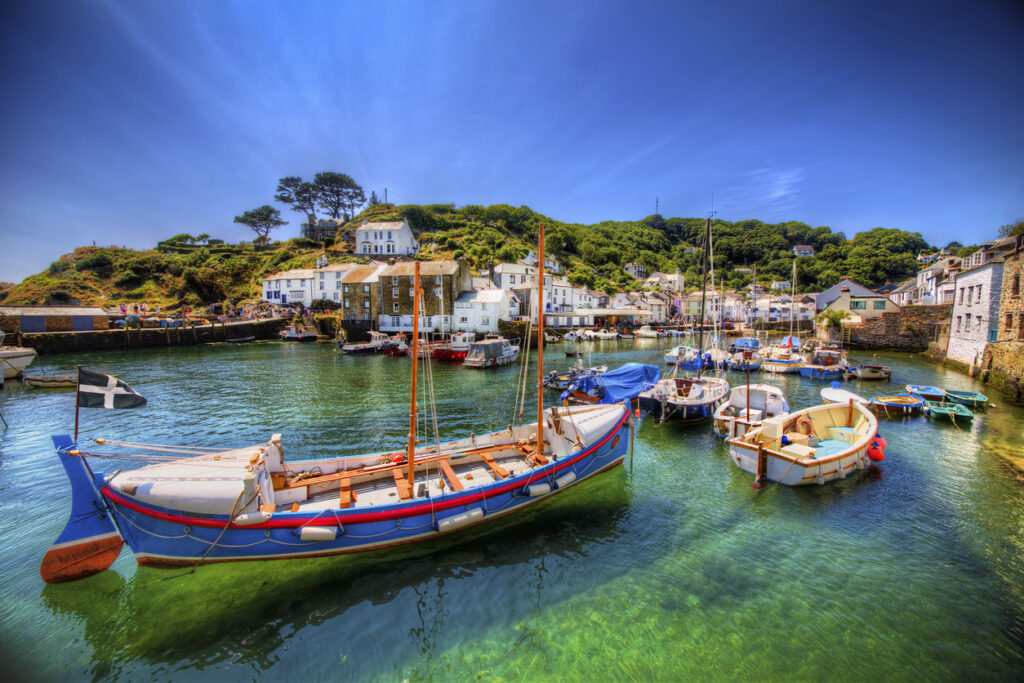
You visit for a day, have a nice pub lunch, and start checking estate agent windows, convinced that moving there would solve all your problems. But for the people actually living behind those pretty front doors, the reality is often a massive headache involving gridlocked traffic, astronomical house prices, and a local economy that shuts down the second the tourists go home.
These 10 towns might look like heaven on a biscuit tin, but they’re often a total nightmare once you’re dealing with the lack of basic shops and the crushing isolation of a “pretty” postcode.
1. Bath feels like living in a permanent tourist attraction.
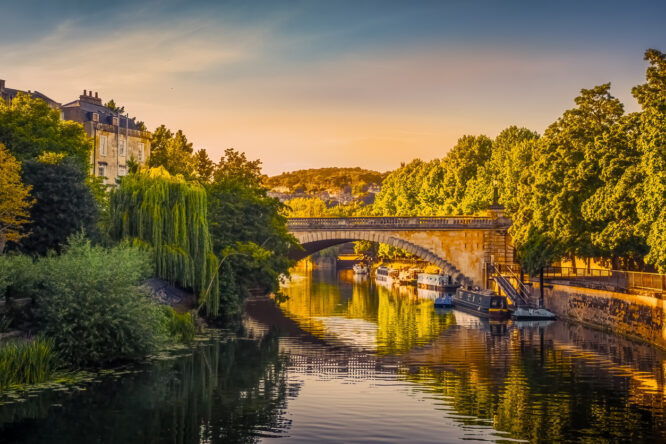
The Georgian architecture is gorgeous, but you can’t walk to the shops without dodging tour groups and queue for everything. Parking costs a fortune when you can even find a space, and the council prioritises visitors over residents every single time. Your local Tesco becomes a nightmare between April and September, and forget about enjoying the Roman Baths or any of the famous spots because they’re packed year-round.
House prices are astronomical for what you actually get, and the traffic through the city centre moves at a crawl most days. The beautiful buildings need constant expensive maintenance, and if you live in a listed property, you’ll need permission just to change your windows.
2. Oxford is exhausting when you’re not a student.
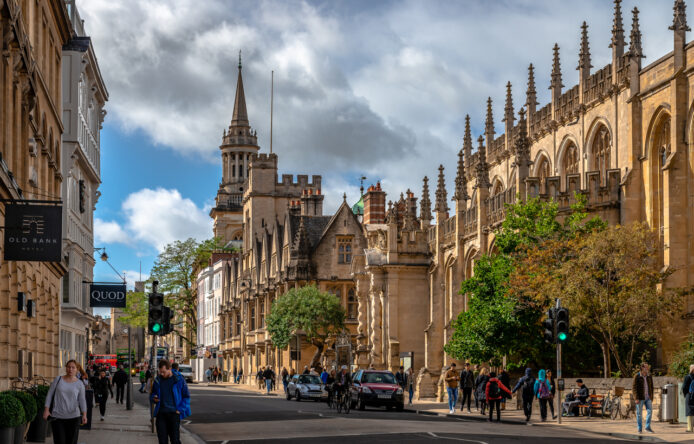
The dreaming spires are lovely, but living there means navigating streets clogged with bicycles and tourists taking photos of everything. Rent rivals London prices, yet you’re dealing with a small city’s infrastructure that can’t cope with the population. Town and gown tensions simmer constantly, and locals often feel like second-class citizens in their own home.
The colleges own huge swathes of property, which keeps housing costs artificially high and creates a strange feudal atmosphere. Term time brings chaos to every street and shop, while summer brings different crowds gawping at the architecture. Everything costs more because businesses know they can charge tourist and student prices.
3. Cotswolds villages are beautiful but completely impractical.
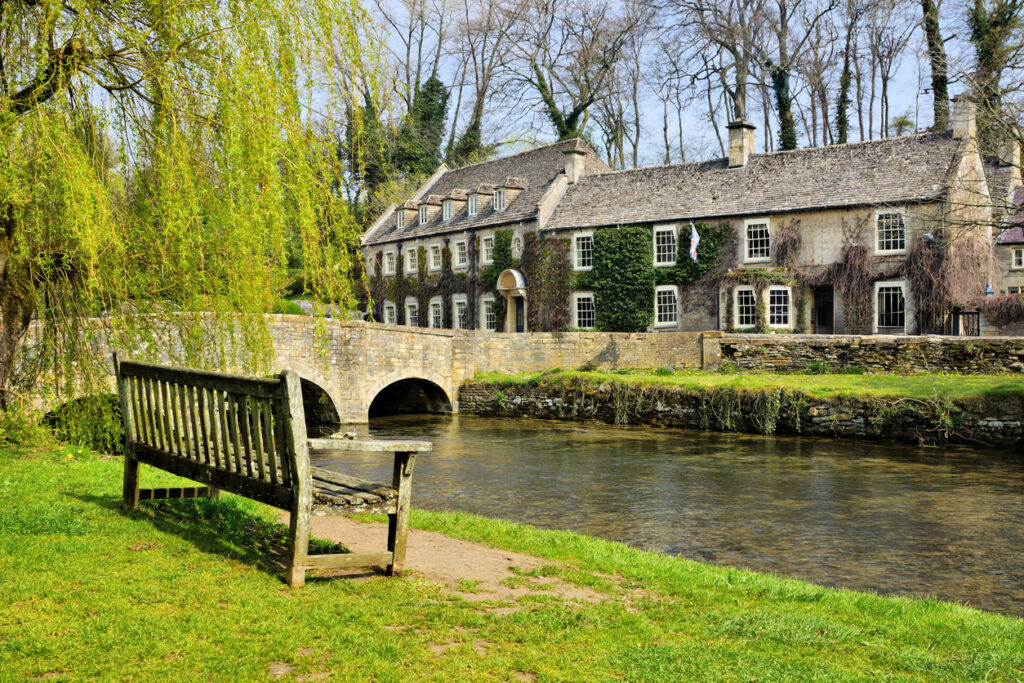
Places like Bourton-on-the-Water and Bibury look magical, but try actually living there. Your village gets swamped by day-trippers every weekend, turning your quiet lane into a car park. There’s no proper public transport, so you need a car for absolutely everything, but parking in your own village becomes impossible when tourists arrive.
Local shops disappear because they can’t compete with gift shops and tearooms, so you’ll drive miles for basic groceries. House prices are insane, and most properties get snapped up as holiday lets or second homes, hollowing out the community. The pretty stone cottages are cold, damp, and expensive to heat, with ancient wiring and plumbing that costs a fortune to maintain.
4. St Ives is a parking nightmare with a seasonal economy.
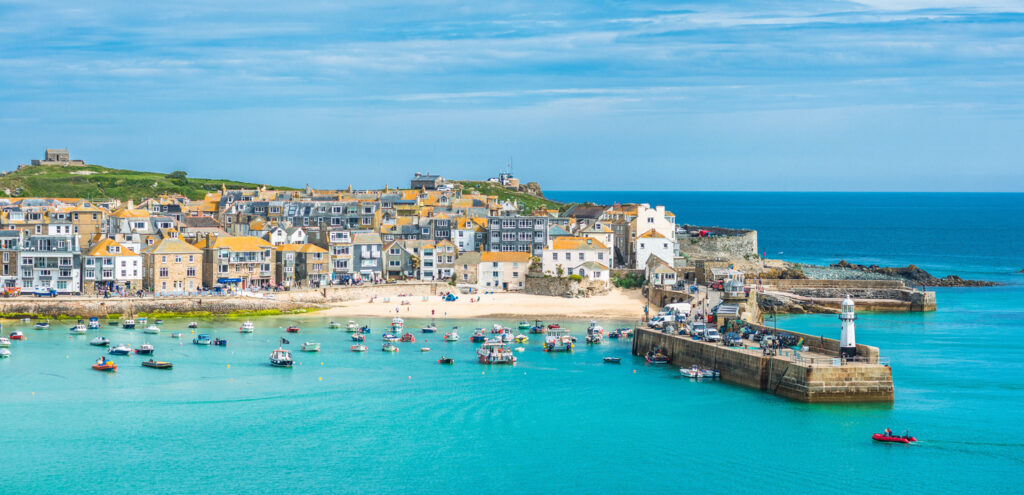
The beaches and harbour are stunning, but residents face impossible parking restrictions and permits that still don’t guarantee a space. The town completely transforms in summer, becoming so rammed with visitors that you can’t move or access basic services. Winter brings the opposite problem, with half the businesses closed and the town feeling like a ghost ship.
Jobs are almost entirely tourism-based, which means seasonal work and low wages year-round. Housing costs rival major cities, but employment opportunities don’t come close to matching. The beautiful coastal location means everything gets battered by salt and sea air, so maintenance costs never stop. Getting to a proper hospital or major shopping requires a long drive, and the roads are single track for much of the journey.
5. Stratford-upon-Avon trades on Shakespeare, but residents pay the price.
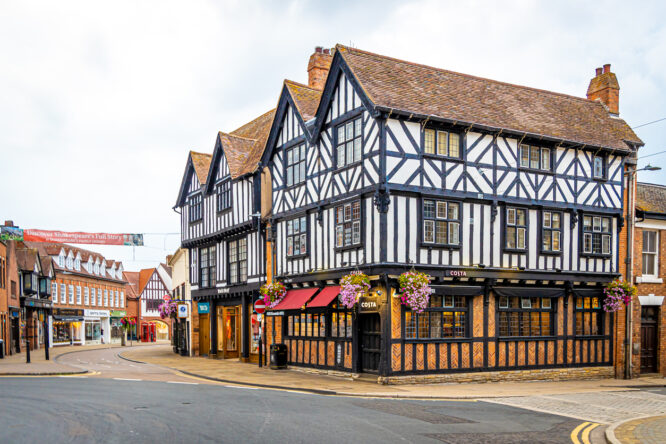
Living where the Bard was born sounds romantic until you realise your town exists purely as a Shakespeare theme park. Every business caters to tourists, pushing up prices and pushing out shops that locals actually need. The constant stream of school trips and tour buses makes the town centre unbearable most days.
House prices have shot up because of the postcard appeal, but wages haven’t followed since most jobs are retail and hospitality. You can’t enjoy the theatre or riverside without bumping into crowds, and parking enforcement is brutal while traffic is constant. The obsession with preserving the historic character means getting planning permission for anything is a bureaucratic nightmare.
6. Whitby looks gothic and gorgeous but living there isn’t easy.
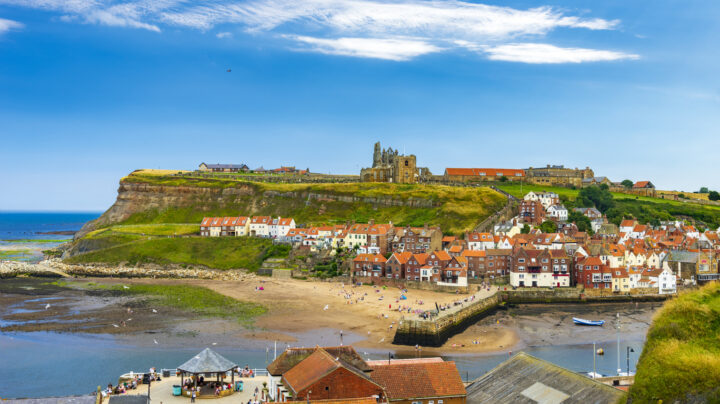
The abbey ruins and harbour are atmospheric, but the town gets overwhelmed twice a year during Goth Weekend, and tourists flood in all summer long. The local economy relies heavily on seasonal visitors, so winter can be financially tough for residents. Housing is expensive given the remote location, and you’re quite far from major cities or proper shopping centres.
The 199 steps to the abbey are charming for visitors but exhausting when you live up there and need to carry shopping. Parking is a constant battle, and the town’s layout makes traffic terrible during peak times. The coastal weather can be harsh and relentless, with wind and rain battering everything for months on end.
7. Cambridge copies Oxford’s problems with added cycling chaos.
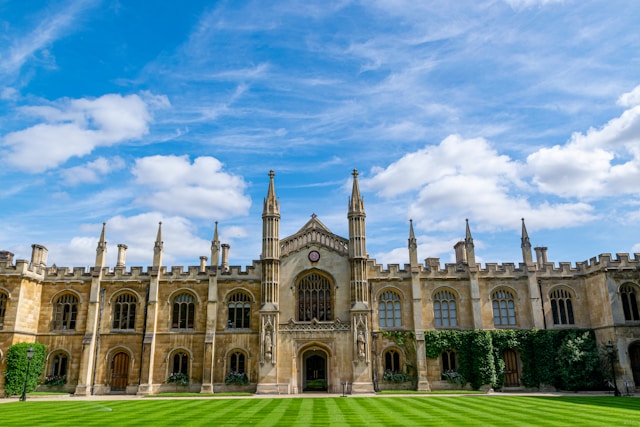
The university dominates everything, creating the same tensions and sky-high costs as Oxford but with even more bicycles. Cyclists rule the roads and often ignore traffic rules, making driving or walking genuinely stressful. The city’s completely gridlocked most days, and parking is both impossible and expensive when you do find it.
Students and tourists get priority for everything, and actual residents feel overlooked by the council. Property prices are absurd, and the rental market is geared entirely towards students, with all the problems that creates. The flat landscape might look pretty, but the fenland weather is often grey, damp, and miserable for months at a time.
8. Windermere lives and dies by Lake District tourism.
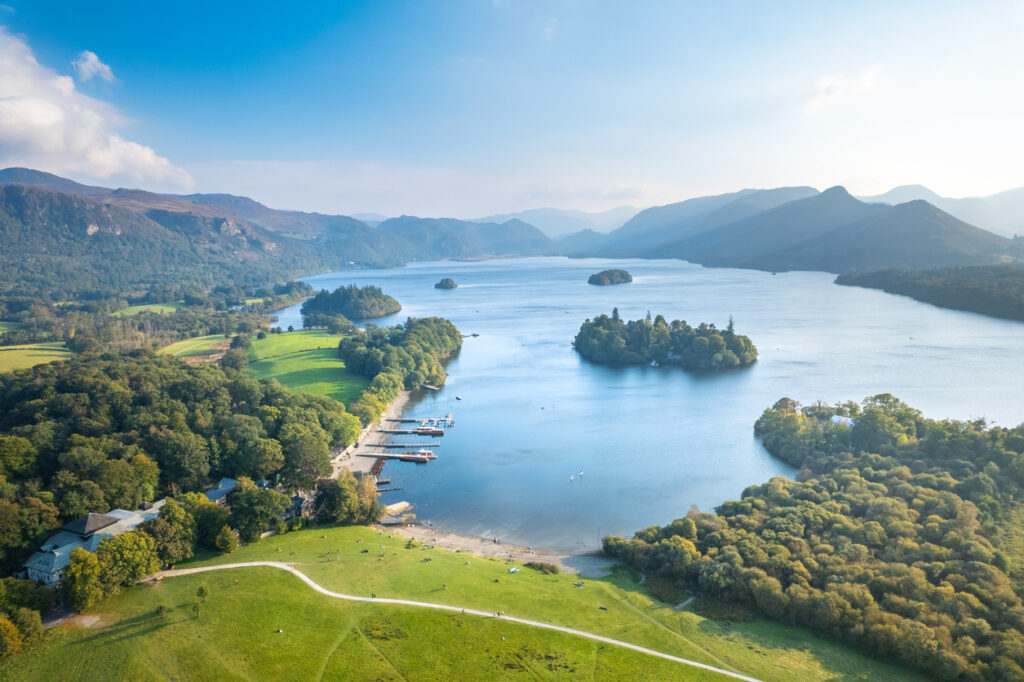
Being in the heart of the Lakes sounds idyllic, but your town becomes gridlocked every weekend and throughout summer. House prices have skyrocketed as people buy holiday homes, pushing out local families and creating ghost streets in winter. The infrastructure can’t cope with visitor numbers, so roads are jammed and facilities are stretched beyond breaking point.
Jobs are largely seasonal and tourism-based, offering little security or decent wages for residents. The weather is famously wet, with the Lake District getting significantly more rain than most of Britain. Everything feels designed for visitors rather than people who actually live there, and the council’s priorities reflect that reality.
9. York is stunning, but suffers from permanent tourist overload.
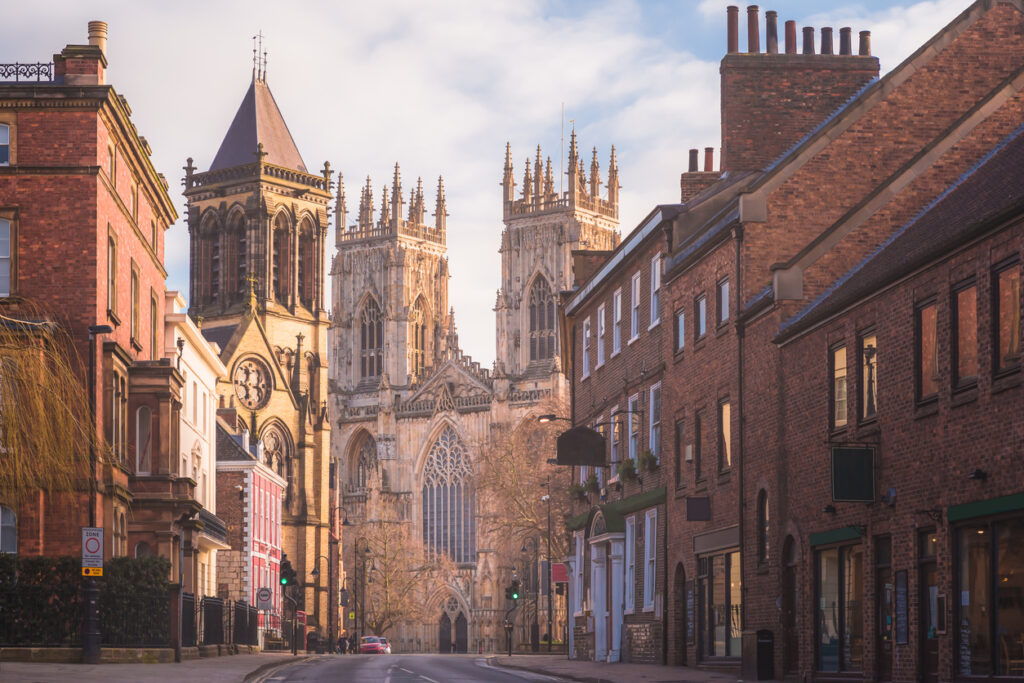
The medieval walls and Minster are magnificent, but navigating streets packed with tourists and hen parties gets old fast. The city’s historical preservation rules make renovating or developing property incredibly complicated and expensive. Parking is impossible in the centre, and even residents’ permits don’t guarantee you’ll find a space anywhere near your home.
Everything costs tourist prices, even for locals trying to buy basics or have a meal out. The Minster and walls are genuinely impressive, but you’ll rarely enjoy them when they’re constantly swarmed with visitors. House prices reflect the city’s appeal and history, but salaries don’t match that level unless you’re commuting elsewhere.
10. Polperro trades convenience for picture-perfect quaintness.
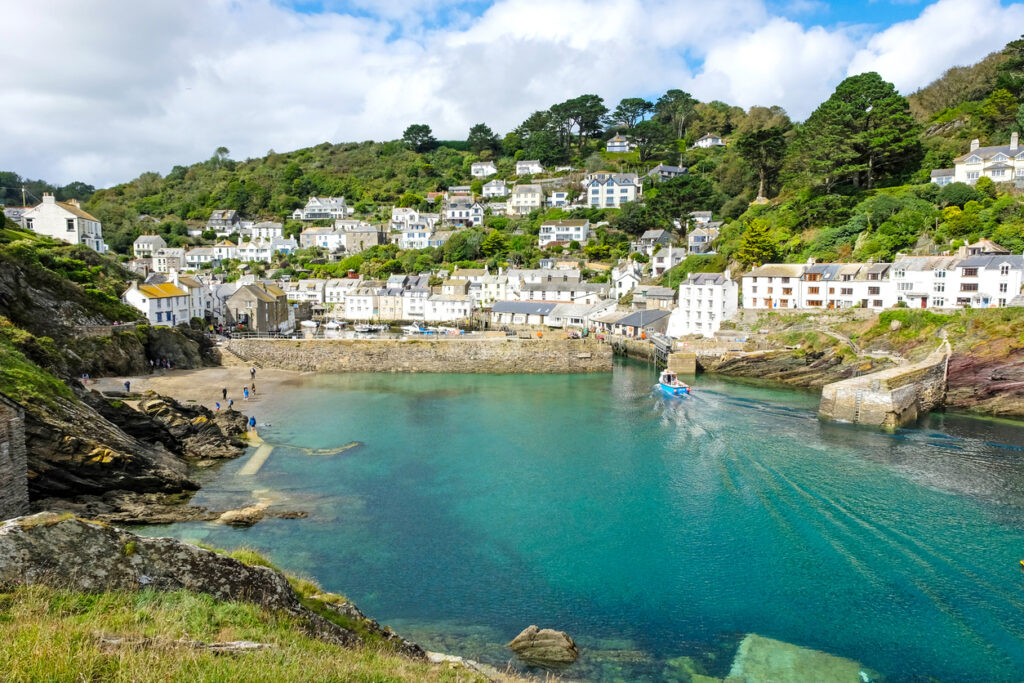
This Cornish fishing village is absolutely gorgeous, but cars are banned from the centre, so carrying your shopping down steep cobbled lanes becomes your regular workout. The village is tiny, with no proper facilities or services, meaning you’ll drive to Looe or further for anything beyond basics. Tourism sustains the economy but overwhelms the village in summer, turning your home into a crowded attraction.
Winter brings isolation and closure, with many businesses shut and very few people around. The steep hills and narrow lanes are charming but genuinely difficult for older residents or anyone with mobility issues. Houses are expensive despite the remote location, and many get bought as holiday lets, which hollows out the year-round community.