It’s a bit of a shock when you realise that some of the “healthy” staples you see in American supermarkets are treated like hazardous materials by food regulators over here.
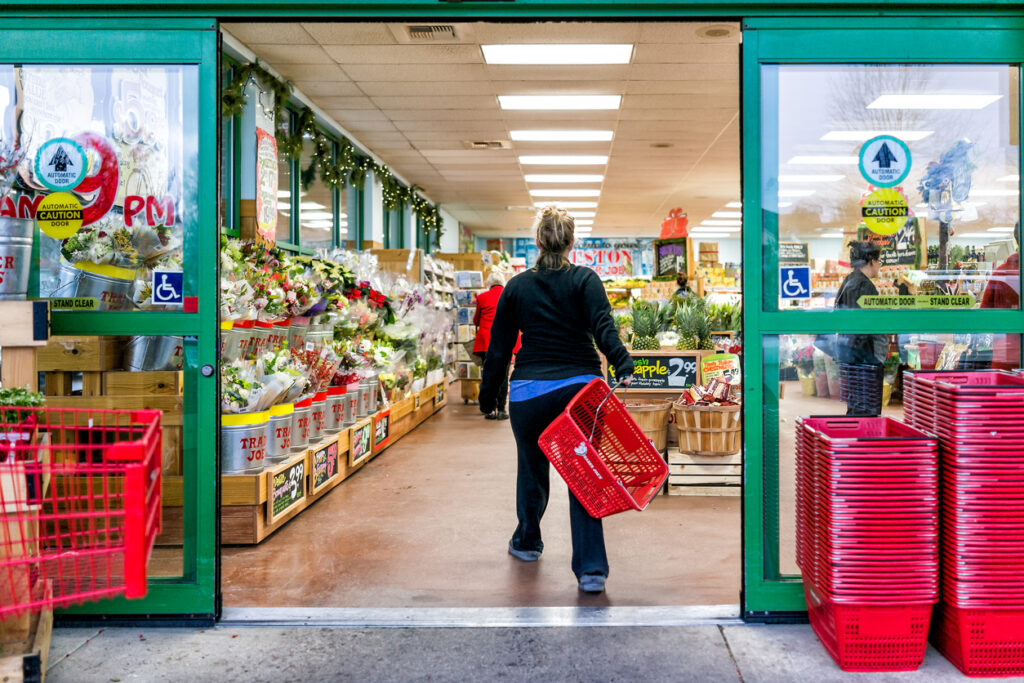
While we’re often told that a specific cereal or a low-fat snack is a smart choice, the UK and the EU have a much stricter set of rules about what’s allowed to end up on your dinner plate. Chemicals and additives that are perfectly legal in the States, linked to everything from hormone disruption to skin issues, are strictly banned in British shops because our authorities just don’t think they’re safe for us to eat.
The gulf between what passes for “health food” across the pond and what we actually consider fit for human consumption is massive, that’s for sure. Understanding why these 10 items didn’t make the cut is the best way to figure out what’s actually going into your body and why our food standards are worth the extra hassle.
1. Gatorade is banned in parts of Europe despite being marketed as a fitness drink.
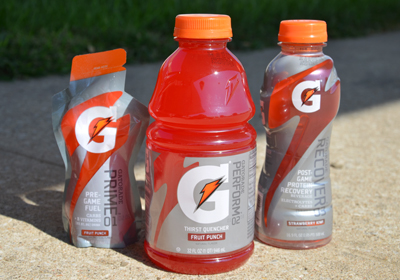
This sports drink promises rehydration and valuable nutrients for athletes, but it’s been banned in Norway and Austria and restricted across Europe. Gatorade used to contain brominated vegetable oil, which is also found in flame retardants and has been linked to nerve damage and memory loss.
They removed BVO in 2013, but the drink still contains Yellow 5 and Yellow 6 dyes that require warning labels throughout the EU. These artificial colours have been linked to hyperactivity in children and potential cancer risks. You’re basically drinking petroleum-derived chemicals while thinking you’re making a healthy choice after exercise.
2. American milk contains growth hormones that increase cancer risk.
US dairy often contains rBGH, a synthetic growth hormone used to make cows produce more milk. This hormone is completely banned in the EU, UK, Canada, Australia, and New Zealand. The American Cancer Society notes that rBGH increases insulin-like growth factor levels in milk, which has been associated with increased cancer risk.
Only about 9.7% of US dairy companies still use it, but there’s no requirement to label it. You might be drinking hormone-laden milk thinking you’re getting a healthy protein boost, when you’re actually consuming something most of the world won’t touch.
3. Farm-raised salmon gets its colour from synthetic petrochemicals.
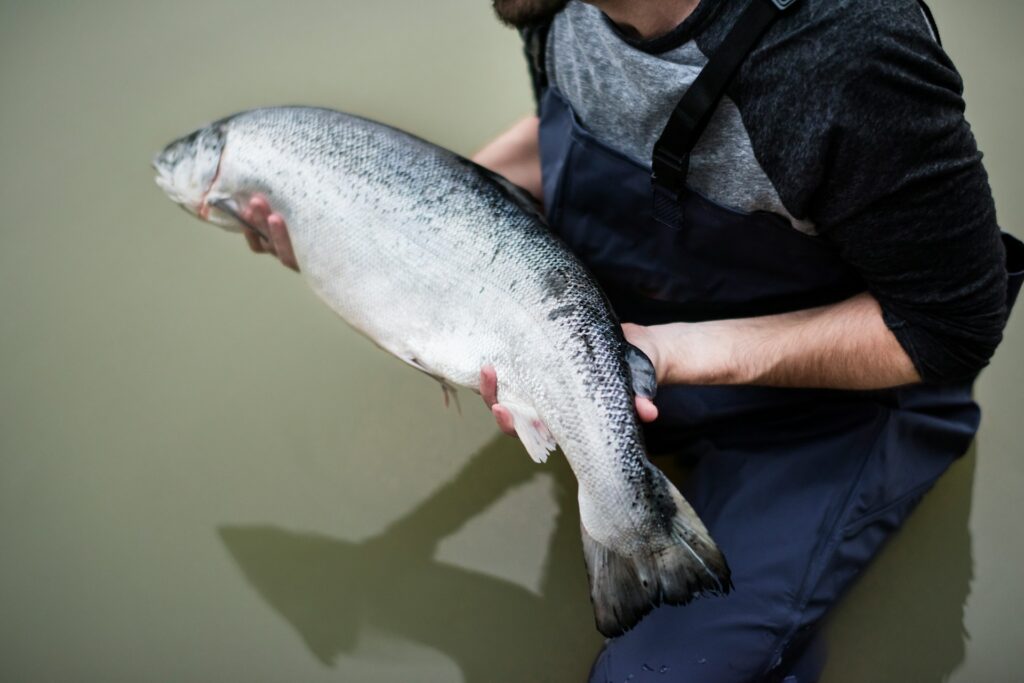
Americans eat farm-raised salmon thinking it’s a healthy source of omega-3s and protein, but US farmed salmon contains astaxanthin, a synthetic chemical made from petrochemicals to give the fish its pink colour. Without it, farmed salmon would be grey because they’re fed an unnatural diet of GMO grains, antibiotics and other chemicals.
This additive hasn’t been approved for human consumption and has known toxicities that might damage eyesight. Australia and New Zealand ban this practice entirely. Wild salmon gets its colour naturally from eating krill and shrimp, not from laboratory chemicals.
4. “Wholesome” American bread contains a yoga mat chemical.
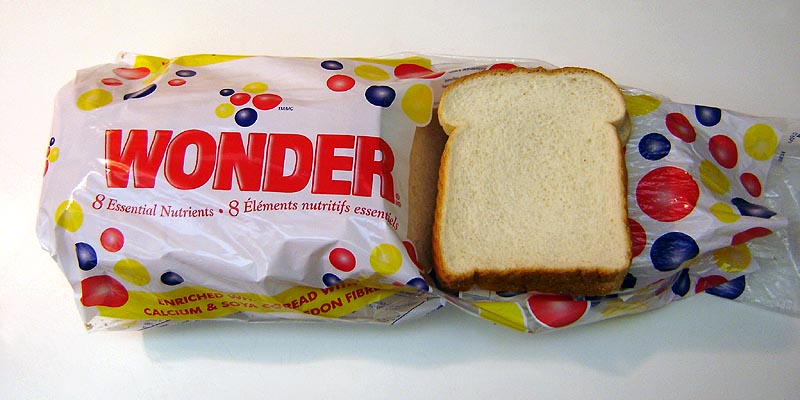
Many US breads contain azodicarbonamide, a dough conditioner that makes bread spongier and whiter. It’s also used in yoga mats and rubber shoe soles. This chemical is banned in the UK, EU, Australia, Singapore and several other countries because when it breaks down during baking, it creates semicarbazide and urethane, both potential carcinogens.
Major chains like McDonald’s and Dunkin’ have removed it, but it’s still in products like Arby’s croissants. You’re eating the same chemical you’d find in gym equipment, while thinking you’re having a simple sandwich.
5. Low-fat crisps with olestra cause serious digestive problems.
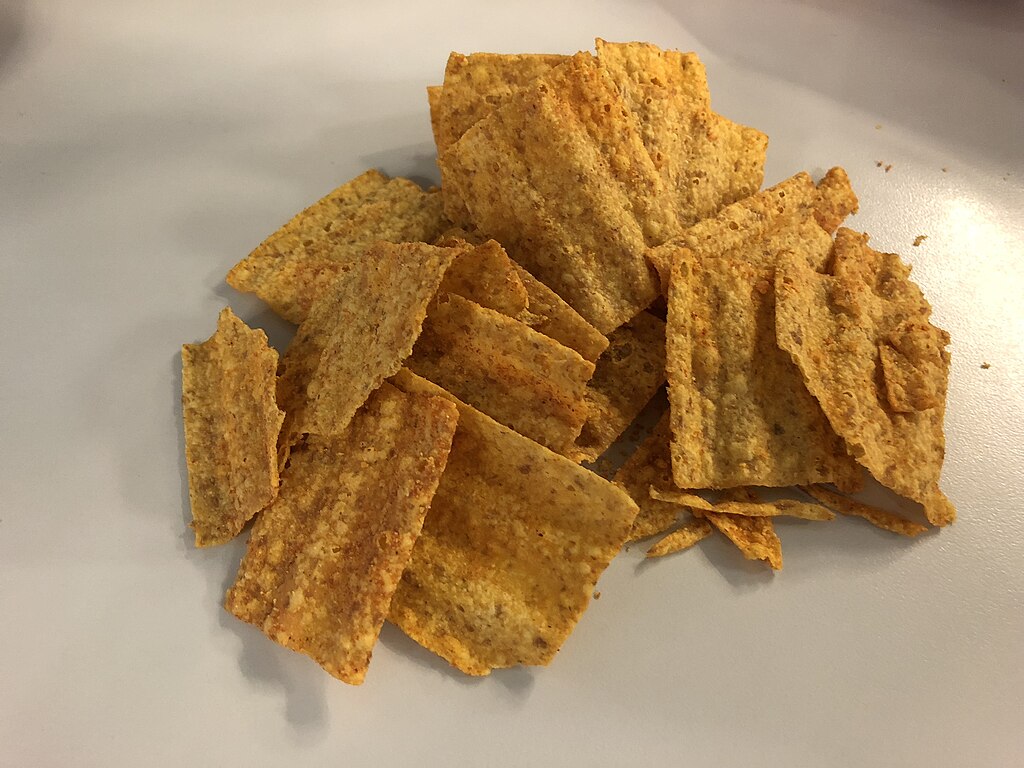
Olestra is a fat substitute found in some American low-fat snacks that’s marketed as a diet-friendly option. It’s completely banned in Canada and the EU because it causes abdominal cramping, diarrhoea and other gastrointestinal problems. The chemical also prevents your body from absorbing fat-soluble vitamins like A, D, E and K.
People bought these products thinking they were making healthier choices, but the side effects were so severe that consumer complaints eventually tanked its popularity. It’s still technically allowed in the US, though, lurking in products aimed at people trying to lose weight.
6. Chlorinated chicken is banned because it hides filthy conditions.
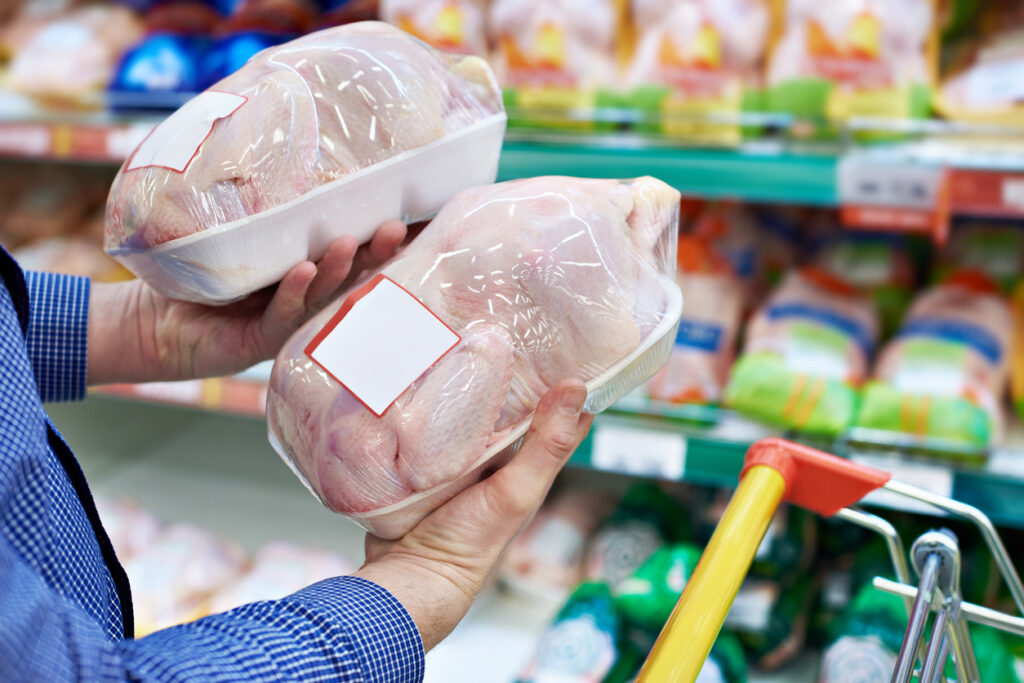
American chicken gets washed in chlorine after slaughter, but it’s been banned in the UK since 1997. The chlorine isn’t the main issue, it’s what the washing covers up. US chickens are crammed into sheds with no legal limits on how many birds per square foot, minimal lighting and poor hygiene standards.
The conditions are so filthy that chlorine washing becomes necessary just to kill the bacteria. The UK maintains hygiene throughout production, so chemical washes aren’t needed. Americans eat this thinking chicken is chicken, but they’re actually consuming meat from birds raised in conditions that would be illegal here.
7. American pork contains a growth hormone that affects your heart.
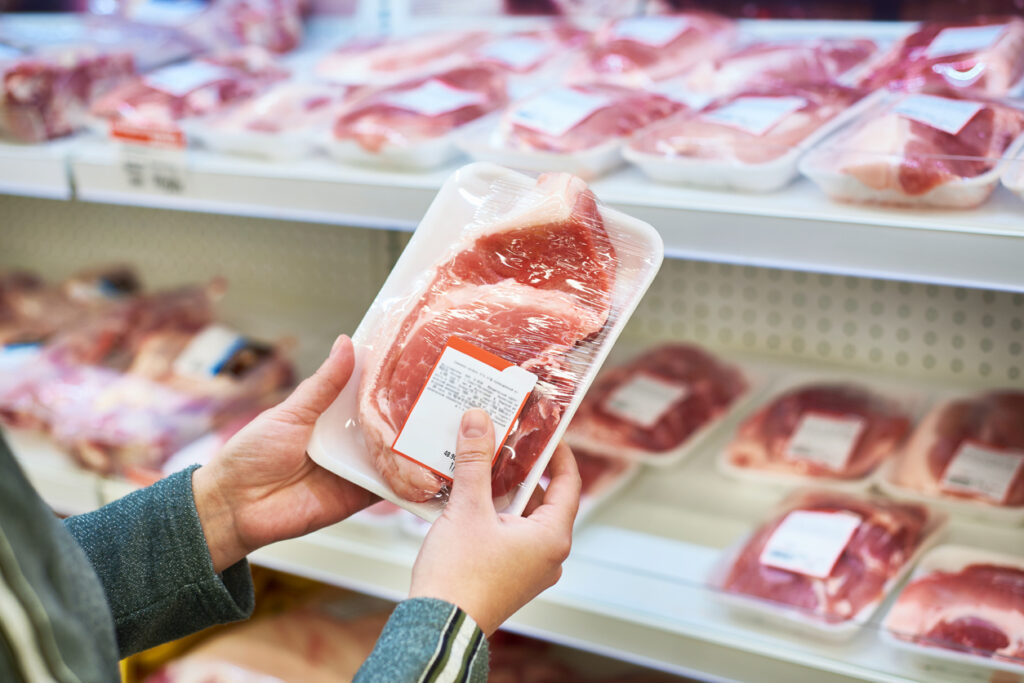
US pork is marketed as lean protein, but it contains ractopamine, a growth hormone that’s banned in 160 countries including the UK, EU, Russia, and China. This drug was originally developed for asthma treatment, but researchers found it made mice more muscular by reducing fat. It’s now used in about 45% of US pigs and 30% of cattle.
Studies have linked ractopamine to increased heart rate and other cardiovascular effects. Over 1,700 people have been poisoned from eating pork fed this drug since 1998. Americans think they’re eating healthy lean meat when they’re actually consuming banned growth hormones.
8. Breakfast cereals marketed to kids contain potential carcinogens.
“Healthy” breakfast cereals like Frosted Flakes, Honey Bunches of Oats and Rice Krispies contain BHT, a preservative used to extend shelf life. This chemical is banned in Japan and the EU due to potential carcinogenic properties and links to kidney and thyroid problems.
The FDA still considers it safe, but animal studies show it can cause tumours. Parents feed these to their children every morning thinking they’re providing a nutritious start to the day, when they’re actually serving up chemicals that most developed countries won’t allow in food.
9. Pop-Tarts are marketed as breakfast but contain three banned dyes.
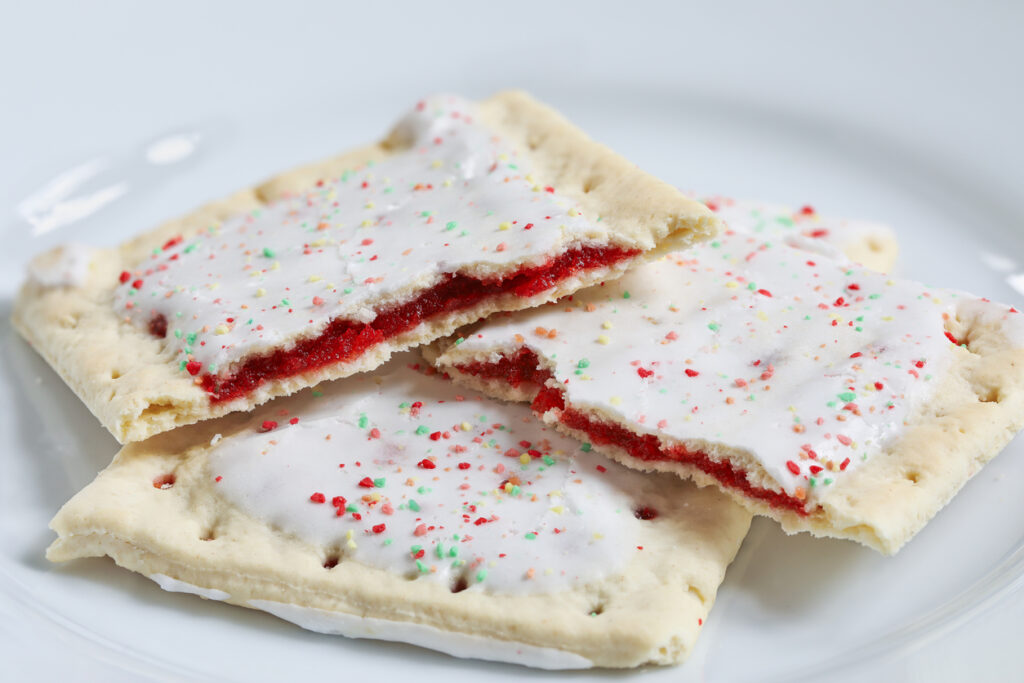
These toaster pastries are a staple breakfast item in American homes, marketed as a quick morning meal. They contain Red 40, Yellow 5 and Yellow 6, all artificial dyes that have been linked to hyperactivity, behavioural issues and allergies in children. These dyes must carry warning labels throughout the EU and are completely banned in some countries.
Americans hand these to kids thinking they’re providing breakfast when they’re actually feeding them petroleum-derived chemicals first thing in the morning. Check the ingredients label yourself if you don’t believe it.
10. Protein powders and sports nutrition products contain banned additives.
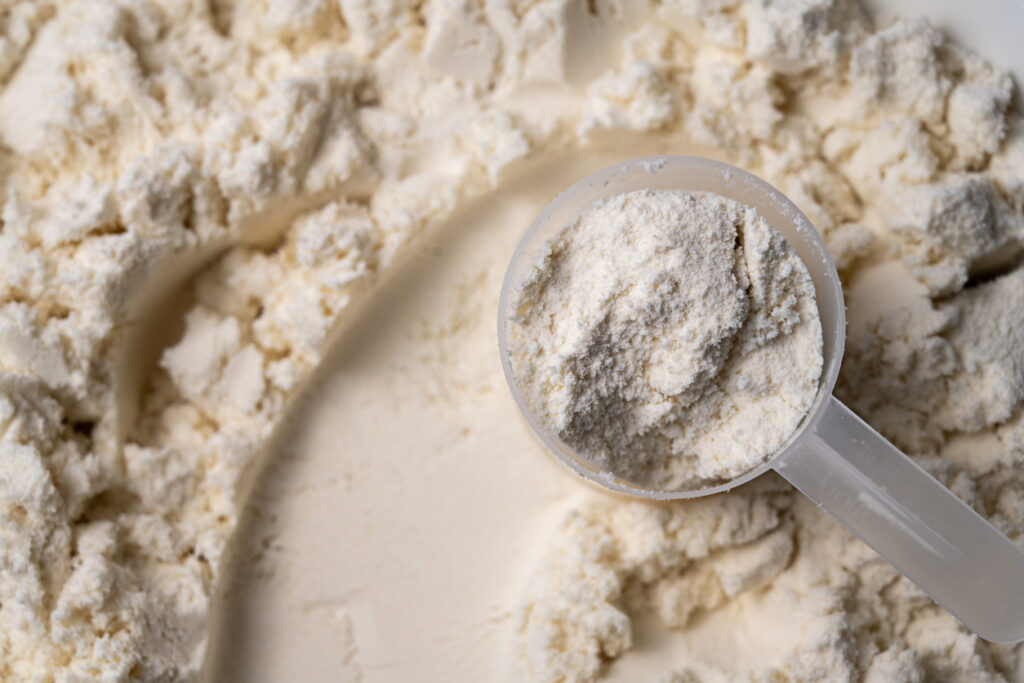
Many American protein powders and sports nutrition products marketed to health-conscious consumers contain titanium dioxide, used to make the powder whiter and brighter. The European Food Safety Authority banned this as a food additive in 2022 citing concerns it could damage DNA at the nanoparticle level.
The FDA is still reviewing it, despite it being declared safe back in 1973 without any updates since. People buying these products think they’re investing in their health and fitness, when they’re actually consuming an ingredient most of Europe decided was too risky.