Looking back at the lead-up to the referendum, it’s wild to see how many claims were taken as gospel that haven’t aged particularly well.

The air was thick with promises that sounded brilliant on a bus or in a leaflet, but once they ran into the cold reality of trade deals and border checks, the cracks started to show pretty quickly. It wasn’t just a bit of spin; it was a collection of proper tall tales that convinced a huge chunk of the country that we could have our cake and eat it too.
Whether it was the imaginary millions for the NHS or the idea that every other country would be tripping over themselves to give us a sweetheart deal, these 12 claims are a stark reminder of what happens when politics gets a bit too creative with the truth. Getting to grips with what we were actually told versus what’s actually happened is a bit of an eye-opener, especially now that the dust has finally started to settle.
1. The NHS would get £350 million a week.

The most famous Brexit lie was splashed across a big red bus claiming we send the EU £350 million weekly that could fund the NHS instead. The figure was completely wrong because it ignored the rebate negotiated by Margaret Thatcher, which was deducted before we even paid. It also didn’t account for EU funding that came back to the UK for farmers, regional development and research.
The real net contribution was closer to £200 million a week, not £350 million. The UK Statistics Authority repeatedly said the claim was misleading, but Vote Leave kept using it anyway. Dominic Cummings later admitted the bus slogan was central to winning the referendum, and polling showed 42% of people still believed it was true in 2018.
2. Turkey was about to join the EU and 76 million Turks would flood Britain.

Vote Leave plastered posters everywhere claiming Turkey was joining the EU, complete with its 76 million population figure and scary arrows showing routes to Britain. The reality was that Turkey’s EU accession talks had been crawling along for decades with no end in sight. At the rate things were going, experts joked Turkey might join around the year 3000.
The UK had a veto over any new members anyway, so Turkish membership couldn’t happen without British approval. Since 2016, Turkey has moved further away from EU membership as President Erdoğan cracked down on opposition and media, putting talks in the deep freeze. Boris Johnson even signed a letter demanding guarantees about Turkish membership, while simultaneously claiming he never said anything about Turkey during the campaign.
3. German carmakers would force the EU to give us everything we wanted.
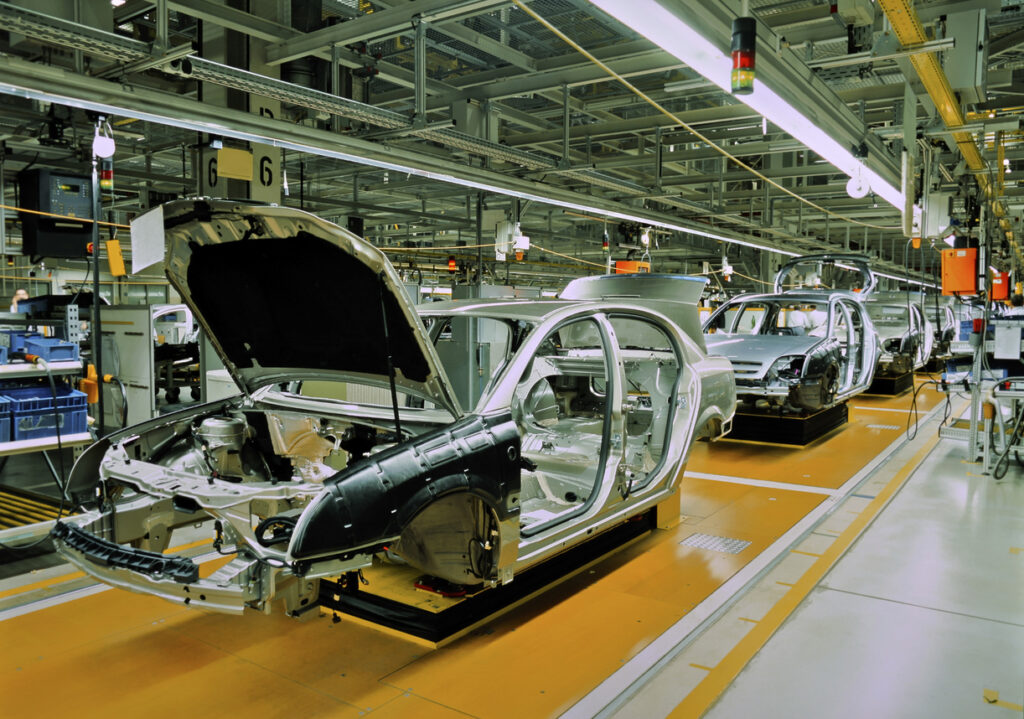
Brexiteers constantly claimed German car manufacturers would pressure the EU into giving Britain a sweetheart deal because they needed access to our market. The argument was that Germany sells loads of cars here, so they’d force Brussels to be reasonable. This completely misunderstood how the EU works and what Germany actually cared about.
The German car industry and the wider EU automotive sector made it crystal clear that protecting the integrity of the single market mattered far more to them than UK sales. Britain only accounts for about 10% of EU car production, while the UK ships over 40% of our production to the EU. We needed them far more than they needed us, but people believed the opposite.
4. Leaving would be the easiest trade deal in human history.
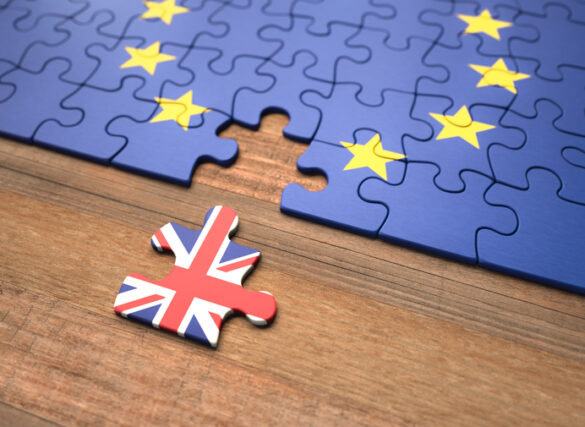
Liam Fox famously said the free trade agreement with the EU should be “one of the easiest in human history” because we were starting from a position of total alignment. Brexit has since gone through multiple prime ministers, years of painful negotiations, and massive political chaos.
The Permanent Secretary for the Department for Exiting the European Union said it would actually be “four or five times bigger than the withdrawal agreement negotiation” and absorb huge amounts of government effort. Trade deals with major economies take many years to negotiate, and the UK’s bargaining power as a single nation is much weaker than it was as part of the 27-country EU bloc.
5. There would be no downsides to Brexit, only upsides.

David Davis, the Brexit Secretary, confidently stated in October 2016 that there would be “no downside to Brexit, only a considerable upside.” This claim aged like milk left in the sun. Brexit has caused trade friction, labour shortages, increased costs for businesses, supply chain disruptions, and economic uncertainty.
The Office for Budget Responsibility has said Brexit will reduce UK GDP in the long run, and businesses across sectors have reported significant challenges. Investment has fallen, some companies have relocated operations to the EU, and the promised economic benefits have failed to materialise. Turns out, leaving the world’s largest trading bloc does actually have some downsides.
6. We’d have loads more money for schools, police and social care.
Vote Leave claimed that leaving the EU would free up vast sums for investment in public services beyond just the NHS. The reality is that Brexit has actually reduced public finances rather than boosting them. Economic forecasts from the Office for Budget Responsibility show Brexit has reduced GDP growth and tax receipts, which limits what can be spent on public services.
Rather than having more money to splash around, the government has had less. The supposed “Brexit dividend” turned out to be a Brexit deficit, with the economic hit from leaving outweighing any savings from membership contributions.
7. Leaving would let us control immigration and reduce the numbers.
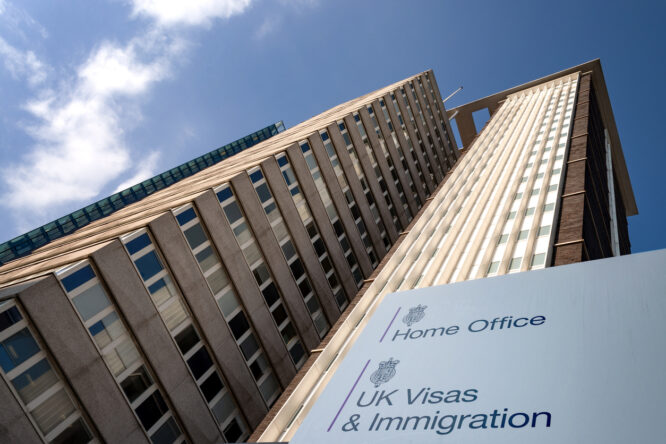
One of the biggest selling points was that Brexit would let Britain control its borders and reduce immigration. Net migration has actually hit record highs since Brexit. The UK replaced free movement with a points-based system, which just shifted where migrants come from rather than reducing overall numbers.
We now have less control over who arrives than we did under EU rules because EU citizens had to be from member states, while the new system opened doors to people from anywhere who meet the criteria. The irony is that immigration went up, not down, after we left.
8. There’d be no hard border in Ireland or any disruption.

Brexiteers insisted there would be no need for a hard border in Northern Ireland and that leaving wouldn’t cause any disruption there. The Northern Ireland Protocol has introduced trade barriers between Great Britain and Northern Ireland, causing ongoing political tensions and logistical nightmares.
Goods moving from Britain to Northern Ireland now face checks and paperwork that didn’t exist before. The protocol remains one of the most contentious and unresolved issues of Brexit, with businesses still struggling to navigate the new system. The promised frictionless trade turned out to be anything but.
9. We could deport asylum seekers back to the first safe country they reached.
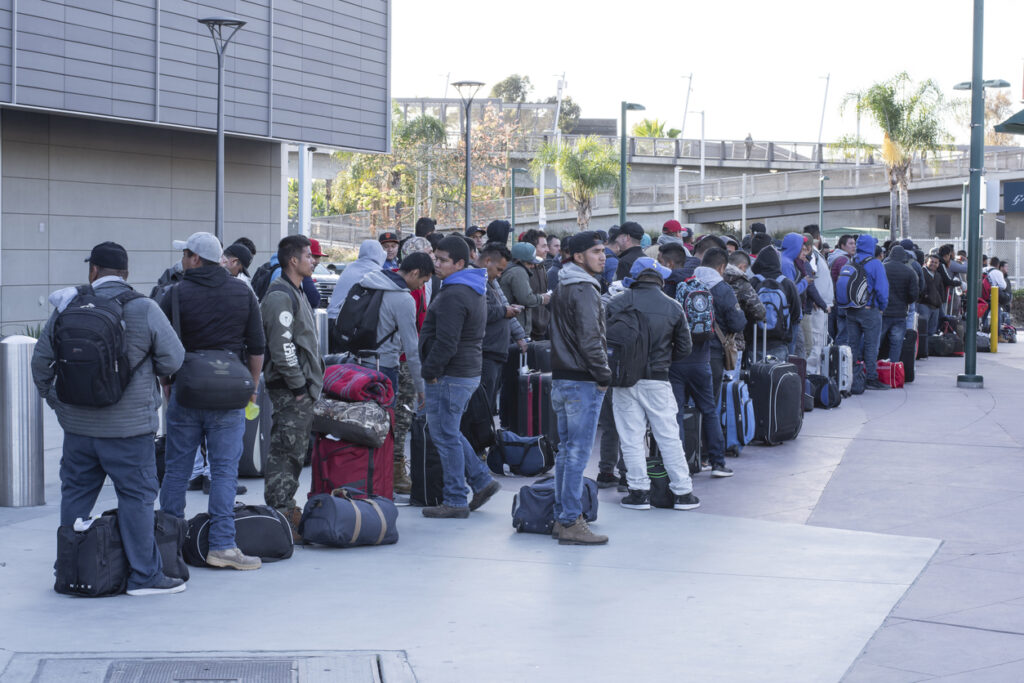
Many believed Brexit would let us send asylum seekers back to whichever EU country they’d passed through first, using rules that existed when we were members. Leaving the EU meant we also left the Dublin III regulation, which is exactly what allowed those returns.
In a leaked recording, Shadow Home Secretary Chris Philp admitted the government found that about half the people crossing the Channel had previously claimed asylum elsewhere in Europe, but we lost the legal mechanism to return them. The Rwanda deportation scheme was meant to replace this, but it never actually sent anyone anywhere before Labour scrapped it entirely.
10. EU migrants were draining the NHS and putting pressure on services.

The Leave campaign suggested EU migrants were overwhelming public services and the NHS would be better off without them. EU migrants were typically young and healthy, so they actually used NHS services at lower rates than the general population while paying taxes that funded those services.
After Brexit, recruitment of EU nurses and other healthcare workers collapsed, creating severe staffing shortages. The NHS is now under more pressure than ever, partly because we lost access to European healthcare workers who were helping keep services running.
11. Britain could have all the benefits of EU membership without any obligations.
The underlying message was that Britain could leave the EU but still enjoy tariff-free trade, easy movement of goods, and beneficial trade relationships without following EU rules or paying anything. The EU made it clear from the start that you can’t cherry-pick benefits without accepting the obligations that come with them.
Countries like Norway have single market access, but they follow EU rules, contribute to the budget, and accept free movement. The UK wanted something that simply doesn’t exist, and discovering this reality took years of painful negotiations.
12. Brexit wouldn’t cost us anything, and we’d be richer immediately.
Some campaigners implied Brexit would make Britain immediately wealthier, with money flowing in from new trade deals around the world. The pound crashed after the referendum, making imports more expensive and eroding people’s purchasing power. Brexit has cost businesses billions in new customs paperwork, border checks and regulatory compliance.
The economic analysis is clear that Brexit has made Britain poorer in the short and medium term, with long-term prospects uncertain at best. Trade deals with countries like Australia and Japan have been signed, but economists say these add a fraction of what was lost by leaving the single market.