Most people like to think they’re a bit of a natural behind the wheel, but the reality is that the roads are full of people who are an accident waiting to happen.
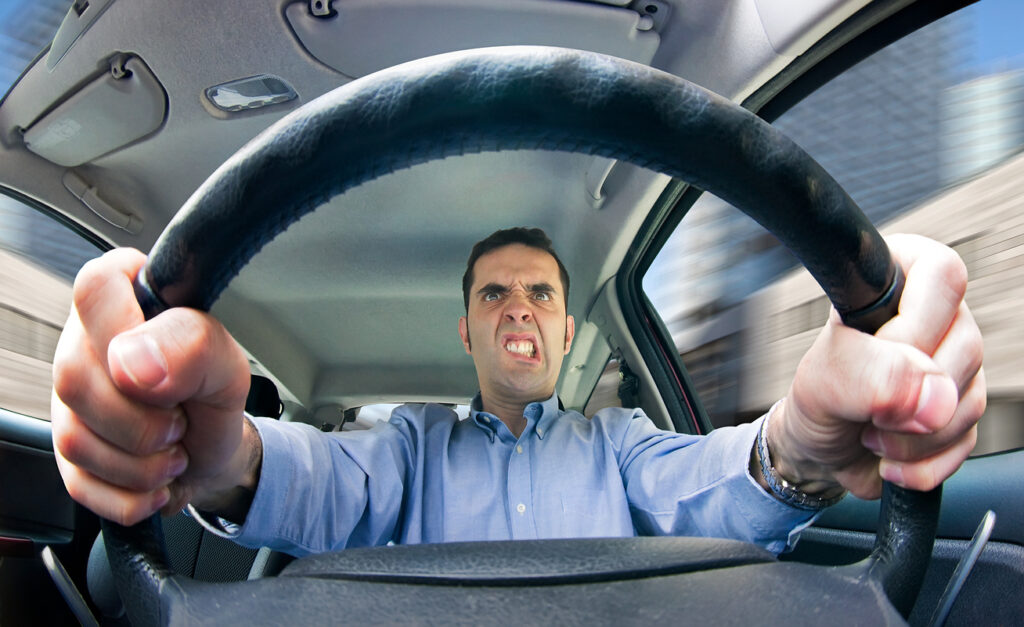
It’s not just about the obvious stuff like speeding or jumping a red light; it’s the lazy, selfish habits that show you’ve completely checked out from the responsibility of driving a ton of metal around. You might think you’re being efficient or just “moving with the flow,” but your fellow road users are likely sitting there wondering how you ever passed your test.
Whether it’s a total lack of indicator use to the way you handle a simple roundabout, these behaviours are a dead giveaway that you’re a liability to everyone else. Recognising if you’re guilty of these things is the only way to stop being the person everyone else is swearing at from behind their windscreen.
1. You don’t indicate because you assume people can tell what you mean.
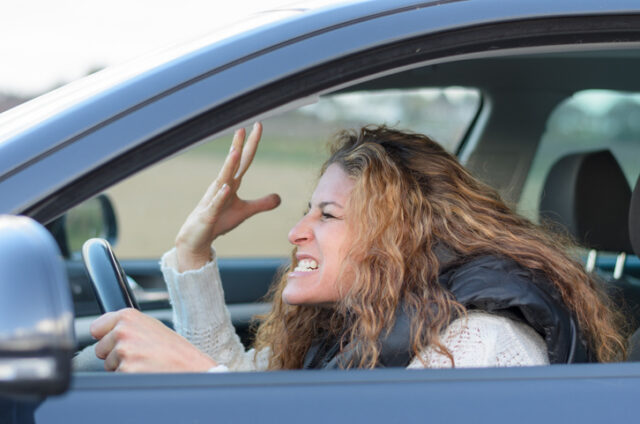
Nothing says main character energy like drifting across a lane with zero warning, as if everyone else is meant to read your mind. Indicators aren’t a personal statement, they’re basic communication. When you don’t signal, you force other drivers to slow down, guess your next move, and brace for something random. That split second of confusion is where a lot of near-misses live. It also makes the whole road feel tense. People stop trusting what they’re seeing because your car is basically speaking in riddles. Even if you think you’re being smooth, everyone around you is thinking, what is this person doing now. It costs you nothing to indicate, but it saves everyone else a bit of stress.
2. You tailgate, then act offended when someone brakes.
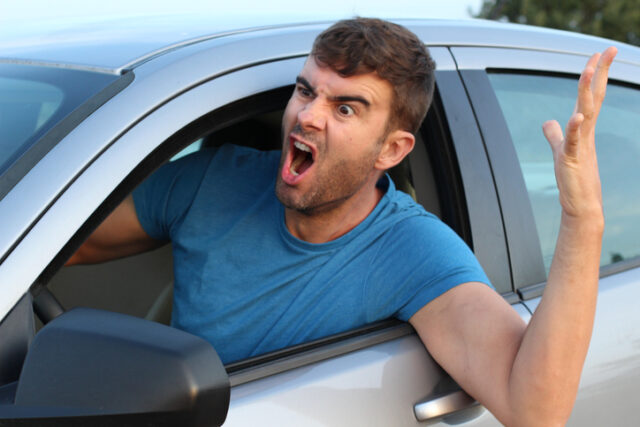
If you’re close enough to read the tyre brand on the car in front, you’re too close. Tailgating isn’t assertive driving, it’s pressure, and it turns normal traffic into a chain reaction waiting to happen. People brake for all sorts of reasons, including things you can’t see yet. When you sit on someone’s bumper, you’re betting everyone’s safety on your reaction time being perfect. It also doesn’t achieve what you think it achieves. Most drivers don’t speed up because you’re looming in their mirrors, they slow down or get rattled. That’s when mistakes happen, and you’re the one creating the mood. Give space and stop turning the motorway into a stress test.
3. You speed up when someone tries to merge.
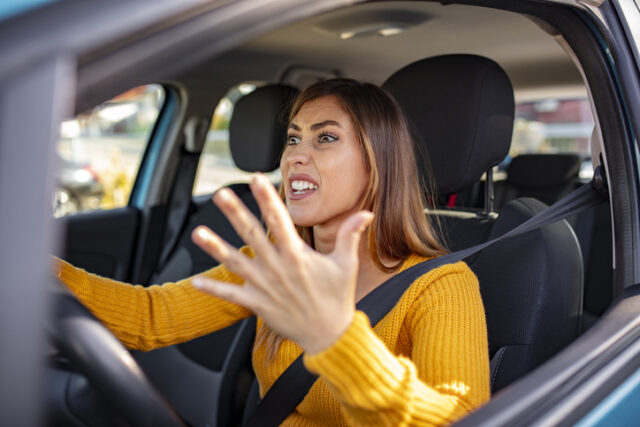
This one is pure ego. Somebody indicates, there’s room, they start to come over, and suddenly, you decide you need to defend your position. It’s not a race, and nobody is stealing your life by moving into your lane. Merging is meant to be a smooth flow, not a competition. What you’re doing is forcing someone into a bad choice. They brake hard, they push in, or they miss an exit and start weaving to fix it. If you leave a gap and let them in, traffic often moves better. Lane space isn’t personal property.
4. You sit in the middle lane when the left lane is empty.
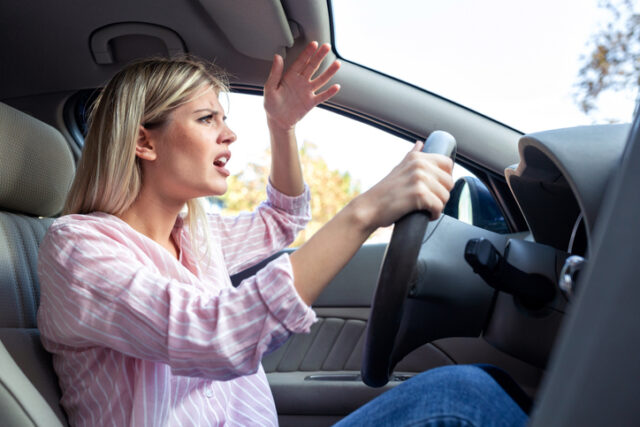
Middle-lane hogging is basically standing in the supermarket aisle with your trolley sideways. You might not feel like you’re doing anything wrong, but you’re forcing everyone else to work around you. Drivers have to overtake on the right, then move back, then do it again, and it creates a constant shuffle that clogs the road. The left lane isn’t the slow lane, it’s the default lane. If you’re not overtaking, get back over. The motorway is already stressful enough without people building their own lane kingdom in the middle.
5. You drift between lanes like the markings are optional.
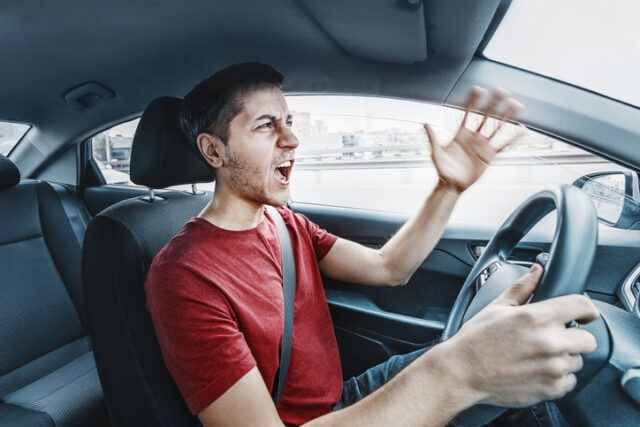
If your car is constantly wandering, you’re being unpredictable. Drifting makes everyone else wonder if you’re distracted, tired, on your phone, or about to sideswipe them. Even if you never hit anyone, you’re creating tension and forcing others to keep extra distance. If you struggle with this, slow down a touch, adjust your seating, and actually focus on where your car sits. It’s not a personality trait to drive like a shopping trolley. Staying centred makes everyone safer.
6. You use your phone at the wheel and tell yourself it’s fine.
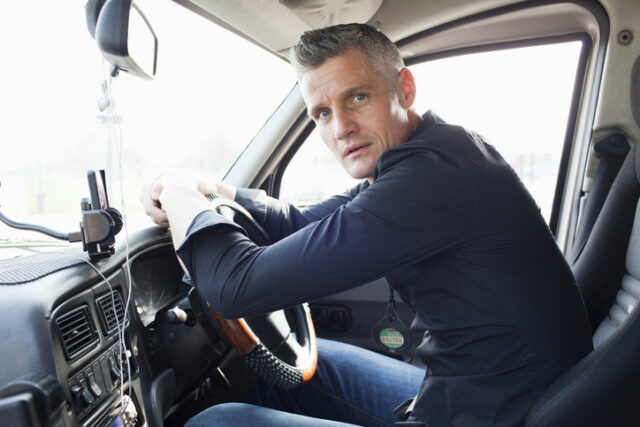
Everyone thinks they’re the exception, like they’ve invented safe texting while driving. The reality is your attention isn’t split, it’s gone. Even quick glances add up, and you miss the tiny changes that stop crashes, like brake lights flicking on or a cyclist wobbling. If you need the phone, pull over. If you need maps, set it up before you move. Your car doesn’t care that you were only checking something short. Looking away at the wrong time is how people get hurt.
7. You brake late and hard because you leave everything to the last second.

Constant harsh braking usually means you’re not looking ahead. Good driving is reading the road early, easing off, and letting the car slow naturally. Late braking turns every small change into a big event, and it makes everyone behind you do the same. It also makes your driving feel aggressive, even if you don’t mean it. Passengers get thrown forward, people behind you get annoyed, and your fuel economy goes out the window. Scan further ahead, and you’ll brake less, and more smoothly.
8. You drive too close to cyclists, then complain they’re in the way.
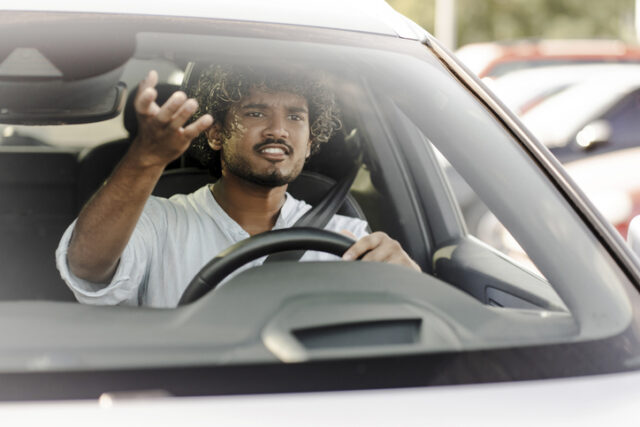
Cyclists aren’t in your way, they’re on the road because they’re allowed to be. Passing too close is dangerous, even at lower speeds. A wobble, a pothole, a gust of wind, and suddenly, it’s not a minor inconvenience, it’s someone hitting the ground. If you can’t pass safely, wait. Yes, it’s annoying, but it’s not more important than someone getting home in one piece. Give proper space and treat them like a human, not an obstacle.
9. You don’t check your blind spot because you trust your mirrors too much.
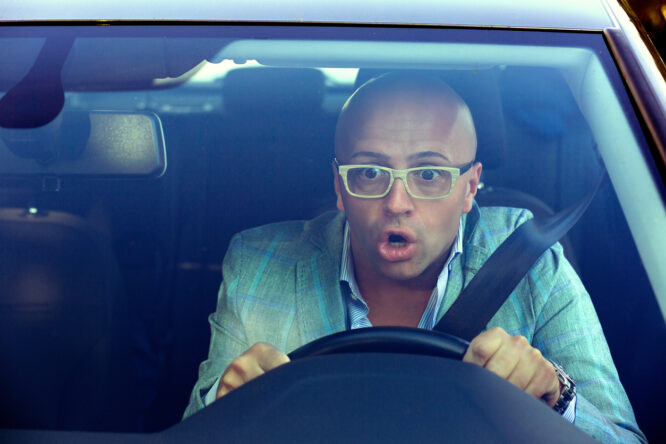
Mirrors don’t show everything, and that’s why blind spots exist. If you change lanes without a shoulder check, you’re rolling the dice and hoping nobody is there. This is especially risky around motorbikes, cyclists, and smaller cars that vanish from view at the worst moment. It takes a second to do a proper check, and it can prevent a crash that ruins someone’s month. If you’re not used to it, practise until it feels automatic. Good drivers don’t rely on luck.
10. You treat roundabouts like a free-for-all.
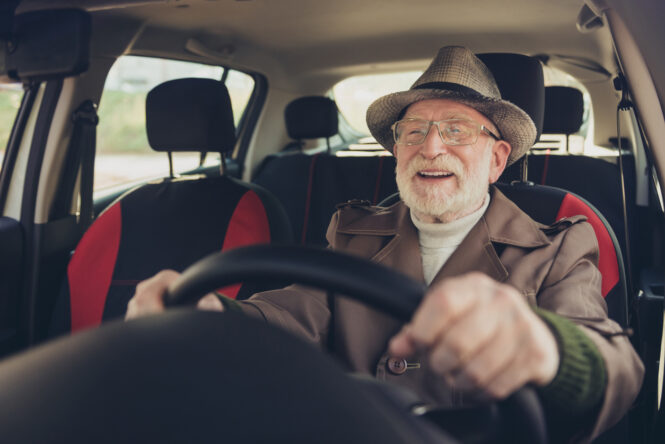
Roundabouts work when everyone follows the same rules. If you don’t signal properly, cut across lanes, or launch yourself out like you’re escaping a crime scene, you’re creating near misses for no reason. A lot of drivers already find roundabouts stressful, so unpredictability makes it worse. Slow down, pick your lane early, indicate clearly, and be patient. You don’t need to win a roundabout. You just need to get through it without making four other people hit their brakes.
11. You block junctions because you thought you could squeeze through.
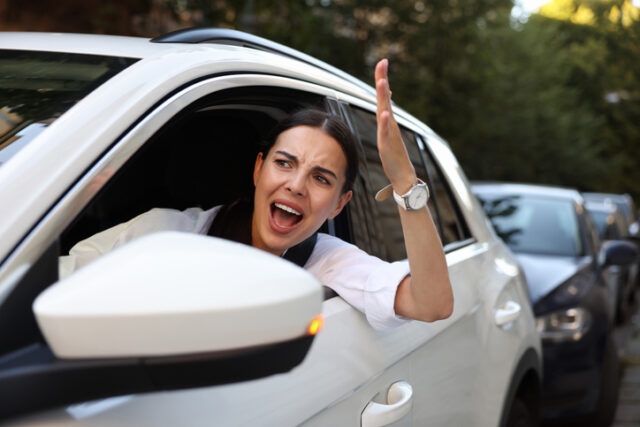
That moment when the lights change, the traffic stops, and you’re sitting there blocking the whole junction is rarely bad luck. It’s usually a choice made to save a few seconds. Now everyone else has to wait, buses can’t move, and the whole area turns into a mess. If there isn’t space on the other side, don’t go. Waiting one light cycle is annoying, but normal. Blocking a junction is how you turn regular congestion into gridlock.
12. You flash, beep, and rage like it’s your hobby.
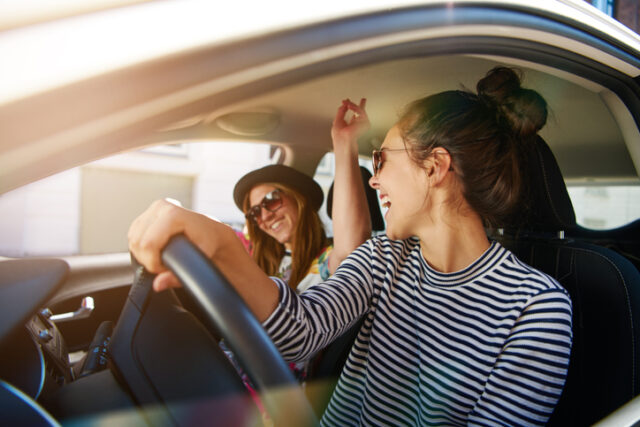
Using your horn occasionally is fine. Using it as an emotional outlet is not. Aggressive flashing and beeping doesn’t make traffic move, it just makes people tense and more likely to make mistakes. You don’t know what’s happening in someone else’s car, so acting like the road police just escalates everything. Most of the time, the best driving skill isn’t reactions, it’s calm. If someone’s slow, overtake safely when you can. If someone cuts you up, create space and move on. The goal is to get home, not to prove a point.
13. You think rules are optional when the road is empty.

Some people only follow the rules when they’re being watched. If the road looks clear, they run reds that are turning, roll through stop lines, speed in residential areas, or treat crossings like suggestions. The problem is that empty roads don’t stay empty, and hazards appear fast. Good driving is being predictable, even when nobody’s around to clap for it. You stop correctly, you obey limits, and you drive like something could happen because sometimes, it does. It’s not about being perfect, it’s about not being reckless.