The days of toys just repeating a few pre-recorded phrases are well and truly over, and we’re moving into a bit of an unknown where your kid’s favourite teddy might actually be able to hold a proper conversation.
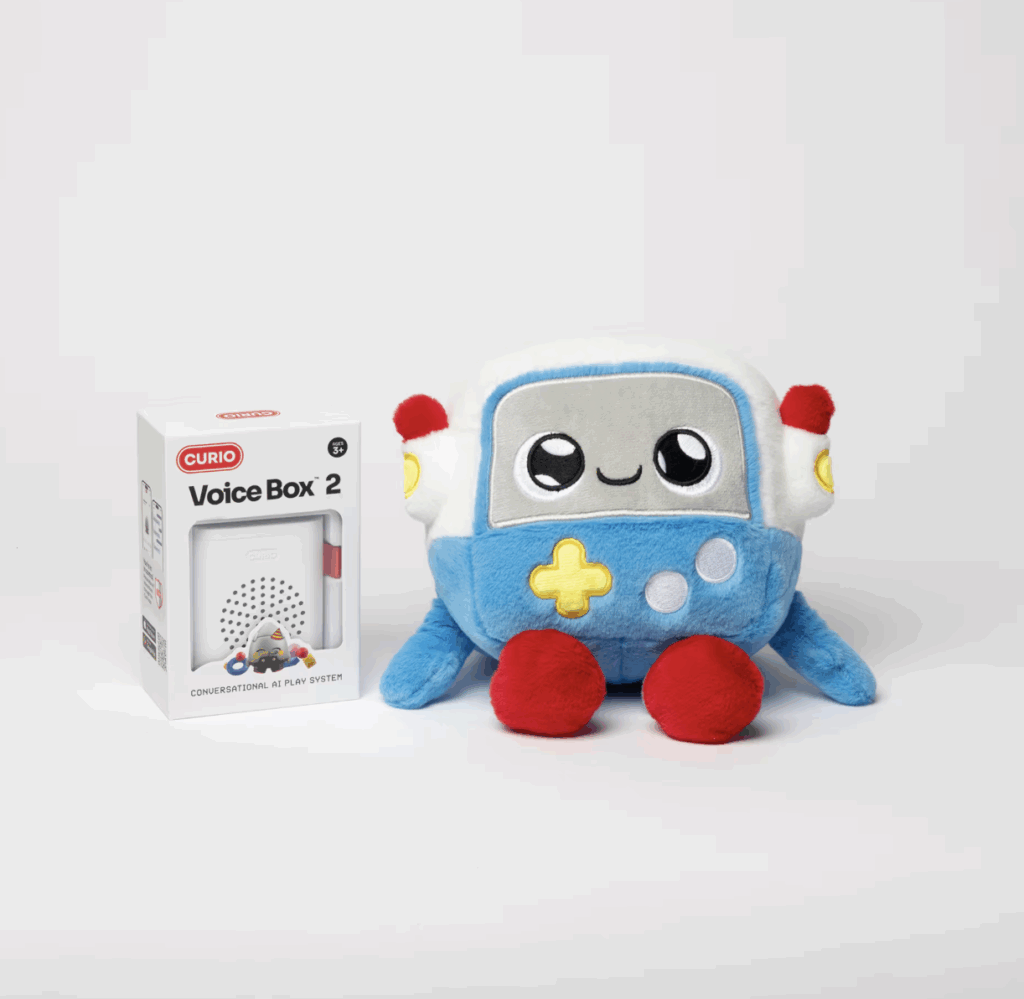
It sounds like something straight out of a sci-fi film, but these AI-powered gadgets are about to become the new standard for birthdays and Christmas. While the tech is impressive, it opens up a massive can of worms for parents who are already struggling to keep up with the digital world.
You’re not just looking at a fun new playmate; you’re looking at a device that’s constantly listening, learning, and potentially sharing data in ways that aren’t exactly clear on the box. It’s a proper dilemma between wanting your kids to have the latest gear and making sure their privacy isn’t being traded for a bit of high-tech entertainment.
AI toys have crossed the line from gimmick to mainstream.
We’re past the era where the clever toy was just a beeping plastic pet that needed feeding. The new wave is designed to talk, remember, respond, and keep a child engaged for ages. That’s exactly why they’re going to sell because parents are busy and kids love anything that feels alive. The problem is that a toy that talks is no longer just a toy, it’s closer to a mini relationship.
The hype is being driven by social media reactions.
When influencers post unboxings, and their kid’s toy starts chatting back like a tiny person, it hits the same nerve as a viral gadget. Some parents see it as amazing and educational, others get instant creepy vibes, and both reactions fuel interest. The toy doesn’t even need to be perfect, it just needs to feel impressive for 30 seconds on a video. That’s a risky way for tech to enter family life, especially since excitement can outrun common sense.
@family.it.guy I tested the Curio AI toy and while it’s clever and engaging, the privacy policy is a major red flag. The company shares information with multiple other organizations, which is a serious concern for families. And here’s the bigger point: no AI toy should ever be left alone with your kids. Beyond the data issues, these devices can’t replace human judgment, empathy, or safety. Fun tech? Yes. Trustworthy enough to stand in for a parent? Absolutely not. #FamilyITGuy #HeyCurio #AI #AISafety ♬ original sound – Ben Gillenwater
These toys sell themselves as educational conversation buddies.
The promise is simple: endless conversations, learning through play, storytelling, role play, curiosity answered on demand. On a good day, that could support vocabulary, confidence talking, and imaginative play, especially for kids who are chatty or lonely. The concern is that children can start treating the toy like an authority, not a pretend friend because it speaks with confidence even when it’s wrong.
AI can sound right while being wrong.
Language models are famous for making things up in a convincing tone, and adults get caught out by that, never mind a child. If a toy answers a dinosaur question with a made-up fact, a child is unlikely to challenge it. Kids often trust what feels certain and immediate, which is exactly what AI delivers. That means parents could end up unpicking false information that lodged itself as truth.
Bias can sneak in through the back door.
Even when content is meant to be child-friendly, AI systems can still reflect stereotypes and skewed assumptions they’ve absorbed from data. That can show up in subtle ways like who the toy imagines as clever, brave, scary, silly, important, or in charge. Adults might spot it, but kids are still building their understanding of people and the world. If a toy repeatedly leans the wrong way, it can quietly shape beliefs without anyone noticing.
@ai.accelerator.in AI toys are here. Should we be scared? #ai#artificialintelligence ♬ Like This (Lofi) – ProdByDave
Kids can latch onto the first answer and stop questioning.
One of the biggest worries is how quickly curiosity shuts down when a confident answer arrives. A child asks, gets an instant response, then moves on, even if the response was flawed. They’re also less likely than adults to keep a mental question mark hanging over it. If something incorrect lands at the wrong moment, it can become a sticky belief that’s hard to correct later because it already feels settled in their mind.
Privacy promises are easy to write and hard to understand.
Toy companies love phrases like privacy first and kid safe, but parents still need to know what’s actually happening. Is the toy recording? Is audio stored? Is data used to train anything? Is any of it shared with third parties? Many parents won’t get clear, simple answers, and that’s part of the issue. A cuddly toy feels harmless, so people lower their guard, even though it may be doing the most sensitive kind of data collection there is.
Anything connected can be hacked or exploited.
We’ve already seen what happens when a connected toy becomes a target because toys with microphones and Wi-Fi are attractive to people who like breaking things. Even without dramatic hacking, there’s also the risk of the toy being tricked into saying things it shouldn’t. AI systems can sometimes be pushed around through pretend scenarios and role play, which is basically how kids play all day anyway. A child experimenting with language can accidentally find a loophole.
Big toy brands partnering with AI means this won’t stay niche.
Once major companies start building AI into products and experiences, it stops being a quirky one-off and becomes normal shopping aisle stuff. That’s when parents get squeezed because the kid sees it everywhere, friends have it, and it starts to feel like the new baseline. The marketing will focus hard on age-appropriate, safe, and educational, but parents still have to decide what they’re comfortable inviting into their home.
Parents need a plan, not just a gut feeling.
If a family buys one, it helps to treat it like a device, not a teddy. Set rules for where it lives, when it’s used, and whether it’s only used with an adult nearby. Read the privacy settings like you’re setting up a tablet because that’s closer to what this is. Most importantly, balance it with real play: messy imagination, boredom, outdoors, building, drawing, pretend games with humans because children still need to learn that fun and comfort don’t have to come from a talking machine.
AI toys can be genuinely impressive, and some will be genuinely helpful, but they also bring new risks that most toy-buying habits were never designed for. Parents are not being dramatic for hesitating because once a toy becomes a conversational presence in a child’s day, it has influence, whether anyone admits that or not.