The internet has a funny way of sneaking into marriages.

What starts as harmless scrolling can slowly turn into distance, secrecy, and resentment if you’re not careful. None of these habits look dramatic at first, but over time they can chip away at trust, attention, and basic respect in ways that are hard to repair.
1. Sharing more online than you share at home

When someone tells the internet about their day, their feelings, or their struggles before they tell their partner, something starts to shift. It might not seem like a big deal, but emotional closeness depends on feeling like you’re the first call, not the last update. As time goes on, your partner can start to feel like a background character in your life. If your followers know more about your thoughts than the person you sleep next to, that gap can grow faster than you think.
2. Flirting in comments and direct messages

Online flirting often gets brushed off as harmless banter. A few compliments here, a cheeky emoji there, and it feels like nothing serious. The problem is that secrecy and attention from someone new can create a rush that pulls energy away from your marriage. Even if it never becomes physical, emotional lines can still be crossed. If you wouldn’t be comfortable reading those messages out loud to your partner, that is usually a sign something is off.
3. Complaining about your partner on social media

Turning relationship problems into public posts might bring quick validation from friends, but it can also humiliate your partner. No one likes to feel exposed or mocked in front of an audience. It also creates a pattern where the internet becomes your referee. Healthy couples handle conflict face to face, not through vague posts that invite strangers to pick sides.
4. Keeping secret accounts

Hidden profiles or private messaging apps can feel exciting at first. The secrecy itself becomes part of the thrill. The issue is that secrecy and trust can’t live in the same house for long. If you feel the need to hide part of your online life, it usually points to something deeper. That kind of split life often leads to suspicion, even if nothing physical has happened.
5. Comparing your marriage to curated couples online

Scrolling through picture perfect relationships can quietly change how you see your own. You start to notice what you’re missing instead of what you have. Most of what you see online is filtered and staged. Measuring your real, messy relationship against someone else’s highlight reel can create dissatisfaction that didn’t exist before.
6. Choosing your phone over real conversations

Constantly checking your phone while your partner is talking sends a clear message, even if you don’t actually mean it that way. It says something else is more important right now. Small moments of inattention add up. When someone feels unheard again and again, they eventually stop trying to be heard at all.
7. Building emotional intimacy with someone else online

Deep late night chats with someone who isn’t your partner can blur boundaries quickly. Sharing fears, dreams, and personal struggles creates connection, even if you tell yourself that it’s just friendship. Emotional affairs often start with simple messages that feel supportive. Before long, that person becomes the one you turn to first, and that change can subtly drain your marriage of its closeness.
8. Obsessive gaming that replaces shared time

Online gaming can be a great escape, but when it takes over evenings and weekends, it starts to crowd out your relationship. Your partner may feel like they are competing with a screen. It’s got nothing to do with banning hobbies. It’s about balance. When shared time disappears, resentment tends to grow in its place.
9. Following and engaging with explicit content

For some couples, this may not be an issue. For others, it can feel like a betrayal. Constantly liking or commenting on revealing photos can damage your partner’s sense of security. If it becomes a habit, it can change how attraction works inside the marriage. Instead of investing desire at home, it gets scattered elsewhere.
10. Stalking ex partners online

Checking up on an ex now and then might feel innocent, but regular monitoring keeps old connections alive, and it makes it seem like you’ve got unfinished business with this person. It also keeps comparison alive. Your partner may start to wonder where your head really is. Even if nothing happens, emotional energy spent looking backwards can weaken what is in front of you.
11. Arguing publicly in comment sections

Disagreeing online is normal, but dragging your partner into public debates can turn private tension into a show. It often escalates faster than a face-to-face conversation would because people get brave behind their anonymous keyboards. Public conflict can leave lasting marks, though. Once words are out there for everyone to see, it’s hard to pull them back or soften their impact.
12. Letting algorithms shape your view of your partner

If your feed is full of posts about red flags, toxic traits, and relationship tests, it can start to colour how you see your spouse. You may begin to look for faults instead of strengths. Constant exposure to negative takes can make normal flaws feel like deal breakers. A healthy marriage needs perspective, not a steady stream of suspicion.
13. Using the internet as an escape instead of facing problems
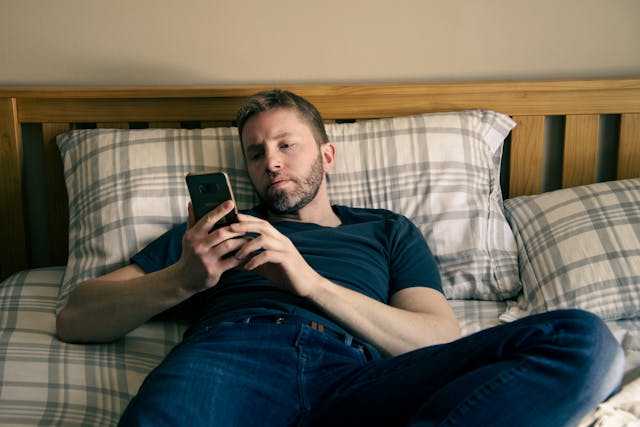
It’s easier to scroll than to have a hard conversation. It’s easier to dive into videos than to admit that you’re unhappy. Avoidance feels comfortable in the moment. The trouble is that ignored issues don’t just disappear. They sit there and grow. When online habits become a way to avoid your partner instead of connect with them, distance tends to follow.