Looking back at 18 February through the decades, you get a real sense of the peaks and troughs of British life.
It is a date that has seen everything from the birth of a queen to the moment a Prime Minister finally blinked in a stand-off with the unions. Some of these stories were the kind that made you want to stay indoors and double-check the locks, while others were just the sort of light-hearted gossip that gave everyone something to talk about over a brew. It’s a proper mix of the heavy stuff and the bits of history that just make the country what it is. Here are some of the things that happened on this date throughout UK history.
1996: Bomb blast destroys London bus
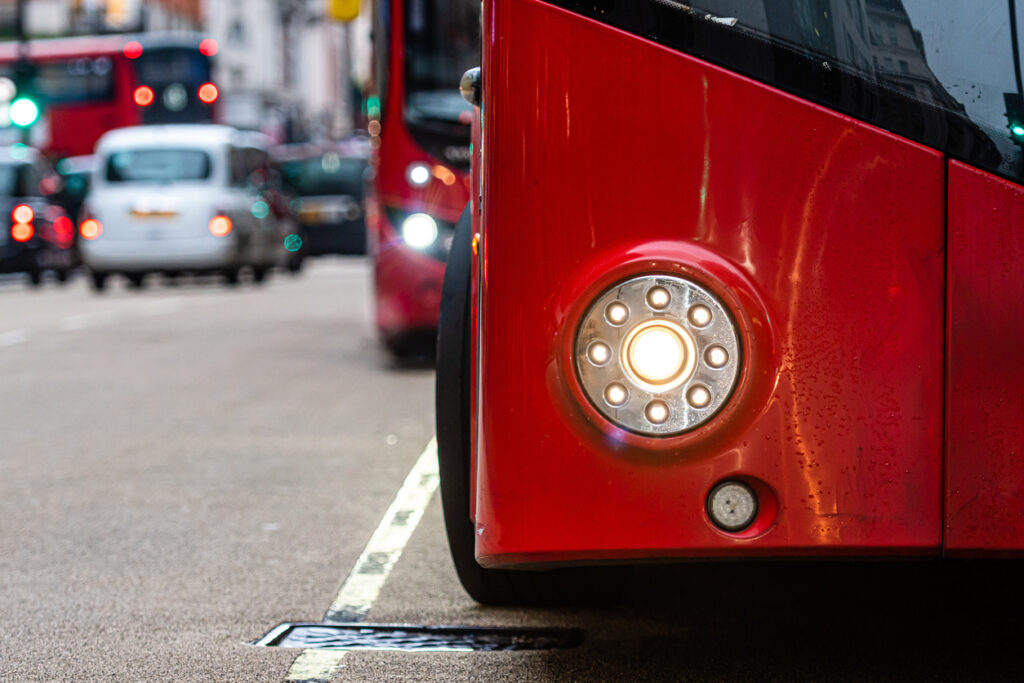
It was only nine days after the IRA had ended its ceasefire with the Docklands bombing, and London was already on edge. On the evening of 18 February 1996, an improvised device went off on the top deck of a number 171 bus as it was travelling through Aldwych. The blast was so powerful it basically peeled the roof off the bus and shattered windows for streets around.
Initially, people feared the worst, with reports of multiple deaths. It turned out the only person killed was the IRA operative carrying the bomb, though several passengers were badly injured. It was a massive blow to the hope that had been building around the peace process, and it left the capital feeling incredibly vulnerable once again.
1978: The police move in after La Mon tragedy
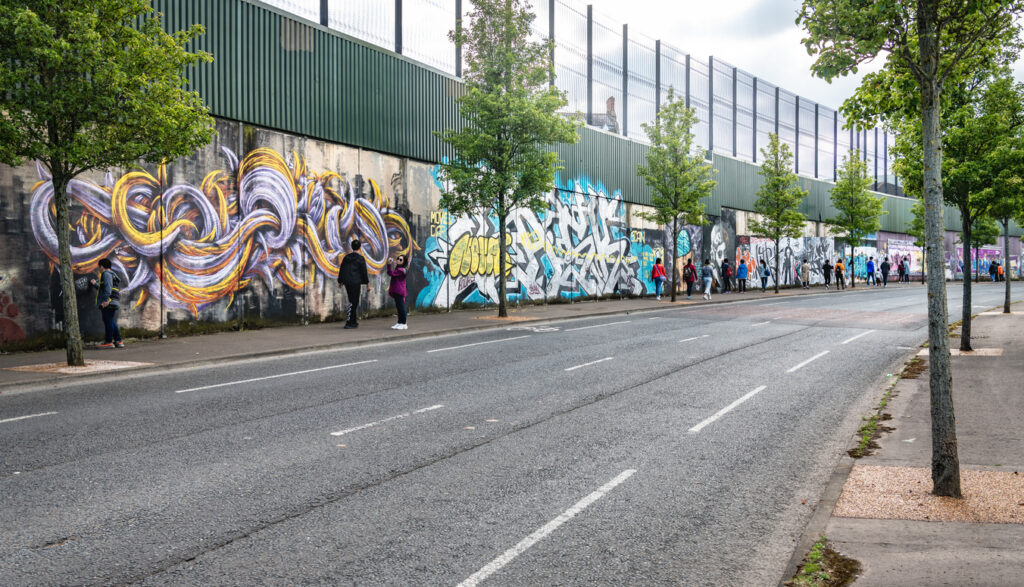
In 1978, the news was dominated by the aftermath of one of the most horrific attacks of the Troubles—the firebombing of the La Mon House Hotel near Belfast. Just a day after the blast, which killed 12 people, the police carried out a massive sweep, arresting 20 people in connection with the attack.
Back then, news from Northern Ireland wasn’t just a regional story; it was the lead item on every national bulletin. The scale of the arrests showed how much pressure the authorities were under to find those responsible for such a senseless bit of violence. It was a grim time, and the arrests were a rare sign that the law was actually catching up with the chaos.
1981: Thatcher’s first big climbdown
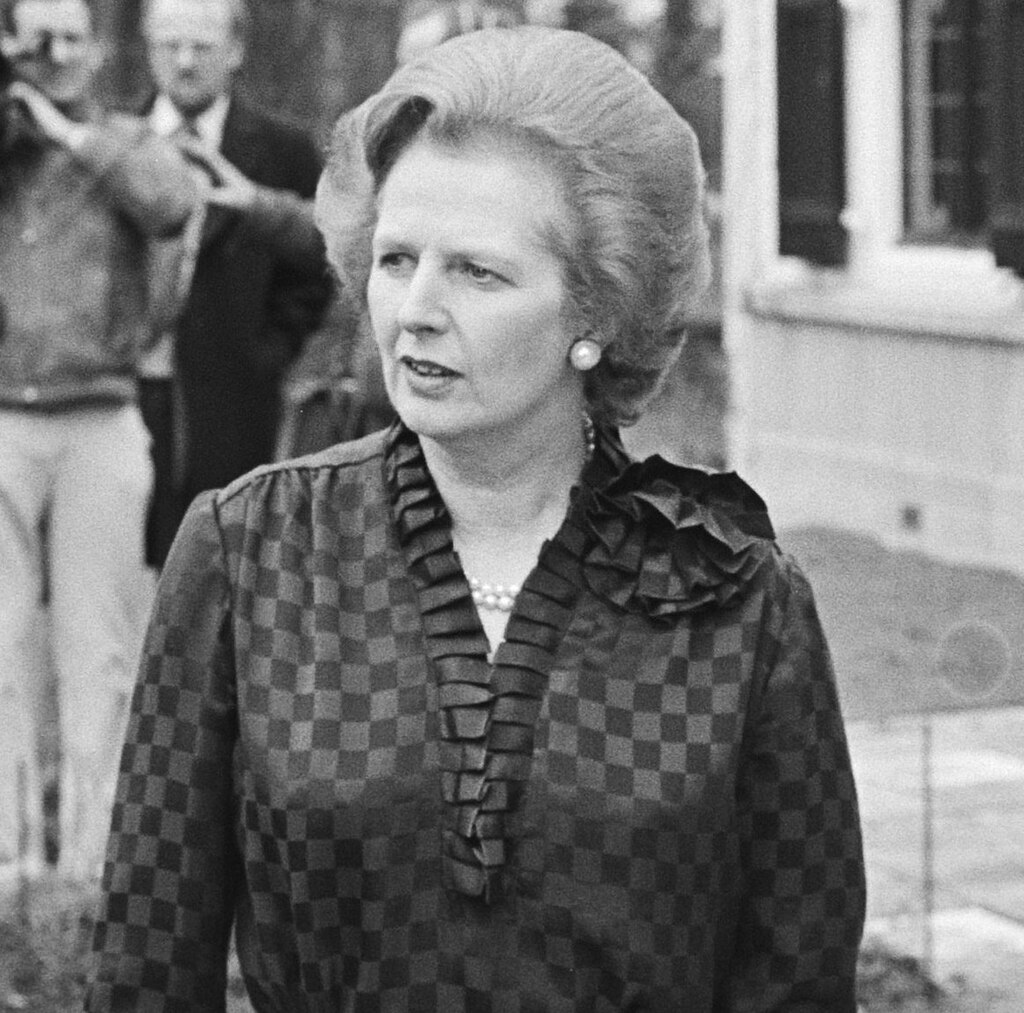
Margaret Thatcher isn’t exactly remembered for being flexible, but on this day in 1981, she did something no one expected: she gave in. Her government had planned to shut down 23 coal pits, a move that would have cost thousands of jobs and likely sparked a national strike.
The miners’ unions made it very clear they weren’t going to take it lying down, and with the economy already in a bit of a state, Thatcher decided she wasn’t ready for that particular fight just yet. She withdrew the plans in a major U-turn that stunned Westminster. It gave the mining communities a massive win and a bit of breathing room, though, as we now know, it was really just a stay of execution before the much bigger battle that would come a few years later.
2005: The end of the traditional fox hunt
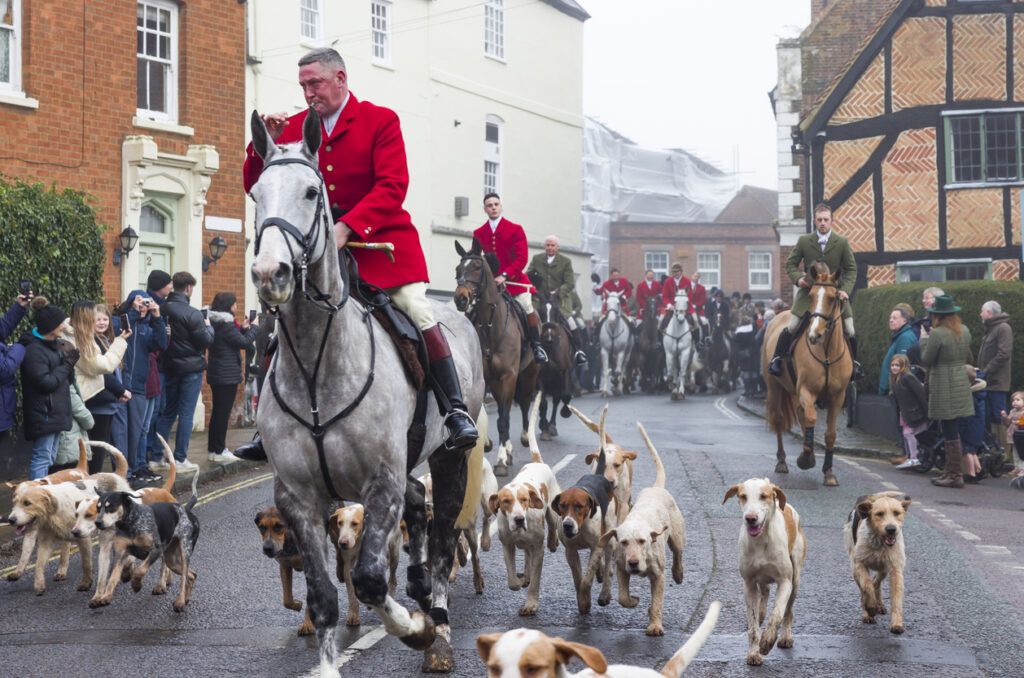
After years of some of the most heated debates the House of Commons has ever seen, the ban on hunting with dogs finally became law in England and Wales on 18 February 2005. It was a massive culture clash that pitted the rural community against urban voters and animal rights activists.
There had been massive protests in London and plenty of talk about how the law would be impossible to police. When the day actually arrived, it marked a massive shift in the British landscape. For some, it was a long-overdue victory for animal welfare; for others, it was a direct attack on a way of life that had existed for centuries. It changed the countryside forever, even if the arguments about it haven’t ever really gone away.
1969: A pop star wedding for the ages
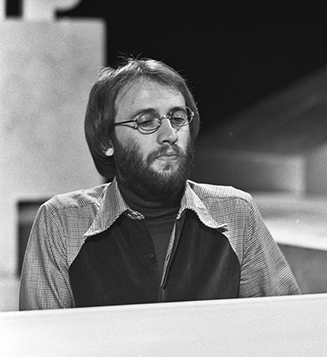
It wasn’t all grim news and political rows. In 1969, the British public was obsessed with the wedding of Lulu and Maurice Gibb of the Bee Gees. They got married in a church in Buckinghamshire, and despite the couple’s best efforts to keep it a bit low-key, hundreds of fans turned up and nearly mobbed the place.
It was the kind of story that offered a bit of glamour and escape from the daily grind. Lulu was only 20 and Maurice was 19, making them the ultimate pop power couple of the era. It was a massive media circus that proved, even in the 60s, the British public couldn’t get enough of a celebrity romance.
1516: The birth of a Tudor queen
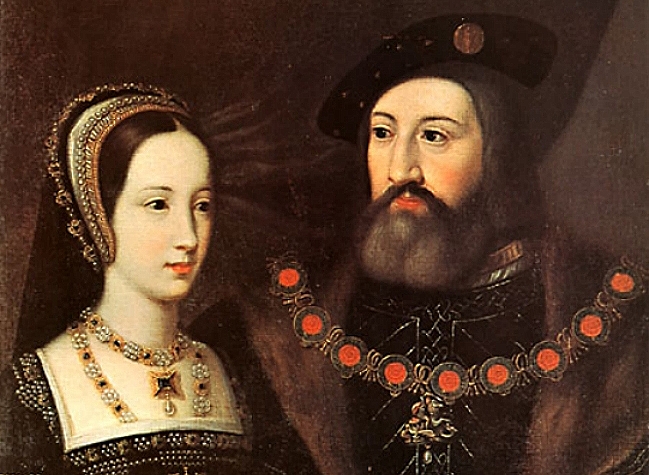
Going way back, 18 February 1516 saw the birth of Mary Tudor at the Palace of Placentia in Greenwich. She was the only child of Henry VIII and Catherine of Aragon to survive into adulthood, and her birth was a massive deal for the Tudor dynasty. Of course, she would go on to become Mary I—or Bloody Mary, depending on who you asked—and her reign would be one of the most turbulent and violent in English history.
However, on that day in Greenwich, she was just the long-awaited heir that Henry hoped would secure his line. It is amazing to think that a single birth in south London would eventually lead to such a massive upheaval in the country’s religious and political life.
1826: A new kind of university appears in London
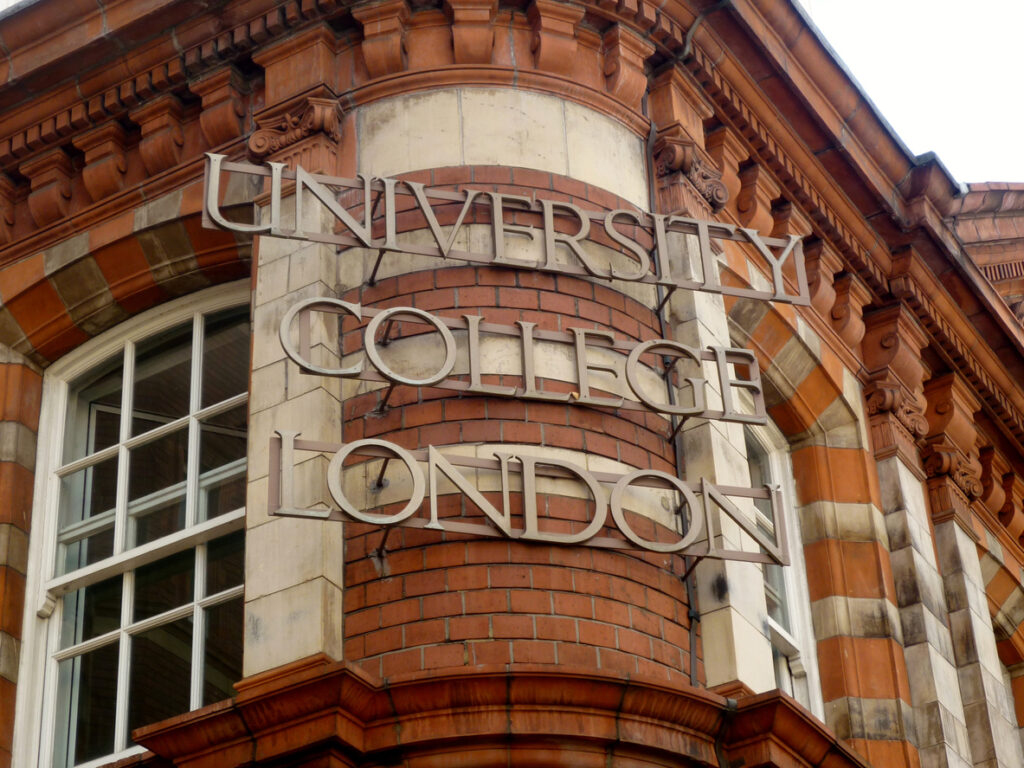
In 1826, what we now know as University College London was founded, and it was a bit of a radical move for the time. Back then, if you wanted to go to university in England, you basically had to be a member of the Church of England to get into Oxford or Cambridge.
UCL was set up as a secular alternative, meaning you could get a proper education regardless of your religious beliefs. It was a massive step toward making higher education a bit more fair and open to everyone, not just the privileged few. It changed the face of London and started a trend that would eventually see universities popping up in cities all across the country.
1978: The Great Blizzard shuts down the West Country
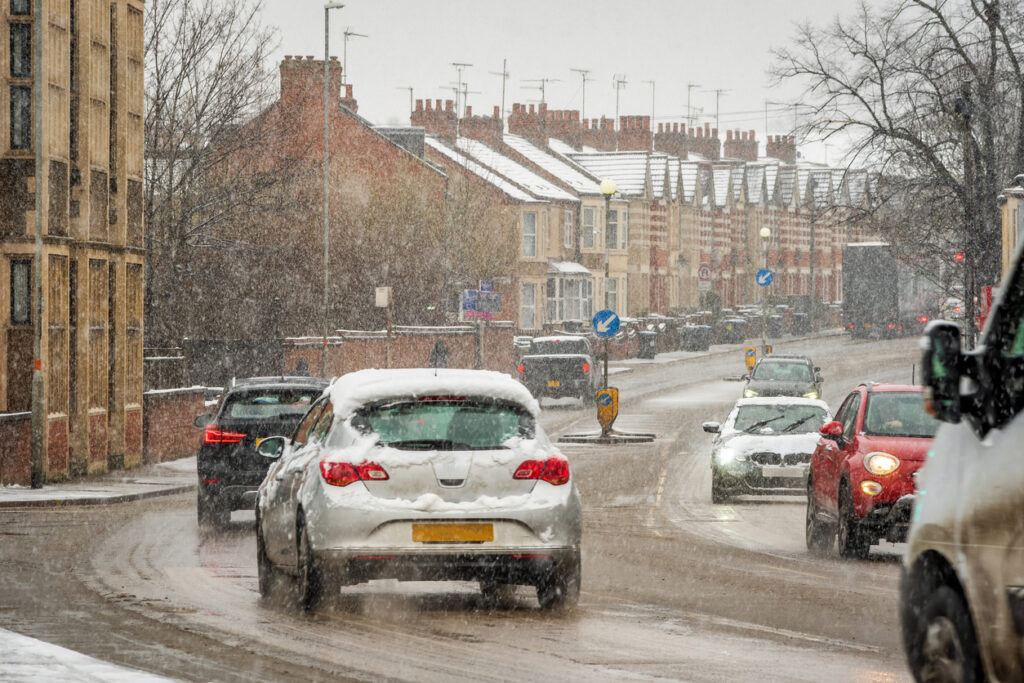
While the police were busy in Belfast in 1978, the weather was doing its best to shut down the rest of the country. A massive blizzard hit parts of South West England and Wales on 18 February, and it wasn’t just a light dusting of snow. We are talking about drifts that were several feet deep, burying cars and cutting off entire villages for days.
Helicopters had to be called in to drop food and supplies to people who were stranded. For anyone living in Devon or Somerset at the time, it became one of those “where were you” moments. It was a stark reminder of how quickly the British weather can turn a normal day into a proper survival situation.