There’s a whole collection of random talents people over 40 have tucked away that are basically obsolete now.

We spent hours as kids and young adults mastering things that felt essential at the time, only for technology to come along and make them completely pointless. Whether it was a specific physical knack or a bit of mental gymnastics needed to get through the day, these skills were just part of the furniture of daily life.
It’s a bit strange to think that stuff we could do in our sleep back then would look like a confusing magic trick to anyone younger. We’re talking about things that required a surprising amount of coordination or patience, all for tasks that a smartphone now handles in half a second. It’s a weirdly specific type of nostalgia, remembering the muscle memory for jobs that the world has just moved on from. Here’s a look at 14 of those useless skills that everyone over 40 probably still remembers how to do.
1. Programming a VCR without asking for help

There was a time when setting a video recorder felt like advanced engineering, especially if you managed to record something while you were out and the clock was still flashing the right time when you came back. You had to decode tiny buttons, confusing menus and mysterious timer settings, and if you pulled it off you earned serious respect in the house. Now everything streams on demand and records itself automatically, which makes that hard won expertise feel like knowledge from a lost civilisation.
2. Rewinding cassette tapes with a pencil
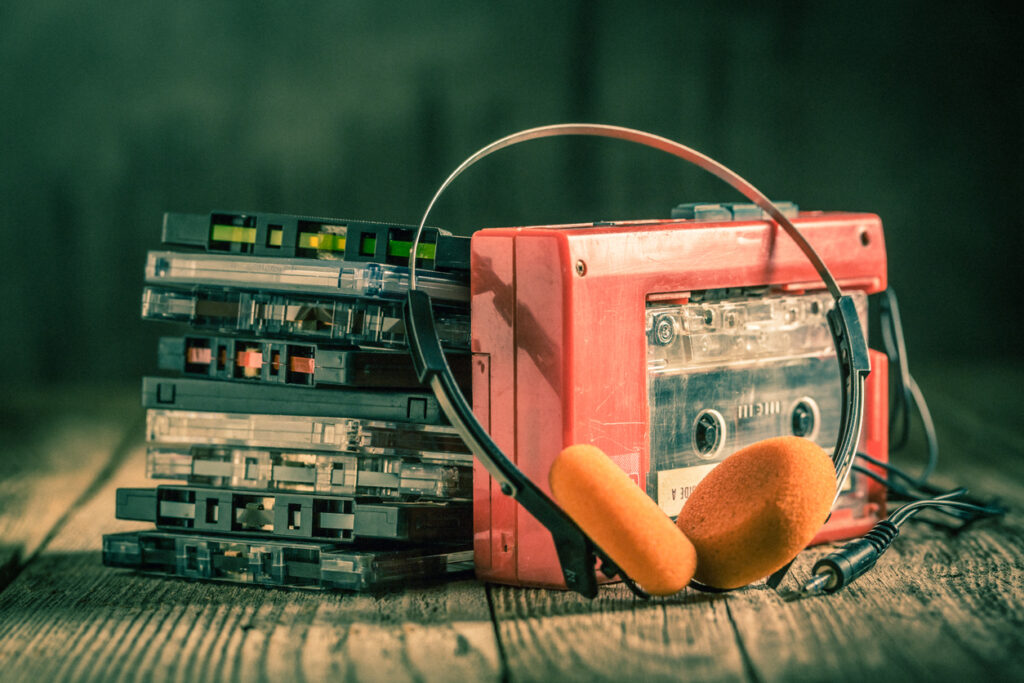
If you owned a Walkman or made mixtapes, you knew the trick of slotting a pencil into the cassette wheel and winding it back by hand to save the batteries or fix a jam. It required patience and a steady wrist, especially if you did not want the tape to unravel into a hopeless mess. Music now lives on phones and in the cloud, so there is nothing physical to rescue, and explaining this skill to someone younger makes you sound like you are describing farm tools.
3. Memorising important phone numbers

You probably still remember your childhood home number, your best friend’s landline and maybe even your grandparents’ digits because once upon a time, you had no choice but to store them in your head. If you forgot, you were stuck unless you could find a scrap of paper with it written down. These days, most people could not tell you more than one or two numbers without checking their contacts list, which means all that mental training has been quietly replaced by battery percentage anxiety.
4. Reading a paper road atlas

Long car journeys meant unfolding a giant paper map across your knees and tracing the route with your finger while trying not to block the driver’s view. You learned how to follow grid references, spot junction numbers and refold the map in exactly the right way, which was harder than it sounds. Sat nav now gives turn by turn instructions in a calm voice, so the old map reading confidence feels more like a survival badge than a daily necessity.
5. Writing perfect joined up handwriting

Schools treated cursive like a life skill that would define your adulthood, and you probably spent hours practising loops, tails and perfectly formed capital letters. Teachers said it would matter when you were older and that messy writing would hold you back. Most communication now happens on screens, and the only time your neat handwriting gets attention is when someone compliments your birthday card penmanship.
6. Timing the radio to record your favourite song

You would sit with your finger hovering over the record button, waiting for the exact second the intro started and hoping the DJ did not talk over the first few lines. When you nailed it, it felt like you had captured something rare and special. Streaming platforms now offer every song instantly in perfect quality, which means that tense waiting game has completely disappeared from everyday life.
7. Adjusting a TV aerial for a clearer picture

If the picture went fuzzy, someone had to stand near the television while someone else twisted the aerial and shouted instructions across the room or out of a window. It was a team effort built on guesswork and raised voices, and when the picture cleared you felt oddly victorious. Digital signals and streaming services have mostly ended that ritual, so the skill of aerial fine-tuning now feels like something from a black and white sitcom.
8. Burning the perfect mix CD
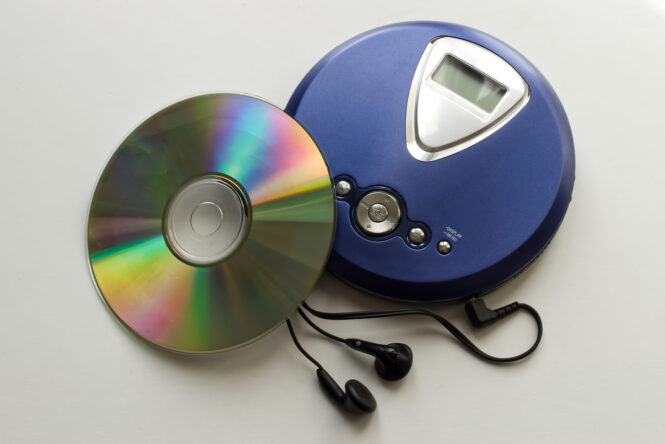
Creating a mix CD took planning, patience and a bit of technical confidence, especially if your computer took ages to write the disc, and you prayed it would not fail at 99%. You would think carefully about track order and sometimes decorate the disc with a pen to make it feel personal. Playlists can now be built and shared in seconds, and many laptops do not even have a disc drive anymore, which makes that careful CD crafting feel almost ceremonial.
9. Using the Yellow Pages to find services

Finding a plumber or takeaway once meant pulling out a thick directory and flipping through wafer thin pages packed with tiny print. You would scan columns, circle options and then start calling numbers one by one. A quick online search now gives you maps, reviews and contact details in seconds, so the patience required to navigate a paper directory has quietly faded away.
10. Blowing into game cartridges to make them work

When a game would not load, you would take the cartridge out, blow into it and slide it back in with real hope that this ritual would fix everything. It was not scientifically sound, but it felt like it worked often enough to become tradition. Modern consoles rely heavily on downloads and internal storage, so there is no physical cartridge to troubleshoot in the same way, and that hands on fix has largely disappeared.
11. Balancing a chequebook by hand

Keeping track of spending once meant writing down every payment in a little book and checking it against your bank statement to make sure nothing had gone wrong. It demanded attention and basic maths skills, and it felt like a core part of being a responsible adult. Online banking apps now update instantly and do the calculations for you, and many younger people have never written a cheque at all.
12. Planning your week around TV schedules

You knew exactly what was on at eight o’clock on a Thursday and made sure you were home for it because if you missed it, you might have to wait months for a repeat. Conversations the next day often started with whether you had seen last night’s episode. On-demand viewing has removed that fixed rhythm, which means the shared excitement of watching something at the same time has thinned out a bit.
13. Developing film from a camera
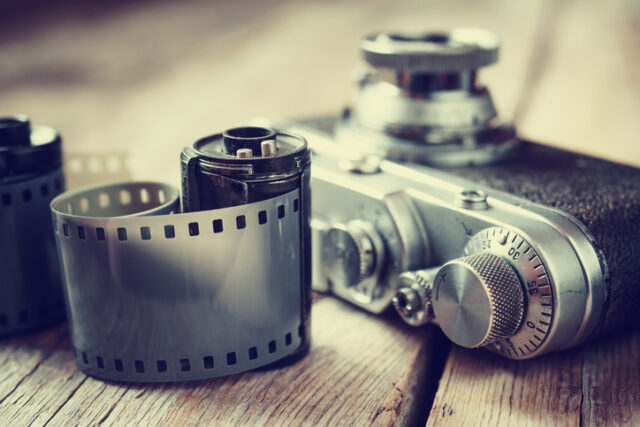
If you used film cameras, you had to count your shots carefully because you only had a limited number, and you would wait days to see how the pictures turned out. There was genuine suspense in not knowing whether someone blinked or the lighting was wrong. Phone cameras now let you take hundreds of photos and delete the bad ones instantly, which makes the old careful approach feel almost quaint.
14. Setting up a dial-up internet connection

Connecting to the internet once involved strange electronic noises, waiting for the line to clear, and hoping nobody picked up the house phone mid-session. You learned how to troubleshoot basic connection problems and accepted that browsing would be slow. Constant high-speed connections are now taken for granted, so that patience and problem-solving skill has been replaced by mild outrage if a page takes more than a few seconds to load.