I didn’t expect to feel like this. When my wife started the jabs, I was supportive. She’d struggled with her weight for years; she tried every diet going, gyms, cutting carbs, cutting sugar, cutting joy. Taking a GLP-1 med is the thing that finally worked. The weight came off quickly, and she was pleased. Her friends commented, her clothes changed, and she became so much more confident. On paper, this should have been nothing but positive.
At first, I told myself I was just adjusting. Bodies change, after all, and that’s normal. We’ve both got older and changed a lot, but a few months in, I noticed something I didn’t want to admit: I wasn’t looking at her the same way. The spark I’d always felt when she walked into a room had dulled, and that realisation filled me with more shame than I expected.
I didn’t realise how attached I was to the old version of her.
I’d always told her I loved her exactly as she was. And I meant it. But somewhere along the line, her body had become part of how I understood her. Familiar. Soft. Known. When it changed quickly, it threw me. It felt like someone had quietly swapped something I recognised for something I was still learning.
The speed of the change is partly what unsettled me. It wasn’t a slow and gradual change over years—it was a matter of months. Her clothes started hanging differently, and her face got sharper. Suddenly, she had angles where there hadn’t been angles before. I didn’t have time to adjust in small steps. It felt like trying to catch up to something that had already moved ahead.
I felt guilty for even noticing.
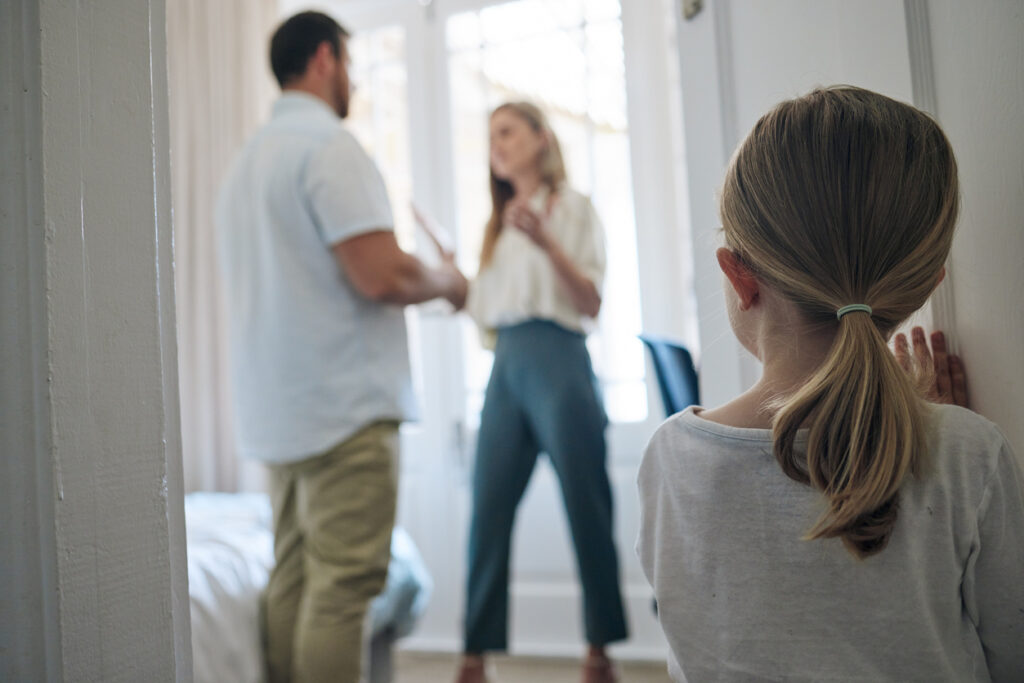
She was proud of herself, just as she should have been. She felt better physically and more confident socially, and that’s amazing. Meanwhile, I was wrestling with attraction, telling myself I was shallow, ungrateful, and ridiculous. That guilt made it harder to look at what I was actually feeling.
I’ll be honest and say that her confidence changed our dynamic. As her body changed, so did the way she carried herself. She dressed differently and posted more photos on Instagram. She seemed lighter in every sense. Instead of just being proud, I felt slightly displaced. I hadn’t realised how much of our rhythm depended on who she’d been before.
I started questioning what attraction even means.
For years, I thought attraction was simple: you either feel it or you don’t. However, I started to see how much of it is tied to familiarity and history. It’s not just about shape, but association. The body you fall in love with becomes stitched into memory. When that changes quickly, your brain needs time to catch up.
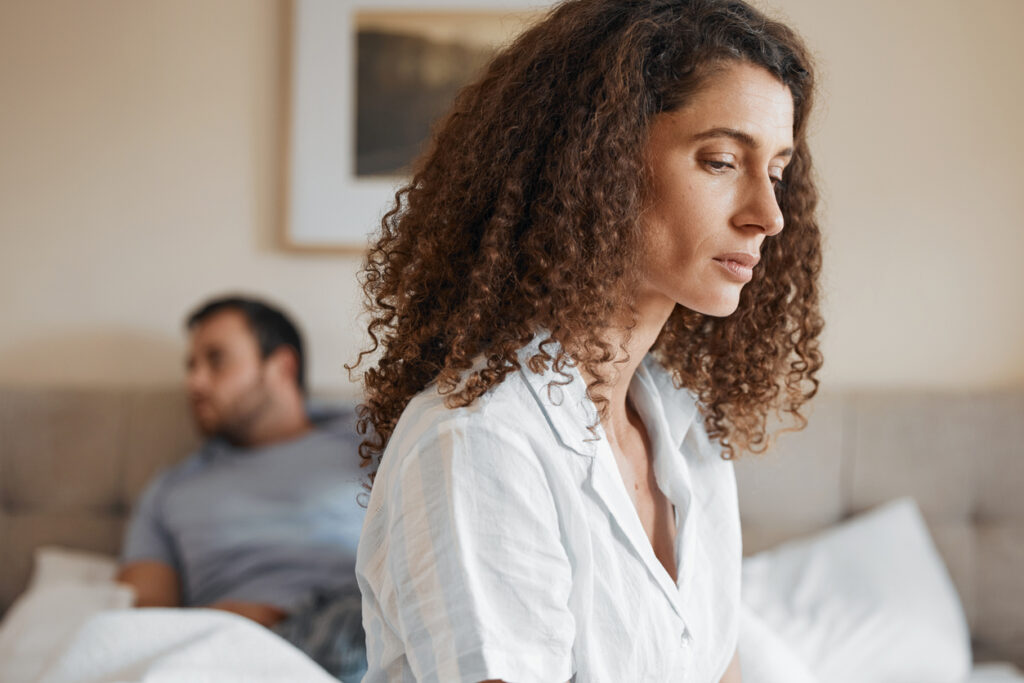
The louder question in my head wasn’t about her, but about me. I actually worried what this said about the kind of person I am. Was I only attracted to a certain body type? Was my love more fragile than I thought? I didn’t like the answers I was circling around. It felt like a test I didn’t know I was sitting.
I realised I’d never had to confront change like this before.
Ageing is gradual to the point that you barely notice it happening. This was different because it was visible and fast. It forced me to confront how much of my desire was tied to stability. I like knowing what to expect. I hadn’t realised how deeply that applied to my marriage.
There was grief in it, even if that sounds over-the-top. I wouldn’t say that out loud to anyone, but it’s the closest word I’ve got. It wasn’t grief for her health or happiness, but for something familiar that quietly disappeared. You can celebrate change and still miss what came before. Both can sit in the same space.
I had to separate attraction from resentment.
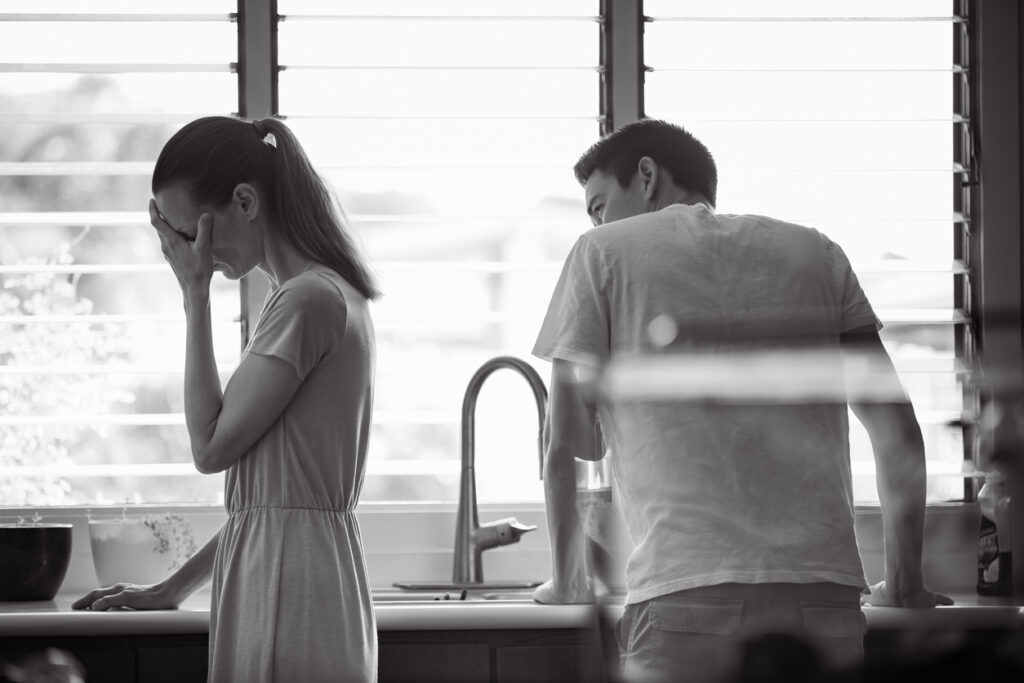
For a while, I wasn’t sure what I was feeling. Was I less attracted, or was I unsettled by how the change changed our balance? She didn’t need reassurance in the same way anymore. She didn’t look to me the same way. Some of what I was feeling wasn’t about her body at all.
I started asking myself harder questions. If her body changes again, which it will, like all bodies do, what then? Was my attraction flexible, or was it rigid? Marriage means adapting to each other through phases. I’d always assumed that applied to wrinkles and grey hair. I hadn’t considered rapid transformation.
I didn’t want silence to grow between us.
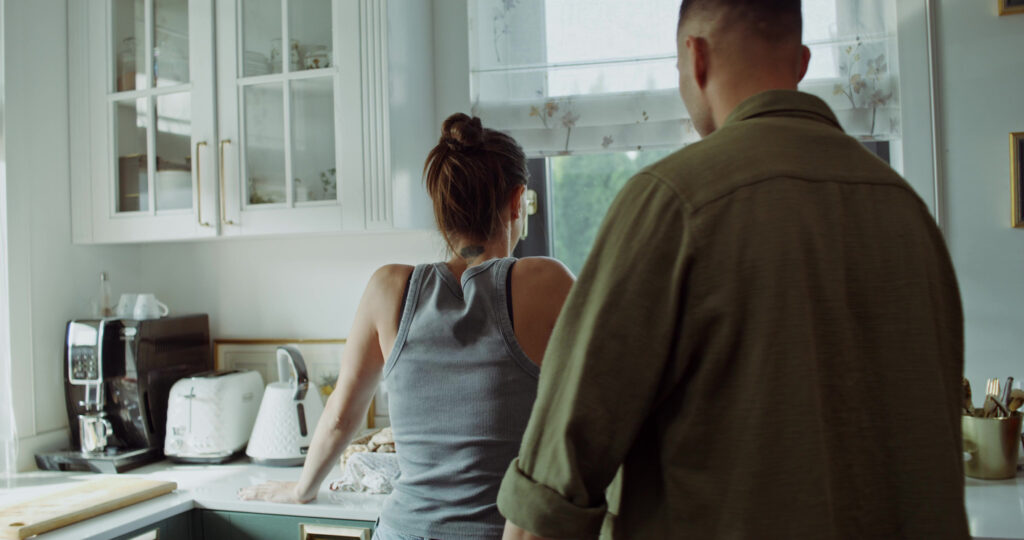
I haven’t marched into the kitchen and announced I’m struggling. That would be cruel. But I’ve realised I can’t just bury it, either. Attraction ebbs and flows in long relationships. The danger isn’t in the dip. It’s in pretending nothing’s happening while distance quietly builds.
I’m still working it out. I love my wife, that hasn’t changed. However, love and attraction aren’t always perfectly aligned, especially when something shifts quickly. I’m trying to understand what’s physical, what’s emotional, and what’s just shock at change. It’s uncomfortable to admit, but pretending everything feels exactly the same would be a lie. And honesty, even the messy kind, is the only way forward.