The idea of fumbling around for the soap in a pitch-black bathroom might sound like a recipe for a bruised shin, but more people are ditching the big light for a reason.
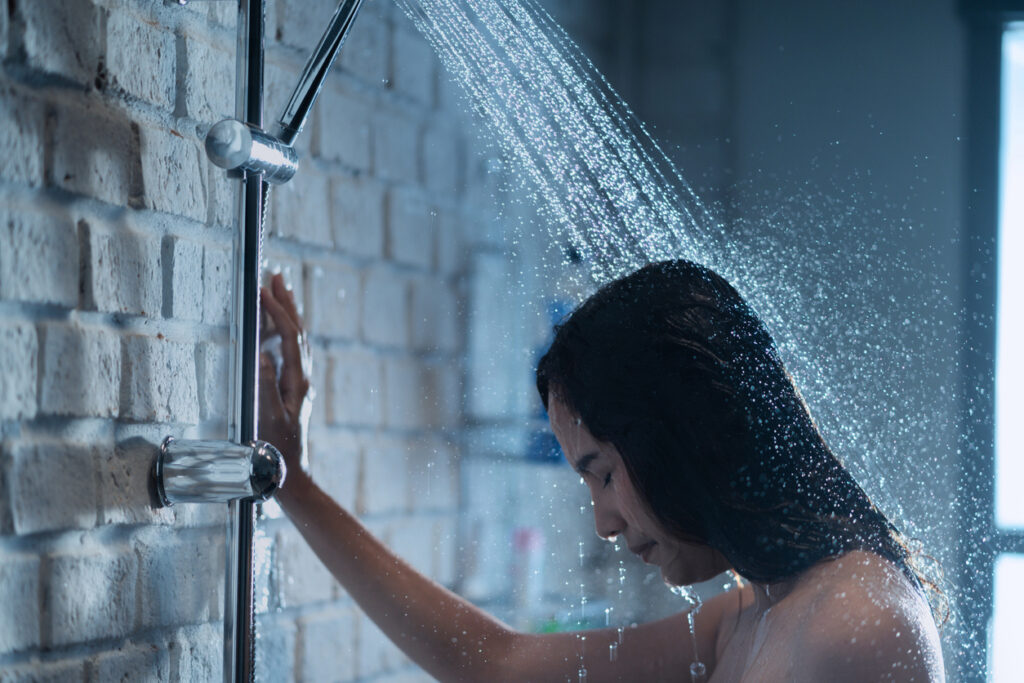
We’ve become so used to living under harsh, artificial glow that we’ve forgotten how much it messes with our internal rhythm, especially first thing in the morning or right before bed. Experts are starting to suggest that lowering the lights while you wash isn’t just a bit of a mood-setter; it’s a practical way to tell your nervous system to pipe down.
By taking away that sensory overload, you’re giving your brain a chance to wake up gently or decompress properly without the constant spike of cortisol that comes with bright LEDs. It’s a pretty easy change to make, but it’s one that turns a basic chore into a bit of a sensory reset, and once you’ve tried it, stepping back into the glaring light of a standard bathroom feels a bit like a personal affront. Here’s why you should give it a go.
It actually helps you sleep better.

Turning off the lights during your evening shower tells your brain it’s time to wind down. Bright bathroom lighting suppresses melatonin production, which is exactly what you don’t want before bed. Your body starts making melatonin when it gets dark, so keeping things dim helps maintain that natural rhythm.
People who shower in the dark before bed often fall asleep faster because they’re not disrupting their body’s internal clock. The lack of visual stimulation also means your mind isn’t as alert and active, making the transition to sleep much smoother.
Your other senses become sharper.
Without sight to rely on, your sense of touch and hearing get a proper workout. You’ll notice the water temperature more acutely and become more aware of how different products feel on your skin. The sound of running water becomes clearer and more soothing when you’re not distracted by what you’re seeing.
Having such heightened sensory awareness can make your shower feel more luxurious and intentional. You might discover textures and sensations you’ve been missing out on for years simply because your eyes were always in charge.
It forces you to slow down properly.

Rushing through a shower in the dark isn’t really an option, so you naturally take your time. There’s no clock to check and no mirror to scrutinise yourself in, which removes those little pressures we don’t even realise we’re feeling. You focus on the actual task of washing rather than mentally planning your next ten moves.
Enjoying a bit of a slower pace, even temporarily, turns your shower into a proper pause in your day instead of just another thing to tick off. The enforced mindfulness happens organically without you having to try.
It’s surprisingly good for anxiety.
Darkness creates a sense of privacy that helps anxious minds settle down. There’s something about not being able to see your surroundings that makes worries feel less pressing and immediate. Many people report their racing thoughts slow down when they shower in the dark because there’s simply less to process. The sensory deprivation aspect gives your overactive brain a break from constant visual input. It’s almost impossible to overthink when you’re focused on not slipping and finding your shampoo bottle.
Your electricity bill will thank you.

Bathroom lighting uses more energy than you’d think, especially if you’ve got multiple bulbs or spotlights. Showering in the dark means you’re cutting out that electricity use entirely for those 10 or 15 minutes. Over a year, those savings actually add up to a noticeable difference on your energy bills. If everyone in your household starts doing it, the impact becomes even more significant. It’s one of those small changes that benefits both your wallet and the environment without requiring any real effort.
It helps with intrusive thoughts.
The darkness gives your mind something neutral to focus on instead of spiralling into worry or self-criticism. When you can’t see yourself, you’re less likely to pick apart your appearance or body. Your thoughts have nowhere to land and stick, so they tend to drift away more easily. People with depression often find dark showers easier because there’s no mirror, forcing them to confront how they feel about themselves. The experience becomes about sensation rather than judgement, which can be genuinely therapeutic.
You’ll stop checking your phone constantly.

If your bathroom is dark, you can’t exactly scroll through social media while the conditioner sits in your hair. This creates a rare pocket of time when you’re genuinely disconnected from screens and notifications. Your brain gets a break from the constant dopamine hits that come from checking your phone. That mental rest is increasingly rare in modern life, and your cognitive function actually benefits from these short digital detoxes. You might even find yourself feeling more present and focused after your shower.
It can ease eye strain significantly.
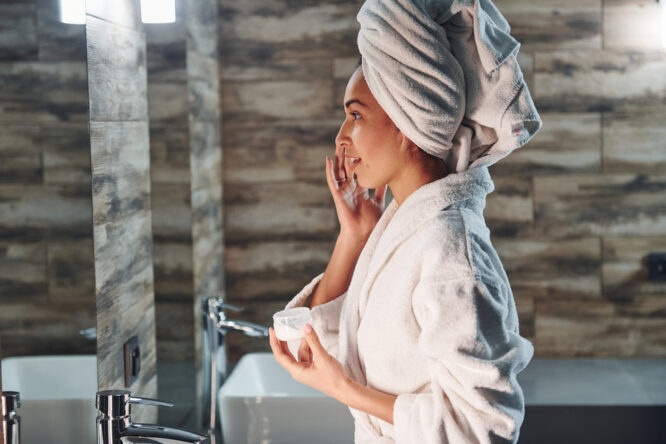
Bright bathroom lights are harsh on your eyes, especially first thing in the morning or late at night. If you’ve been staring at screens all day, more bright light is the last thing your eyes need. Showering in the dark gives your eyes a proper rest and can reduce headaches caused by light sensitivity. People who suffer from migraines often find that avoiding bright lights in the bathroom helps prevent triggers. Your eyes are muscles too, and they appreciate the break from constant stimulation.
You become more confident in your body awareness.
Learning to navigate your shower without sight builds a different kind of body confidence. You start trusting your sense of balance and spatial awareness more, which translates to feeling more grounded generally. It’s oddly empowering to realise you don’t need your eyes for everything. This practice can help reduce clumsiness over time because you’re training your proprioception. You’ll probably find yourself moving more deliberately and with greater control in other areas of life too.
The whole experience feels more luxurious.
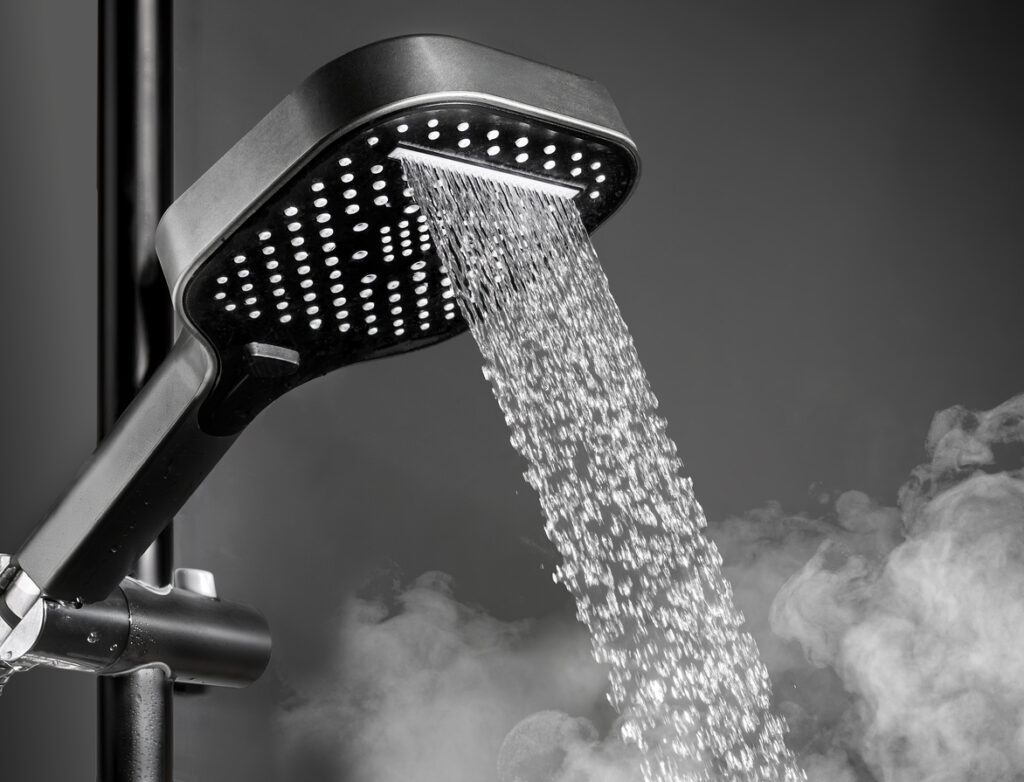
There’s something inherently spa-like about showering in darkness that makes it feel less like a chore. Without visual distractions, you’re more likely to actually enjoy the warmth of the water and the scent of your products. It transforms a mundane daily task into something that feels intentional and restorative. Many people describe it as the only truly relaxing part of their day once they get used to it. The best part is that this elevated experience doesn’t cost you anything extra or require special equipment.