From kale smoothies to freezing therapy pods, America’s health trends often make their way across the Atlantic.

Some are genuinely useful, but others feel more like expensive fads built for Instagram than actual well-being. Britain has always taken a more down-to-earth view of health, and plenty of these American habits simply don’t fit our culture. These are just some of the more ridiculous obsessions that feel better left stateside. Not only are they not actually helpful, but in many cases, they’re downright pointless.
1. Constant juice cleanses

In the US, people drink nothing but green juice for days in the name of “detoxing.” In Britain, most of us see that for what it is: a fancy way to be hungry. Our bodies already have organs that handle detoxing without the help of kale or celery water. These cleanses are costly and rarely sustainable. They leave you drained, irritable, and desperate for a slice of toast, which is probably what you needed all along.
2. Tracking every single calorie
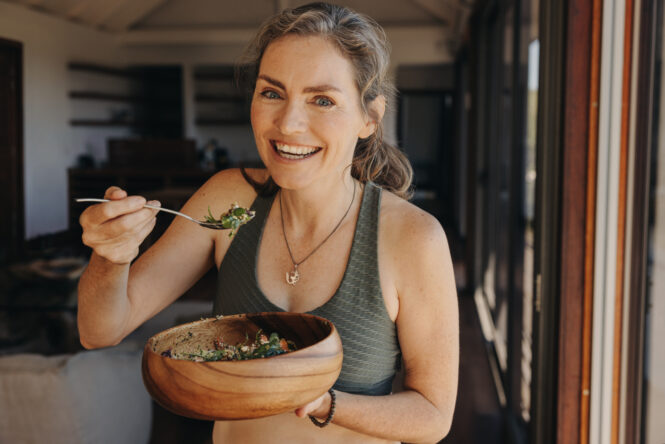
Calorie counting has become a way of life for many Americans, with apps, watches, and trackers logging every bite and step. It might sound disciplined, but it can quickly make food feel like maths homework. British habits tend to be more relaxed. We eat by instinct, walk a bit more when needed, and enjoy food in moderation. It’s a simpler, more forgiving approach that actually lasts.
3. Boot camps that feel like punishment

Fitness boot camps are massive in America, where trainers shout through megaphones while people collapse on mats. It looks intense and probably burns calories, but it’s not exactly enjoyable. Brits prefer workouts that feel doable rather than dramatic. A brisk walk, a swim, or a yoga class feels far more realistic than being yelled at to “push harder” in the rain.
4. Paying hundreds for boutique workouts

Luxury fitness studios in the US can charge eye-watering prices for spin, barre, or reformer Pilates classes. The trend has turned exercise into something exclusive rather than inclusive. In Britain, people are happy with a jog in the park, a home workout video, or a community gym. Staying active doesn’t need flashing lights or a membership that costs as much as your bills.
5. Treating supplements as meals

American wellness often revolves around powders, pills, and protein blends that claim to “boost” every function in your body. There’s a supplement for everything from focus to happiness. Most British people prefer to stick with balanced meals and common sense. You don’t need shelves full of tubs when proper food, rest, and water do the job for free.
6. The obsession with “superfoods”
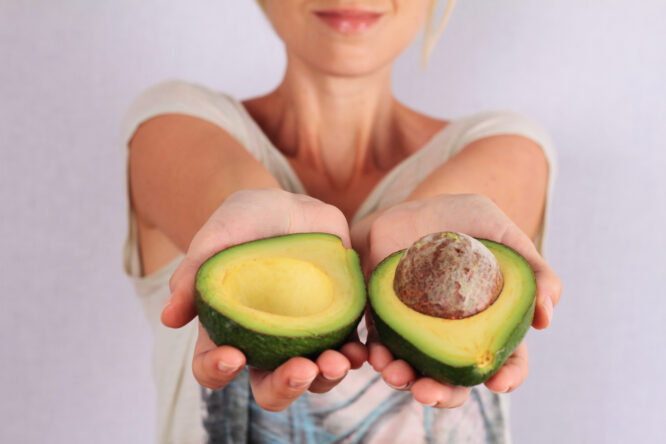
Every year, a new American “superfood” appears, promising incredible health benefits. Acai, quinoa, chia, matcha… the list never ends. They’re not bad, but they’re rarely worth the hype or price tag. Britain has its own simple staples that do the same job, like oats, apples, and cabbage. They might not sound exotic, but they’re affordable, nutritious, and don’t need a marketing campaign.
7. Cryotherapy and freezing showers

In the US, people pay to stand in freezing chambers that supposedly improve recovery and mood. It’s impressive in theory, but most of us already know what cold feels like for free every winter morning. Between icy dog walks, drafty homes, and British weather in general, we don’t need to pay extra to be cold. A warm cup of tea after a long walk feels much healthier anyway.
8. Treating social media as a health diary

Wellness influencers in America turn every meal, run, and smoothie into a post. Health becomes a performance, with likes acting as validation instead of genuine wellbeing. In the UK, people are more private about their routines. We might share a park run or charity challenge, but constant updates about kale and cardio just feel a bit much.
9. Biohacking everything

Some Americans track their sleep cycles, blood sugar, and heart rate like full-time scientists. It’s fascinating, but it turns self-care into a data project rather than something intuitive. British culture favours moderation over measurement. You don’t need a sensor to tell you that an early night and a walk outside will make you feel better.
10. Turning health into a business

Across the pond, people often turn their personal fitness journeys into podcasts, YouTube channels, or supplement brands. Wellness becomes a way to make money rather than simply live better. Most Brits would rather keep things simple. Exercise, eat well, get on with life. There’s no need to turn it into a personal empire.
11. “Cheat days” and crash diets

American diet culture often swings between extremes: strict eating during the week, followed by blowout “cheat days.” It’s not a healthy mindset and usually leaves people feeling guilty rather than balanced. Brits tend to take a steadier approach. A Friday takeaway or a pint at the pub doesn’t need to be labelled as “cheating.” It’s just part of normal living.
12. Overcomplicating simple habits

In the US, even basic wellness steps like drinking water or getting your steps in are turned into expensive trends. Designer bottles, subscription trackers, and digital reminders make simplicity sound like science. In the UK, we prefer the straightforward route. Drink some water, get outside, eat decently, and have a laugh. Real health doesn’t require chasing perfection; it’s feeling well enough to enjoy life without turning it into a full-time job.