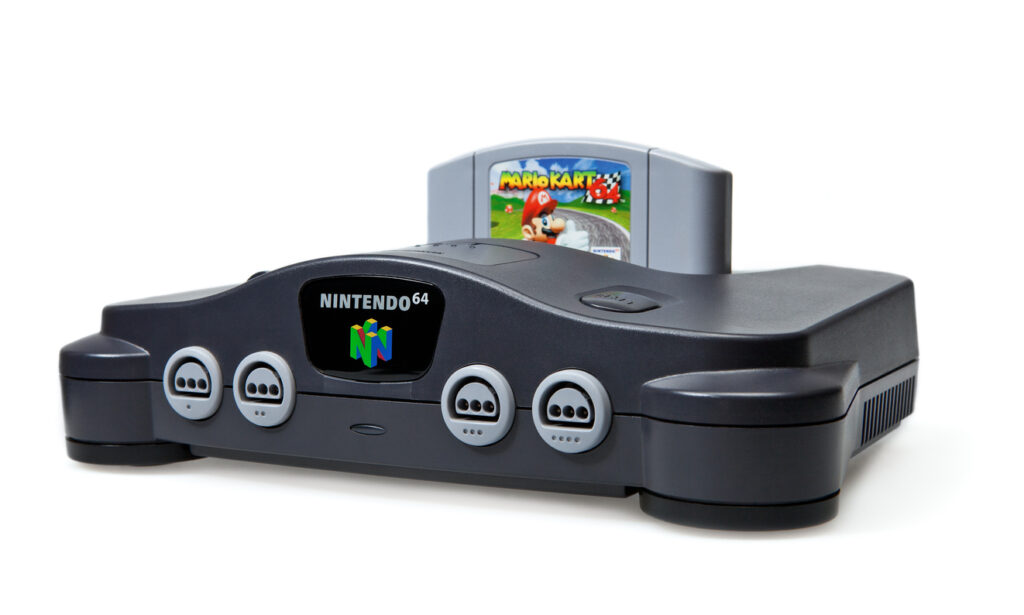
PETA has launched a campaign against Nintendo’s latest game Mario Kart World, demanding the removal of a nose ring from a popular cow character, and the controversy reveals bigger issues about representation in gaming. While many write off the issue as trivial or unimportant, the point being made for animal welfare is worth acknowledging.
The controversy erupted over a seemingly innocent character design choice.
PETA sent a letter to Nintendo President Shuntaro Furukawa on August 14, 2025, asking the company to remove the brass nose ring from Cow, a breakout star character in Mario Kart World who has become immensely popular since the game’s June launch on Nintendo Switch 2, and the animal rights group argues that this small design element represents something much more sinister than Nintendo intended.
What started as character feedback quickly escalated into a full public relations campaign because PETA’s Senior Vice President of Marketing Engagement Joel Bartlett explained that nose rings are forcibly pierced through one of the most sensitive parts of a cow’s body, and the organisation believes even fictional representations of these tools normalise animal cruelty in real life.
PETA claims the nose ring glorifies real-world animal suffering.
The organisation argues that nose rings are tools of cruelty used by meat and dairy industries to exploit, control, and even drag animals to their deaths, causing pain and discomfort that no real cow forced to wear one would ever sport Cow’s goofy grin, and they believe Nintendo’s cheerful portrayal glosses over genuine violence against animals.
According to PETA, the dairy industry clips spiked nose rings on baby cows so that nursing from their mother causes her pain and leads to rejection, while chains are sometimes fastened from nose rings to bulls’ horns for pain-driven control, so the group sees Mario Kart’s cute cow character as inadvertently promoting these harmful practices through normalisation.
Mario Kart World became Nintendo’s biggest Switch 2 success story.
Nintendo released Mario Kart World on June 5, 2025, as a launch game for the Switch 2, and it has sold over 5.63 million copies worldwide as of June 30, making it the best-selling title for the new console, while the game received generally favourable reviews with praise for its open-world approach and support for up to 24 players in races.
Cow has become a breakout star with videos on social media showcasing the bovine’s popularity, as The New York Times reported in July, so PETA’s campaign targets one of gaming’s most beloved new characters at the height of her cultural moment, which guarantees maximum attention for their animal rights message.
Nintendo has remained completely silent on the controversy.
Representatives for Nintendo of America did not immediately respond to requests for comment about PETA’s letter, and the company has historically maintained silence when the animal rights organisation targets their games, suggesting they won’t engage with what they likely view as publicity-seeking behaviour rather than legitimate criticism.
Nintendo’s strategy of ignoring PETA campaigns has proven effective in the past because engaging would only amplify the organisation’s message and create more controversy around beloved family-friendly games that millions of players enjoy without considering deeper implications about animal welfare.
PETA has a long history of targeting Nintendo games specifically.
This isn’t PETA’s first campaign against Nintendo, as the organisation previously criticised Animal Crossing: New Horizons in 2020 for encouraging abusive behaviour toward fish and insects, and in 2017 said Nintendo had “sold its soul” by partnering with McDonald’s for Super Mario toys in Happy Meals, showing a clear pattern of using Nintendo’s popularity to generate headlines.
PETA has created parody games over nearly two decades, including Super Chick Sisters in 2007, Mario Kills Tanooki in 2011, Pokemon: Black and Blue in 2012, and Cooking Mama: Mama Kills Animals in 2008 because they understand that targeting beloved gaming franchises generates far more media coverage than traditional animal rights campaigns ever could.
Gaming fans reacted with a mixture of mockery and dismissal.
On social media, fans took the letter with a grain of salt, with one person writing “The hell is PETA of all organisations telling them this now?? The Moo Moo cow has always had a nose ring in the Mario Kart universe, and it’s not even a real animal”, while others responded with humorous parodies of PETA’s serious tone.
One fan humorously wrote “BREAKING NEWS: Mario Kart World has called for PETA to remove the stick from their paid to play ARSE!” in response to headlines about the controversy because many gamers view PETA’s campaigns against fictional characters as misplaced priorities when real animal welfare issues exist worldwide.
Veterinary experts say the design is actually inaccurate anyway.
Jodi Wallace, a bovine veterinarian and sixth-generation dairy farmer, told CBC Kids News that “female dairy cows don’t wear nose rings at all” and that “Nintendo got it wrong,” explaining that only bulls occasionally wear rings, and even then, it’s quite rare, so the controversy is partly based on an anatomical error rather than deliberate cruelty representation.
Wallace sees only two or three bulls with nose piercings out of the 8,000 to 10,000 cattle she examines annually, and when bulls do have rings, the procedure involves sedation, local anaesthetic, and painkillers afterwards because veterinarians prioritise animal welfare, which contradicts PETA’s claims about routine cruelty in the farming industry.
The campaign fits PETA’s broader strategy of manufactured outrage.

VGC noted that “while I’m sure no one at PETA is genuinely losing any sleep over a cow in Mario Kart having a nose ring, they understand that by making statements like this they will get publications and people on social media to talk about animal abuse issues they are concerned about”, revealing the calculated nature of their gaming controversies.
PETA’s campaigns against video games serve as trojan horses for broader animal rights messaging because they know that targeting popular entertainment generates infinitely more media coverage than traditional activism, and even negative attention helps spread their core message about animal welfare to audiences who might never otherwise encounter it.
Some supporters believe PETA has a point about normalisation.
One commenter wrote “I really admire PETA for standing up for animals even in ridiculous or hypothetical situations, like in the case of a character in a video game,” adding that “the ring is a symbol of cruelty to animals” because some people believe that cultural representations matter even when they involve fictional characters.
When challenged about picking their battles, PETA’s official account replied that “video games can shape how people see animals, so showing them respect matters both online and in real life”, suggesting they genuinely believe media representation influences real-world attitudes toward animal welfare and agricultural practices.
The controversy highlights broader questions about representation in entertainment.
PETA’s campaign raises complex questions about whether entertainment creators have responsibility for the real-world implications of their design choices, and it forces discussions about how seemingly innocent elements in children’s media might inadvertently normalise harmful practices that most consumers never consider when enjoying their favourite games.
The debate ultimately reflects tensions between artistic freedom and social responsibility because, while Nintendo likely never intended to promote animal cruelty through Cow’s design, PETA argues that impact matters more than intent when it comes to cultural representations that could influence millions of players’ perceptions about how animals should be treated.