Buy now pay later services like Klarna, Zilch and Clearpay started off as a convenient way to spread the cost of online shopping.

However, what began as interest-free credit for clothes and gadgets has turned into something much more serious. People are now using these apps to buy groceries, school uniforms, and bus passes because they can’t afford essentials. Debt charities are reporting massive increases in people needing help with BNPL debts, and many are trapped in cycles they can’t escape. Here’s the truth about how these services are affecting Brits and what you need to know.
People are using BNPL for basic essentials now.

Buy now pay later was meant for occasional purchases, splitting the cost of a new coat or trainers over a few payments. But now people are using it to buy weekly food shops, pet food, and travel passes because they literally can’t afford these things upfront. It’s become a way to plug gaps in budgets rather than a shopping convenience.
About 1.6 million people in the UK used BNPL to spread the cost of household bills last summer. When you’re using these services for basics rather than treats, that’s a sign budgets are stretched to breaking point. It shows how many families are genuinely struggling to cover essentials month to month.
The debts are mounting fast.
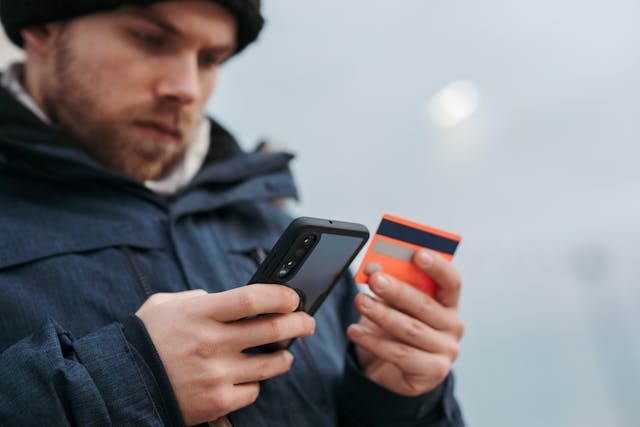
One single mum from Sheffield now owes £3,000 across multiple BNPL apps. She started using them three years ago for bigger purchases, but now relies on them for everyday items. She buys a £40 weekly bus pass using BNPL, paying about £5 upfront and spreading the rest over payments.
The problem is that when you defer those payments, fees stack up quickly. What starts as a manageable £40 becomes much more once you add fees for late or deferred payments. When you’re doing this across multiple apps for multiple essentials every week, the debt builds faster than you realise.
Debt charities are seeing huge increases.
Five major debt advice organisations have reported big jumps in people seeking help with BNPL debts. Money Wellness helped 44% more people with this type of debt in the year ending September 2025 compared to the previous year. Citizens Advice saw a 48% year-on-year increase.
Christians Against Poverty says 14% of its clients had BNPL debts in 2024, up from 9% in 2023. The National Debtline supported 11,000 people with BNPL debts in the same period. These aren’t small numbers, and the consistent increases across different charities show this is a real and growing problem.
It’s too easy to get approved.

BNPL apps only do soft credit checks, which means they often don’t know if you’re already borrowing from other places. You can be using three different BNPL apps at once and none of them know about the others. They approve loans without seeing your wider financial situation.
Multiple people told the BBC that accessing BNPL “was too easy.” There’s no proper affordability assessment like you’d get with a credit card or loan. You can keep getting approved even when you’re already struggling to pay back what you owe elsewhere.
Single mums are particularly affected.

Debt advisors are seeing more young single women with children seeking help with BNPL debts. They’re trying to make ends meet and cover basics for their kids, using these apps to bridge the gap between what they earn and what everything costs.
One 26-year-old single parent from West Yorkshire owed £5,000 through BNPL before getting a debt relief order. She said it gave her a “fresh start” after living in fear of debt collector calls. The pattern is clear: people with tight budgets and dependents are using BNPL unsustainably because there’s no other option.
Food price rises are pushing people into debt.

Food prices have increased by 37% in five years. A food shop that cost £10 five years ago now costs £13.70. That’s a massive jump, and wages haven’t kept pace. For families already on tight budgets, that extra cost has to come from somewhere.
Tom Gibbons from Money Wellness rightfully points out that the constantly rising cost of living has “pushed people’s budgets to the limit.” People aren’t being reckless or irresponsible, they’re literally trying to feed their families. BNPL has become the only way they can afford to do that.
People choose shops based on BNPL availability.
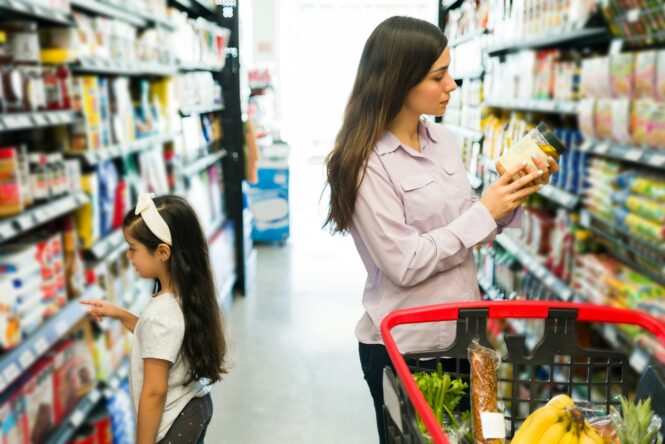
Some people are now deciding which supermarket to use based on which ones accept BNPL vouchers. They’re not shopping where’s cheapest or most convenient, they’re shopping where they can split the payment because that’s the only way they can afford it.
This shows how embedded these services have become in people’s daily lives. It’s not occasional use anymore, it’s a fundamental part of how they manage their weekly budget. When your shopping choices are dictated by payment methods rather than value or preference, that’s a problem.
It creates a vicious circle.

You use BNPL this week to buy groceries, planning to pay it back when you get paid. But when payday comes, you still need to buy groceries for next week, so you use BNPL again while paying off last week’s. Now you’re constantly paying for last week’s shopping while buying this week’s on credit.
People describe being trapped in this cycle where they can never catch up. You’re always one step behind, always paying off old debt while creating new debt. Breaking that pattern becomes impossible when you’re already stretched thin and have no spare money to get ahead.
Debt relief orders are at record highs.

In August 2025, more than 4,200 debt relief orders were approved in a single month, a record high. A debt relief order freezes debts for 12 months, and if your situation doesn’t improve, those debts can be written off. But it affects your credit file for six years.
The fact that so many people are needing this level of intervention shows how serious the debt situation has become. These aren’t people who’ve been irresponsible, they’re people who’ve been using credit to survive, and it’s caught up with them.
Not everyone struggles, but the vulnerable do.

Some people use BNPL responsibly and never get into trouble. One single mum from Rotherham says she only uses what she can afford to pay back. For her, it’s replaced borrowing from family or using food banks, and it helps her buy school uniforms without the stress.
The issue is BNPL works fine for people with stable incomes and financial buffers. But for people already on the edge, one missed shift at work or unexpected expense means they can’t make payments. The system isn’t built to protect vulnerable users, and those are exactly the people using it most.
Regulation is coming, but not soon enough.

From next year, all BNPL apps will be regulated by the Financial Conduct Authority, which means stricter affordability checks. The companies themselves say they’d welcome regulation. Klarna says its products are designed to help consumers avoid getting trapped in debt.
But regulation is still months away, and people are getting into serious debt right now. The current system with soft credit checks and no coordination between providers is letting people borrow more than they can handle. The damage is being done before the rules change.
It’s filling a gap that benefits shouldn’t leave.
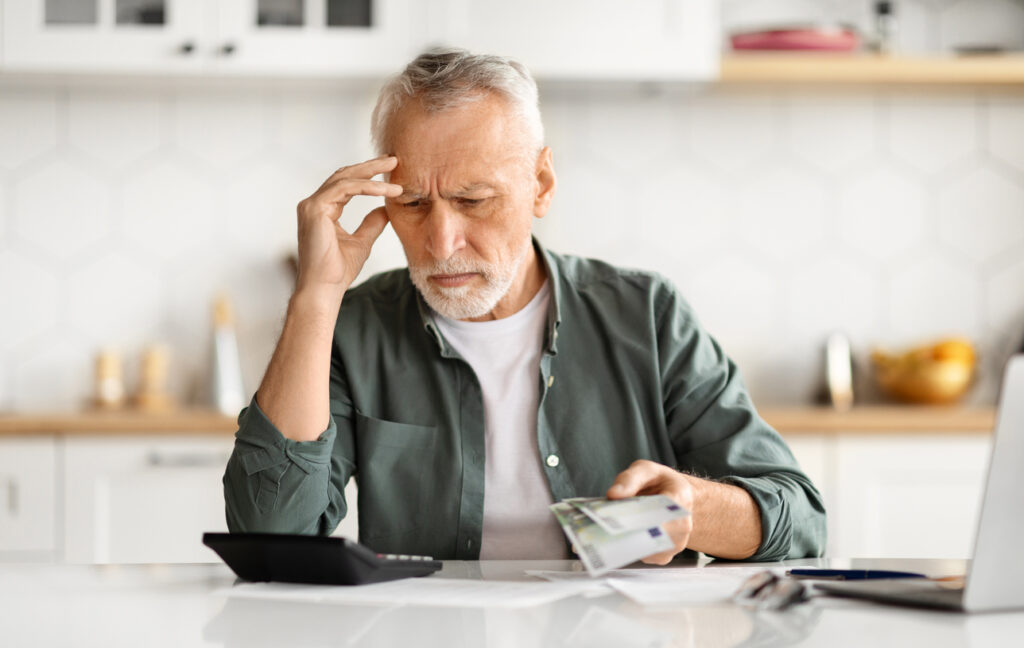
The real question is why so many people are unable to afford basic essentials without credit? The fact that BNPL for groceries and bus passes has become normal shows something’s broken in how we support low-income families. People shouldn’t need to go into debt to eat or get to work.
BNPL isn’t the villain here, it’s a symptom of bigger problems. Wages that don’t cover living costs, benefits that don’t stretch far enough, and the cost of everything rising faster than incomes can keep up with. Until those underlying issues are fixed, people will keep turning to whatever credit they can access, whether that’s payday loans, credit cards, or buy now pay later apps. The debt crisis isn’t about people being bad with money. It’s about people trying to survive when the maths of modern life just doesn’t add up anymore.