The world is changing so fast that the planet your kids grow up on might be almost unrecognisable from the one you know now.
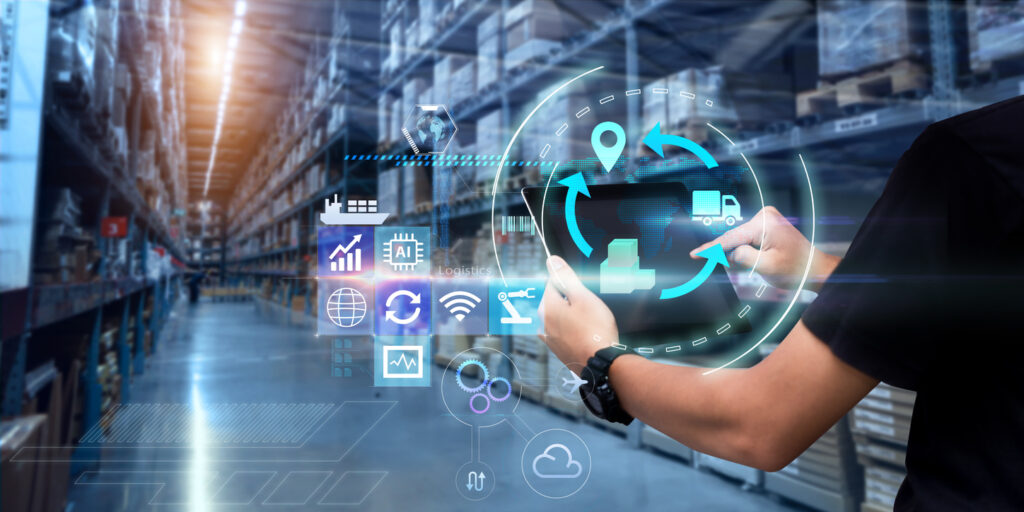
We’re not just talking about better phones or flying cars, either. We’re talking about fundamental changes to how humans live, work, and survive on Earth. Most of these changes are already happening right now, and they’re happening so rapidly that we can hardly keep up with them. As a result, over the next 75 years, things could change in ways no-one would expect or foresee.
1. Entire countries might be underwater.
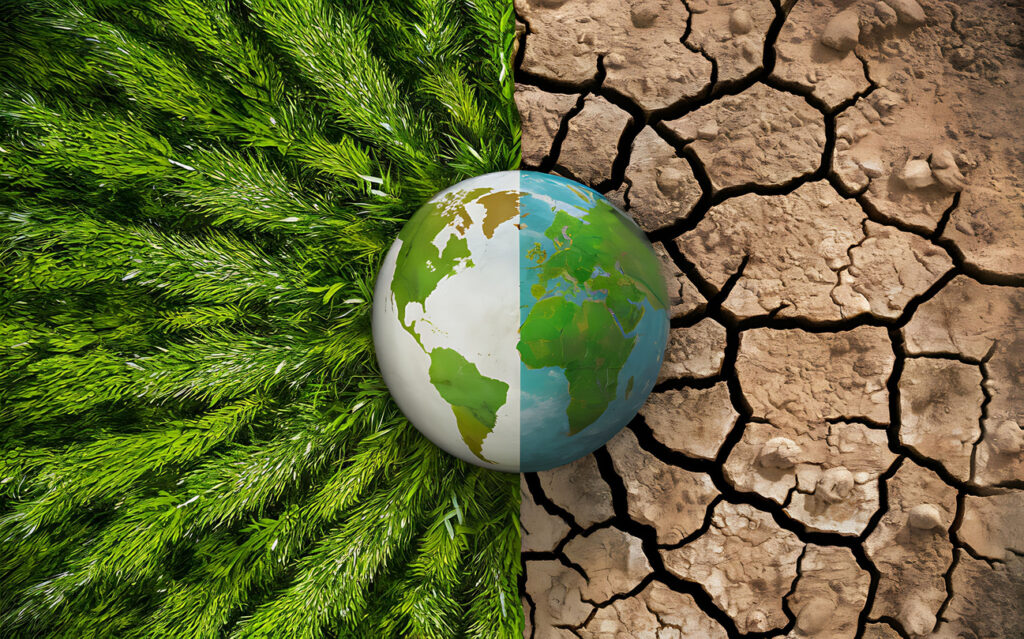
Small island nations like the Maldives and Tuvalu could literally disappear beneath rising sea levels, forcing millions of people to become climate refugees looking for new places to live. Major coastal cities like Miami, Venice, and parts of London might be regularly flooded or completely abandoned.
This isn’t science fiction, sadly. Sea levels are already rising, and the ice caps are melting faster than scientists predicted even a few years ago. By 2100, the map of the world could look genuinely different, with some places just gone forever.
2. Most jobs that exist today won’t exist anymore.

AI and robots will have replaced loads of jobs that seem essential now, from truck drivers and shop assistants to doctors and lawyers. New jobs that we can’t even imagine yet will have been created, probably involving technology that doesn’t exist today.
Your kids might have careers in things like “virtual reality experience designer” or “robot psychologist” or jobs that involve managing AI systems. The whole concept of work and employment could be completely different if robots do most of the physical and mental labour.
3. Cities could be floating or underground.
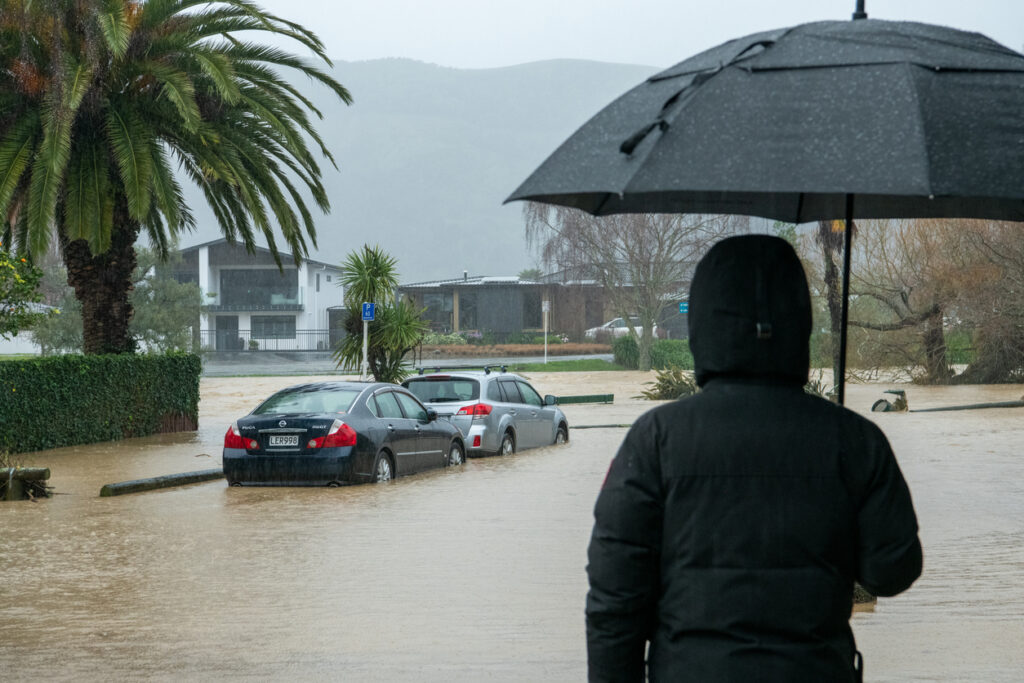
With sea levels rising and land becoming scarce, humans might build floating cities on the ocean or underground cities to escape extreme weather. Some cities might be covered by massive domes to protect people from heat, storms, or polluted air.
These aren’t just crazy ideas. Architects and engineers are already designing floating communities and underground urban spaces. Your kids might live in cities that move with the tides or never see natural sunlight because they live beneath the surface.
4. Food might come from labs instead of farms.
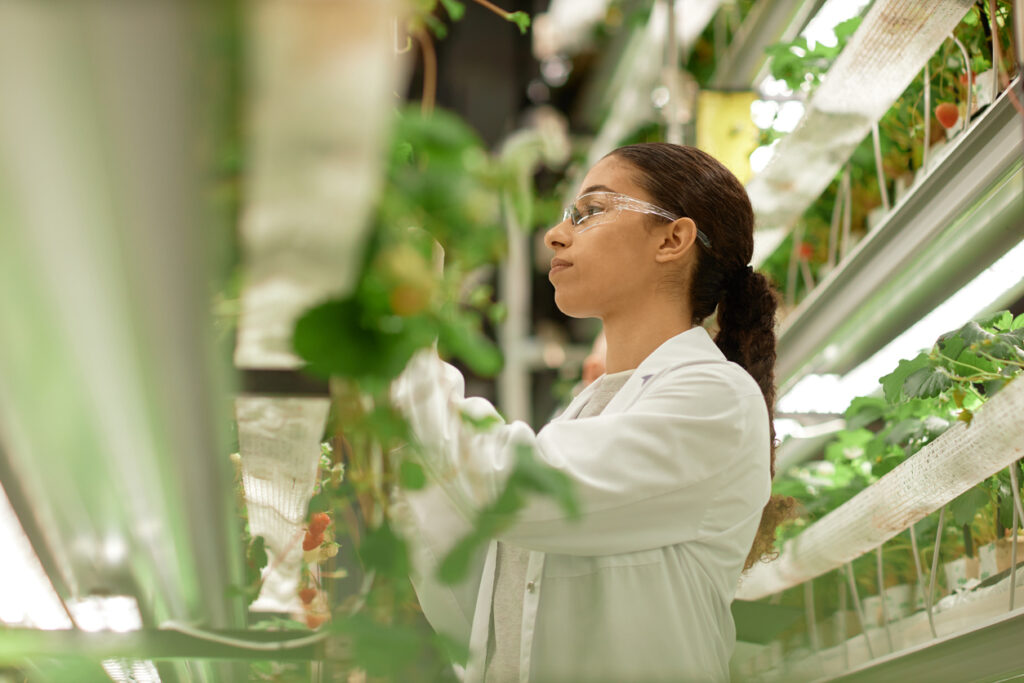
Most meat could be grown in laboratories from animal cells rather than from actual animals, and fruits and vegetables might be produced in vertical farms inside buildings rather than in fields. Traditional farming might be too inefficient or impossible due to climate change.
This lab-grown food might taste exactly the same as what we eat now, but the whole process of food production could be completely different. Your kids might think it’s weird that people used to kill animals for meat or grow crops outdoors.
5. Humans might live way longer than 100 years.

Medical advances could extend human lifespan dramatically, with some scientists predicting people could regularly live to 120, 150, or even longer. This would completely change how we think about careers, relationships, and life planning.
If people are living and working for 150 years, everything from retirement planning to marriage would need to be rethought. Your kids might have multiple completely different careers and could know their great-great-grandchildren personally.
6. The weather could be completely mental.
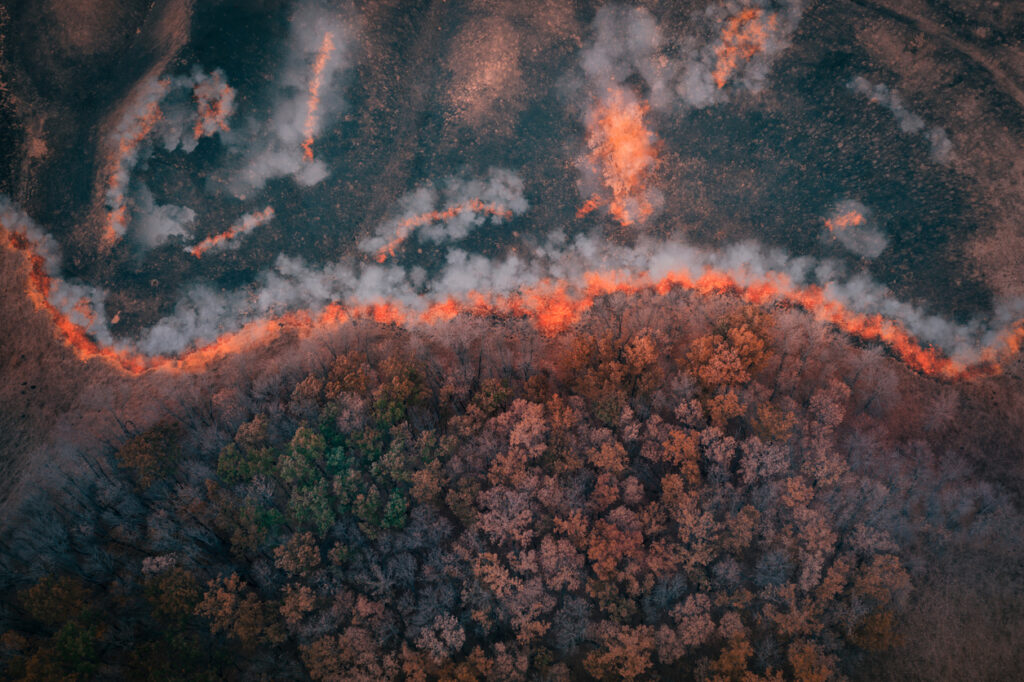
Climate change might make weather so extreme and unpredictable that entire regions become uninhabitable during certain seasons. Hurricanes, heat waves, and floods could be so severe that people have to migrate seasonally like birds. Some places might have weather that’s literally deadly to be outside in, while other areas could become tropical paradises where they used to be cold. The whole pattern of where people can live and when could be totally different.
7. Most animals we know today might be extinct.

Scientists are predicting a massive extinction event that could wipe out loads of species that are common today. Your kids might only see elephants, tigers, and polar bears in virtual reality or as genetically recreated versions in artificial habitats. At the same time, genetic engineering might create entirely new species or bring back extinct animals like woolly mammoths. The natural world could be a mix of struggling survivors and scientifically created creatures.
8. Money might not exist in the way we know it.

Everything could be digital currency or some completely new economic system that we can’t imagine yet. The idea of physical cash, banks, or even traditional ownership might seem as outdated as bartering seems to us now. Your kids might live in a world where everything is shared through apps, where AI manages all financial transactions, or where basic necessities are just provided automatically without any payment system at all.
9. Schools might be completely virtual.
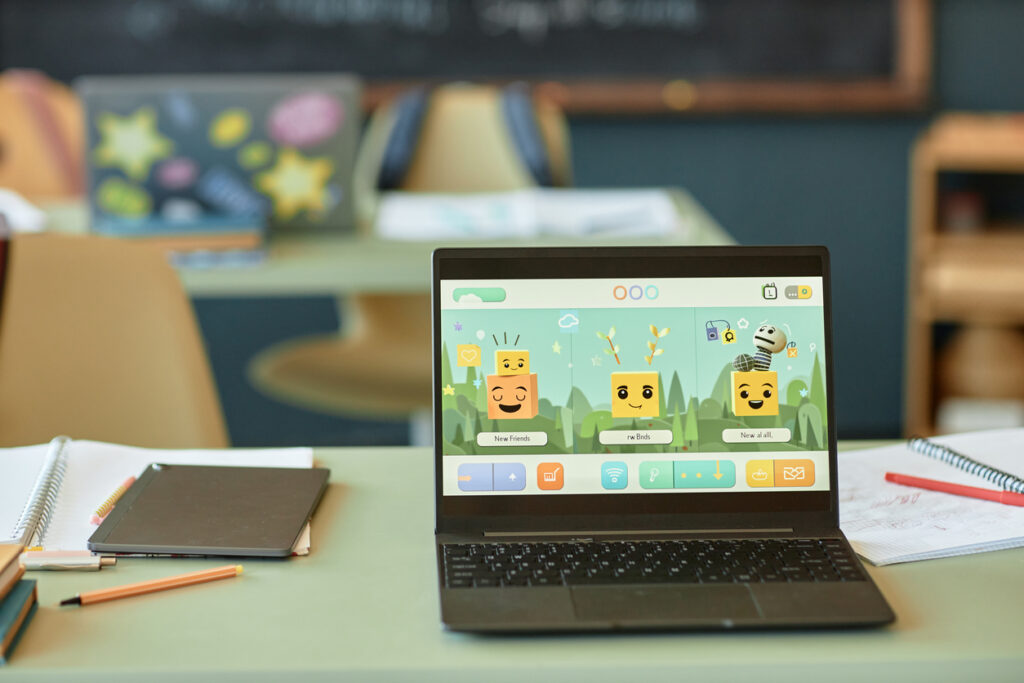
Education could happen entirely in virtual or augmented reality, with kids learning history by virtually visiting ancient Rome or studying biology by shrinking down to explore inside cells. Traditional schools and universities might not exist anymore.
AI tutors might provide personalised education that adapts instantly to each student’s learning style and pace. Your kids might never sit in a physical classroom, or might learn things in ways that seem like magic compared to how education works now.
10. Humans might be part machine.
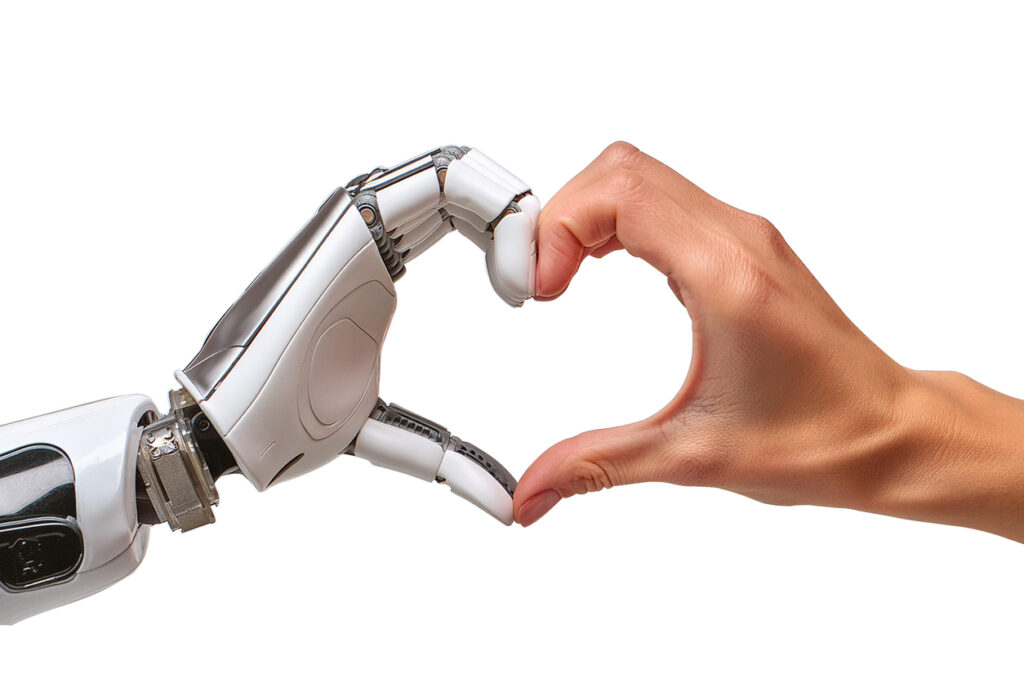
Brain implants, artificial organs, and other cybernetic enhancements could be normal parts of human life, making people stronger, smarter, and more capable than natural humans. The line between human and machine might become really blurry.
Your kids might have computer chips in their brains that let them instantly access all human knowledge, artificial eyes that can see in the dark, or enhanced muscles that make them super strong. Being “just human” might seem limiting.
11. Space travel could be as normal as flying.

People might commute to jobs on the Moon, take holidays on Mars, or live in space stations orbiting Earth. What seems like impossible science fiction now could be as routine as catching a flight to another country. Your kids might grow up thinking it’s normal to visit multiple planets, and Earth might just be one of many places humans live. The idea of being stuck on one planet might seem as weird to them as never leaving your hometown seems to us.
12. Languages might merge or disappear.

With instant translation technology and global communication, many languages could die out while others blend together. Your kids might speak a global hybrid language that doesn’t exist yet, or language barriers might disappear entirely. AI translation could be so good that everyone can understand everyone else instantly, making the whole concept of language barriers obsolete. Cultural identity tied to specific languages might change completely.
13. Privacy might be a completely foreign concept.
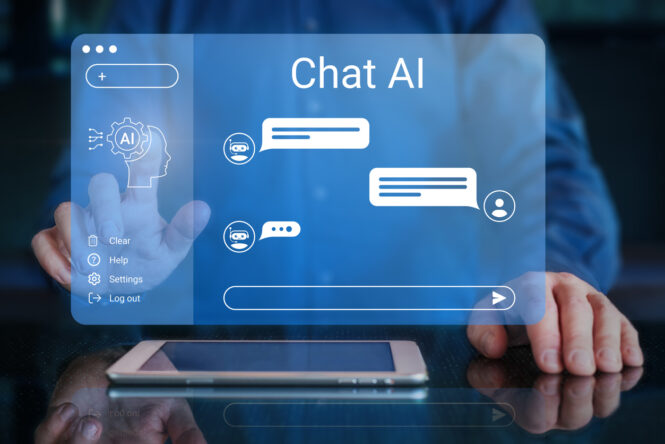
With AI surveillance, brain-computer interfaces, and constant data collection, the idea of having private thoughts or secret personal lives might not exist anymore. Everything might be monitored, recorded, and analysed automatically. Your kids might grow up in a world where the government or corporations know everything about everyone all the time, or conversely, where privacy is so protected by technology that true anonymity becomes possible again.
14. Death might become optional.

Advanced medicine, genetic engineering, and technology could make death from ageing or most diseases a choice rather than an inevitability. People might only die from accidents or by choosing to, fundamentally changing how humans think about life. This could create massive social problems about overpopulation and resource allocation, but it could also mean your kids never have to experience the grief of losing people to old age or preventable diseases.
15. Reality itself might be customisable.
Virtual and augmented reality could become so advanced that people spend most of their time in completely artificial worlds that feel more real than actual reality. Your kids might live in personalised virtual universes most of the time. They might be able to change their appearance, abilities, and environment instantly, making the physical world just one option among infinite virtual possibilities. The distinction between “real” and “virtual” might become meaningless.